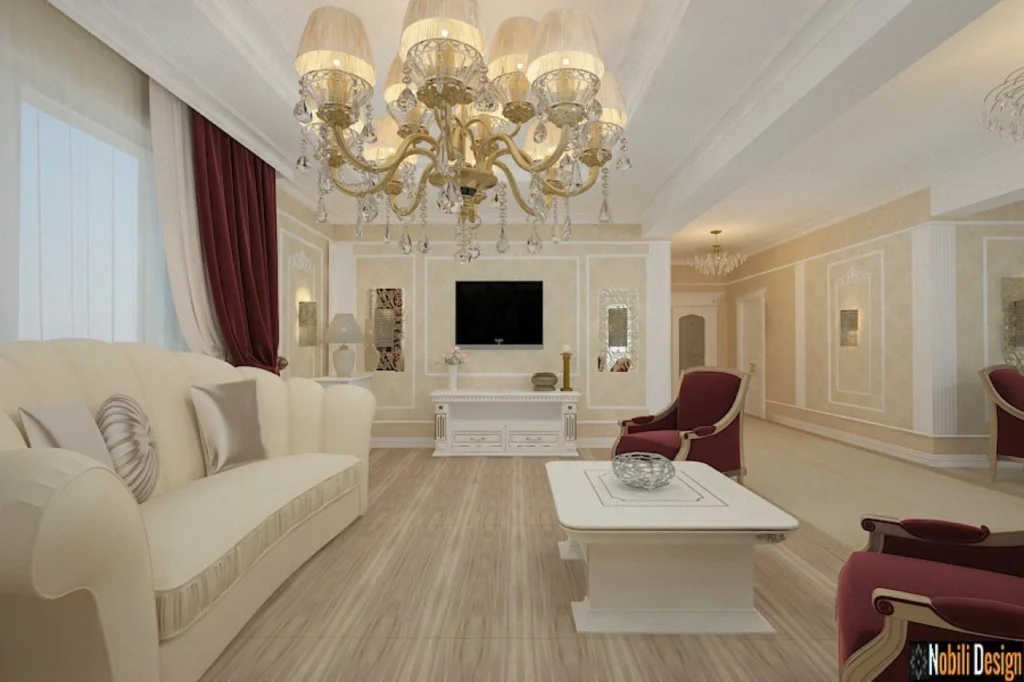
In an era defined by rapid change and overstimulation, the concept of quiet luxury has emerged as a global design movement. Nowhere is its expression more refined and authentic than within Vienna homes, where Austrian design ideals harmonize with centuries-old European craftsmanship. The Viennese apartment stands as a study in understated elegance: a space where muted palettes, tactile materials, and a devotion to artisanal heritage create a sanctuary of calm in the heart of Europe. This article explores how leading Austrian designers master the art of quiet luxury, blending tradition with innovation to shape distinctive residences that celebrate the essence of handcrafted living.
The Essence of Vienna Homes: Where History Meets Innovation
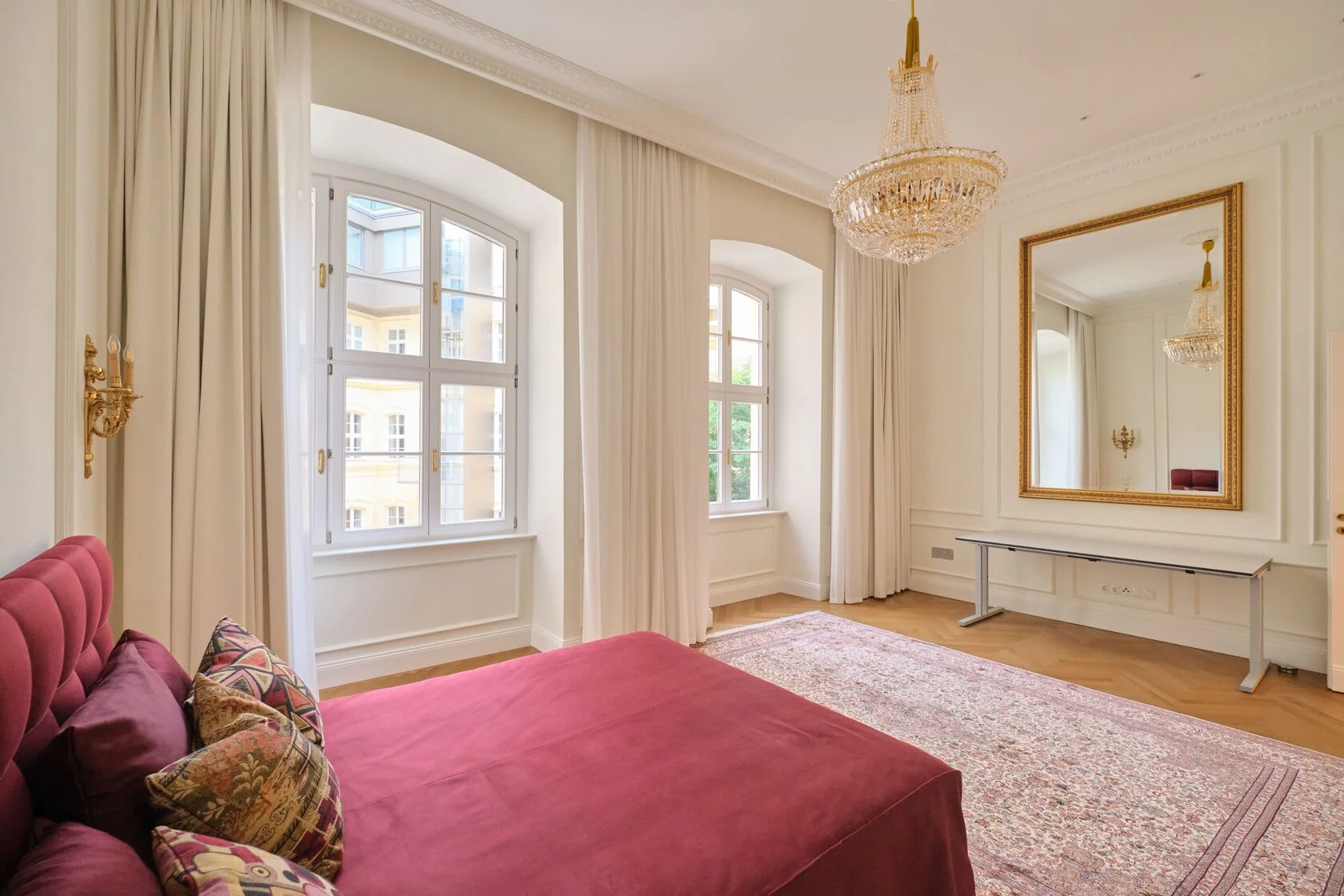
Vienna’s enduring reputation as a crucible of creative thought is evident not only in its storied museums and concert halls but also in its approach to residential design. Vienna homes are distinguished by their architectural grace, spatial generosity, and a cultural reverence for authentic materials. Far from ostentatious displays, the Viennese approach to interior space is one of subtle sophistication. Classical details—such as parquet floors, soaring ceilings, and imposing yet inviting doors—provide a canvas upon which the language of Austrian design unfolds.
This aesthetic is rooted in a tradition dating back to the Wiener Werkstätte, the early 20th-century collective championing the unity of art, craft, and design. Today’s designers reinterpret such influences, fusing heritage details with contemporary lines, all the while emphasizing the enduring value of European craftsmanship.
Muted Palettes: The Viennese Chromatic Vocabulary
In contemporary Vienna apartments, color choices are rarely left to chance. A hushed palette—celadon greens, dusty ecru, warm greys, and the softest ivory—evokes tranquility, allowing the materials and forms themselves to speak eloquently. These tones serve as restorative antidotes to the visual noise of urban life, carving out an oasis of calm.
- Tactile Layering: Rather than relying on bold hues, designers focus on tactile contrasts. The interplay between hand-finished plaster, natural wood grains, and the subtle shimmer of silk textiles creates a poetic dialogue of textures.
- Soft Light: Vienna’s abundant daylight filters through sheers and linen drapery, illuminating rooms in ways that accentuate the color restraint.
European Craftsmanship: The Quiet Power of the Handmade
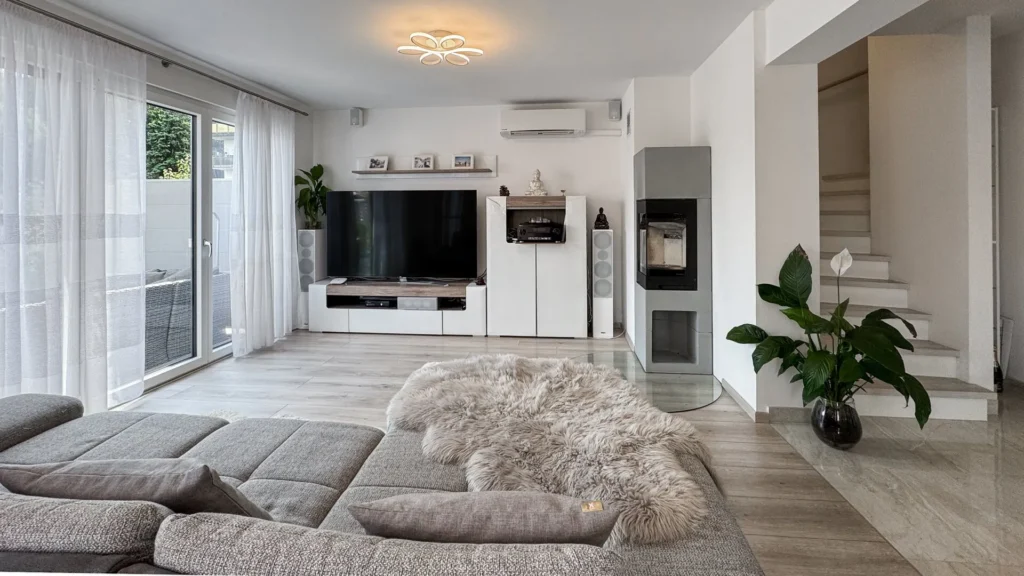
A defining characteristic of the Viennese apartment is its unwavering allegiance to authentic, handcrafted elements. This ethos finds its roots in the legacy of Austrian artisans—cabinetmakers, glassblowers, ceramists—whose techniques have been passed down through generations.
- Custom Millwork: Every detail, from wall paneling to inlaid cabinetry, is meticulously executed, often using indigenous woods such as walnut or oak. The joinery, seldom seen, is a testament to the time-honored precision of European craftsmanship.
- Site-Specific Detailing: Designers favor custom lighting, hand-cast hardware, and bespoke furniture that echo the rhythm and scale of the apartment’s classical backbone.
- Artisanal Collaborations: Leading firms routinely collaborate with Austria’s most esteemed makers, commissioning pieces that imbue each project with a sense of singularity.
Austrian Design: Principles of Quiet Luxury
What distinguishes Austrian design on the world stage is its refusal to equate luxury with excess. Instead, luxury is understood as the seamless fusion of quality, comfort, and discretion—crafted for longevity rather than spectacle. This philosophy is realized through several key principles:
- Restraint Over Extravagance: Spaces are carefully edited to avoid visual clutter. Each object and finish is curated for meaning, provenance, and place.
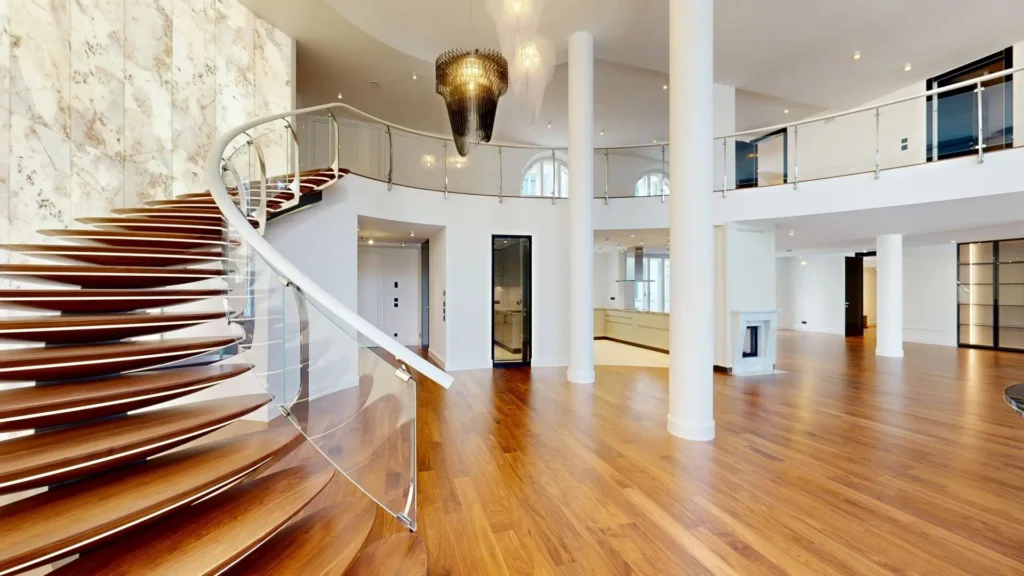
- Harmony of Old and New: Contemporary interventions are meshed with original elements, so a state-of-the-art kitchen sits beneath ornate plasterwork, or a midcentury Austrian chair anchors a gilded salon.
- Connection to Place: Local stone, Viennese crystal, and handmade ceramics pay homage to regional identity, grounding each space in a tangible sense of “home.”
Case Studies: The Signature of the Viennese Apartment
Across the city, both established and rising talents showcase the breadth of this approach. Consider the restrained glamour of Christian Ludwig Attersee’s drawing rooms, or the modernist clarity in Franziska Ullmann’s light-filled salons. Meanwhile, emerging voices reinterpret heritage through a contemporary lens—balancing urban living with a profound attention to artisanal process.
- The Apartment as Art Gallery: It is not uncommon for Vienna homes to double as curated salons, where contemporary Austrian art mingles with handblown glass lighting by J.&L. Lobmeyr and the velvet-clad seating of Josef Hoffmann.
- Sustainable, Timeless Comfort: New generations are increasingly prioritizing environmental consciousness. Designers incorporate locally sourced materials and traditional methods as a sustainable alternative to fast-paced trends.