The next generation of interior design trends will be shaped by rapid technological advancement, environmental urgency, evolving lifestyles, and a growing demand for meaningful, human-centered spaces. For interior designers, furniture brands, architects, and luxury design studios, understanding where design is heading after 2027 is essential for creating relevant, future-ready environments.
Homes are no longer static shelters—they are adaptive ecosystems that integrate wellness, sustainability, digital intelligence, and craftsmanship. The following top 10 interior design trends are expected to define residential design in the post-2027 era.
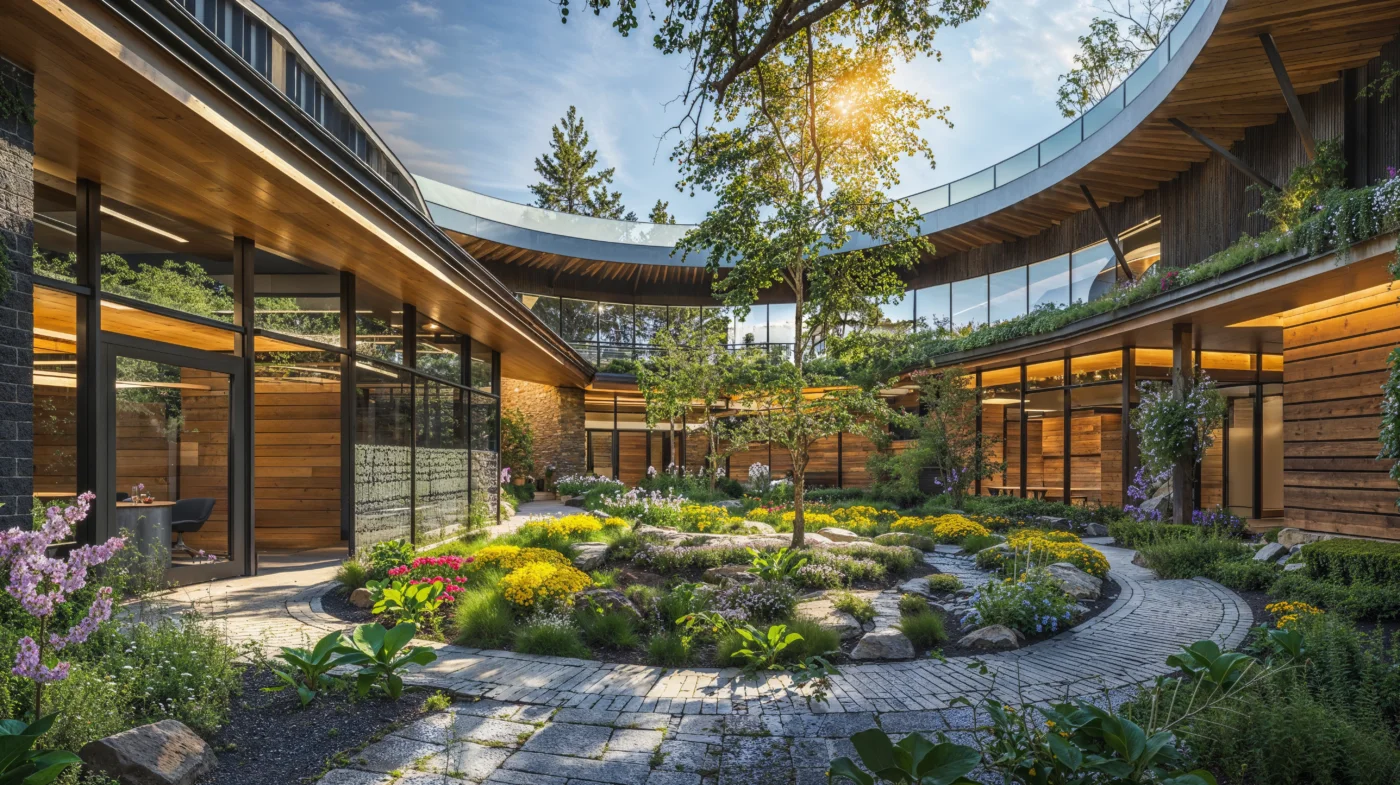
1. Regenerative and Carbon-Negative Design
Sustainability will evolve beyond “eco-friendly” into regenerative design, where homes actively restore the environment.
Designers will prioritize:
- Carbon-negative materials
- Bio-based composites
- Rapidly renewable resources
- Circular manufacturing processes
Materials such as mycelium panels, algae-based bioplastics, bamboo laminates, and recycled mineral composites will become mainstream in furniture and architectural surfaces.
For luxury studios, transparency in material sourcing and lifecycle analysis will become a key selling point.
2. AI-Integrated Living Spaces
Artificial intelligence will fundamentally reshape how interiors function.
Future homes will feature:
- AI-responsive lighting environments
- Furniture that adapts ergonomically to occupants
- Predictive climate control systems
- Voice and gesture-controlled environments
Designers will collaborate closely with software engineers and smart-home developers to integrate technology invisibly into architecture, preserving aesthetic harmony.
3. Hyper-Personalized Interiors
Mass personalization will define premium residential projects.
Using AI-driven design platforms and digital twins, homeowners will be able to customize:
- Surface materials
- Lighting atmospheres
- Furniture layouts
- Color palettes
- Spatial functions
Design studios will move toward data-informed design, creating spaces tailored to lifestyle patterns, health data, and daily habits.
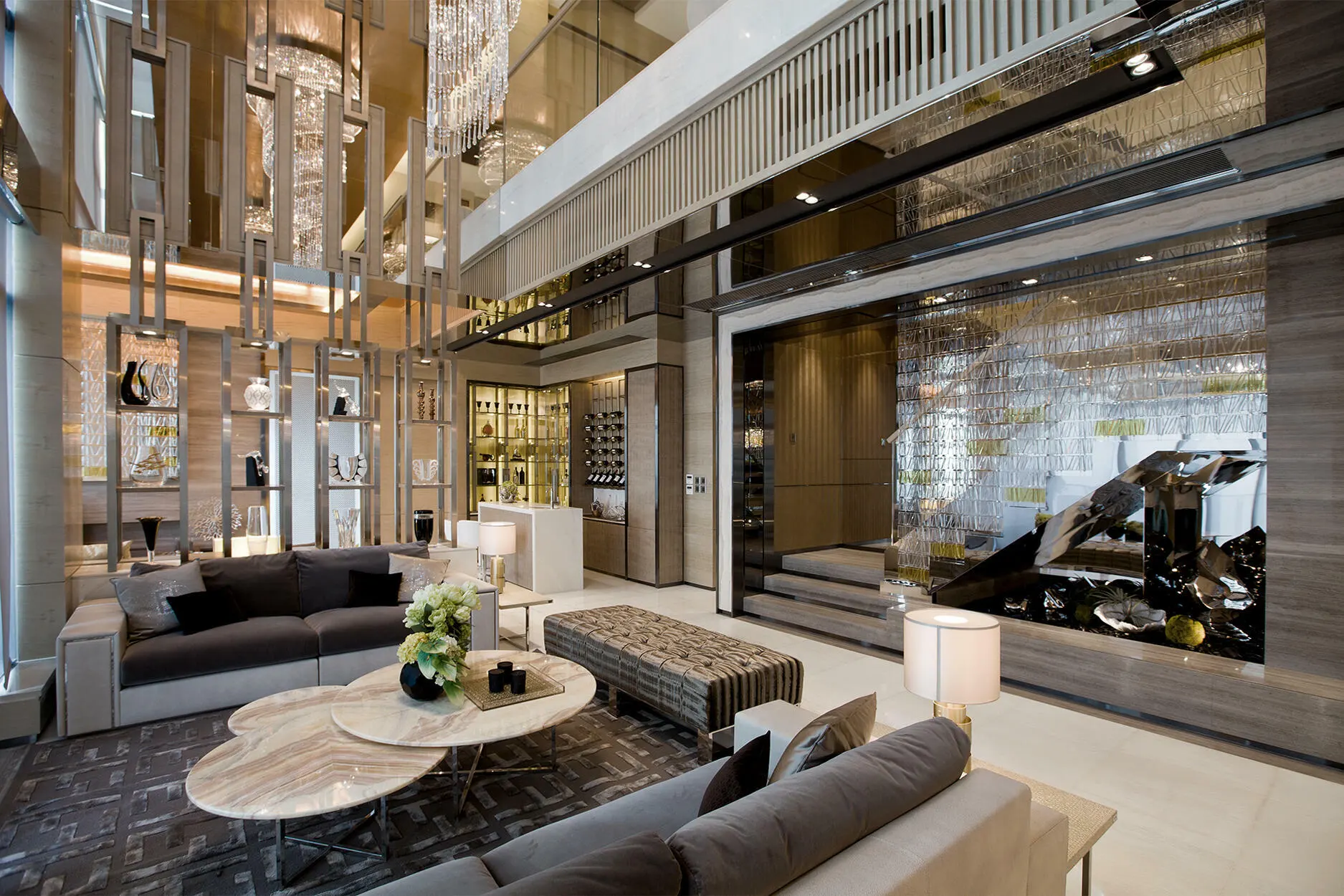
4. Biophilic Design 2.0
Biophilic design will evolve beyond simply adding plants.
After 2027, designers will integrate full sensory nature experiences, including:
- Dynamic daylight simulations
- Natural ventilation strategies
- Indoor ecosystems
- Living walls and ceilings
- Organic acoustic environments
Materials with **natural tactility—stone, clay plaster, cork, raw timber—**will reinforce the psychological connection to nature.
5. Flexible Multi-Zone Living
Remote work, hybrid lifestyles, and multigenerational living will drive demand for adaptive spatial layouts.
Key features will include:
- Sliding architectural partitions
- Transformable furniture systems
- Acoustic privacy zones
- Modular wall systems
Designers will prioritize spatial fluidity, enabling rooms to transition between living, working, and leisure functions throughout the day.