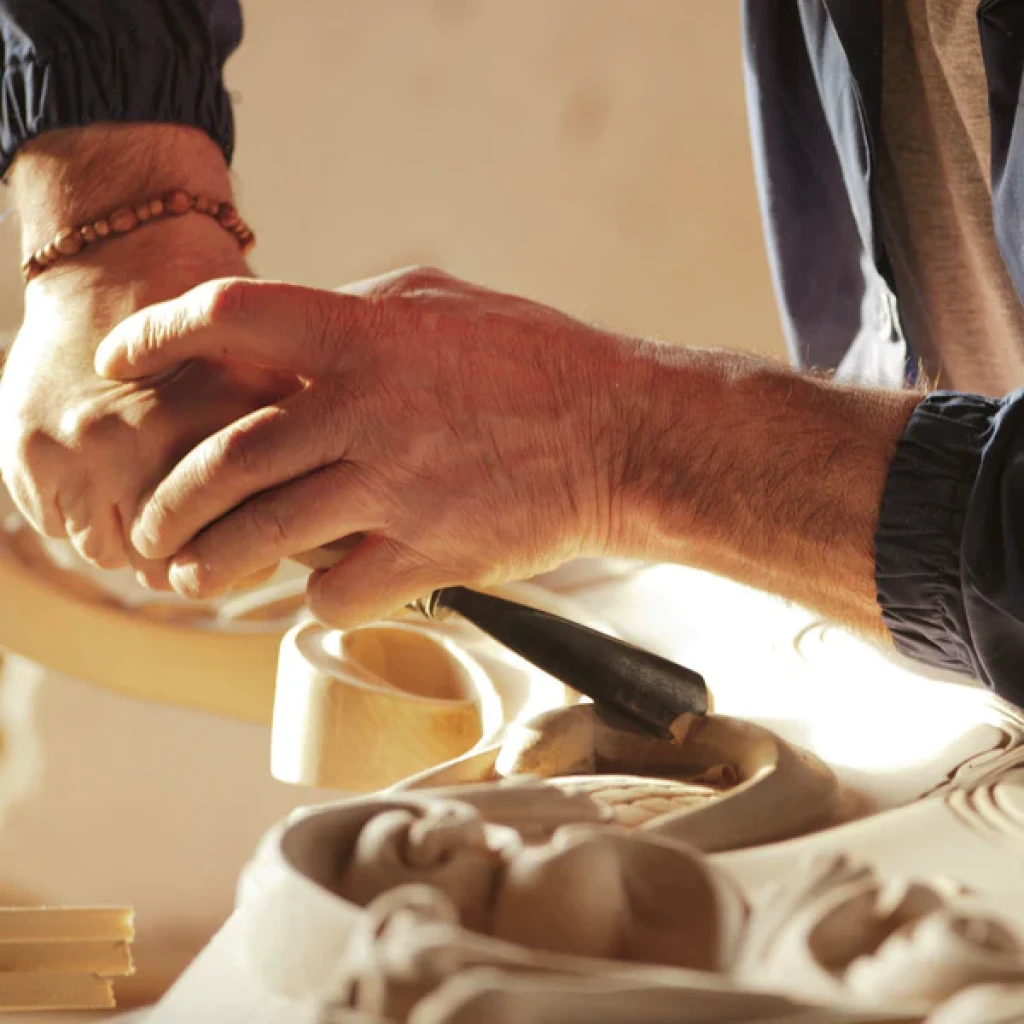
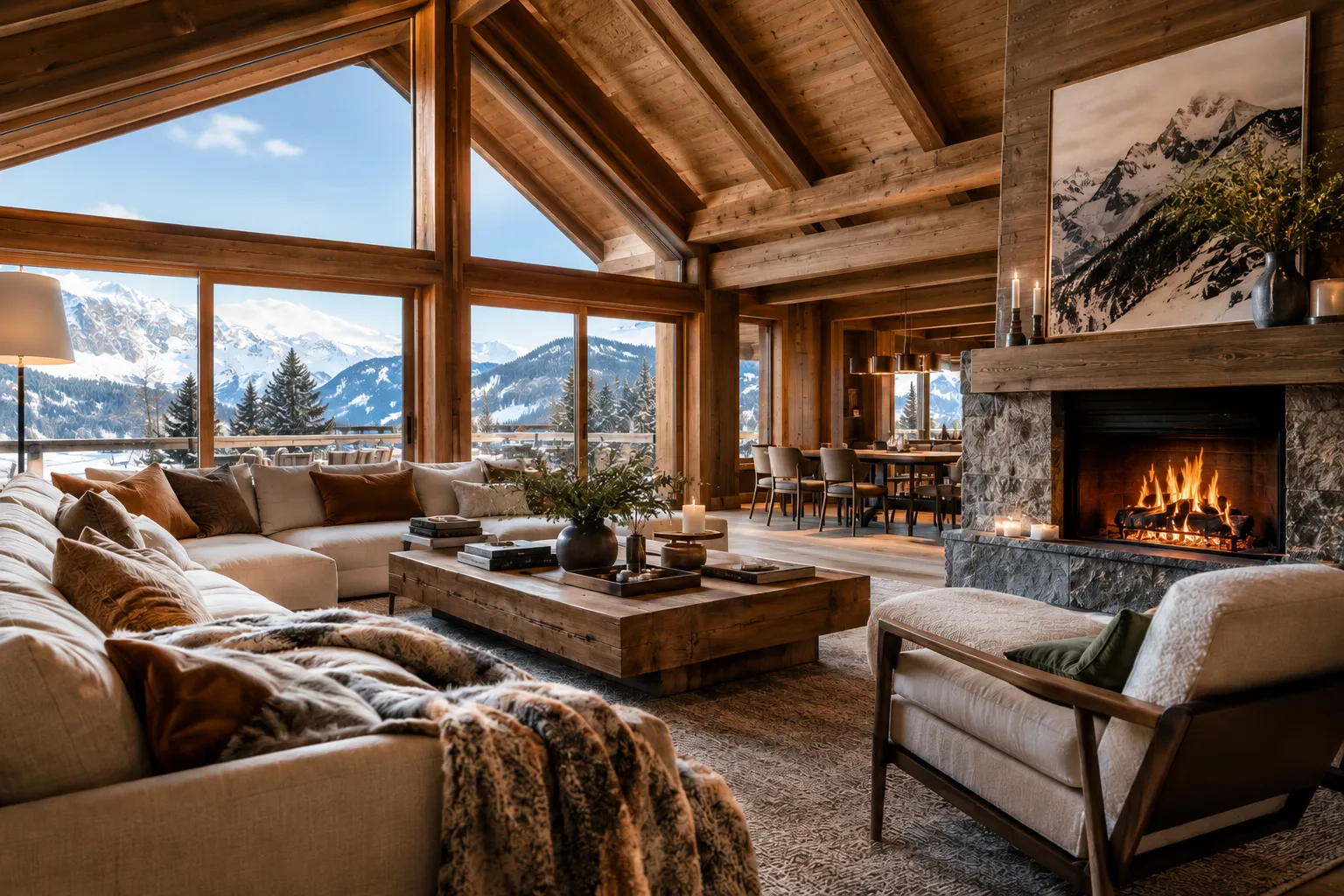
In an era defined by technological prowess and the ubiquity of mass production, the allure of artisanal craftsmanship is reclaiming its esteemed position within luxury interiors. The discerning global audience—with tastes honed by cultural exploration and a desire for authenticity—finds itself once more enamored with the tactile eloquence of handwork. Bespoke furniture and meticulously crafted decorative objects are at the heart of this renaissance, offering not only exclusivity but also a unique narrative imbued within each exquisite piece. As luxury interiors evolve, the hand of the maker is becoming not merely visible, but celebrated.
The Renaissance of Artisanal Values in Modern Luxury
Contemporary luxury, far from being defined by ostentation or status symbols alone, increasingly orbits around artistry, provenance, and individuality. The return to artisanal values is more than a fleeting trend; it is a profound cultural shift that places bespoke furniture and handcrafted elements at the very core of sophisticated living. With a growing appreciation for slow design, clients and designers alike are seeking out works that reflect not only aesthetic aspiration but also an ethical engagement with materials and craftsmanship.
What Drives the Demand for Handcrafted Luxury Interiors?
- Authenticity: Unique, singular pieces act as a counterpoint to mass-manufactured design, fostering a sense of genuine personality in each space.
- Sustainability: Artisanal production often involves local materials, minimizing environmental impact and supporting responsible sourcing.
- Cultural Heritage: Handmade objects embody centuries-old techniques, serving as vessels for tradition and narrative lineage.
- Emotional Resonance: The maker’s touch imparts soul and warmth, creating a tactile and visual connection between inhabitant and object.

Bespoke Furniture: The Heart of Handcrafted Luxury
The very concept of bespoke furniture elevates interior environments beyond mere decoration, transforming them into deeply personal expressions. Whether through a Parisian atelier, Venetian woodworker, or Tokyo metal artisan, the dialogue between client and maker births pieces that are unparalleled in their form and fit. In the realm of luxury interiors, such works become both signature statement and subtle anchor, merging impeccable function with artistic poetry.
Key Characteristics of Bespoke Furniture in Today’s Interiors
- Customization: Every aspect—material, proportion, finish—is tailored to the precise brief, ensuring absolute harmony within the space.
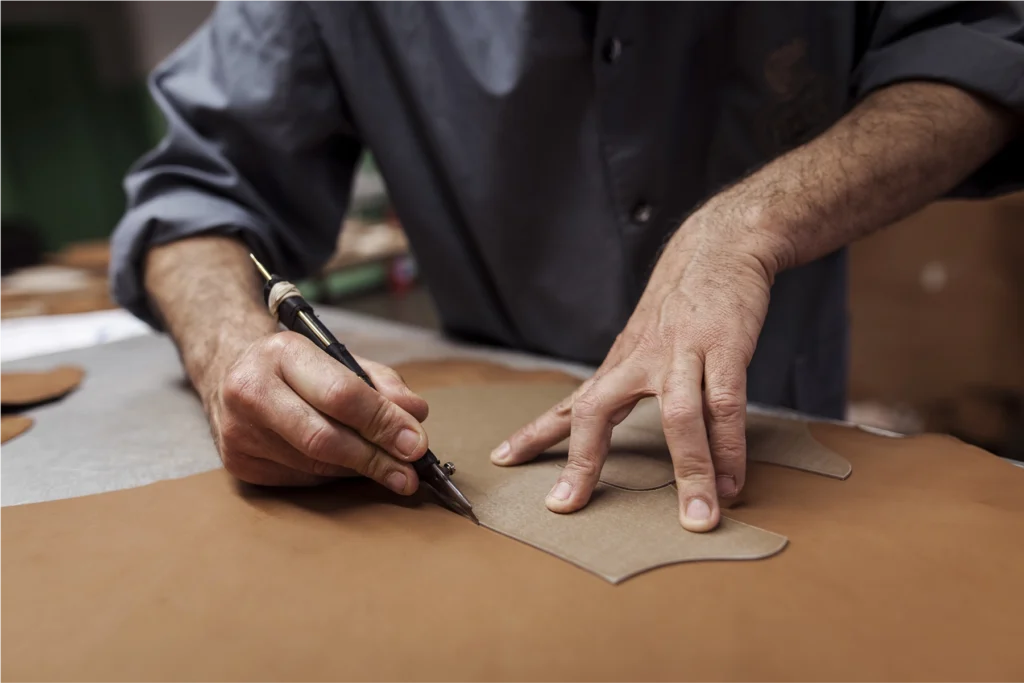
- Material Integrity: Craftsmen value impeccable raw materials—exotic woods, hand-dyed leathers, rare marbles—choosing each element for durability and beauty.
- Artisanal Techniques: Methods such as marquetry, hand-carving, inlay, and bespoke joinery connect contemporary pieces to a legacy of skilled craftsmanship.
- Timeless Design: Although innovative, these pieces transcend passing trends, growing in value and character over generations.
Global Influences and Re-emergent Traditions
The twenty-first century’s luxury interiors represent a confluence of global influences. Designers are increasingly collaborating with artisans who draw upon regional techniques—Moroccan zellige, Portuguese azulejos, Japanese urushi, and Scandinavian joinery—to infuse projects with narrative and layered texture. The cross-pollination of tradition and innovation produces living spaces that are not only visually captivating, but also imbued with a cosmopolitan spirit. Such work serves as a bridge, linking the present to the artistic lineages that define human creative achievement.
Notable International Examples
- London’s contemporary residences featuring British cabinetmaking and bespoke upholstery.
- New York penthouses adorned with custom lighting installations from Murano glassmakers.
- Parisian apartments revived with hand-gilded boiseries and artisanal bronze fittings.
- Luxury hotels in Marrakech incorporating handwoven Berber rugs and zellige tilework.
Artisan–Designer Collaborations: A New Golden Age
One of the most significant developments is the renewed dialogue between artisans and interior designers or architects. Esteemed studios frequently commission one-of-a-kind works—from bespoke furniture to hand-forged hardware or site-specific sculpture—that are conceived as integral to the architectural narrative. The result is a blurring of boundaries, where craftsmanship, art, and design coalesce into a seamless, elevated experience. According to a recent report by Christie’s, the demand for unique artisan-made furnishings continues to outpace conventional luxury décor, a testament to this new golden age.
The Experiential Value of Handcrafted Luxury
When clients commission bespoke furniture or finish a residence with handcrafted elements, they are curating not only their aesthetic environment, but also a distinct experiential dimension. The story behind each piece—its provenance, the hands that made it, the heritage it channels—imbues the space with a resonant sense of identity. For high-net-worth individuals and design professionals alike, the value of “the unique” extends beyond materiality into memory, emotion, and narrative.
Advantages of Investing in Handcrafted Pieces
- Exclusivity: No two pieces are alike, ensuring truly individual environments.
- Longevity: With quality materials and masterful construction, these works are designed to be cherished for generations.
- Appreciation Potential: Artisan pieces, particularly signed or from renowned workshops, can appreciate in value—reflecting a shift in luxury market dynamics.
- Immersive Experience: Living with handcrafted objects offers ongoing delight: subtle tactile contrasts, evolving patina, and the quiet narrative power of artistry.
Sustainability and Ethical Luxury in Craftsmanship
As conversations surrounding sustainability gain prominence in global design forums, handcrafted luxury interiors have emerged as both an ethical and aspirational choice. Many makers employ natural, renewable materials and eschew disposable trends in favor of longevity. Commissioning bespoke furniture often involves working one-on-one with craftsmen who use traditional, low-impact processes that minimize waste. In this sense, the new era of luxury is deeply intertwined with the stewardship of cultural and environmental resources.
Key Sustainability Practices Among Artisans
- Utilization of responsibly harvested woods, organic textiles, and low-VOC finishes.
- Small-batch production, reducing surplus and energy consumption.
- Restoration and reinterpretation of vintage pieces, giving historic works new life.
- Investment in local communities and preservation of endangered techniques.
Future Outlook: Handcrafted Living in the Next Decade
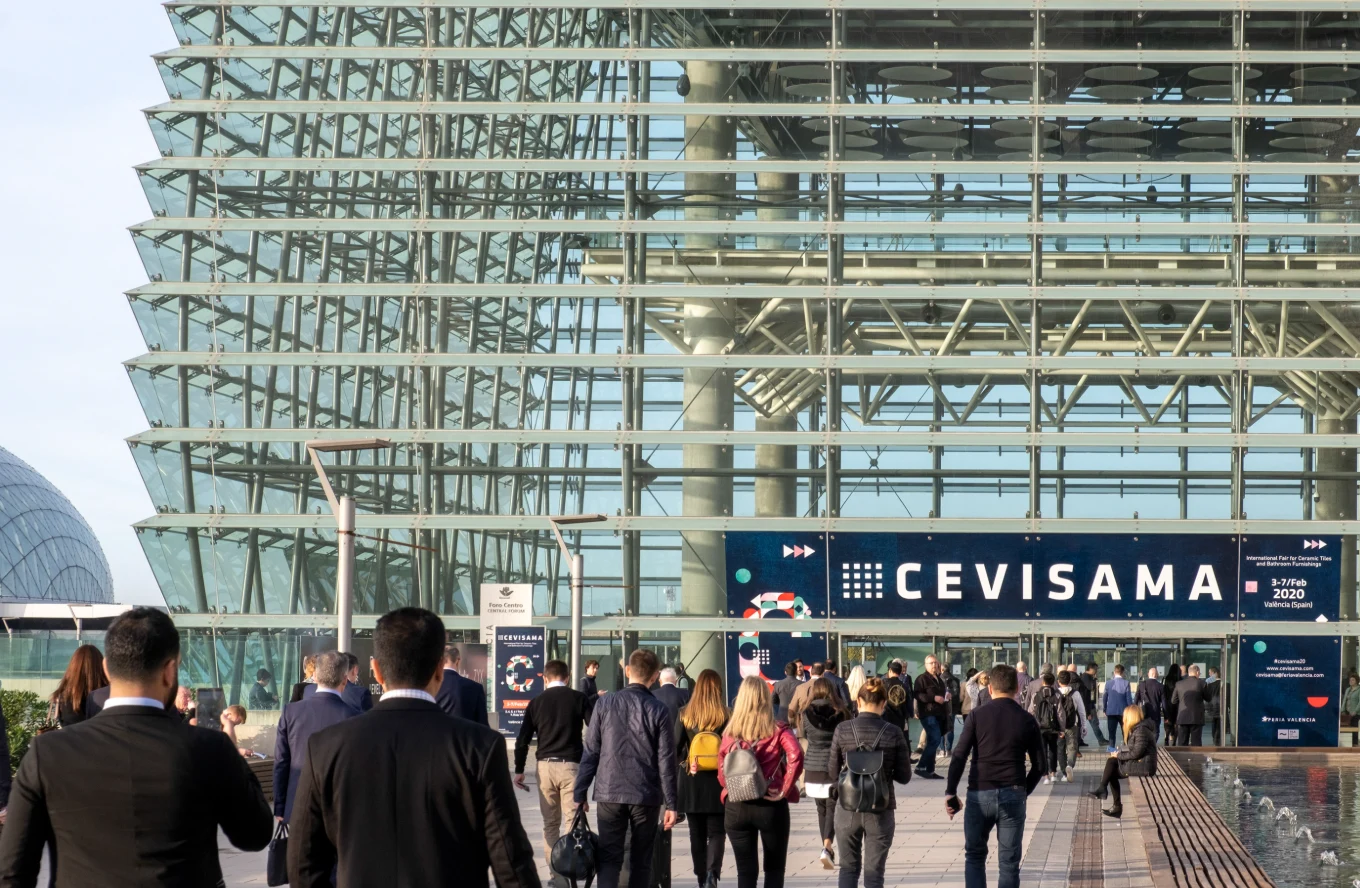
Looking ahead, the demand for authenticity, sustainability, and artistry in luxury interiors will continue to intensify. Digital platforms are amplifying the visibility of master artisans, while curated international fairs such as Salone del Mobile and Maison & Objet propel the global dialogue. The intersection of technology and tradition—whether through innovative material applications or 3D-modelling aiding handcraft—further expands the creative possibilities. For architects, designers, and discerning clients, the path forward points toward interiors that are as rich in story as they are in substance.
Guidelines for Integrating Bespoke Craftsmanship
- Engage artisans early in the design process to ensure harmonious integration.
- Prioritize provenance and transparency in materials selection.
- Foster collaborations with workshops known for signature techniques and artistic excellence.
- Seek pieces that express personal narrative or reflect the cultural context of the project.
The Takeaway
The resurgence of artisanal craftsmanship within luxury interiors is a testament to the enduring appeal of the human touch. For those curating exceptional spaces—be they architects, designers, or private collectors—the integration of bespoke furniture and handcrafted details elevates interiors beyond the ordinary, inviting a richer, more contemplative experience of living. In a world increasingly defined by speed and uniformity, the return to slow, masterful creation is not only inspiring, but essential. As we look to the future, the celebration of artisanal artistry promises to remain at the heart of true luxury and refined home living.