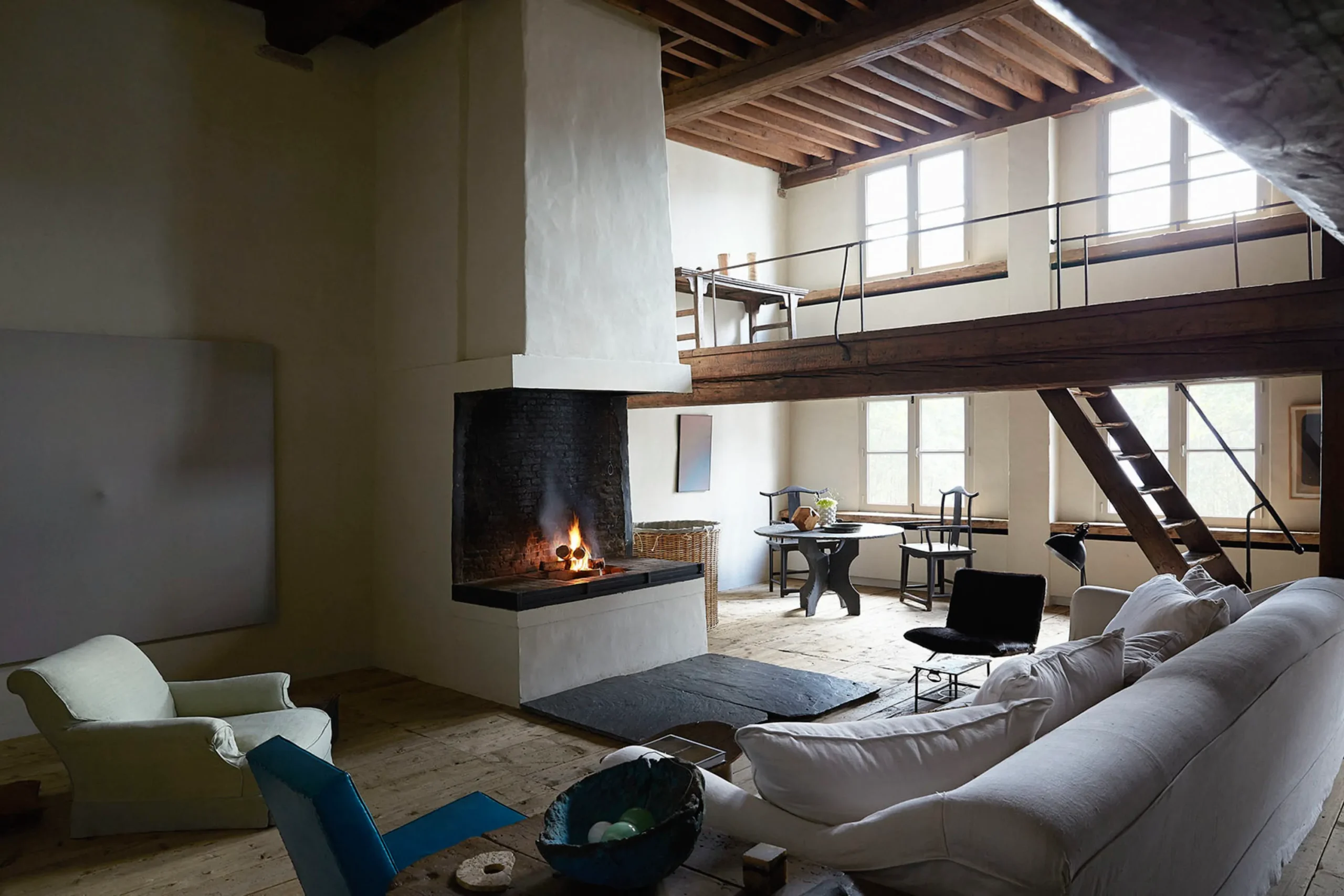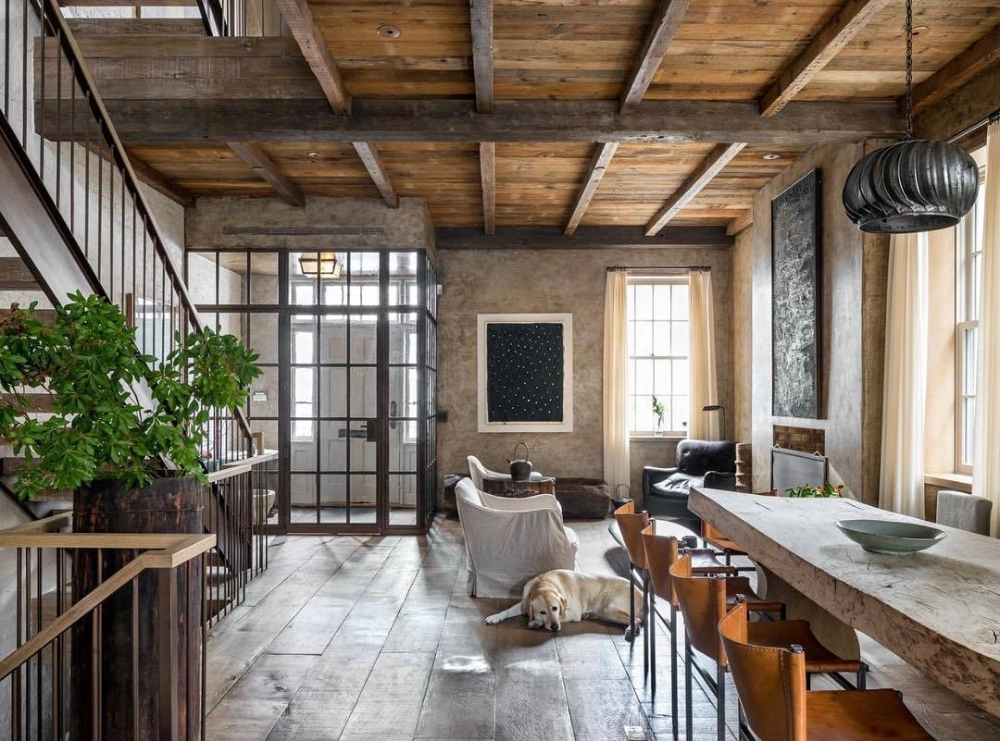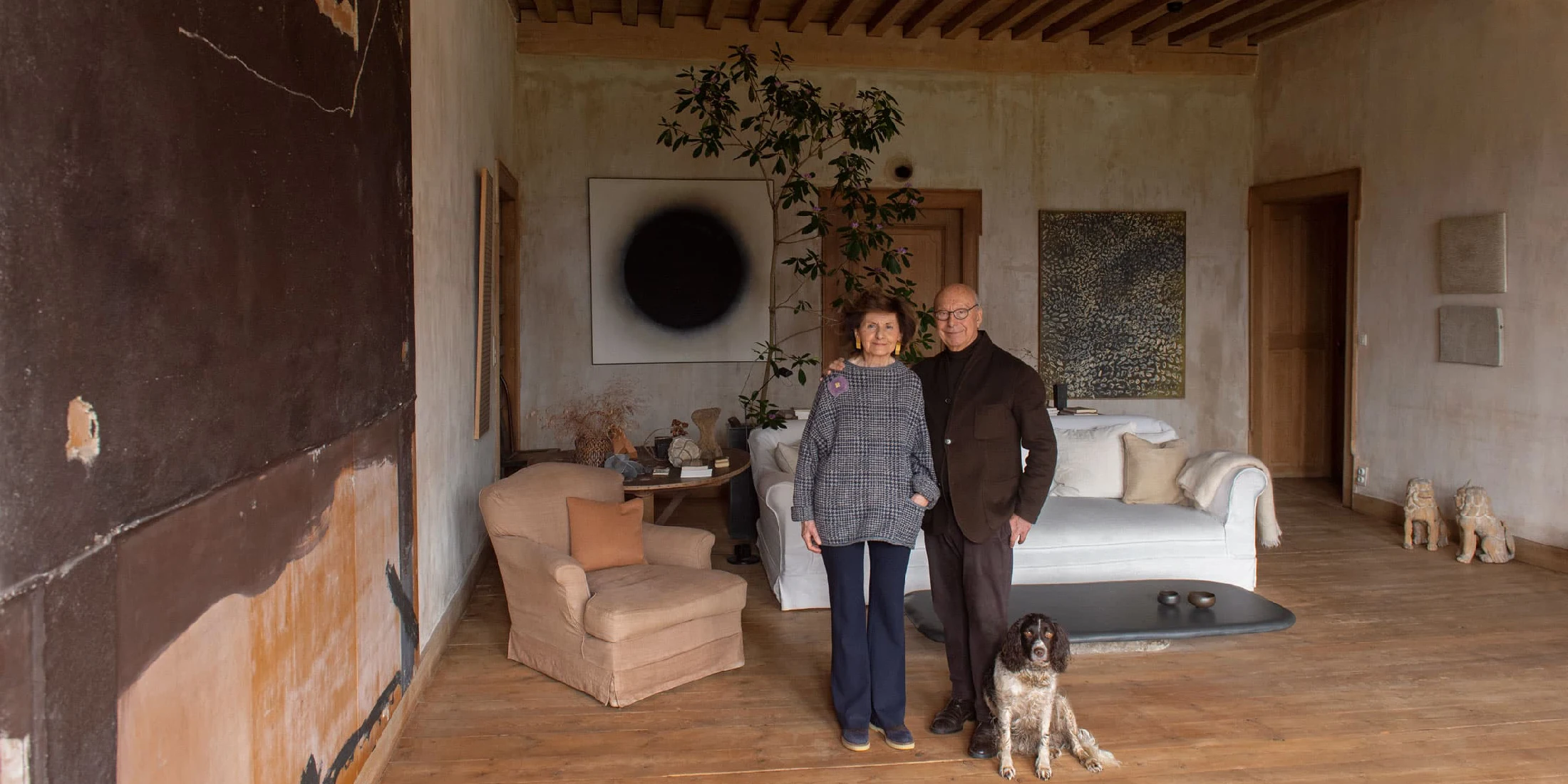
In the world of high-end interiors, few names resonate with the same quiet authority as Axel Vervoordt. Known for his deeply atmospheric spaces, Vervoordt has shaped a design philosophy that goes beyond aesthetics. His work blends history, craftsmanship, and emotion into environments that feel both ancient and modern at once. For interior designers, architects, and luxury furniture brands, his approach offers a compelling blueprint for creating spaces that endure.
A Philosophy Rooted in Time, Not Trends
Axel Vervoordt’s interiors resist the fast pace of design trends. Instead of chasing novelty, he builds spaces that feel as though they have always existed. This timeless quality comes from his belief in authenticity—using materials and objects that carry age, patina, and meaning.
Rather than designing from scratch in a conventional sense, Vervoordt curates. He layers antique furniture, raw architectural elements, and contemporary art to create a dialogue between past and present. This method results in interiors that evolve organically, rather than appearing staged or overly polished.
For professionals in architecture and interior design, this approach shifts the focus from decoration to storytelling. Each piece contributes to a narrative, reinforcing the idea that luxury lies in depth, not excess.
The Power of Handcrafted Elements
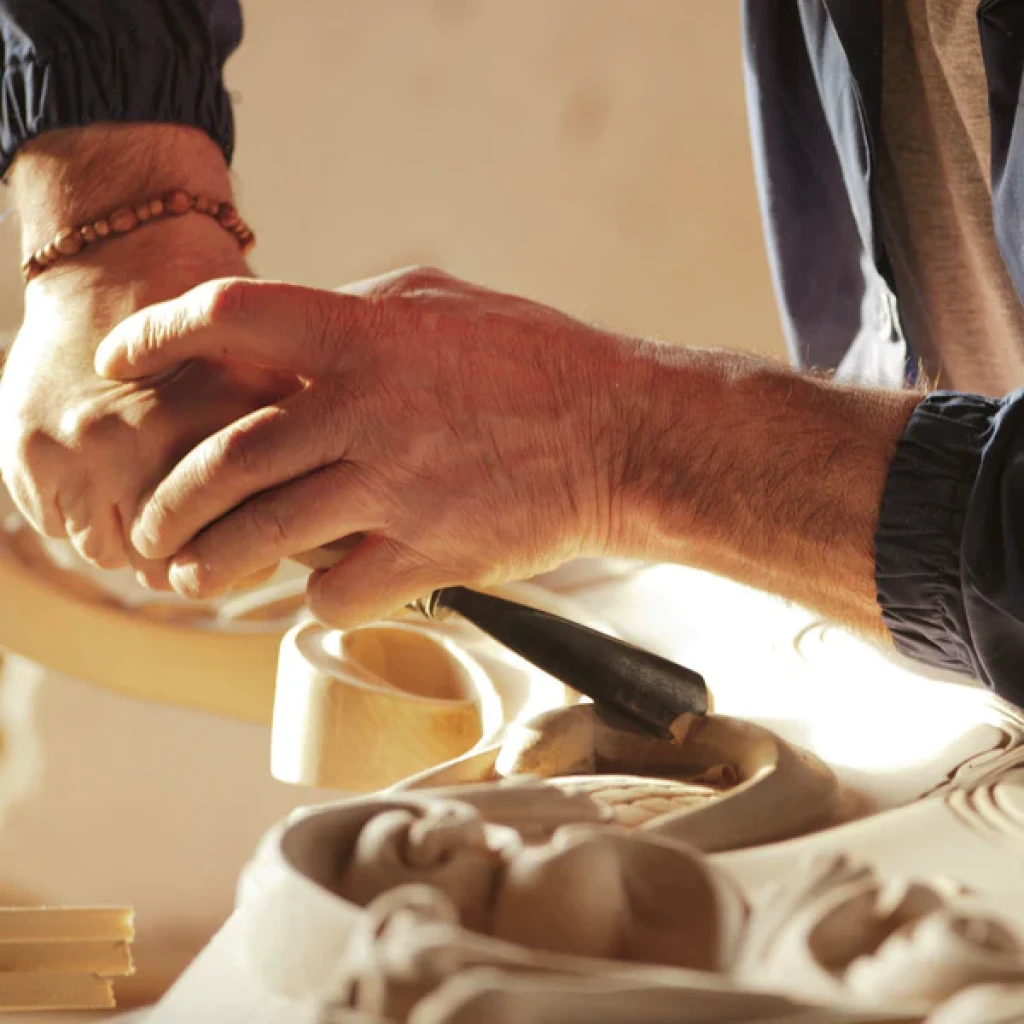
At the core of Vervoordt’s work is a deep respect for craftsmanship. Handcrafted furniture, artisanal finishes, and natural materials define his interiors. These elements introduce irregularity and texture—qualities that machine-made design often lacks.
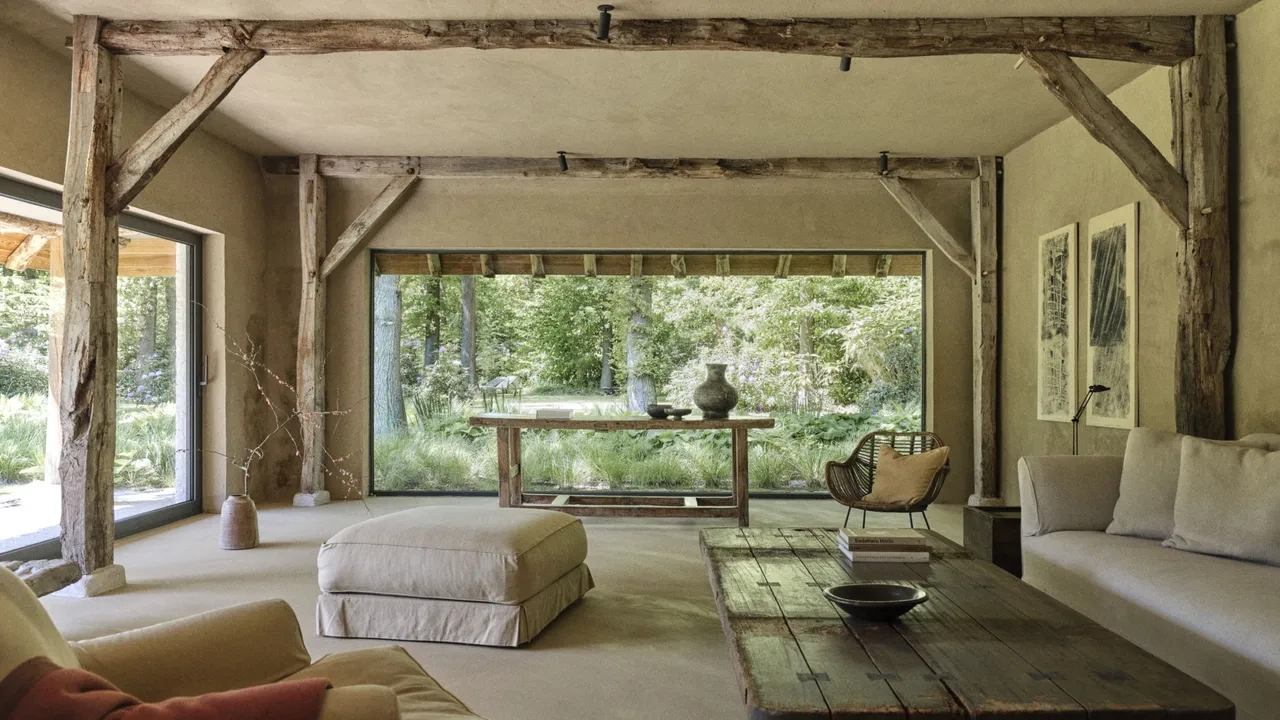
Wood with visible grain, stone with natural imperfections, and plaster walls with subtle tonal variation all play a role in shaping his spaces. These materials age gracefully, gaining character over time instead of losing appeal.
For furniture brands, this emphasis highlights the growing demand for authenticity. Clients increasingly value pieces that show the hand of the maker. Handcrafted design communicates exclusivity without relying on overt opulence, aligning perfectly with modern luxury expectations.
Minimalism with Soul
While many associate luxury with abundance, Axel Vervoordt embraces restraint. His interiors often feature sparse compositions, yet they never feel empty. This balance stems from a careful selection of objects, each chosen for its emotional and visual weight.
This approach aligns with the philosophy of wabi-sabi, which celebrates imperfection and transience. Although rooted in Japanese aesthetics, Vervoordt adapts these principles into a Western context, creating spaces that feel serene and grounded.
For architects and designers, this demonstrates how minimalism can move beyond cold or sterile environments. By integrating texture, history, and craftsmanship, minimal spaces can achieve warmth and depth.
Neutral Palettes as a Foundation
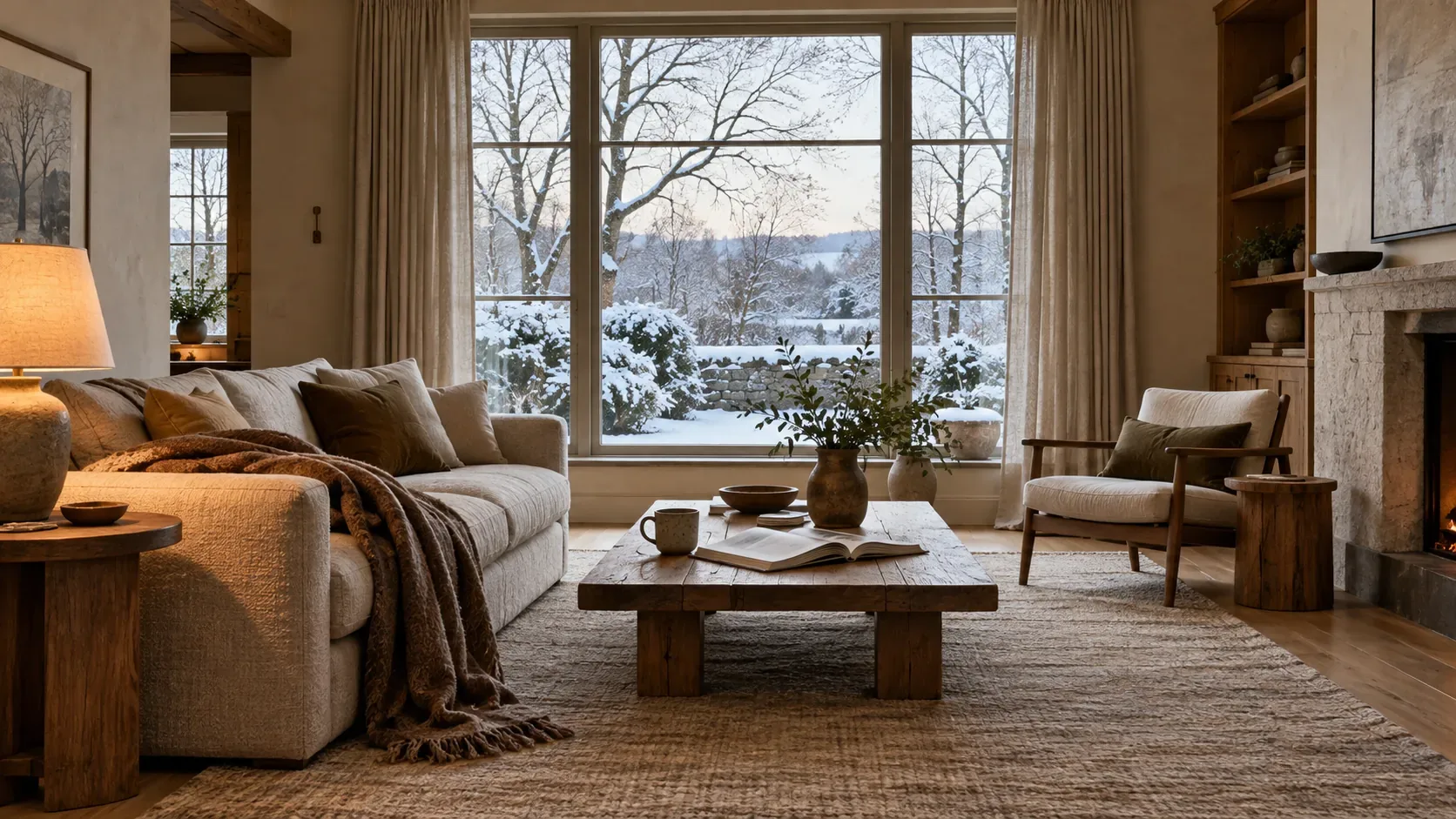
Color plays a subtle but crucial role in Vervoordt’s interiors. He often works within a restrained palette of whites, beiges, grays, and earthy tones. These hues allow materials and forms to take center stage.
Instead of using color to dominate a space, he uses it to unify. Walls, floors, and furnishings often share similar tonal ranges, creating a seamless flow throughout the interior. This continuity enhances the sense of calm and cohesion.
For luxury design studios, this strategy offers a valuable insight: a neutral palette does not limit creativity. On the contrary, it provides a canvas where texture, light, and form become more expressive.