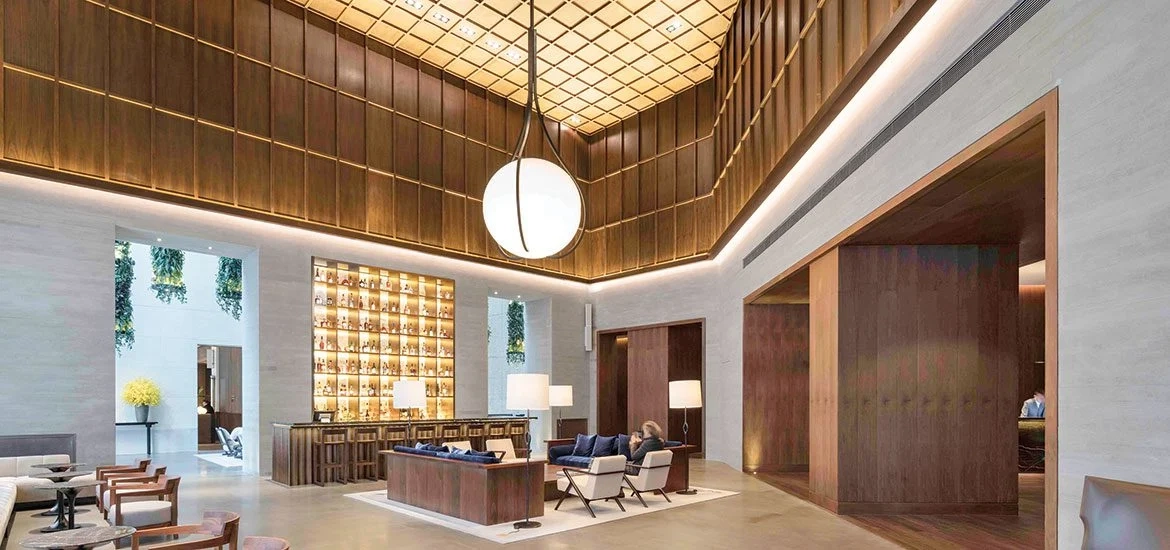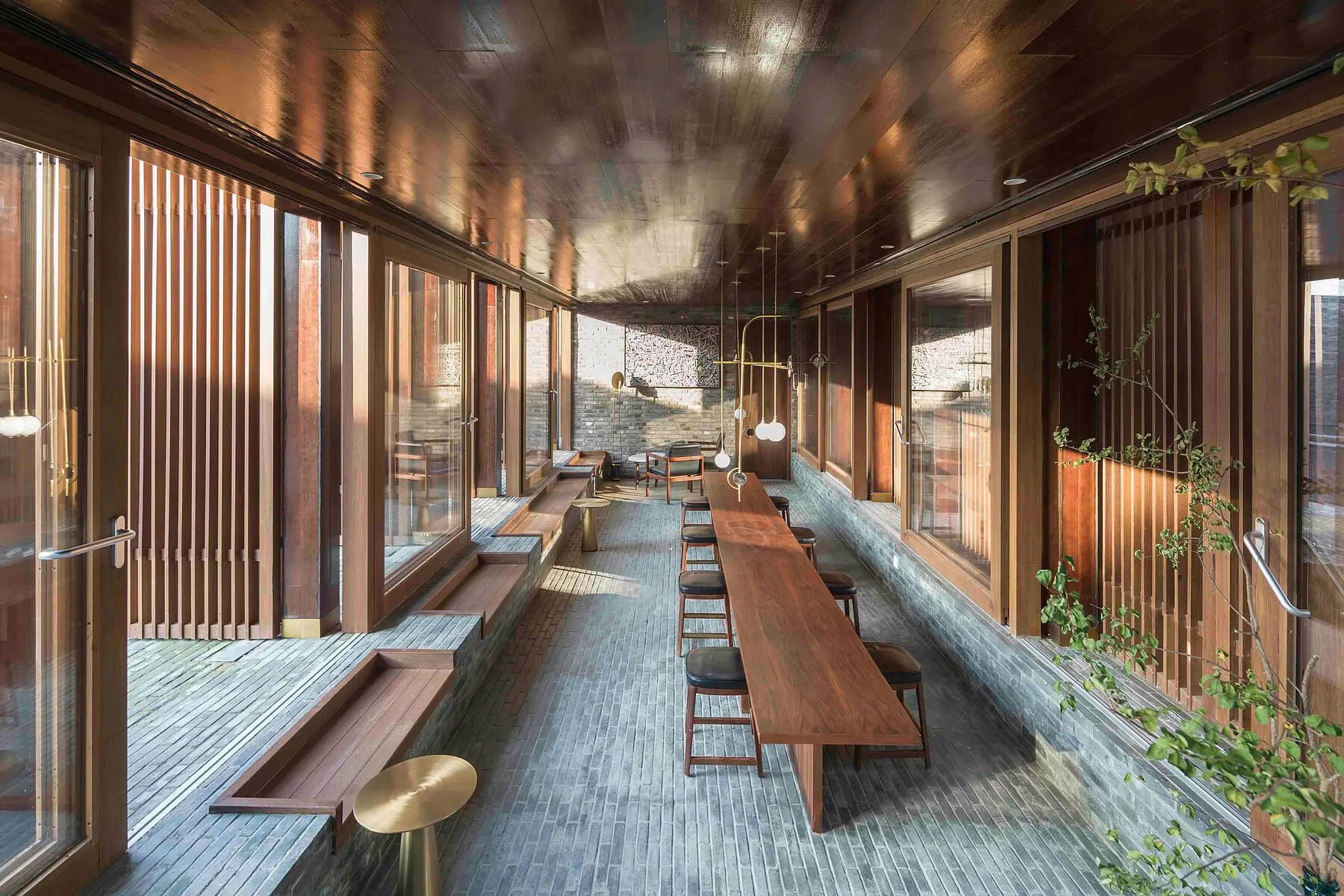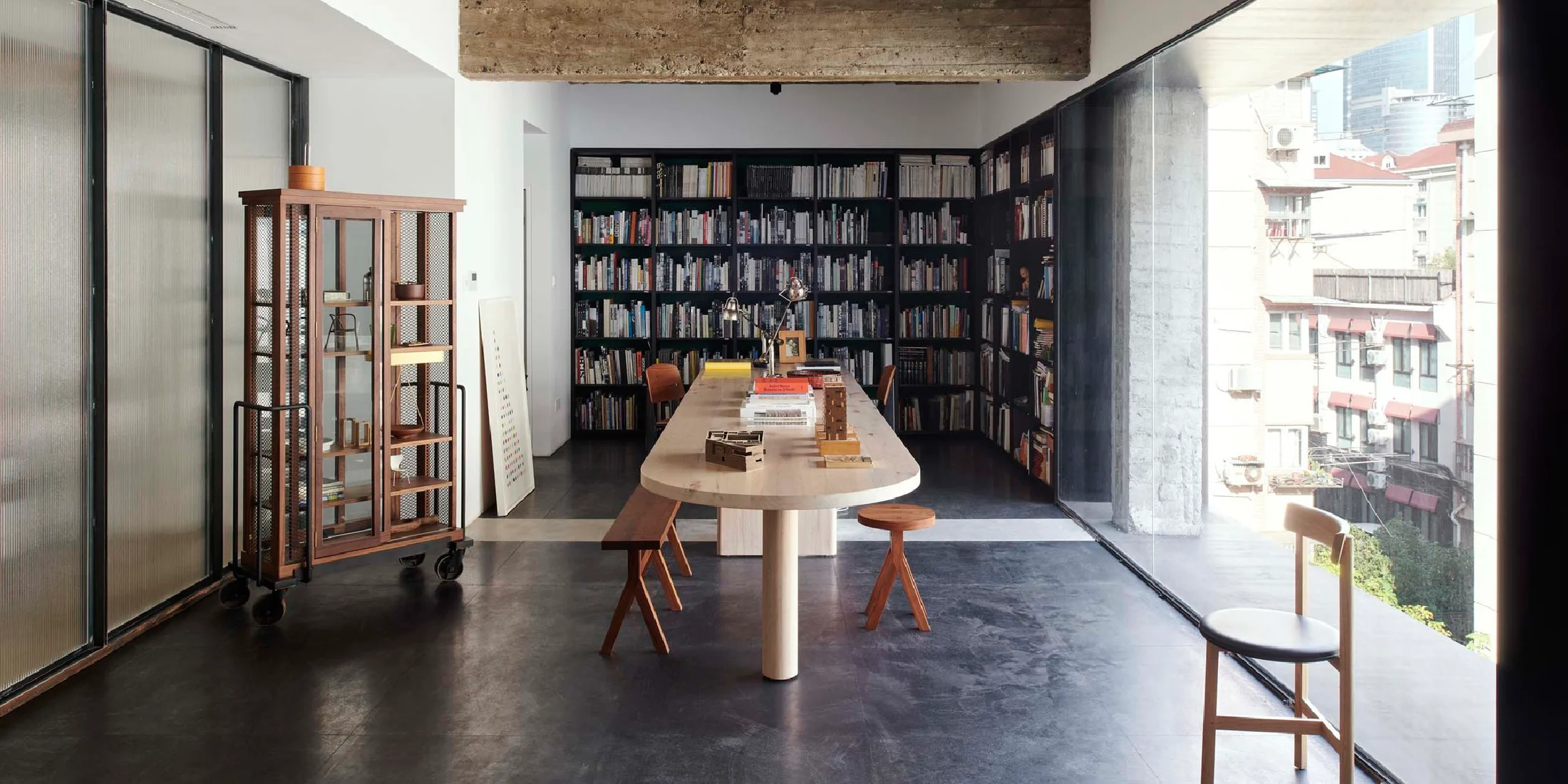
In the global design conversation, few studios have shaped contemporary interiors with the precision and cultural depth of Neri&Hu Design and Research Office. The Shanghai practice has become a defining voice in luxury hospitality, residential interiors, furniture design, and architectural storytelling. Today, the growing influence of European Neri&Hu collaborations reveals how the studio bridges Eastern philosophy with Western craftsmanship to create a new language for contemporary interiors.
For interior designers, architects, and luxury furniture brands, the work of Neri&Hu offers more than aesthetic inspiration. Their projects demonstrate how materiality, spatial rhythm, and handcrafted details can shape emotional experiences inside modern environments. Through collaborations with prestigious European manufacturers and international design houses, the studio continues to redefine what contemporary craft means in high end interior design.
The Rise of European Neri&Hu Collaborations
Although Neri&Hu originated in Shanghai, their impact has expanded deeply across Europe’s luxury design sector. The studio collaborates with renowned furniture brands, lighting manufacturers, and material specialists throughout Italy, Spain, Denmark, and other design capitals.
These partnerships have positioned European Neri&Hu as a powerful design identity that merges artisanal tradition with architectural experimentation. Instead of treating craftsmanship as decoration, the studio integrates craft directly into spatial composition. Wood joinery, bronze detailing, textured stone, woven surfaces, and sculptural lighting become structural components of the interior narrative.
This approach resonates strongly with European luxury brands that value heritage production methods while seeking contemporary relevance. Neri&Hu’s collaborations often preserve the authenticity of traditional making techniques while introducing minimalist geometry and spatial restraint.
The result feels neither purely Asian nor conventionally European. Instead, it creates a refined international design language grounded in cultural dialogue.
Craft as Spatial Storytelling
One of the defining characteristics of Neri&Hu interiors is their ability to transform craftsmanship into storytelling. Every material transition, custom furniture piece, and architectural junction contributes to a larger emotional narrative.
In hospitality interiors especially, the studio avoids overly polished luxury aesthetics. Instead, they favor layered textures, shadow play, tactile surfaces, and controlled visual tension. Handcrafted details create intimacy and atmosphere without overwhelming the architecture.
This philosophy distinguishes European Neri&Hu projects from many contemporary luxury interiors that prioritize visual spectacle over spatial depth. Neri&Hu interiors often feel calm, cinematic, and intellectually composed. Their spaces invite movement and discovery.
The studio’s work demonstrates that contemporary craft does not require excessive ornamentation. Precision, restraint, and authenticity can generate stronger emotional resonance than decorative excess.
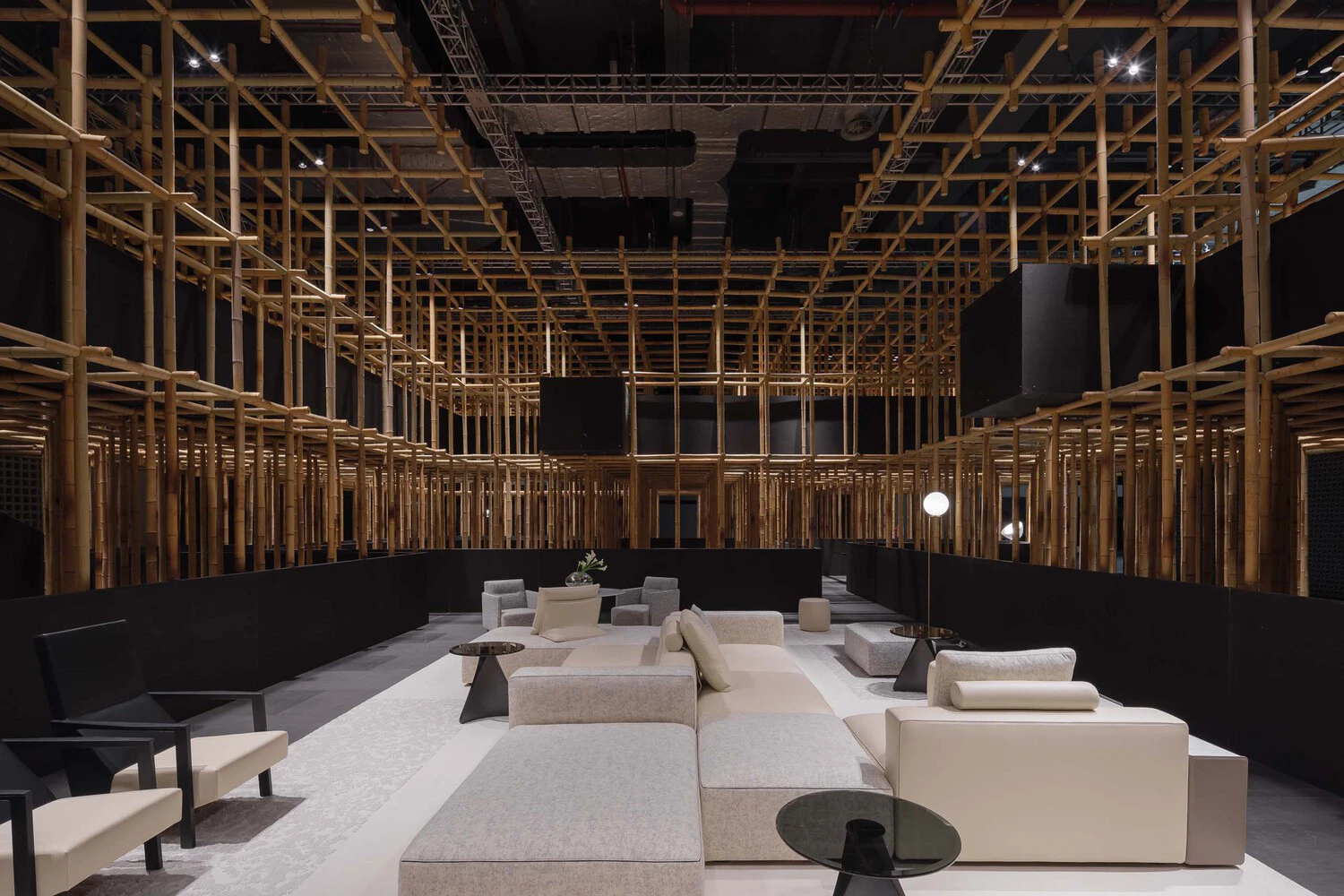
Material Intelligence in Contemporary Interiors
Material selection remains central to the Neri&Hu design process. Their interiors frequently combine natural materials with industrial finishes to create balance between warmth and rigor.
Darkened oak, oxidized metals, handmade ceramics, textured plaster, linen, leather, and smoked glass appear repeatedly across their projects. However, the power of these materials comes from composition rather than rarity alone.
European Neri&Hu collaborations often showcase exceptional attention to tactile contrast. Matte and reflective surfaces interact carefully with natural light. Heavy stone elements sit beside delicate metal frames. Traditional craftsmanship meets architectural precision.
For luxury design studios and furniture manufacturers, this approach highlights a growing industry shift. Clients increasingly seek interiors that communicate authenticity and permanence instead of trend driven styling.
Neri&Hu responds to this demand by emphasizing timeless materials and enduring construction methods. Their work feels contemporary without becoming disposable.