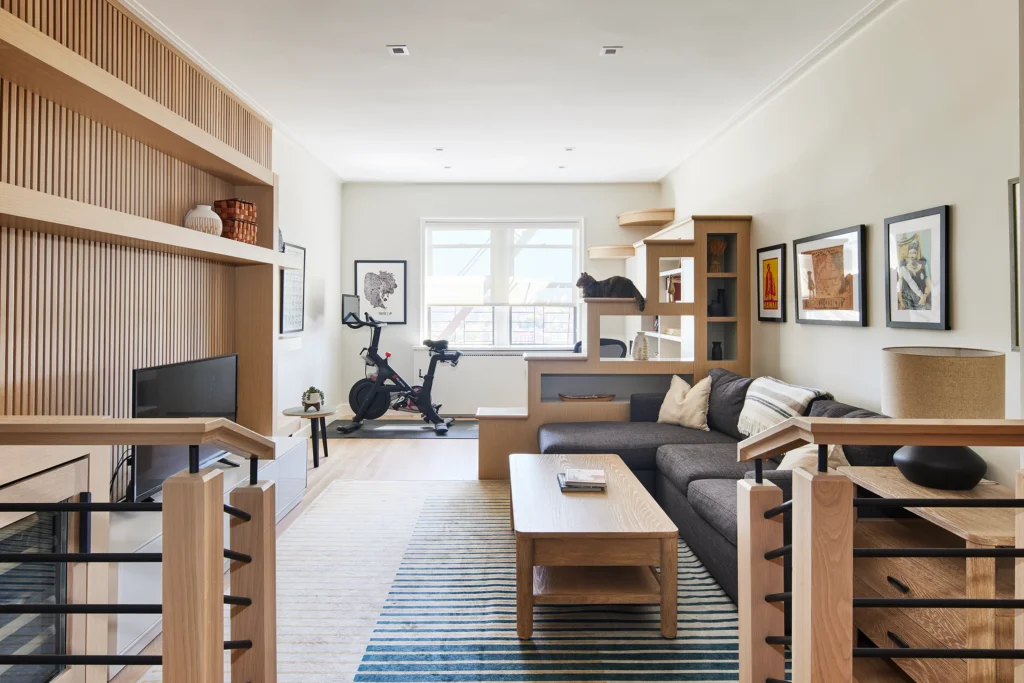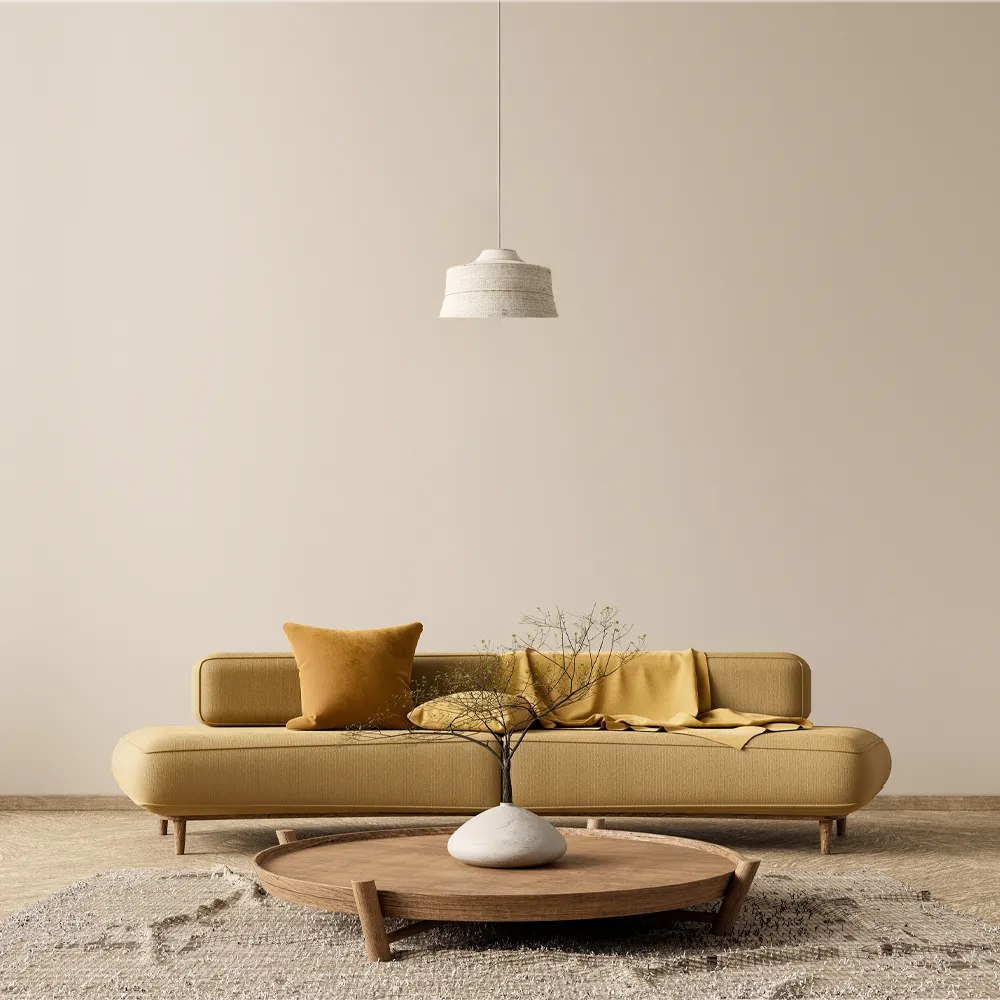
Few design movements of the 21st century have resonated as deeply or elegantly as the convergence of Nordic minimalism and Japanese interiors. This powerful synergy, internationally recognized as Japandi design, represents not just a passing trend but a refined ethos, one which is redefining curated spaces in luxury residences, boutique hotels, and distinguished architectural projects across the globe. Fusing the best of Scandinavian clarity with Japan’s time-honored reverence for craftsmanship and tranquility, Japandi design enthralls design aficionados, architects, and high-net-worth individuals seeking environments that balance calmness with cultural sophistication.
What is Japandi Design?
Japandi design encapsulates the aesthetic and philosophical harmony between Nordic minimalism, rooted in simplicity, function, and organic forms, and the layered heritage of Japanese interiors, known for their artisanal finesse, natural materials, and an intrinsic sense of balance. This fusion creates spatial narratives that are serene yet warm, minimal yet evocative, and invariably elegant. Japan’s concept of ‘wabi-sabi’ (the beauty of imperfection) pairs with the Scandinavian notion of ‘hygge’ (comfort and coziness) to deliver an atmosphere of refined tranquility.
Origins: A Meeting of Heritage and Modernity
Scandinavian Minimalism: The Nordic Ethos
Emerging from the early 20th-century modernist movement, Nordic minimalism is characterized by stripped-back forms, a muted palette, and an unyielding focus on functionality. Pioneered in countries such as Denmark, Sweden, and Norway, Nordic interiors foreground tactile quality, think pale woods, natural fibers, and soft daylight. The underlying philosophy is democratic, the creation of beautiful yet practical objects and spaces accessible to all, with a focus on wellbeing and human-centered design.
Japanese Interiors: Timeless Craft and Tranquility
In contrast, traditional Japanese interiors draw on centuries-old principles of Zen, impermanence, and seamless integration with the natural world. Here, the architectural lexicon is defined by sliding shoji screens, tatami mat flooring, and precise joinery. Materials include warm woods, rice paper, and stone, while negative space (‘ma’) is expertly employed, lending interiors a sense of reverence and meditative stillness.
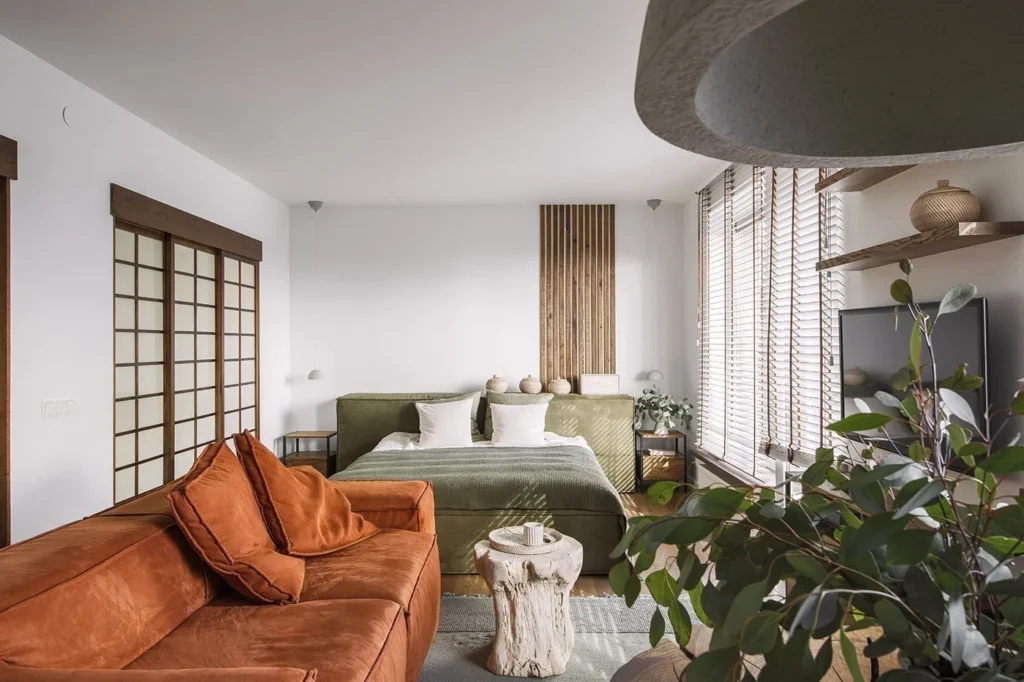
Why Japandi Design Is Resonating Worldwide
The growing preoccupation with sustainability, wellness, and meaningful experiences is reshaping how international elites and design professionals approach habitation. Japandi design embodies an antidote to visual noise, offering a paradigm in which each object, material, and gesture is quietly considered.
- Effortless Elegance: Spaces prioritizing uncluttered lines, authenticity, and underplayed luxury.
- Sustainability: The use of responsibly sourced timber, natural fabrics, and artisanal techniques reflects our age’s environmental consciousness.
- Wellness-centric Environments: Interiors crafted to evoke tranquility, lowering stress and supporting mindful living, resonate profoundly amid urban intensity.
Across international cities, from New York’s penthouses to Copenhagen’s lakefront dwellings and Tokyo’s boutique retreats, Japandi design is emerging as the signature of those who value artistry, heritage, and purposeful minimalism.
Key Characteristics of Japandi Design
1. Muted, Earthy Palettes
Muted hues, stone greys, sandy taupes, soft charcoals, and washed blues, anchor Japandi design. The color story is derived from the Nordic landscape and Japanese seasons, a blend of cool restraint and organic warmth, eschewing ornament for subtlety.
2. Honest, Natural Materials
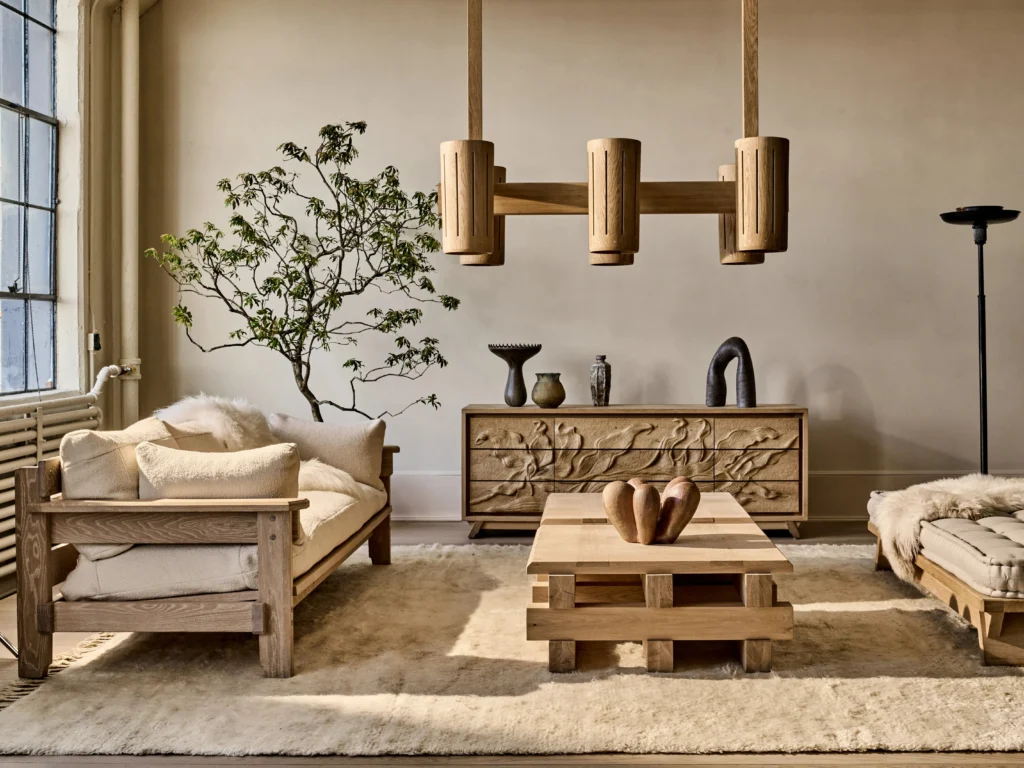
Expect high-quality, natural woods (ash, oak, cedar), linen, clay, washi paper, and glazes. Minimal processed finishes honor tactile authenticity, while mixed textures, matte ceramics beside smooth timber, create visual interest without clutter.
3. Functional Simplicity
Both Nordic minimalism and Japanese interiors worship at the altar of functionality. Every piece of furniture or accessory in Japandi design is deliberate: multitasking, often modular, and devoid of the superfluous.
4. Layered Light and Shadow
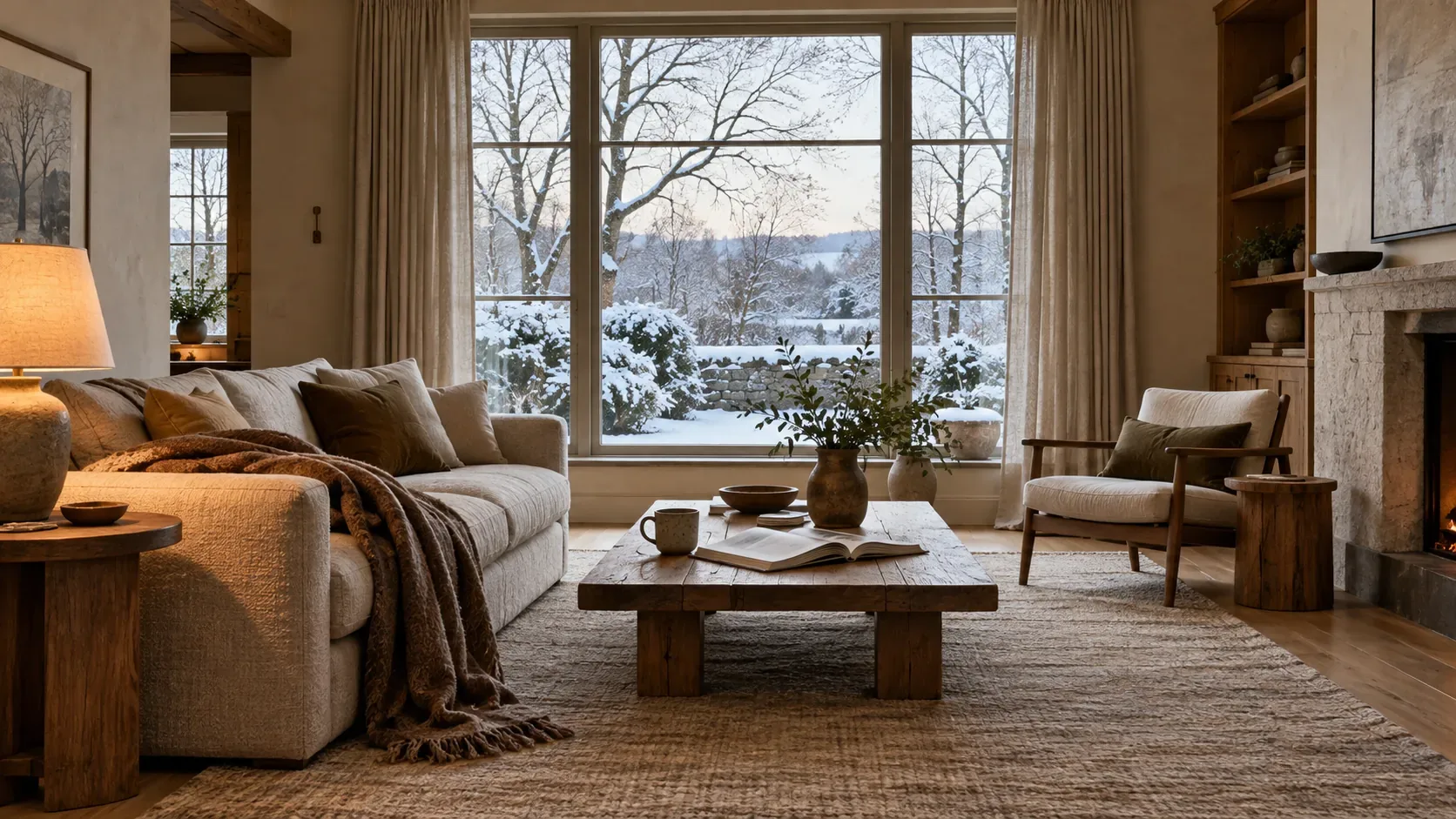
Natural light is emphasized, filtered through linen or rice paper to create diffused, calming atmospheres. Artificial lighting is soft and carefully positioned, recalling the poetic interplay of shadow in Japanese ‘washitsu’ and the pale northern daylight cherished in Scandinavian homes.
5. Artisanal Craftsmanship
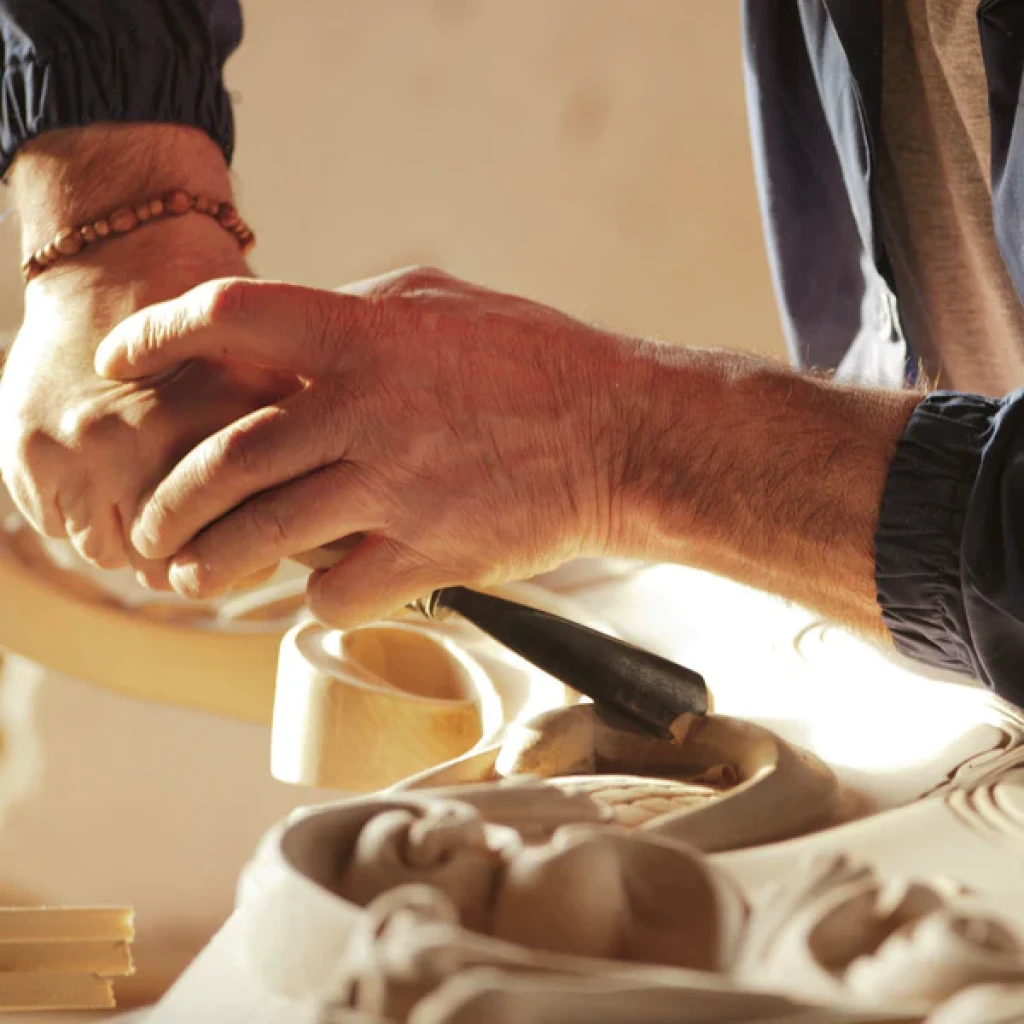
Handmade objects, ceramic vessels, joinery, textiles, carry the quiet prestige of authenticity. Detail is subtle, but never overlooked; a single handcrafted chair or a kintsugi-glazed plate can become the interior’s quiet focal point.
- Low-profile furniture, A nod to Japanese tatami culture and Scandinavian low sofas
- Open-plan layouts, Emphasize flow and sightlines, uniting living, dining, and relaxation zones
- Biophilic elements, Indoor plants, bonsai, and minimal ikebana arrangements merge with Scandinavian greenery traditions