In today’s luxury design landscape, few studios shape the dialogue between heritage craftsmanship and contemporary aesthetics as effectively as Roman and Williams. Known for richly layered interiors, refined materials, and exceptional attention to detail, the New York–based firm has become a global reference point for designers, architects, and luxury brands.
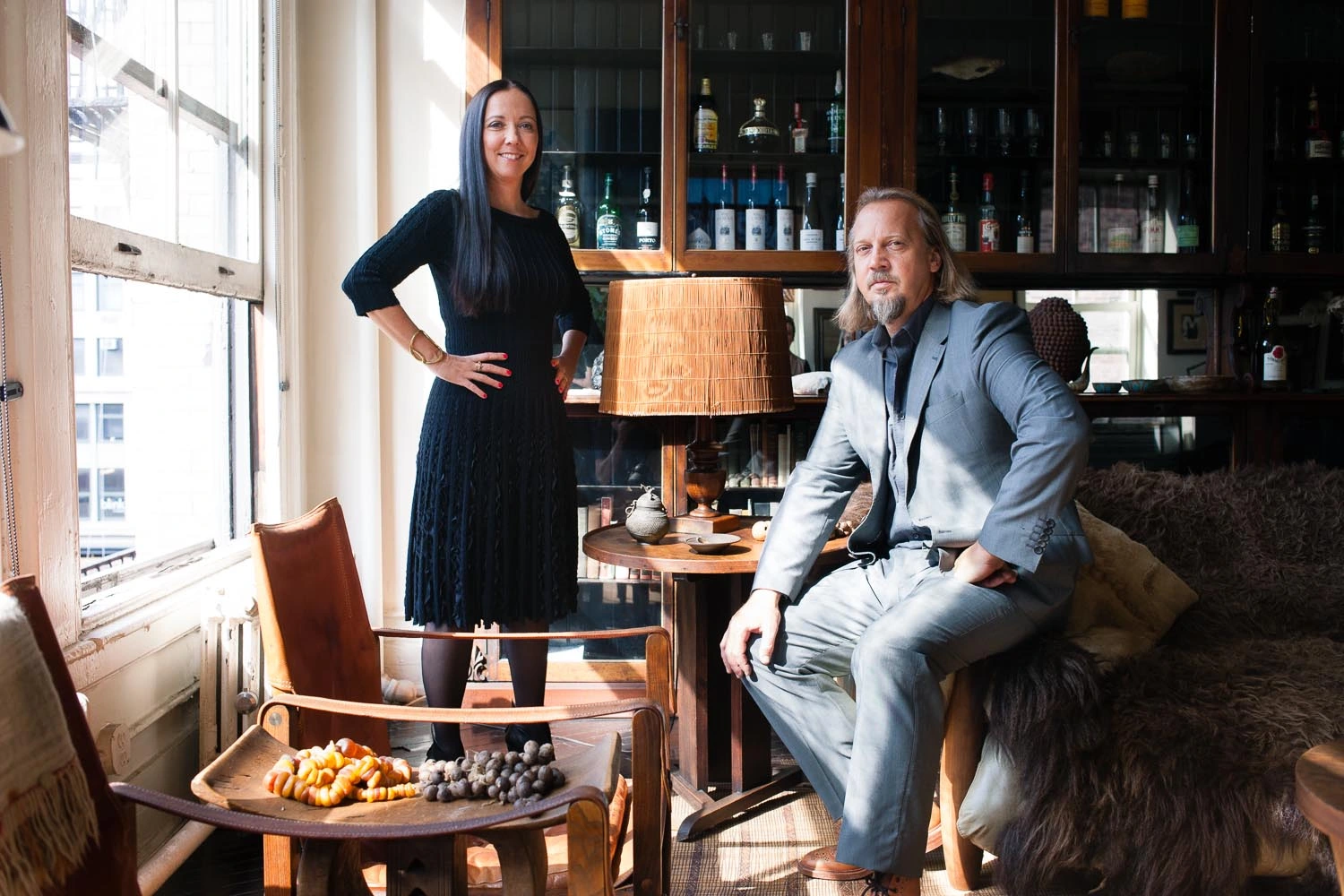
Founded by Robin Standefer and Stephen Alesch, the studio has built a reputation for creating environments that feel both timeless and deeply personal. Their work blends architecture, interior design, furniture design, and custom craftsmanship—resulting in spaces that transcend fleeting design trends.
For professionals in high-end interior and architectural design, Roman and Williams offers a compelling model of how storytelling, material integrity, and artisanal production can redefine modern luxury.
The Founders Behind Roman and Williams
Before establishing it in 2002, Robin Standefer and Stephen Alesch worked as production designers in the film industry. Their experience in cinematic storytelling strongly influenced their design philosophy.
Film production requires the creation of immersive environments that feel authentic and emotionally engaging. Standefer and Alesch carried that approach into architecture and interiors, designing spaces that evoke narrative, atmosphere, and cultural depth.
Today, their studio operates from New York City, where they lead projects ranging from luxury residences to boutique hotels and product design collaborations.
A Design Philosophy Rooted in Craft
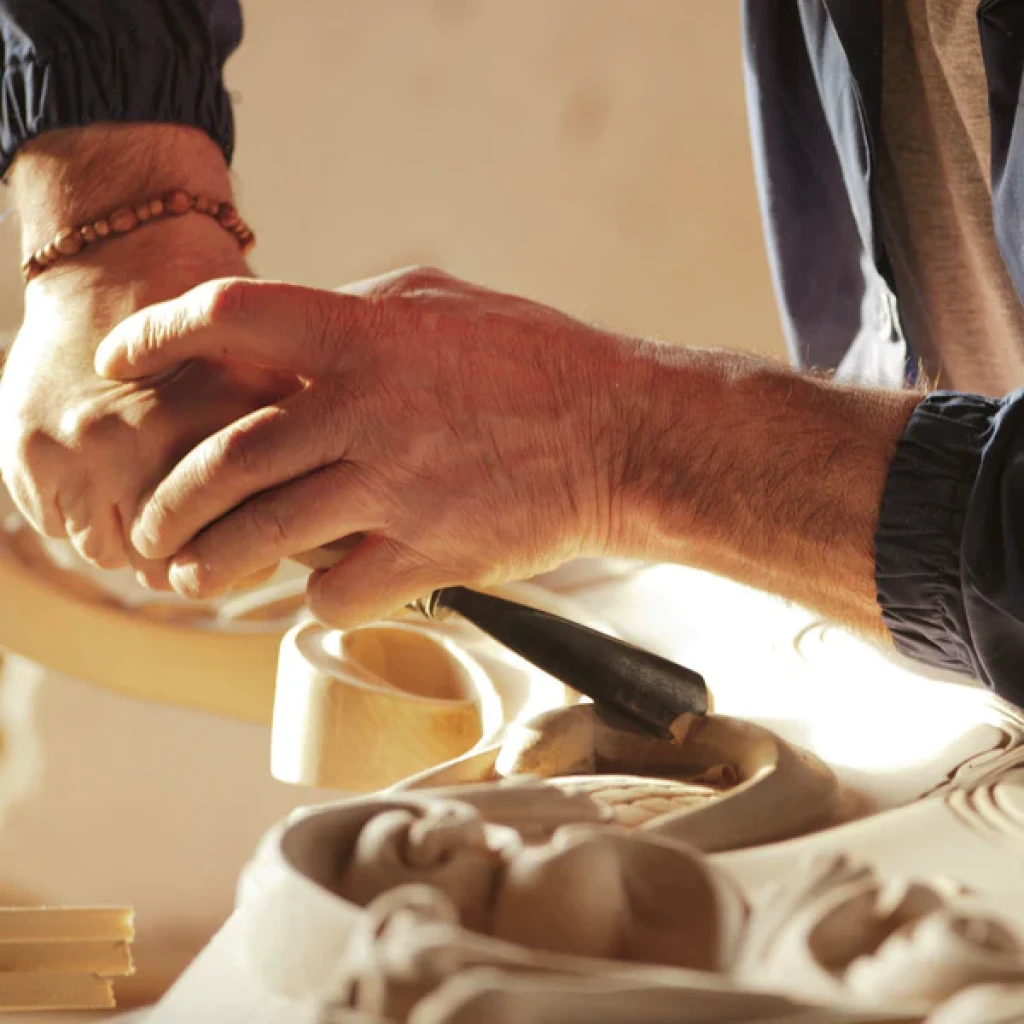
Roman and Williams approaches design through a lens of craftsmanship and historical awareness. Instead of relying on purely contemporary forms, the studio studies traditional building techniques, historical furniture typologies, and artisanal material processes.
This philosophy centers on three core principles:
Material Authenticity
The studio prioritizes honest materials—solid wood, natural stone, hand-finished metals, and artisanal textiles. Designers avoid overly synthetic surfaces and instead highlight the natural character of each material.
Human-Centered Design
The studio focuses on spaces that feel lived-in and comfortable. Their interiors encourage tactile interaction, from the patina of aged brass hardware to the softness of handwoven upholstery.
Narrative Spaces
Each project reflects a narrative rooted in location, culture, and architectural context. Rather than imposing a signature style, the studio develops a distinct identity for every project.
Signature Projects That Defined the Studio
Over the past two decades, Roman and Williams has completed numerous influential projects across hospitality, residential, and retail sectors.
Ace Hotel New York
One of their early landmark projects was the design of the Ace Hotel New York. The project helped redefine boutique hospitality design by blending vintage furniture, industrial elements, and warm textures.
The design introduced a relaxed, creative atmosphere that quickly influenced hotel interiors worldwide.
The Standard, High Line
Another iconic project includes the The Standard, High Line, where Roman and Williams developed interiors that balanced modern architecture with retro glamour.
The design integrates bold colors, custom furniture, and dramatic lighting, reinforcing the firm’s talent for creating experiential environments.
La Mercerie Restaurant
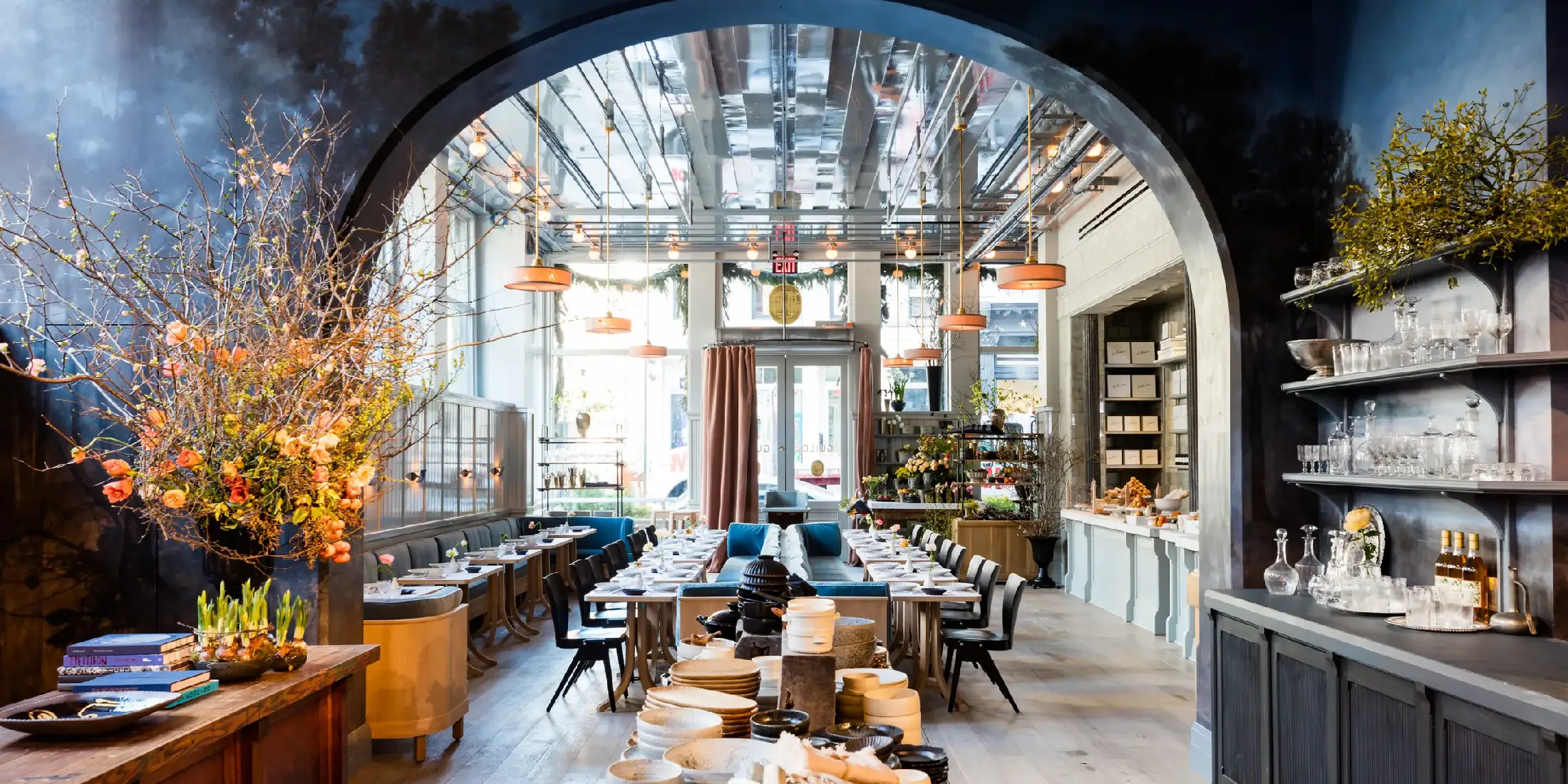
The studio’s commitment to craft reached a new level with La Mercerie, a restaurant and design destination located within the Roman and Williams Guild.
The space combines culinary experience with handcrafted furniture, lighting, ceramics, and textiles—many designed by the studio itself.