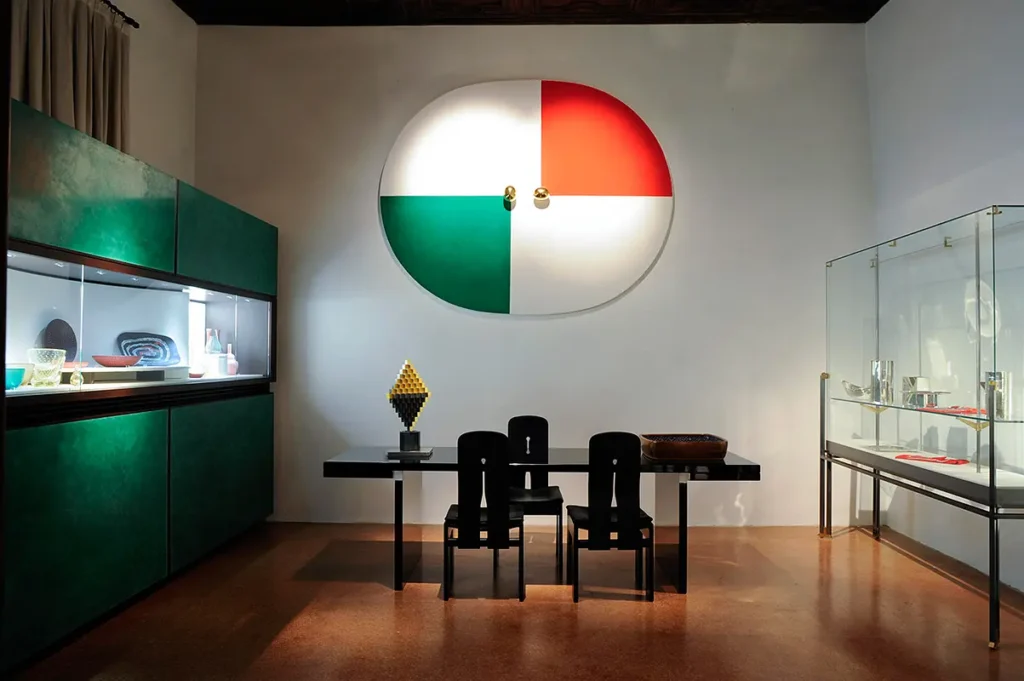
In the rarefied realm of Italian modernism, the name Carlo Scarpa resonates as both an icon and an enigma. His exquisitely detailed approach, poetic materiality, and profound respect for context have left an indelible mark on twentieth-century architecture. Yet, beyond the storied museums, villas, and palazzos of Italy, the architectural legacy of Carlo Scarpa now manifests in the refined spaces and homes of a discerning, design-conscious global elite. As we examine Scarpa’s influence on modern residential architecture, we discover a language of form, light, and craftsmanship that continues to define the art of sophisticated home living.
Who Was Carlo Scarpa? An Architect’s Architect
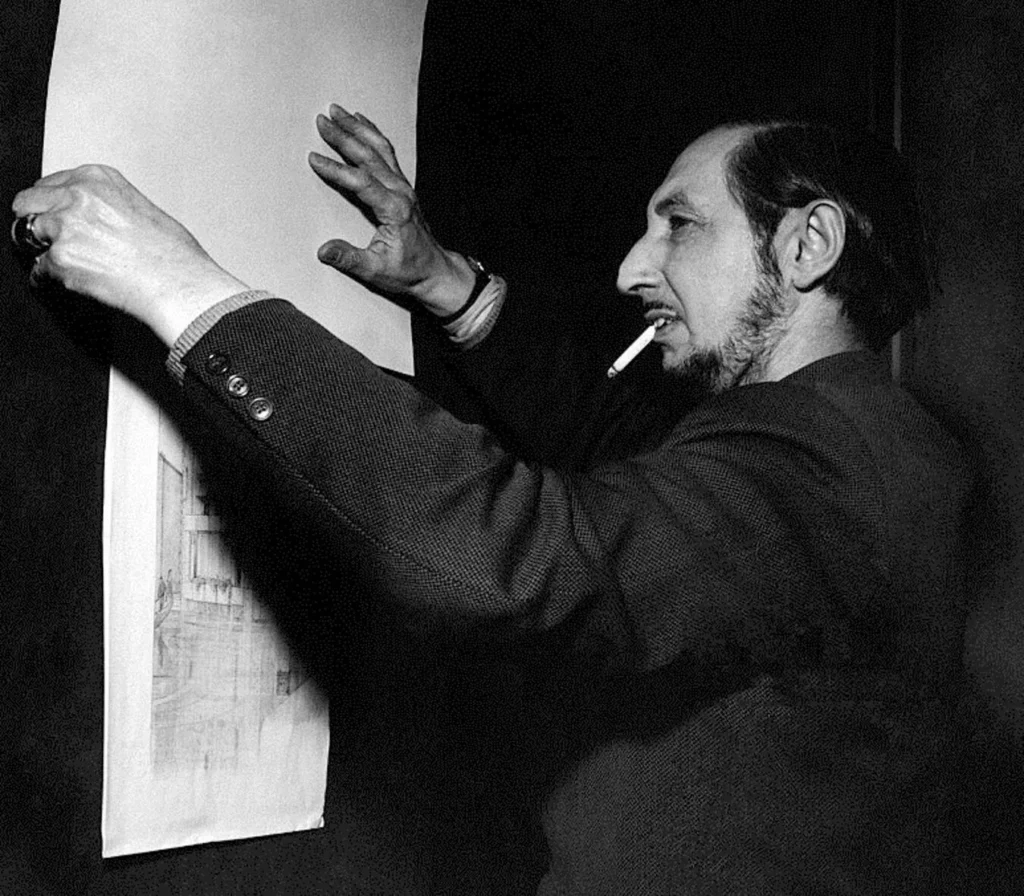
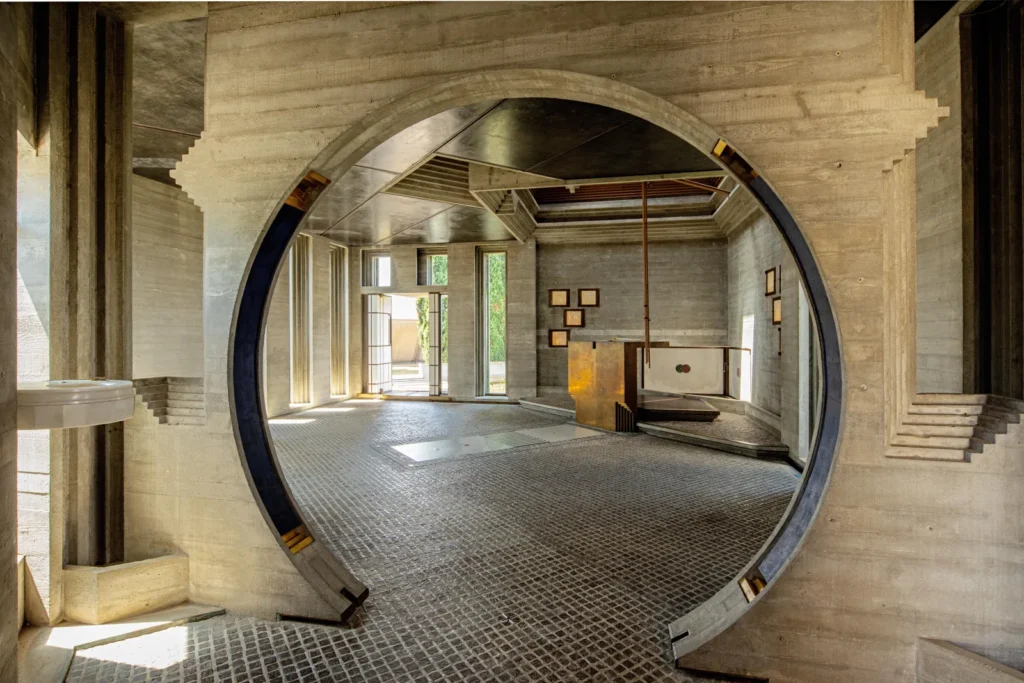
Carlo Scarpa (1906-1978) stands as a seminal figure in the evolution of Italian modernism. Educated at the Accademia di Belle Arti in Venice, Scarpa never received an official architecture degree, yet his impact surpasses many of his academically licensed peers. His oeuvre includes transformative works such as the Brion Cemetery and Museo di Castelvecchio, where the dialogue between ancient and contemporary, tactile and refined, is orchestrated with rigor and poetry. Scarpa’s architectural fingerprint is found in the union of exquisite materials, detail-driven construction, and an almost mystical sense of spatial choreography.
The Pillars of Scarpa’s Architectural Philosophy
- Material Sensuality: Scarpa’s work is characterized by a masterful selection and juxtaposition of materials—travertine, glass, wood, brass—each rendered with artisanal care.
- Layered Histories: Rather than erasing the past, Scarpa embraced and elevated it, forging new dialogues between architectural epochs.
- Craftsmanship as Identity: For Scarpa, the hand of the craftsman imbued each space with uniqueness. Joints, frames, and hardware became sites of creative revelation.
Carlo Scarpa and Italian Modernism: A Dialogue Recast in Modern Homes
To understand how the architectural legacy of Carlo Scarpa animates today’s modern homes, one must first appreciate his unique approach within the broader narrative of Italian modernism. While contemporaries like Gio Ponti or Franco Albini may have championed sleekness and rationalism, Scarpa introduced a sensuous rigor—a modernism that is less about cold abstraction and more about the poetic assembly of space, light, and time.
The Timeless Appeal of Scarpa’s Aesthetic
Why does Carlo Scarpa’s vision remain magnetic for twenty-first-century architects and high-net-worth homeowners alike? The answer lies in his commitment to craft, authenticity, and enduring beauty. In an era increasingly dominated by superficial trends and digital fabrication, Scarpa represents a return to slow design—spaces that reward contemplation, touch, and a deep engagement with history.
Key Traits of Scarpa-Inspired Modern Residential Architecture
- Expressive Thresholds: From floating staircases to layered entryways, transition zones are heightened to moments of arrival and anticipation.
- Seamless Integration of Light and Water: Scarpa’s homes and gardens demonstrate an almost spiritual incorporation of Venice’s watery luminosity, reinterpreted today through reflective pools, skylights, and layered fenestration.
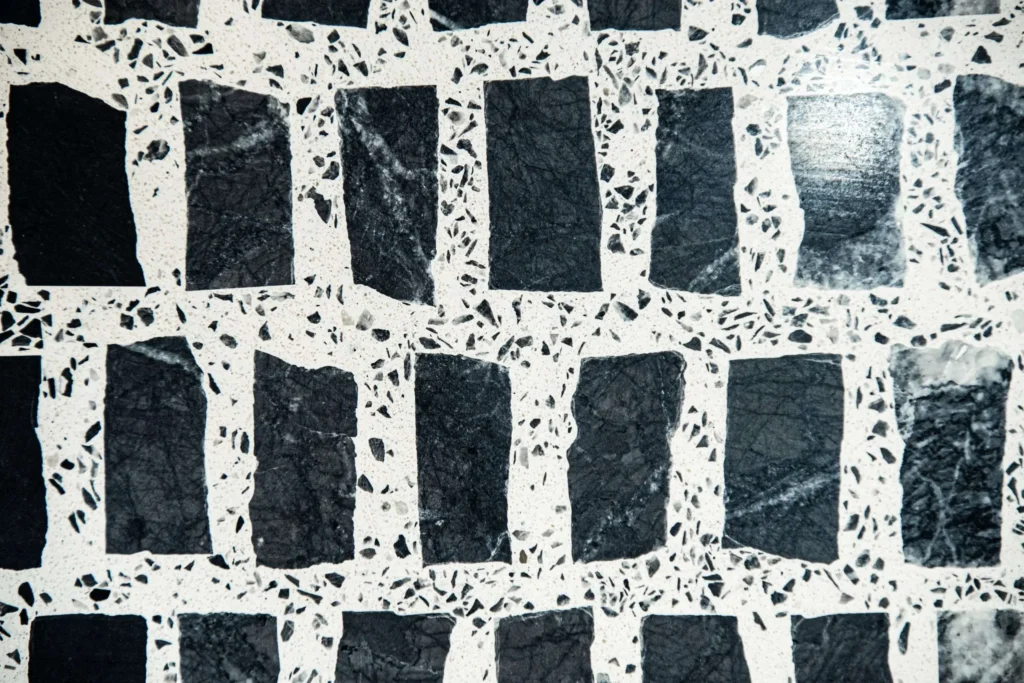
- Crafted Materiality: Scarpa’s palette of terrazzo, stone, steel, and meticulously oiled wood surfaces is increasingly echoed in luxury modern interiors, attuned to both Italian tradition and contemporary minimalism.
- Orchestrated Views and Vistas: Controlled sightlines, framed perspectives, and judicious screening offer a choreography of privacy and openness.
Signature Elements of Scarpa’s Approach in Contemporary Homes
1. The Celebrated Joint
Perhaps no detail is more evocative of Carlo Scarpa’s influence than the bespoke joint. Whether it is a floating step, an intricate brass hinge, or a delicate reveal, these tactile encounters provide both a visual delight and a sense of quiet luxury. In recent residential projects, globally renowned designers are commissioning custom millwork, hardware, and even handmade mosaic tiles, explicitly referencing Scarpa’s veneration of the artisan’s touch.
2. Spatial Poetics: Light, Shadow, and Water
Scarpa’s Venetian sensibility—manifest in the interplay of light on stone, water reflecting interiors, and softly illuminated corridors—has emerged as a paradigm of atmosphere in modern homes. Pools within courtyards, carefully placed oculi, and softened daylight filtering through layered glass echo Scarpa’s enduring lesson: architecture is as much about feeling as it is about form.
3. The Threshold Reimagined
Entryways, steps, and passageways received Scarpa’s meticulous attention, transforming everyday moments into rituals. Homeowners today seek similar experiences: hidden doors, floating landings, reveals between material transitions, all creating a journey through space rather than a mere traversal.