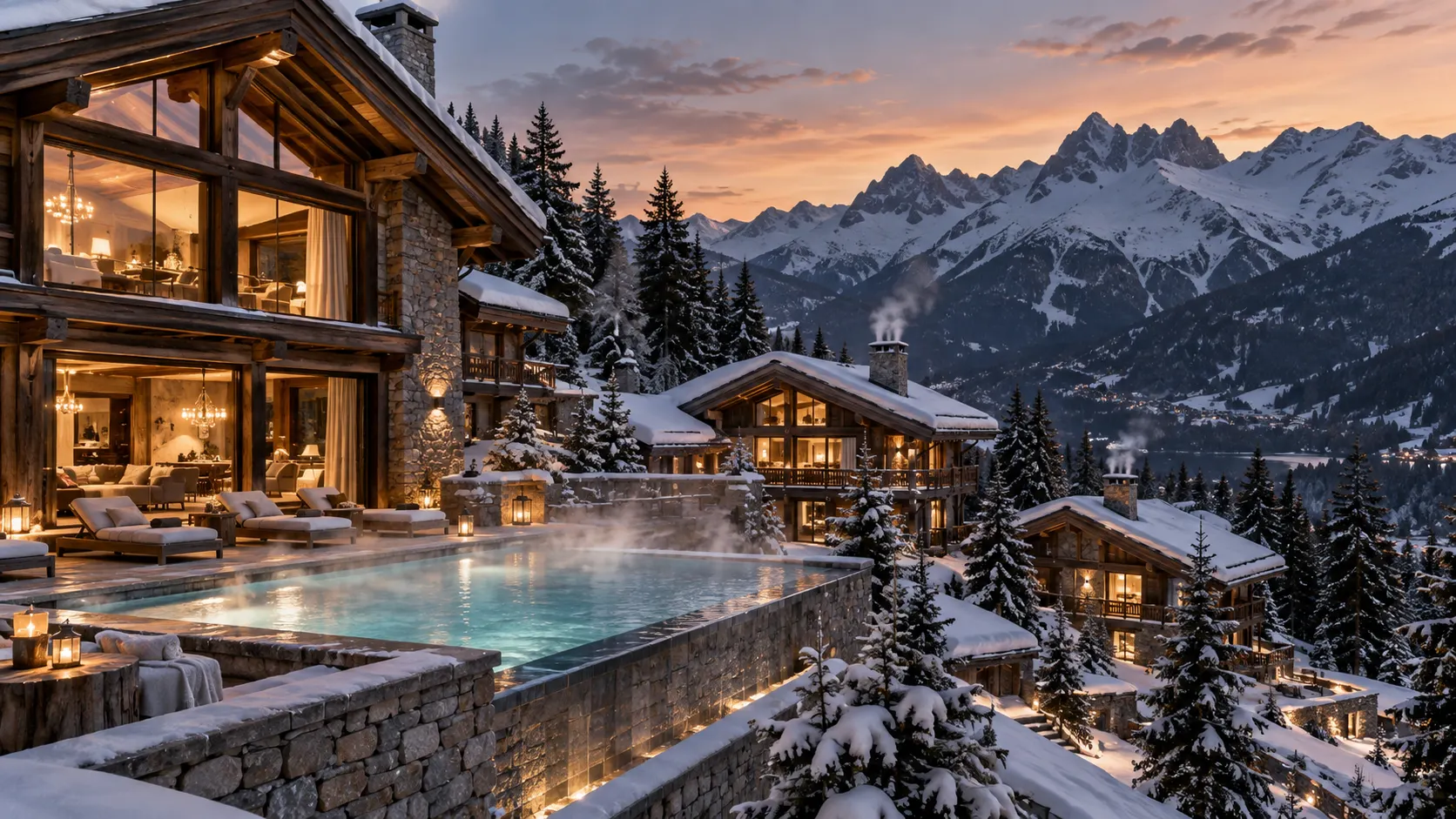
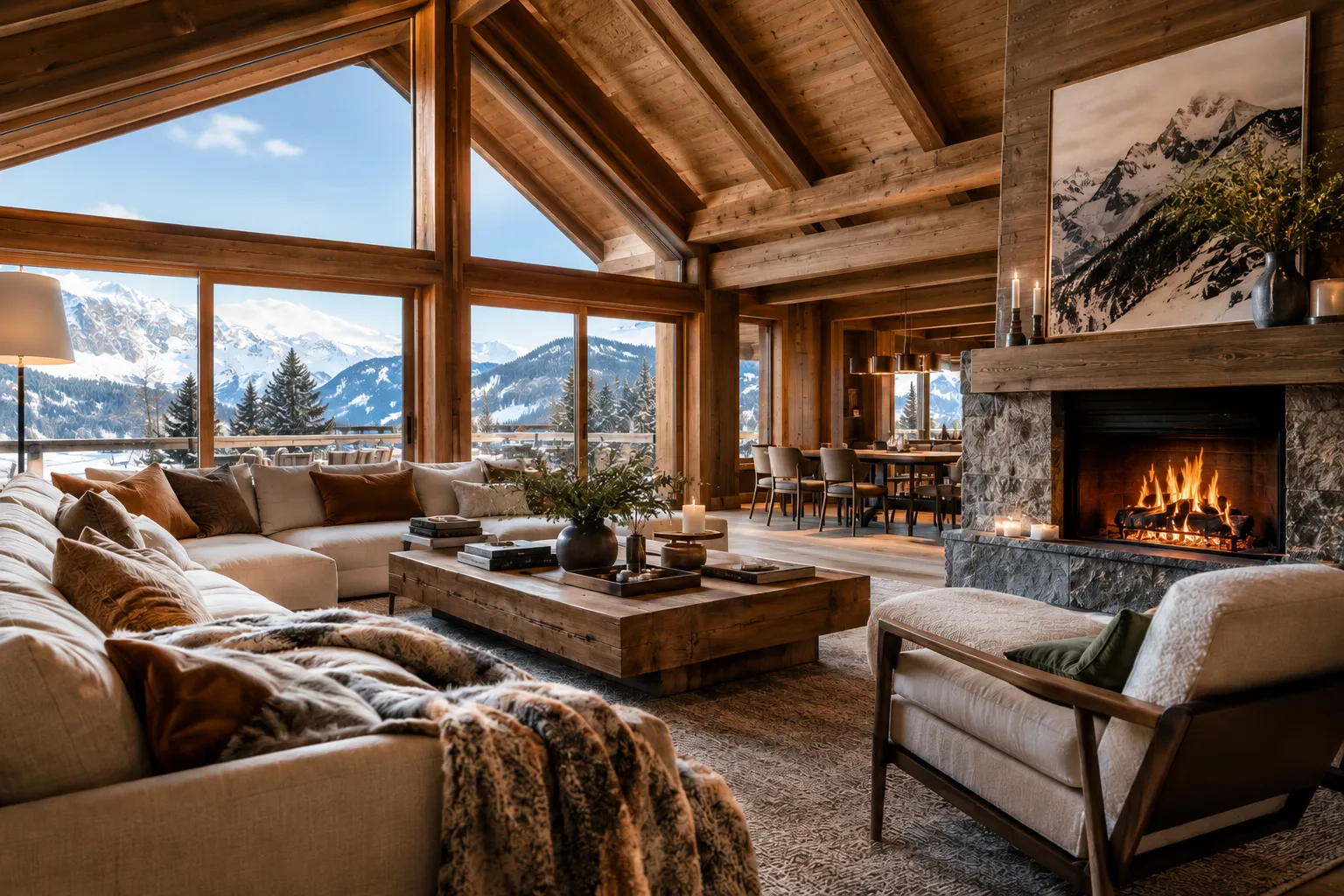
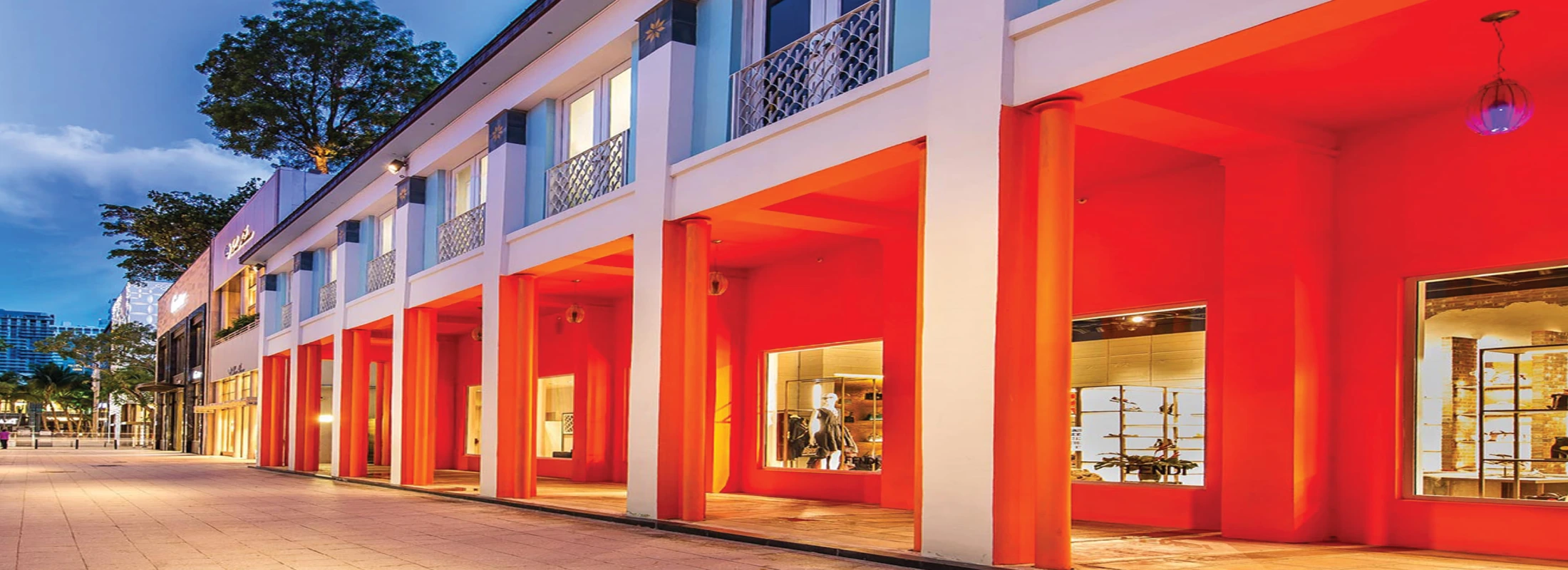
In the rarefied world of global hospitality, the most celebrated hotels are not simply structural marvels, they are immersive sanctuaries where architecture orchestrates unforgettable emotional experiences. Today, luxury hotel design transcends function or opulence; it invites guests on evocative journeys through inspired forms, sensual materials, curated atmospheres, and a rigorously considered sense of place. The deliberate alchemy of hospitality architecture and experiential interiors shapes first impressions, fuels memory, and, increasingly, defines the competitive edge among discerning travelers and design connoisseurs. In this article, we explore how the architecture of hospitality is evolving across continents to offer bespoke emotional experiences, examining signature strategies, global exemplars, and emerging paradigms that underscore the new art of hotel living.
The Evolution of Hospitality Architecture: From Shelter to Story
The early traditions of hotel architecture were dictated by necessity, shelter, efficiency, and uniformity. However, over the past three decades, as travel became synonymous with identity, aspiration, and experiential enrichment, hospitality design has undergone a radical transformation. Today’s luxury hotels reveal more than taste or extravagance; they become cultural interpreters, reflecting indigenous artistry, environmental stewardship, and the emotional resonance of their locale.
Key milestones in this evolution include:
- Contextualism: Integrating local architecture, materials, and crafts to establish a sense of belonging.
- Sensory Programming: Leveraging light, acoustics, scent, and touch to craft multisensory signatures.
- Personalization and Flexibility: Adapting spatial narratives to guest moods, social compositions, and cultural backgrounds.
The modern language of luxury hotel design is, thus, profoundly narrative, a symphony of spatial storytelling that imbues every arrival, every transition, and every encounter with meaning.
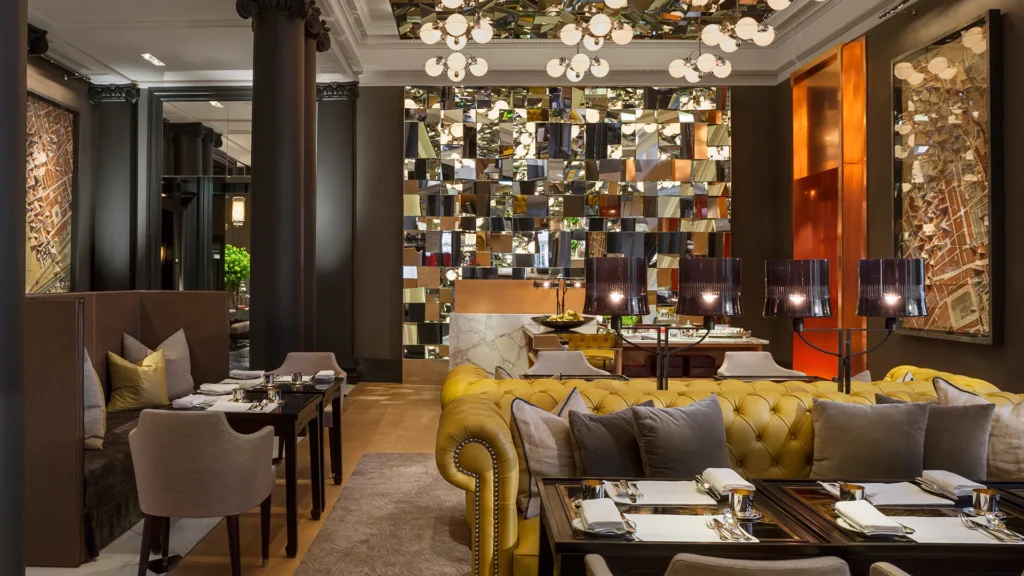
Designing Emotional Experiences: The New Imperative in Luxury Hotel Design
The most lauded hotel destinations around the world, whether nestled in urban metropolises or perched on remote private isles, share one core objective: the deliberate design of emotional resonance. This is achieved not merely through amenities or visual glamour, but through the subtle choreography of architecture and experiential interiors that evoke delight, serenity, wonder, or belonging.
The Architecture of Atmosphere: Elements That Shape Emotion
To achieve this emotional alchemy, leading architects and interior designers deploy a holistic sensibility, orchestrating every spatial touchpoint. The most impactful strategies include:
- Arrival Rituals: Grand lobbies, tranquil gardens, or dramatic portals that transition guests from the outside world into a sanctuary of possibility.
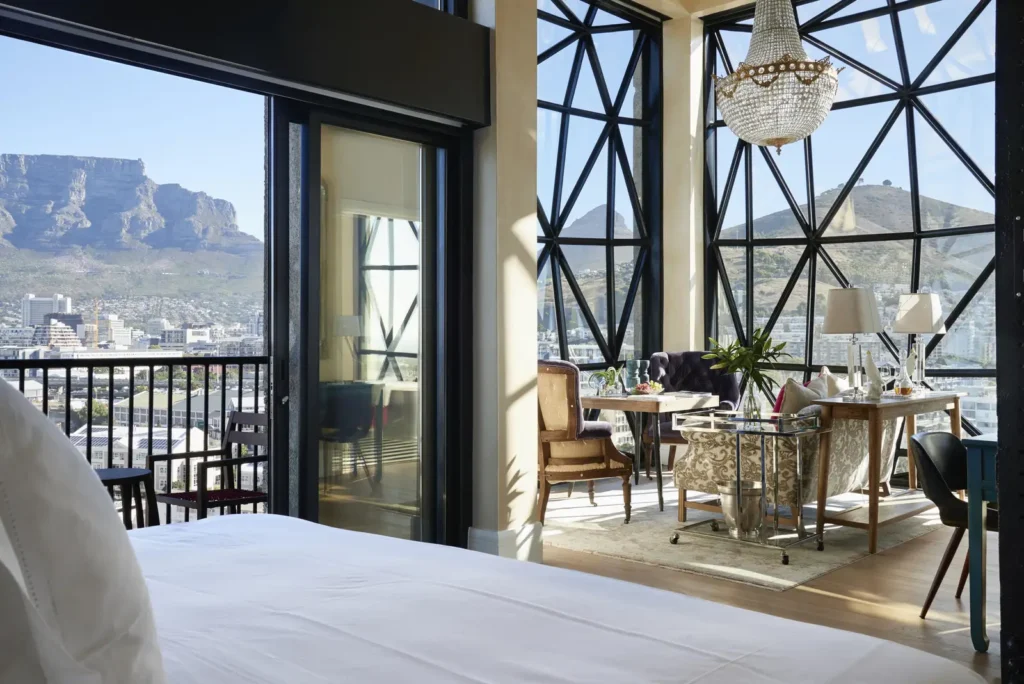
- Spatial Sequencing: Meandering paths, layered vistas, and fluid thresholds that encourage exploration and foster a sense of discovery.
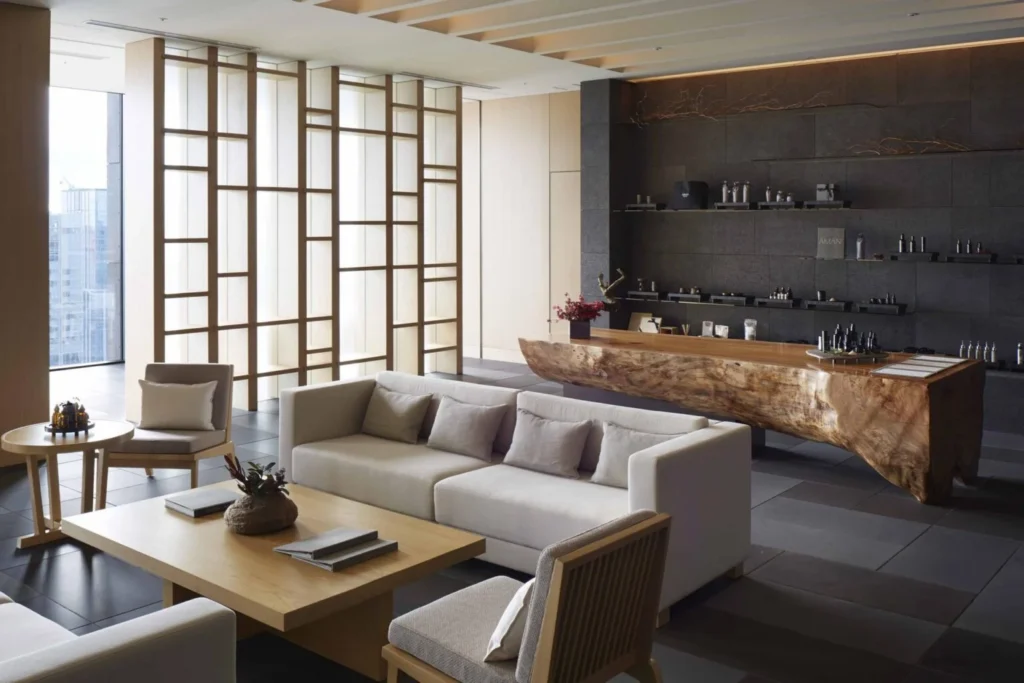
- Materiality and Texture: Bespoke finishes, hand-carved marble, reclaimed timber, indigenous textiles, that evoke both exclusivity and cultural authenticity.
- Light and Shadow: Daylight modulation, luminous installations, and candle-lit interiors create rhythms that uplift or calm, energize or soothe.
- Sustainable Connection: Integrating biophilic principles, living walls, water features, open-air courtyards, to nurture psychological wellbeing and a profound connection to place.
Experiential Interiors: Intimacy at Every Scale
Within guest suites, restaurants, spas, and lounges, experiential interiors come to life through tailored details and sensory cues. The following design principles set the stage for transformative hospitality:
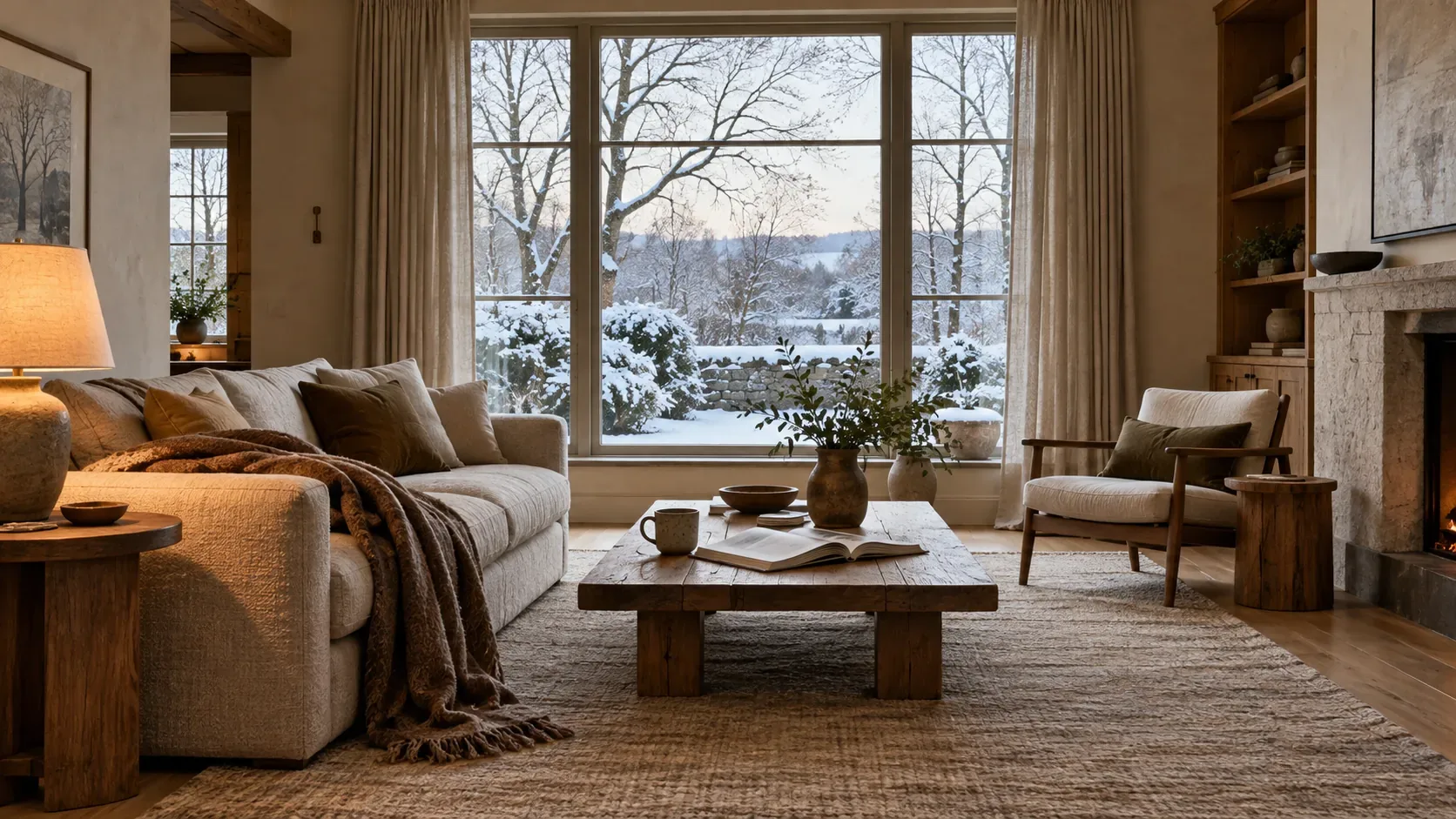
- Residential Warmth: Creating sanctuaries that feel personal, fireplaces, curated libraries, custom art collections, bridging the gap between private retreat and hotel grandeur.
- Layered Living: Offering zones for gathering and solitude, facilitating everything from private contemplation to lively socializing.
- Adaptive Ambience: Employing dynamic lighting and responsive layouts, allowing spaces to morph based on occasion or time of day.
- Material Alchemy: Using tactile contrasts, silks with raw stone, oak against bronze, to spark curiosity and sensory delight.