In the evolving landscape of high-end interiors, few designers have shaped the conversation around craftsmanship and restraint as profoundly as Rose Uniacke. Known for her quietly sophisticated spaces, Uniacke has built a design language that celebrates material integrity, artisanal processes, and timeless composition.
For interior designers, architects, and luxury furniture brands, her work offers a compelling study in how handcrafted elements can define modern luxury. Rather than relying on visual excess, she creates depth through nuance—where every surface, object, and proportion contributes to a cohesive and enduring atmosphere.
Defining the Rose Uniacke Aesthetic
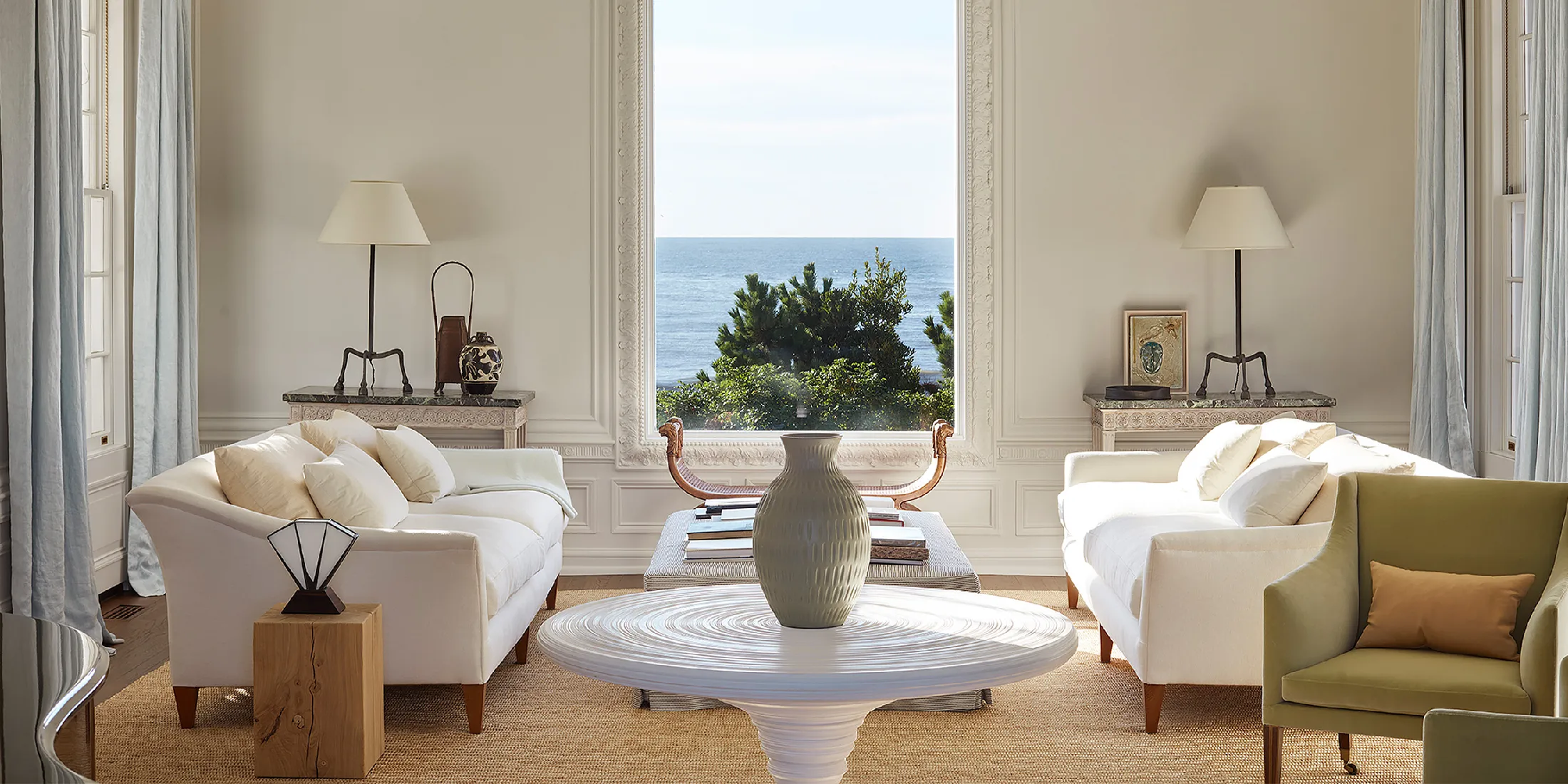
The aesthetic associated with Rose Uniacke resists easy categorization. It blends classical European sensibilities with a modern, pared-back approach. At its core lies a commitment to authenticity—both in materials and in the way spaces are experienced.
Key characteristics include:
- Understated palettes dominated by soft neutrals and tonal variation
- Natural materials such as stone, wood, linen, and plaster
- Handcrafted furniture and finishes that emphasize irregularity and tactility
- Layered simplicity, where minimalism coexists with warmth
- Architectural sensitivity, ensuring interiors respond to the building’s structure
Her work often feels effortless, yet it reflects a meticulous process where each detail undergoes careful consideration.
Craftsmanship as the Foundation of Luxury
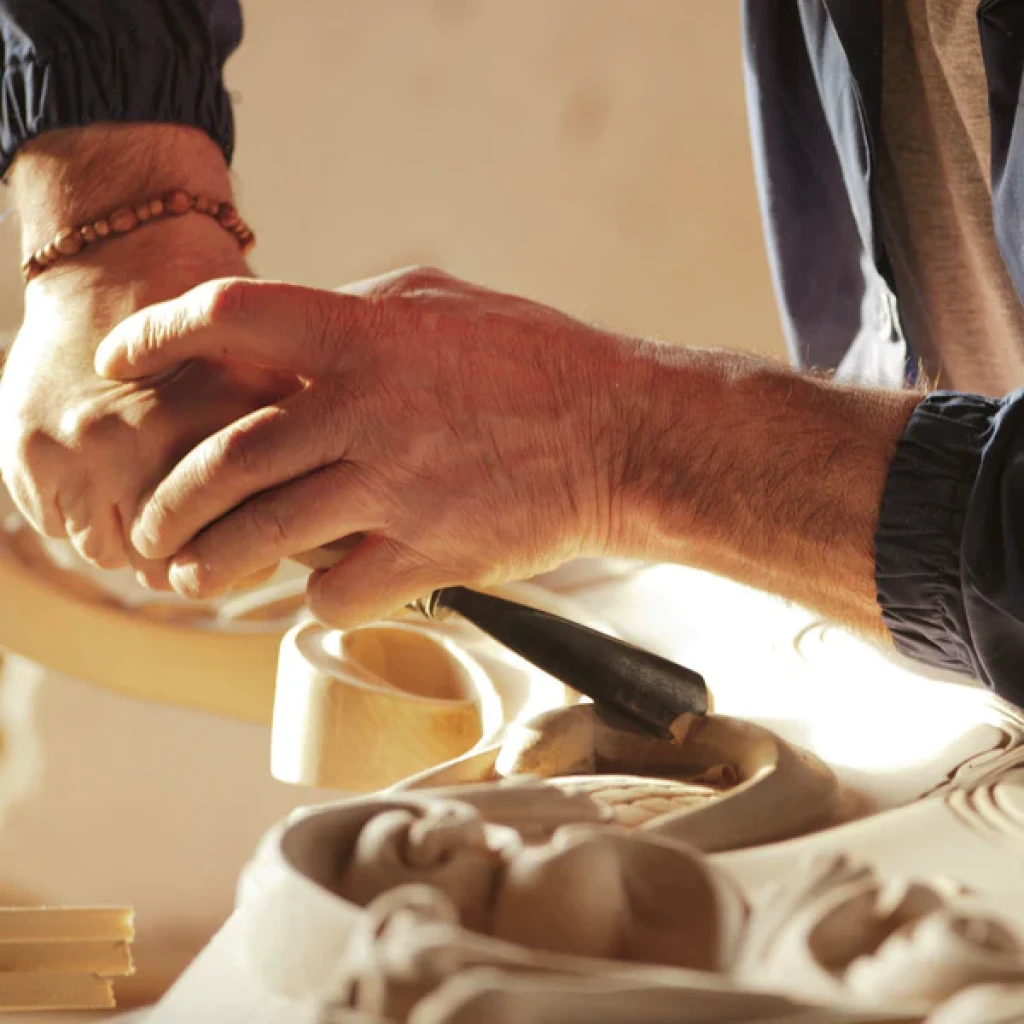
In the world of Rose Uniacke, craftsmanship is not decorative—it is structural to the design narrative. She collaborates with artisans to produce bespoke elements that elevate the entire interior.
The Value of Imperfection
Unlike mass-produced luxury, Uniacke embraces subtle imperfections. Hand-applied plaster walls, irregular stone surfaces, and hand-finished wood introduce variation that cannot be replicated by industrial processes.
This approach creates:
- Visual depth without relying on ornament
- A sense of authenticity and permanence
- A tactile connection between user and space
For furniture brands, this highlights the importance of artisanal techniques—joinery, carving, and finishing become defining features rather than hidden processes.
Material Palette: Quiet, Layered, and Intentional
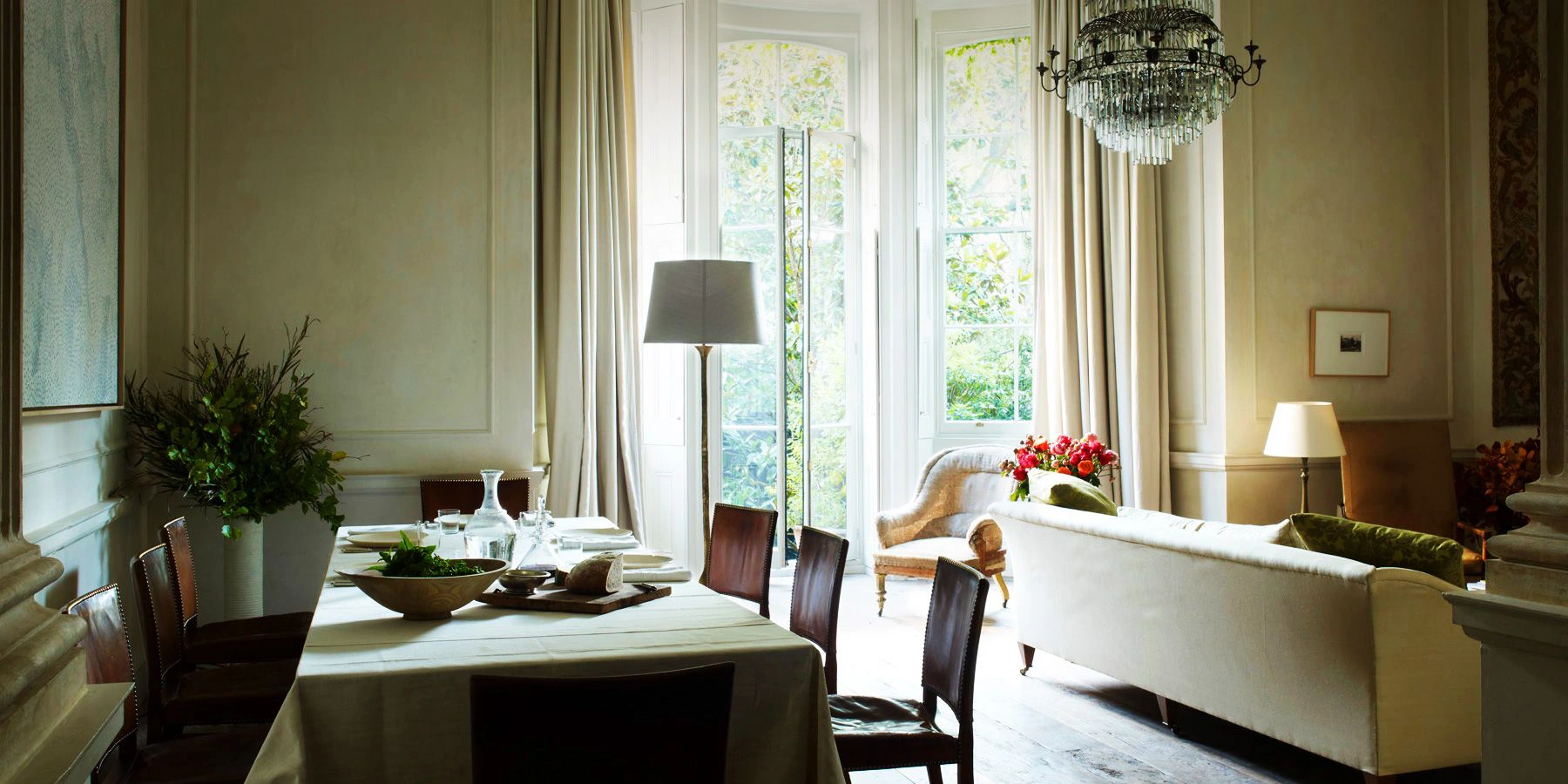
Material selection defines the emotional tone of Uniacke’s interiors. She avoids high-contrast combinations and instead builds environments through tonal layering.
Stone and Plaster
Stone surfaces—often left honed or lightly textured—anchor her spaces. Lime plaster walls add softness, diffusing light and creating subtle tonal shifts throughout the day.
Wood and Patina
Wood appears frequently, but rarely in overly polished forms. Instead, it carries a natural patina that evolves over time. Oak, walnut, and reclaimed timbers contribute to a sense of continuity between past and present.
Textiles with Depth
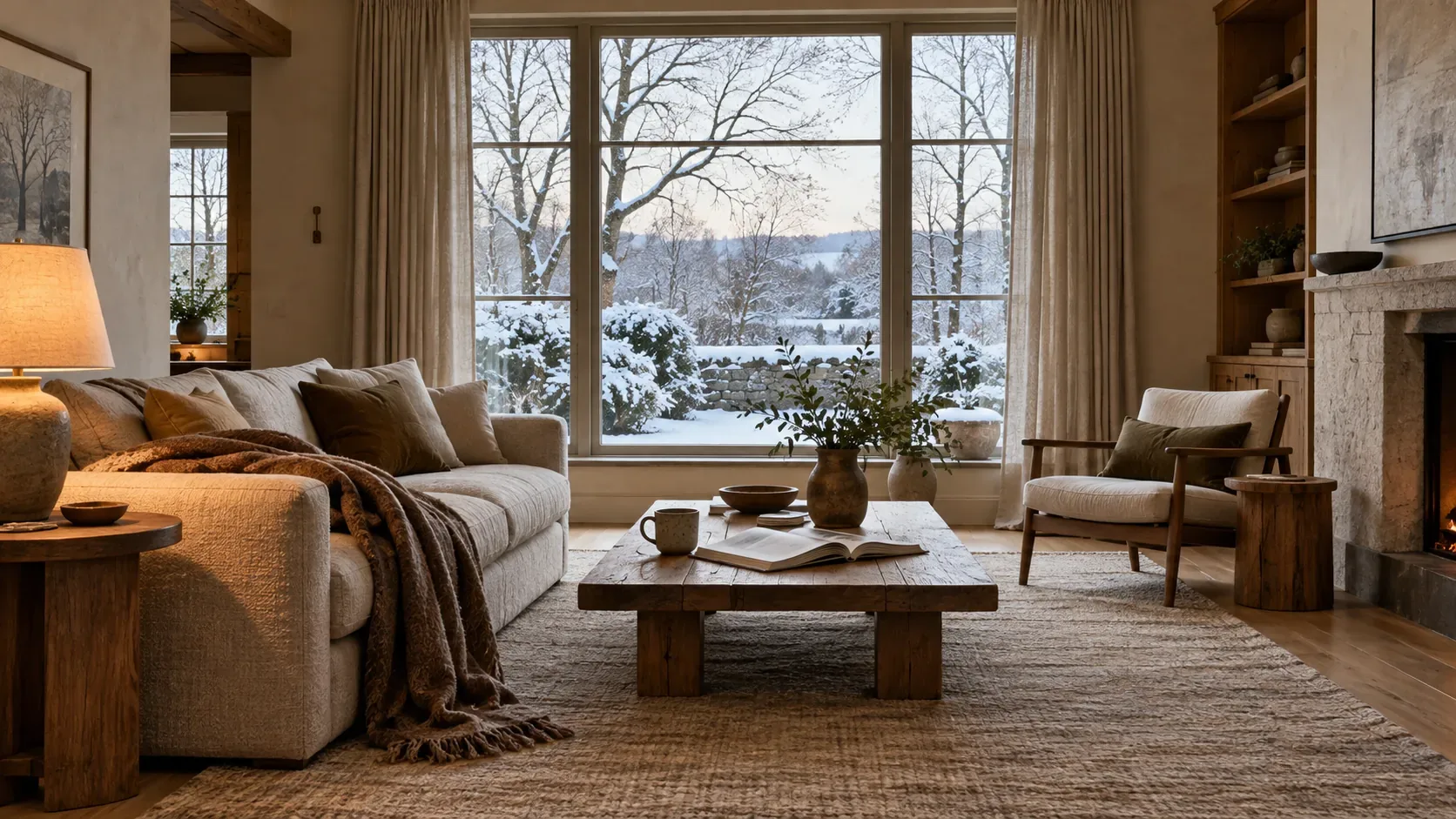
Textiles play a crucial role in softening the architecture. Linen, wool, and cashmere introduce warmth while maintaining a restrained palette. Upholstery often features muted tones, allowing texture to take precedence over color.
Furniture Design: Sculptural Restraint
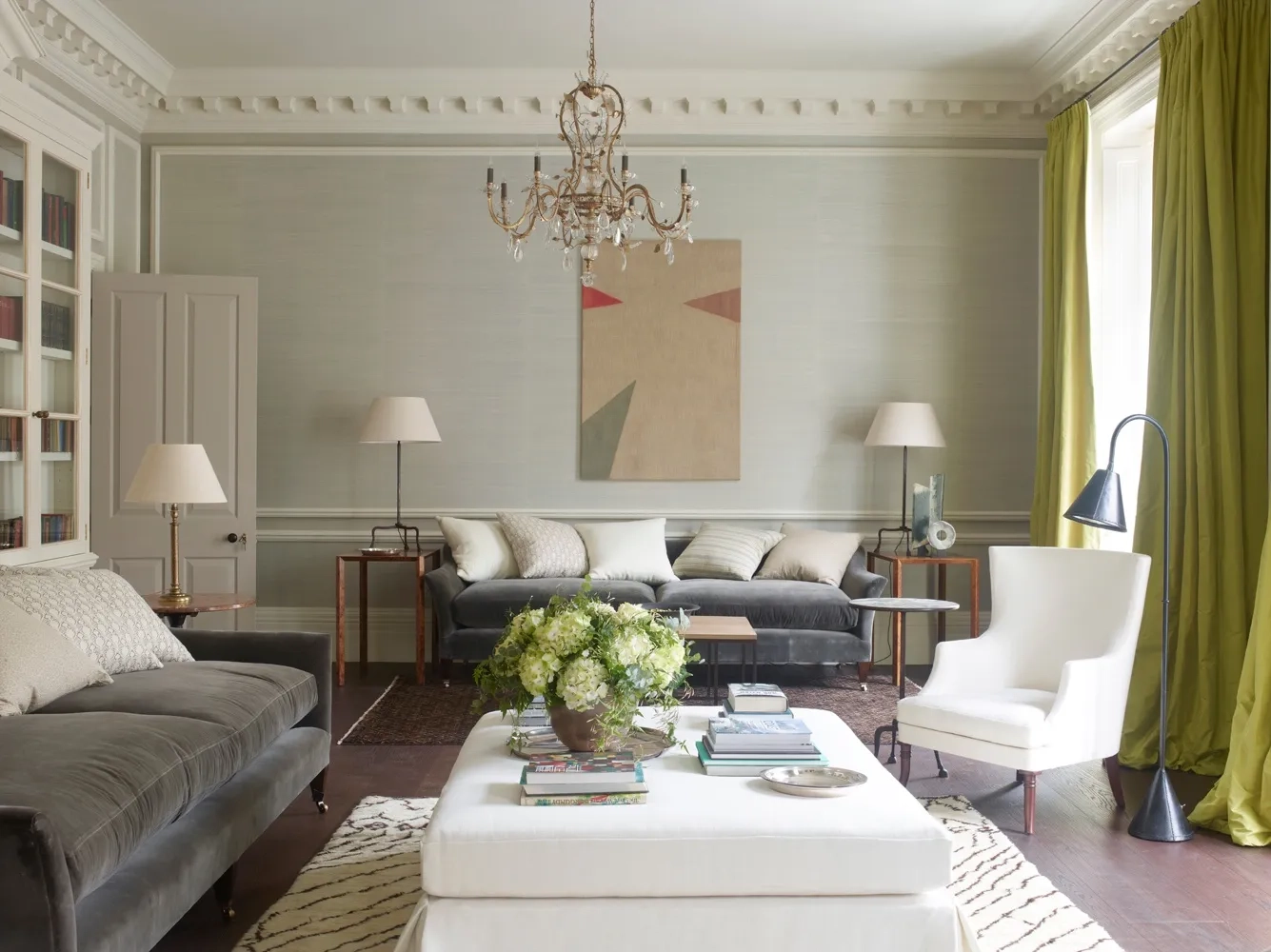
Furniture within a Rose Uniacke interior feels both functional and sculptural. Pieces often appear simple at first glance, yet reveal complexity through proportion and craftsmanship.
Bespoke and Curated Pieces
Uniacke frequently designs custom furniture or sources antiques that align with her aesthetic. These pieces share common traits:
- Clean, architectural lines softened by subtle curves
- High-quality materials with visible grain or texture
- Balanced proportions that complement the surrounding space
For luxury furniture brands, this approach reinforces the value of timeless design over trend-driven production.
Spatial Composition and Flow
Beyond materials and objects, Rose Uniacke’s work stands out for its spatial clarity. She creates interiors that feel open yet intimate, structured yet relaxed.
Controlled Minimalism
Her spaces avoid clutter, but they never feel empty. Instead, she uses carefully selected elements to define zones and guide movement.
Light as a Design Tool
Natural light plays a central role. Large windows, sheer curtains, and reflective surfaces enhance brightness while maintaining softness. Artificial lighting remains discreet, often integrated into the architecture.
Architectural Dialogue
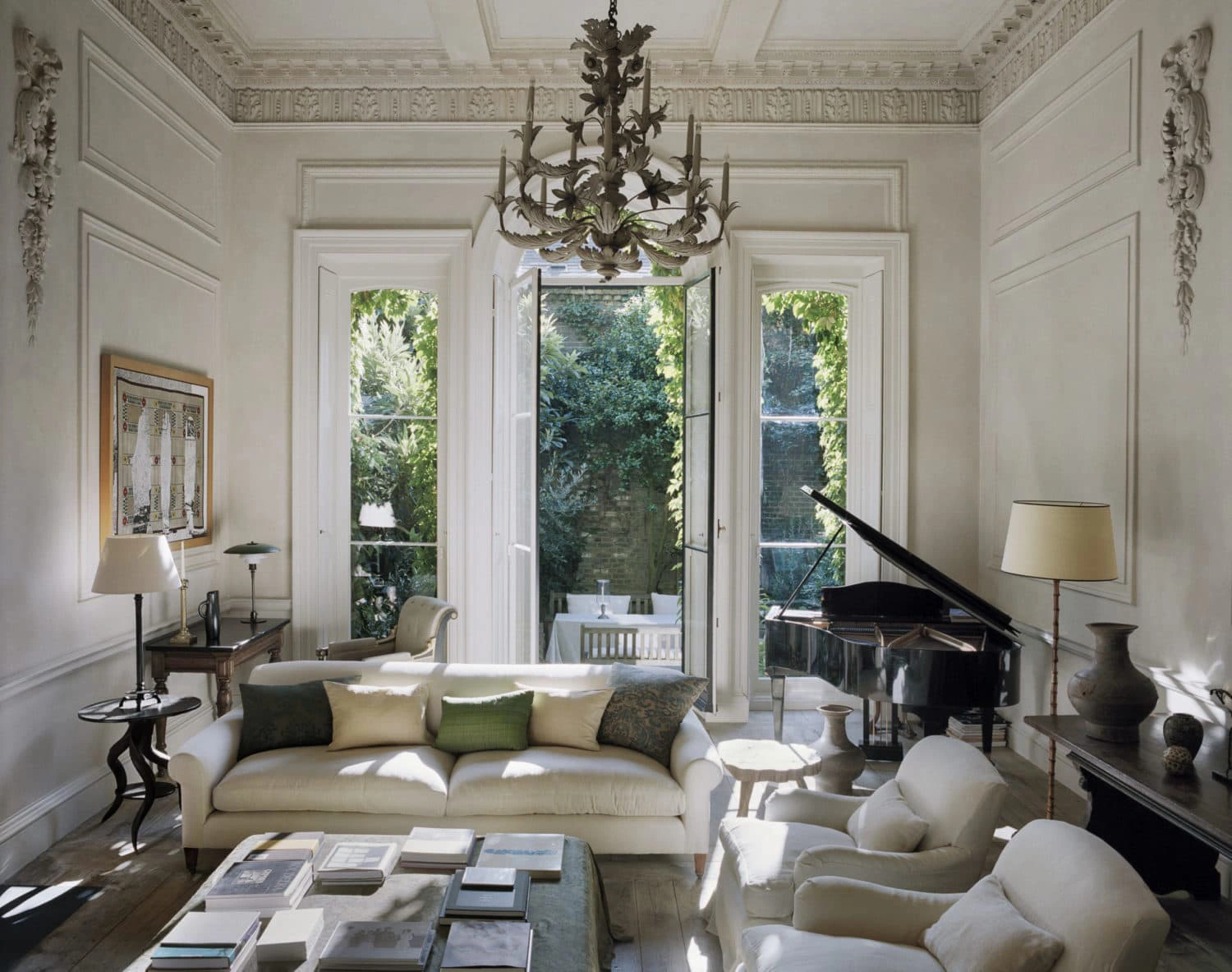
Uniacke respects the original architecture of a space, whether working within historic buildings or contemporary structures. She enhances existing features rather than overshadowing them.
The Role of Antiques and Collectibles
Another defining aspect of the Rose Uniacke aesthetic is the integration of antiques and collectible objects. These elements introduce character and narrative without disrupting the overall harmony.
Rather than creating contrast, she selects pieces that blend seamlessly into the environment. This results in interiors that feel curated over time rather than assembled at once.
For designers and architects, this demonstrates how historical references can coexist with modern minimalism when handled with restraint.
Emotional Resonance in Luxury Interiors
What sets Rose Uniacke apart is her ability to create spaces that resonate on an emotional level. Her interiors feel calm, grounded, and deeply livable—qualities that increasingly define contemporary luxury.
Clients today seek environments that support well-being and authenticity. Uniacke’s work aligns with this shift by prioritizing:
- Comfort over spectacle
- Longevity over novelty
- Sensory experience over visual excess
This perspective positions handcrafted design as a key driver of future luxury interiors.
Influence on Contemporary Design Practice
The impact of Rose Uniacke extends beyond her own projects. Her approach has influenced a broader movement toward warm minimalism, where craftsmanship and materiality take precedence.
Interior designers and architects now increasingly adopt:
- Neutral, layered palettes
- Handcrafted finishes and bespoke elements
- A focus on spatial quality rather than decoration
Furniture brands also respond by investing in artisanal production methods and emphasizing the story behind each piece.
The Business Value of Handcrafted Aesthetics
For luxury design studios, the handcrafted aesthetic championed by Rose Uniacke offers clear strategic advantages:
- Differentiation in a market saturated with standardized luxury
- Higher perceived value through craftsmanship and exclusivity
- Client loyalty, driven by emotional connection to the space
By focusing on quality and authenticity, designers can create interiors that maintain relevance over time—an essential factor in high-end markets.
The Sophistication of Rose Uniacke
The work of Rose Uniacke redefines what luxury means in contemporary interiors. Through her commitment to craftsmanship, material integrity, and spatial clarity, she demonstrates that true sophistication lies in restraint and precision.
For interior designers, architects, and furniture brands, her handcrafted aesthetic provides a powerful framework for creating spaces that feel both timeless and deeply personal. As the demand for meaningful, enduring environments continues to grow, the influence of Rose Uniacke remains not only significant—but essential to the future of luxury design.