The new artisan designers are redefining contemporary design through craftsmanship, material authenticity, and cultural storytelling. Across architecture, interiors, and furniture design, a growing number of creatives are moving away from mass production and embracing a more human-centered approach to making.
As a result, craft is no longer viewed as a traditional or nostalgic practice. Instead, it has become a contemporary design language that communicates identity, permanence, and emotional value.
Today’s design industry increasingly values objects and spaces that feel tactile, intentional, and deeply connected to material culture.
Craft as a Contemporary Design Language
Craft has evolved far beyond decorative tradition. Contemporary designers now use artisanal techniques to create modern environments that balance innovation with cultural depth.
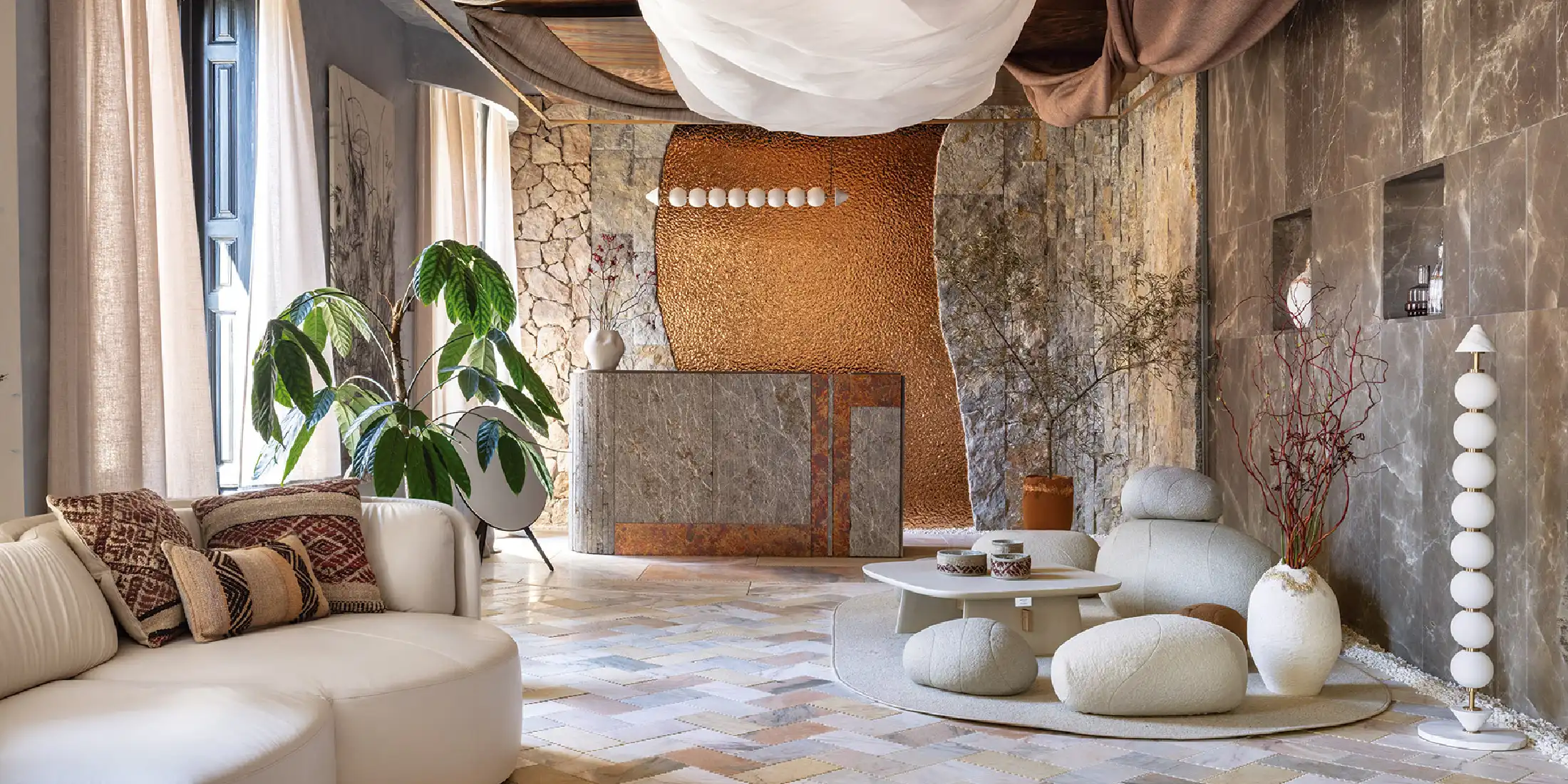
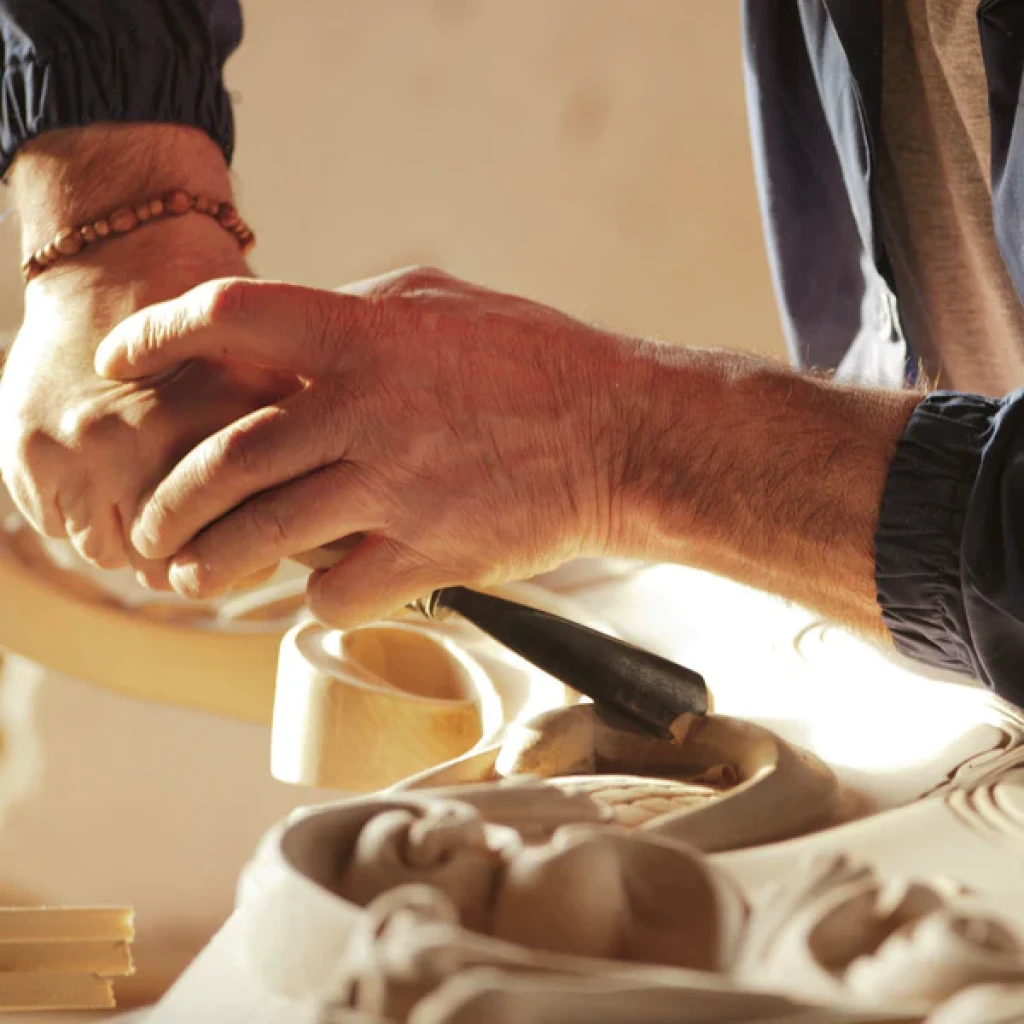
Natural stone, handmade ceramics, woven textiles, solid wood, and imperfect finishes are becoming central elements in contemporary interiors.
Consequently, craftsmanship now functions as both an aesthetic and philosophical statement within modern design practice.
Material Authenticity and Emotional Connection
One of the defining characteristics of the new artisan movement is material authenticity. Designers increasingly prioritize materials that age naturally and reveal their texture over time.
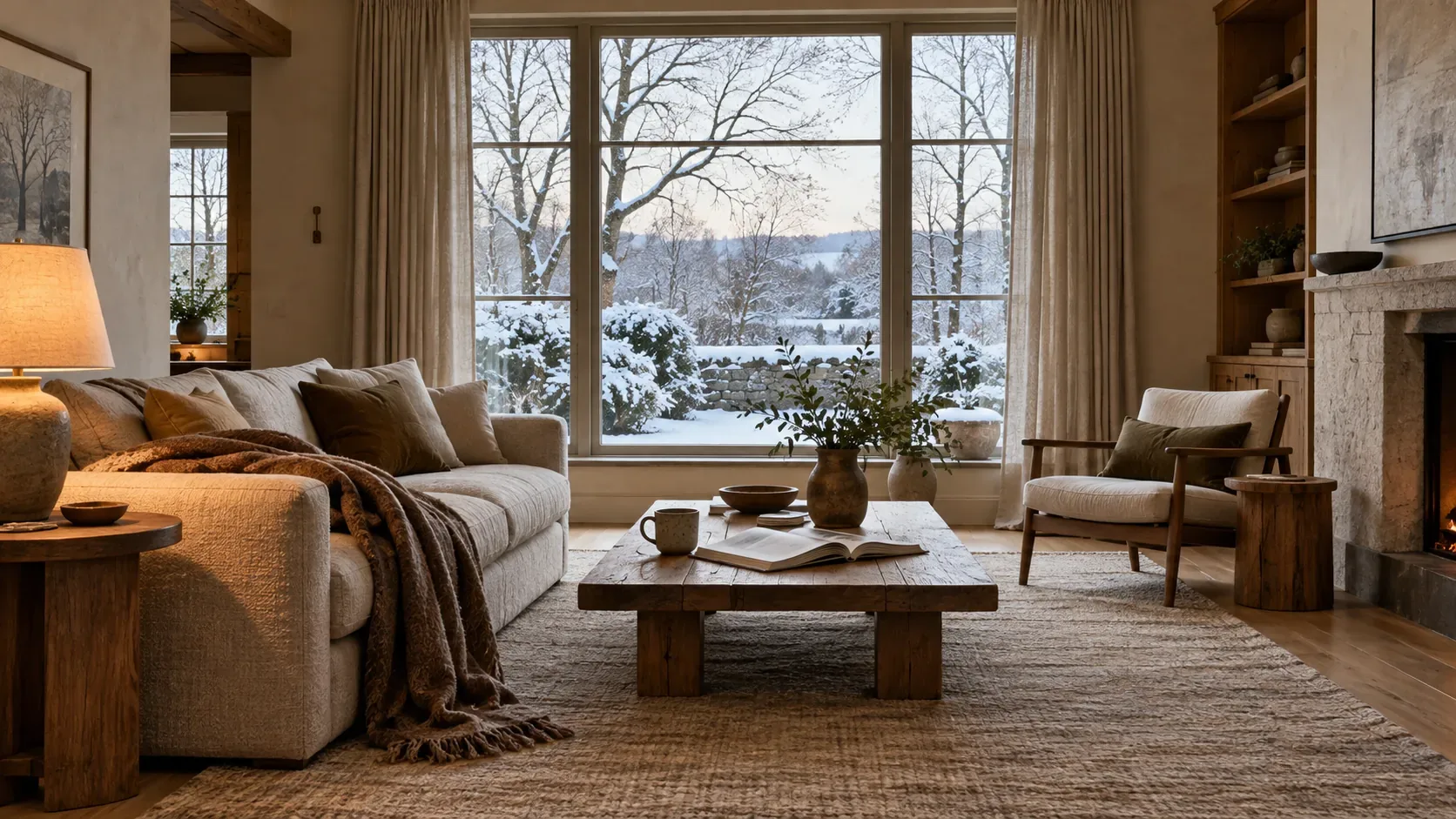
Lime plaster, raw wood, bronze, linen, clay, and handmade surfaces create spaces with emotional resonance and sensory richness.
Because of this, contemporary luxury is shifting away from excessive decoration and moving toward tactile simplicity and permanence.
The Influence of Local Craft Traditions
The new artisan designers often draw inspiration from regional traditions and vernacular techniques. Mediterranean stonework, Japanese joinery, Moroccan ceramics, and Scandinavian woodworking continue to influence contemporary interiors worldwide.
Rather than replicating historical aesthetics, designers reinterpret traditional craftsmanship in modern ways.
This approach creates spaces that feel globally sophisticated while remaining culturally grounded.
Craftsmanship in Contemporary Luxury Interiors
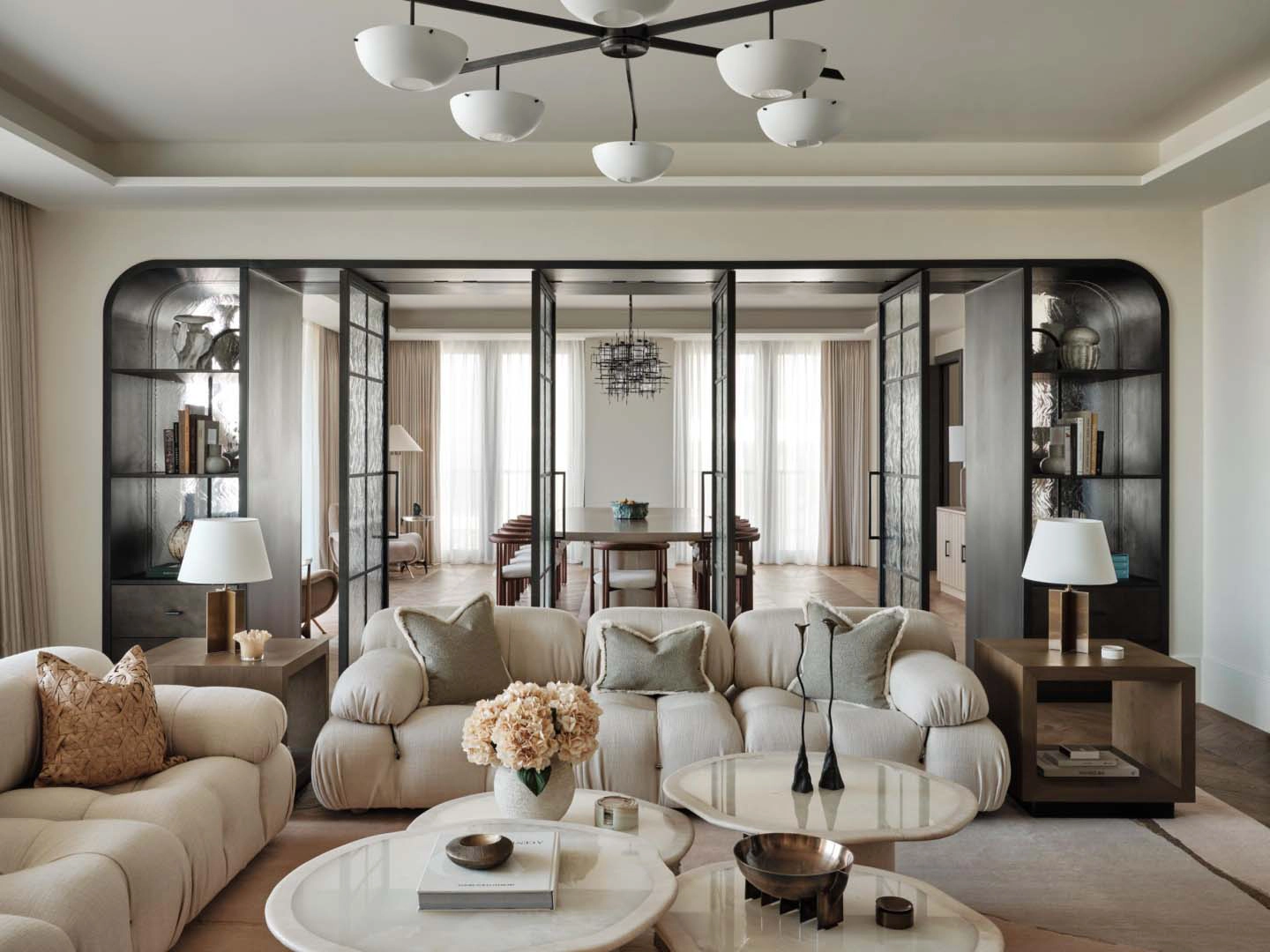
Luxury interiors increasingly emphasize craftsmanship over excess. Bespoke furniture, handcrafted lighting, artisanal finishes, and custom-made materials communicate exclusivity through quality rather than ornamentation.
As a result, contemporary luxury design has become quieter, warmer, and more materially focused.
This shift aligns with the growing popularity of “quiet luxury,” where authenticity and restraint replace visual overload.
Sustainability and the Return to Human-Centered Design
Craftsmanship also plays an important role in sustainable design. Handmade production methods often prioritize longevity, repairability, and responsible sourcing.
In addition, local artisanship reduces dependence on mass manufacturing and encourages slower consumption patterns.
As environmental awareness grows, designers increasingly see craft as both a cultural and ecological response to industrial excess.
Furniture Design and the Artisan Revival
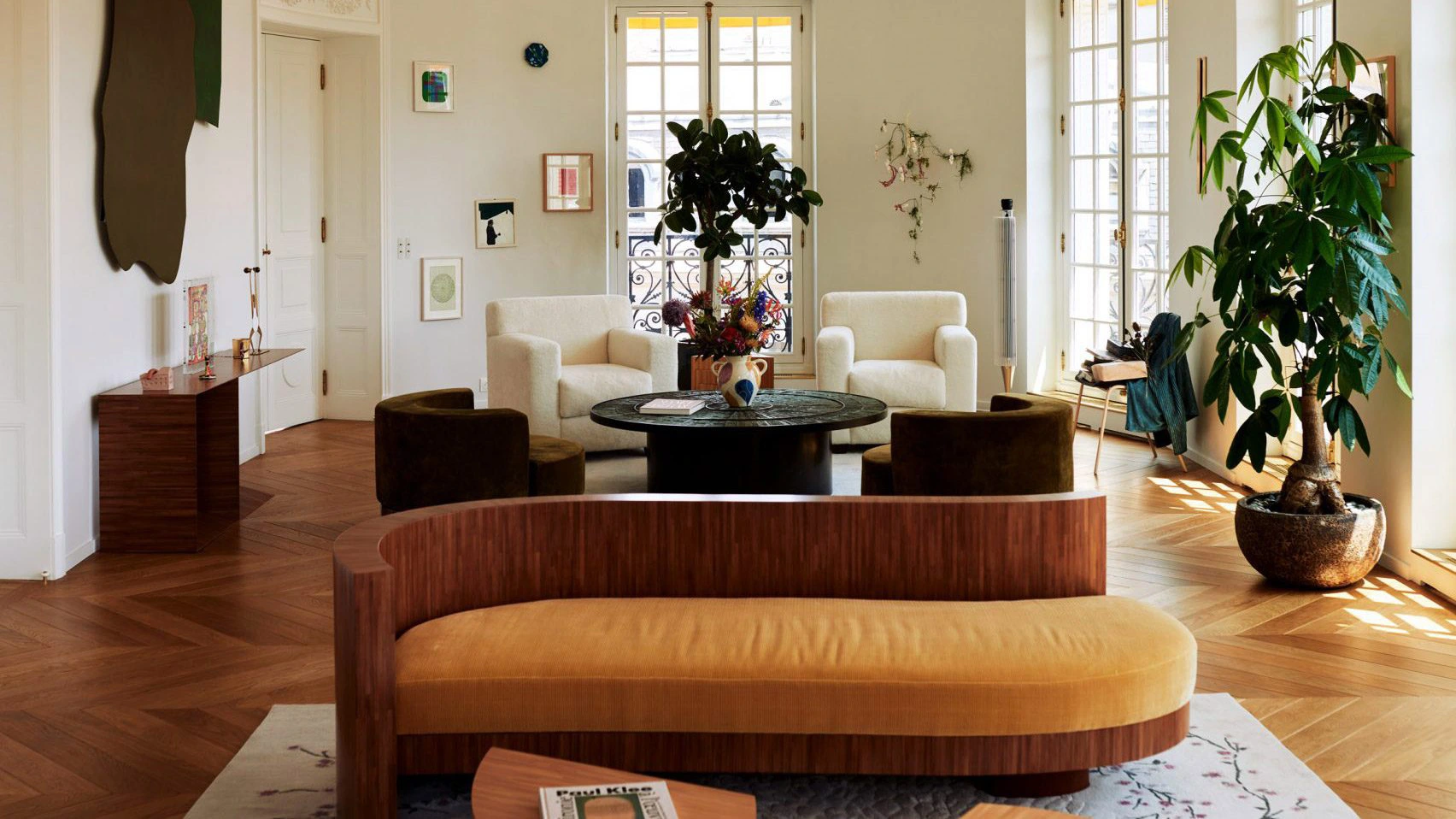
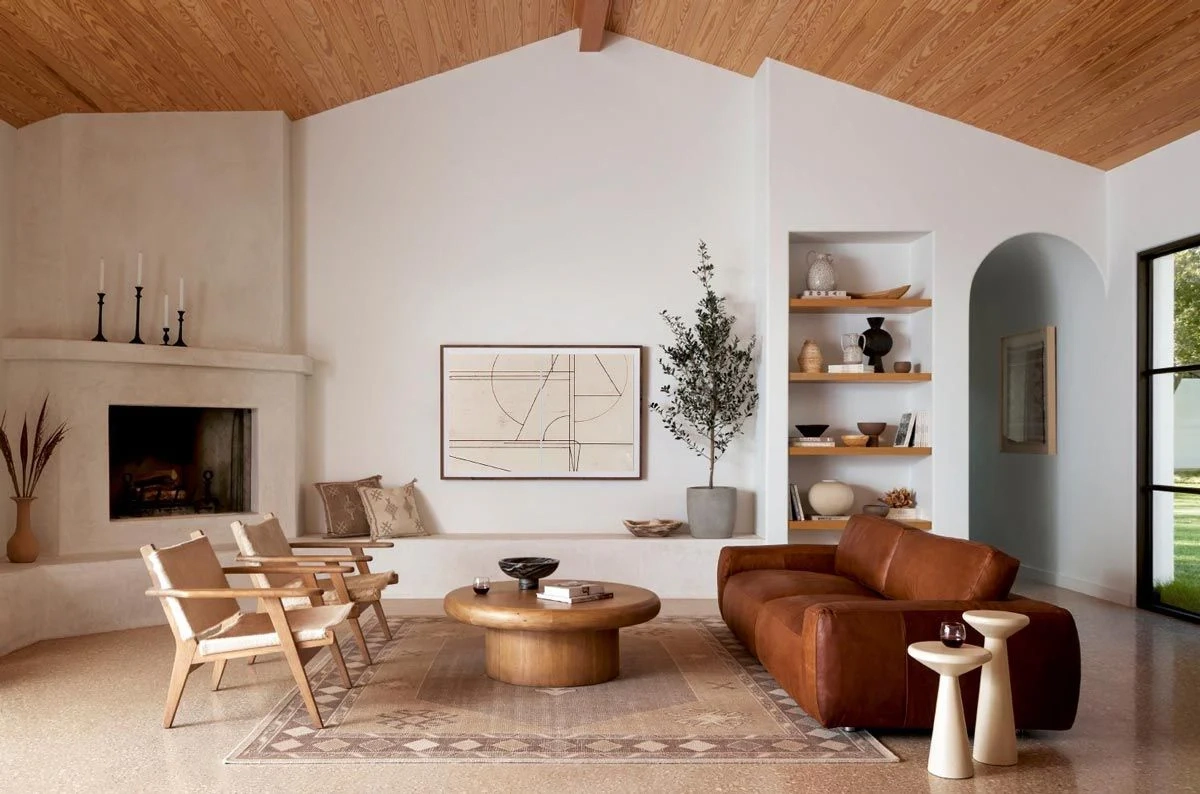
Furniture design has become one of the strongest expressions of the artisan revival. Designers are increasingly creating sculptural furniture pieces that highlight material texture, hand-finishing, and structural honesty.
Wood, travertine, bronze, leather, and natural fibers are frequently used to create pieces that function as both furniture and collectible design objects.
This movement blurs the boundary between art, craft, and contemporary design.
The Future of Contemporary Craft
The future of contemporary design will likely become even more connected to craftsmanship and material identity. As digital culture accelerates visual saturation, people increasingly seek spaces and objects that feel authentic and emotionally grounding.
Because of this, the new artisan designers are not simply preserving traditional techniques—they are redefining the future of design itself.
Their work demonstrates that craftsmanship remains one of the most powerful ways to create meaning, beauty, and permanence in contemporary living.
Conclusion
The new artisan designers are transforming craft into a contemporary design language rooted in authenticity, material honesty, and cultural depth.
Rather than existing as a nostalgic return to the past, contemporary craftsmanship has become a progressive design movement that shapes architecture, interiors, and furniture on a global scale.
Ultimately, craft is no longer a secondary decorative element. It is becoming one of the defining principles of contemporary luxury and modern design culture.