The global design landscape is undergoing a powerful transformation, and at its core is a new generation of British designers redefining what handmade furniture means today. These creatives move beyond tradition without abandoning it, blending time-honored craftsmanship with sculptural innovation, material experimentation, and a distinctly contemporary voice. For interior designers, architects, and luxury furniture brands, this movement represents a significant shift toward more expressive and collectible design.
A Legacy Reimagined by a New Generation
Britain has long been synonymous with craftsmanship, but today’s British designers are reshaping that legacy. Influential figures like Faye Toogood and Tom Dixon helped pave the way by challenging conventional aesthetics and production methods. Their work set a precedent for a younger generation that values both artistic freedom and material integrity.
Emerging talents such as Fred Rigby and Jan Hendzel are now pushing boundaries further. Rigby’s sculptural woodwork explores organic forms that feel almost geological, while Hendzel’s pieces often combine bold geometries with sustainable sourcing. These designers don’t just create furniture—they create objects that command attention and define space.
Material Innovation at the Forefront
Material exploration sits at the heart of this new wave of British designers. While traditional hardwoods remain essential, designers increasingly experiment with unconventional materials and combinations.
Max Lamb exemplifies this approach through his raw, process-driven work. Known for casting pewter directly into sand molds or shaping stone with minimal intervention, Lamb emphasizes the inherent qualities of materials. Similarly, Gareth Neal integrates digital carving techniques with traditional woodworking, creating intricate surfaces that blur the line between handmade and machine-crafted.
This fusion of materials and methods allows designers to produce furniture that feels both innovative and grounded—an appealing balance for architects and interior designers working on high-end projects.
Sculptural Furniture as Functional Art
One of the most defining characteristics of contemporary British designers is their embrace of sculptural form. Furniture is no longer purely functional; it acts as a centerpiece, a conversation starter, and often a collectible design object.
Christopher Le Brun, though primarily known as an artist, has influenced furniture design through expressive, painterly forms translated into three-dimensional objects. Meanwhile, Bethan Laura Wood creates vibrant, layered pieces that combine color, pattern, and structure in unexpected ways.
These designers challenge traditional notions of proportion and symmetry. Chairs become abstract compositions, and tables take on monolithic or fluid forms. For luxury interiors, such pieces introduce a strong narrative and artistic identity.
The Studio Movement and Bespoke Culture
A key factor driving this evolution is the rise of studio-based practices. Many British designers operate independently or within small workshops, allowing them to maintain full creative control.
John Makepeace, a long-standing figure in British craftsmanship, has influenced this model through his dedication to education and studio practice. His legacy continues to shape younger designers who prioritize bespoke production and limited editions.
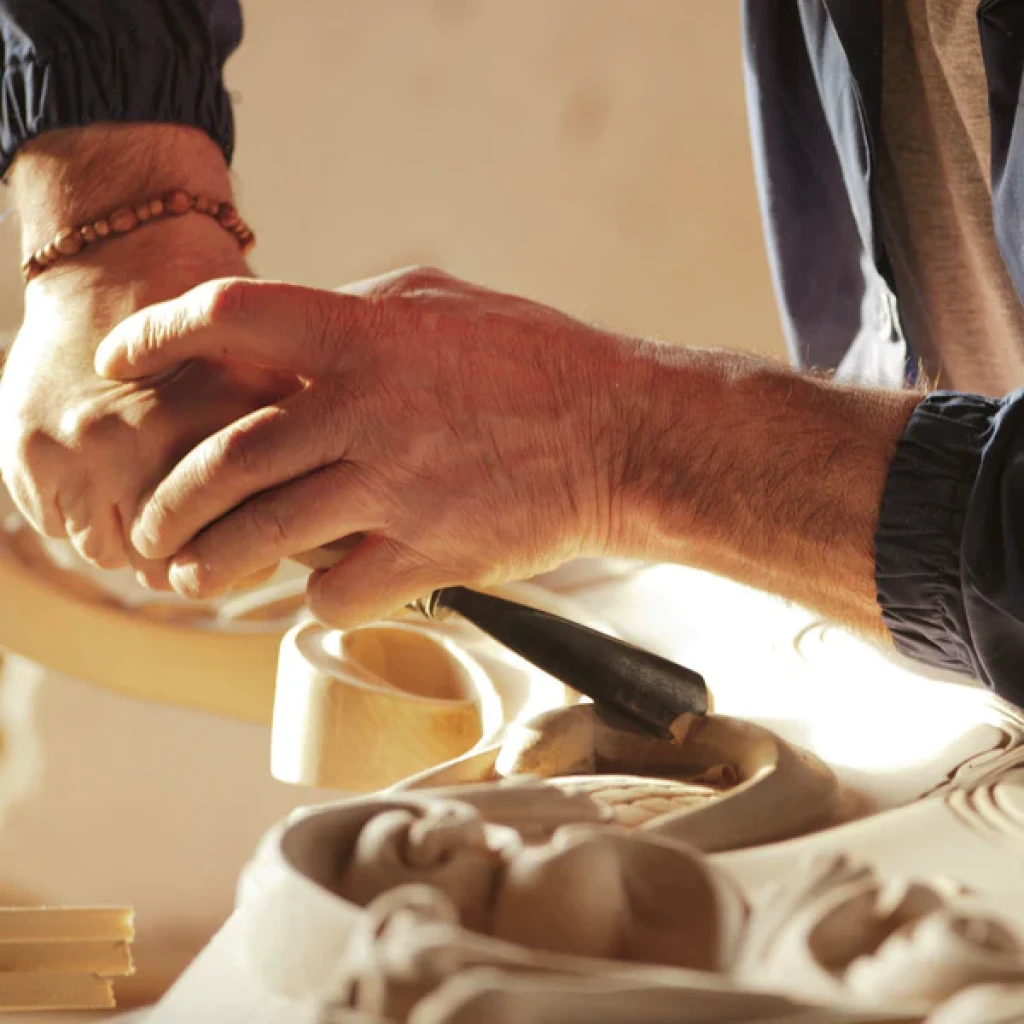
Designers like Nic Webb focus on highly tactile, hand-finished pieces that highlight the maker’s touch. This approach resonates strongly with clients seeking exclusivity and authenticity in luxury residential and hospitality spaces.