In contemporary design, few voices have shaped the conversation around craftsmanship and human-centered interiors as profoundly as Ilse Crawford. Known for her refined yet deeply tactile approach, Crawford consistently places material honesty, emotional comfort, and artisanal quality at the heart of every project.
As the founder of Studioilse and former founding editor of Elle Decoration, Crawford has built a philosophy that bridges architecture, furniture design, and interior experience. Her projects—from boutique hospitality spaces to residential environments—demonstrate how thoughtful concepts can elevate craftsmanship into a defining spatial language.
For interior designers, architects, furniture brands, and luxury design studios, understanding Crawford’s key interior concepts reveals how craftsmanship can become both the aesthetic and emotional core of a space.
Below are five defining interior concepts by Ilse Crawford that elevate craftsmanship.
1. Human-Centered Design as the Foundation of Craft
At the center of every Crawford project lies a simple but powerful question: How will people actually feel in this space?
Rather than beginning with visual trends, Crawford begins with human behavior, comfort, and sensory experience. This philosophy often results in interiors where craftsmanship plays a functional role rather than purely decorative.
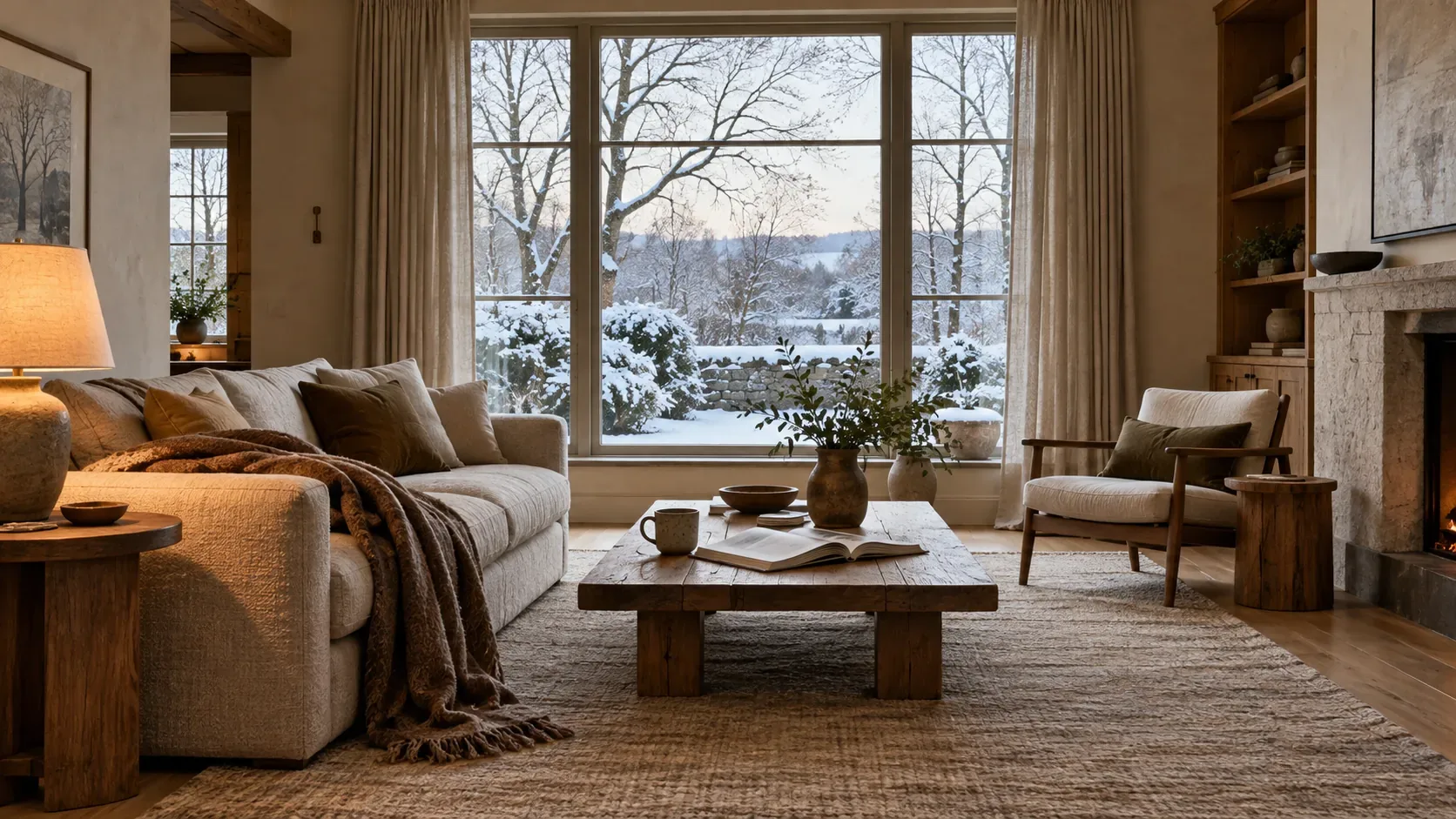
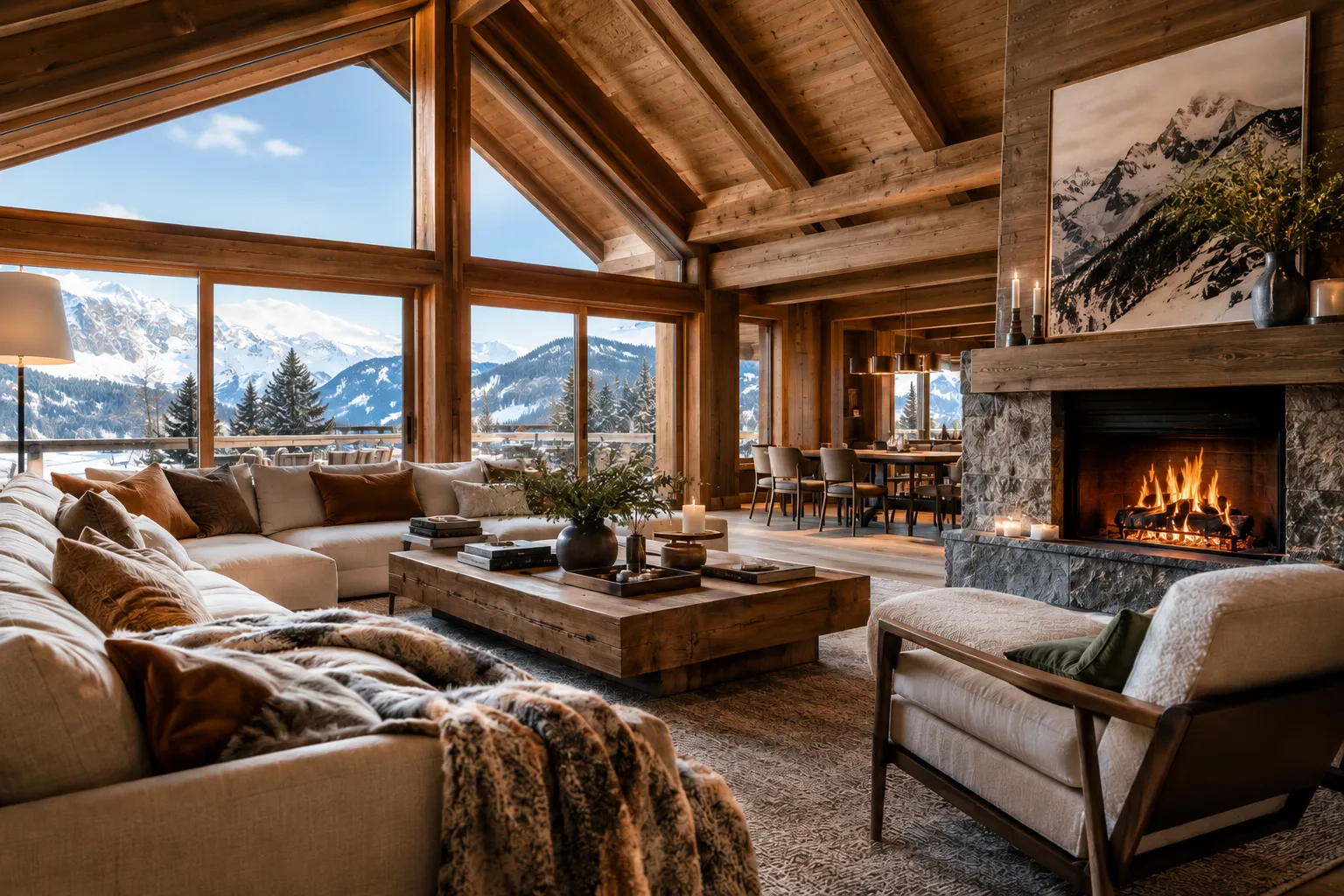
In many projects by Ilse Crawford, handcrafted elements appear in tactile surfaces, ergonomically designed furniture, and warm material palettes. Upholstery feels generous, wood surfaces invite touch, and lighting softens the environment.
For luxury studios and hospitality designers, this concept reframes craftsmanship as a tool for emotional connection. Skilled craftsmanship helps create interiors that feel intuitive, calming, and welcoming rather than overly stylized.
2. Honest Materials and Natural Patina
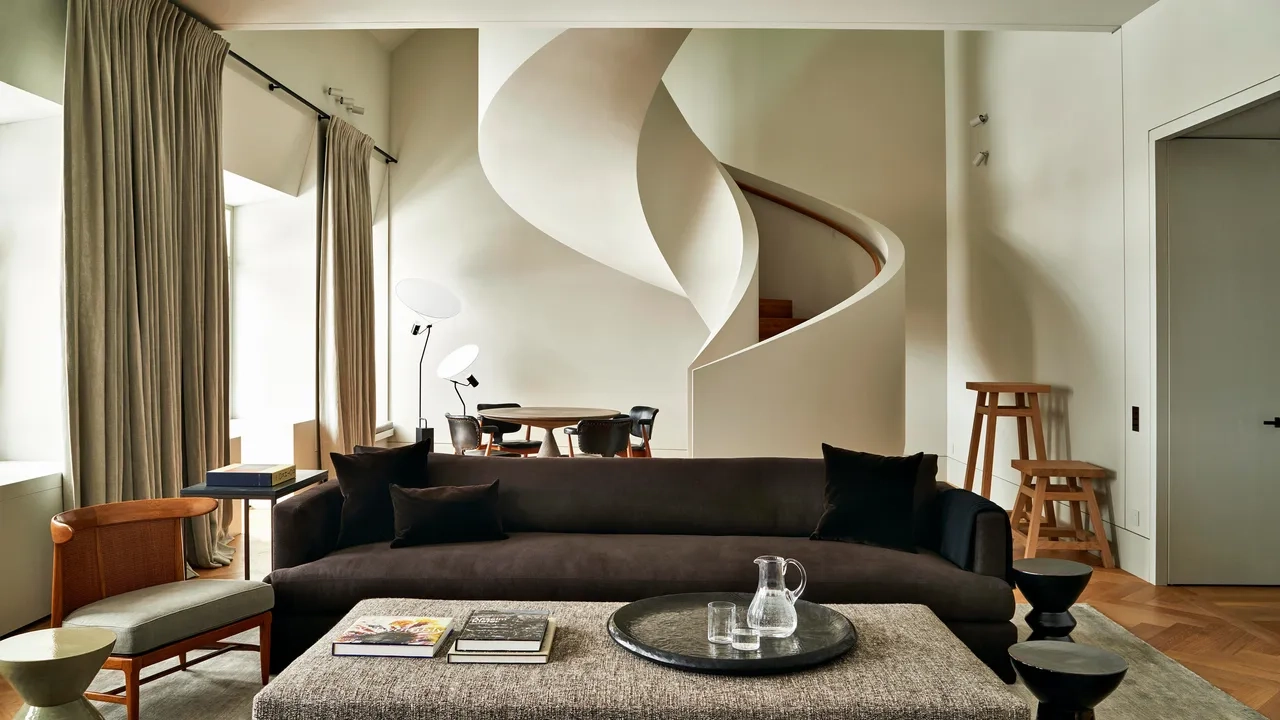
One of Crawford’s most recognizable design signatures is her commitment to authentic materials.
Instead of hiding natural imperfections, Crawford embraces them. Surfaces reveal the story of how they were made:
- hand-finished plaster
- brushed brass
- oiled timber
- natural stone
- woven textiles
This approach aligns strongly with the growing demand for material authenticity in luxury interiors.
In projects developed through Studioilse, materials age gracefully. Wood darkens, brass develops patina, and textiles soften with time. These changes enhance the perception of craftsmanship because they reflect the life of the object and the skill behind its making.
For furniture brands and product designers, this concept highlights an important shift: durability and aging quality have become markers of premium design.
3. Craft as a Layered Spatial Narrative
Crawford rarely uses craftsmanship as a singular focal element. Instead, she integrates multiple artisanal techniques throughout the environment, creating a layered spatial narrative.
This layering may combine:
- bespoke furniture
- handmade ceramic lighting
- custom textiles
- sculptural woodwork
- artisan metalwork
The result is a space where craftsmanship appears subtle but pervasive.
A notable example appears in Crawford’s hospitality projects, where seating, joinery, and lighting often come from small workshops or specialist makers. These elements interact quietly rather than competing visually.
For architects and interior designers, this approach demonstrates how distributed craftsmanship can create a cohesive atmosphere without overwhelming the architecture.
4. Sensory Warmth Through Texture and Form
Many contemporary interiors prioritize visual minimalism, but Crawford expands minimalism by introducing rich tactile experiences.
Her interiors frequently feature:
- curved furniture profiles
- thick woven fabrics
- matte finishes
- warm lighting temperatures
- sculptural ceramics
These details reinforce craftsmanship because they reveal the hand and process behind each object.
In contrast to industrial uniformity, Crawford’s work often incorporates small variations in texture and finish. A ceramic vase might carry slight irregularities. A timber table may retain visible grain patterns.
For luxury design studios and high-end residential architects, this concept illustrates how sensory depth can transform minimalist environments into emotionally engaging spaces.
5. Craft Collaboration with Local Makers
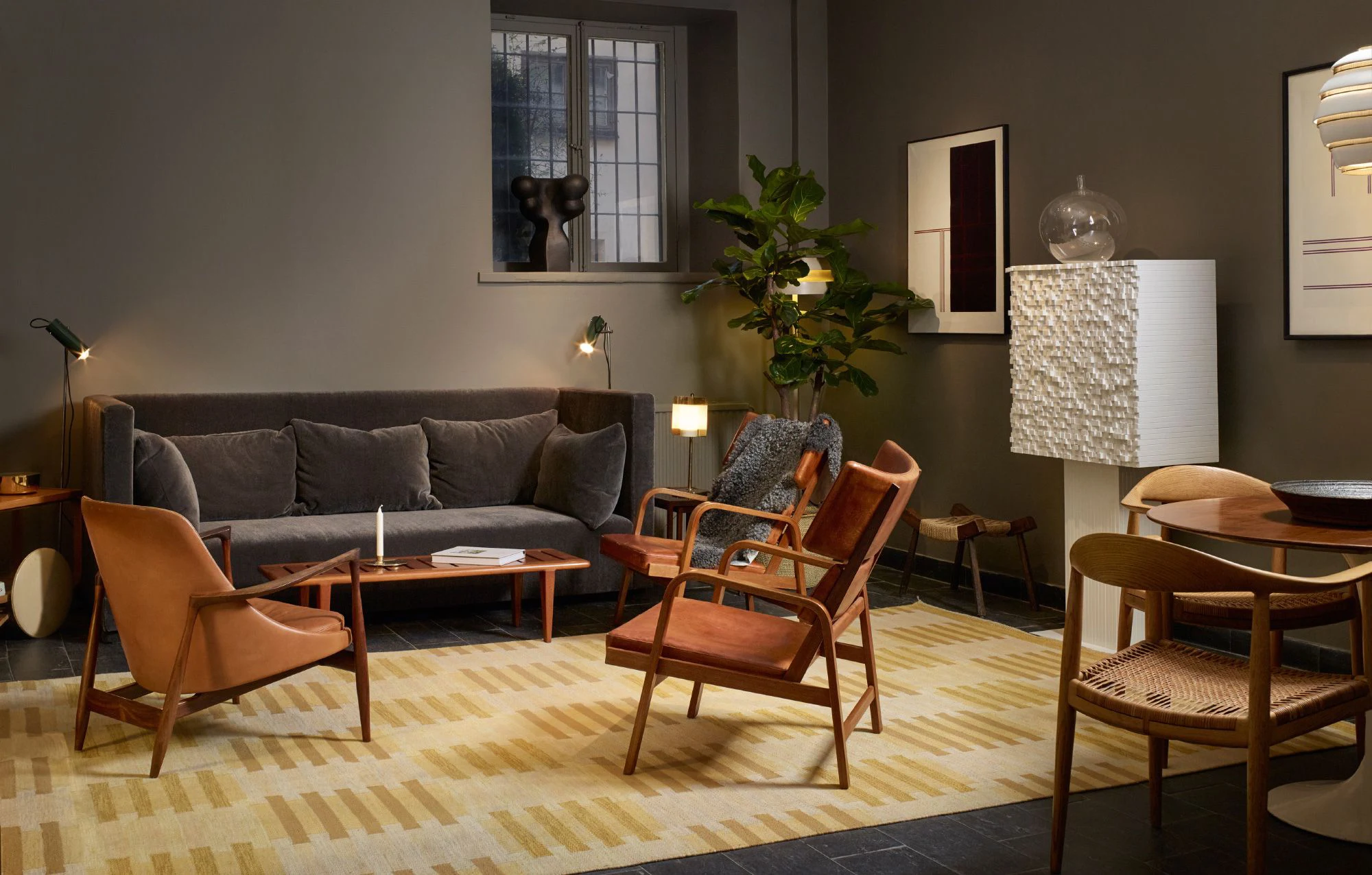
Another defining aspect of Crawford’s philosophy involves collaboration with artisans and local manufacturers.
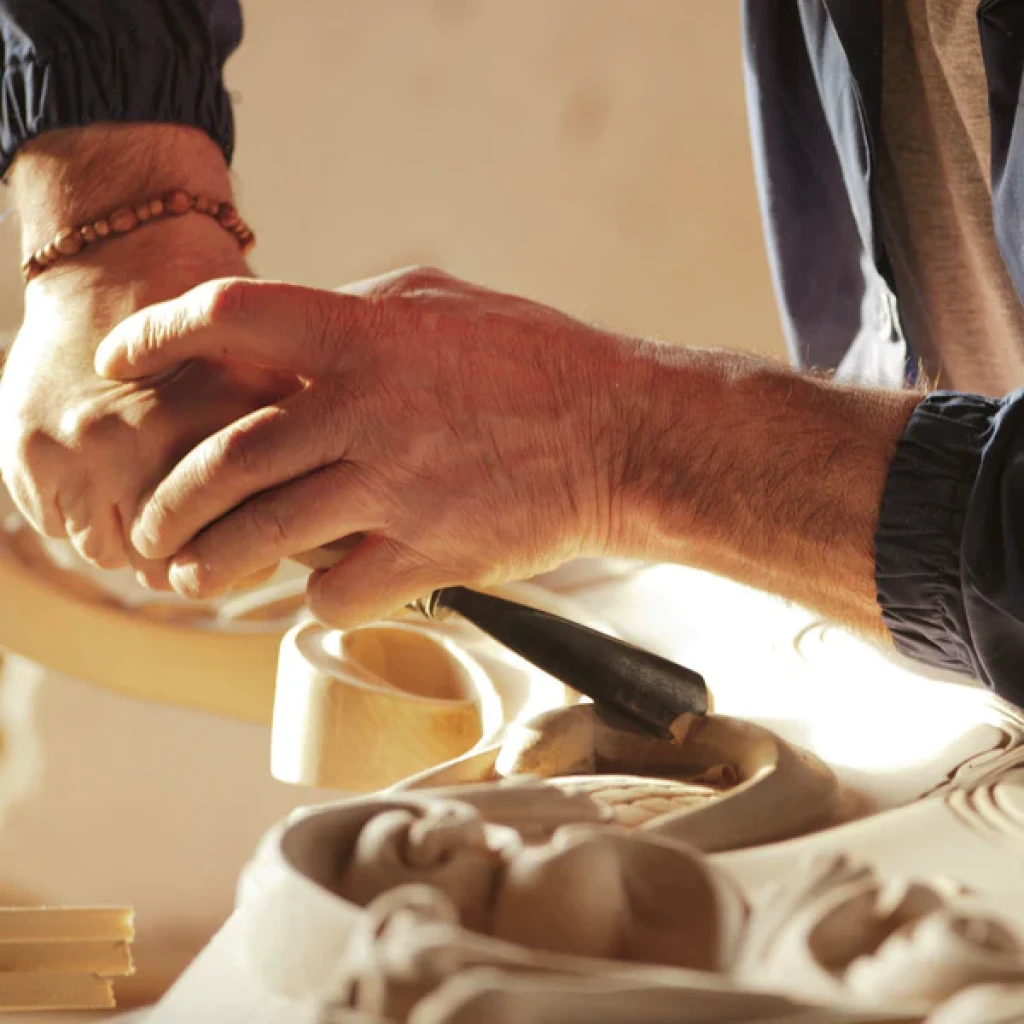
Instead of relying solely on mass-produced components, Crawford frequently works with craftspeople to produce custom pieces that reflect regional materials and techniques.
This collaborative model strengthens craftsmanship in several ways:
- it preserves traditional making skills
- it introduces regional identity into interiors
- it enables highly customized design solutions
Through Studioilse, Crawford has developed furniture collections and interior installations that rely heavily on artisan partnerships.
For furniture brands and architectural studios, this concept highlights an important opportunity: strategic collaboration with makers can differentiate projects in a competitive luxury market.
Why Ilse Crawford’s Interior Concepts Matter for Contemporary Design
The design philosophy of Ilse Crawford resonates strongly with the current evolution of luxury interiors. Designers and clients increasingly seek environments that balance aesthetics with comfort, authenticity, and craftsmanship.
Crawford’s approach demonstrates that craftsmanship does not need to appear ornamental or nostalgic. Instead, it can function as a structural element of spatial experience, shaping how people move, touch, and inhabit a space.
For interior designers, furniture brands, and architects, these five concepts offer a framework for integrating craftsmanship in ways that feel modern and relevant:
- designing around human comfort
- selecting honest materials
- layering artisan elements throughout the space
- emphasizing sensory texture
- collaborating with skilled makers
Together, these principles illustrate why Ilse Crawford continues to influence contemporary design thinking across residential, hospitality, and product design sectors.
The Enduring Influence of Ilse Crawford
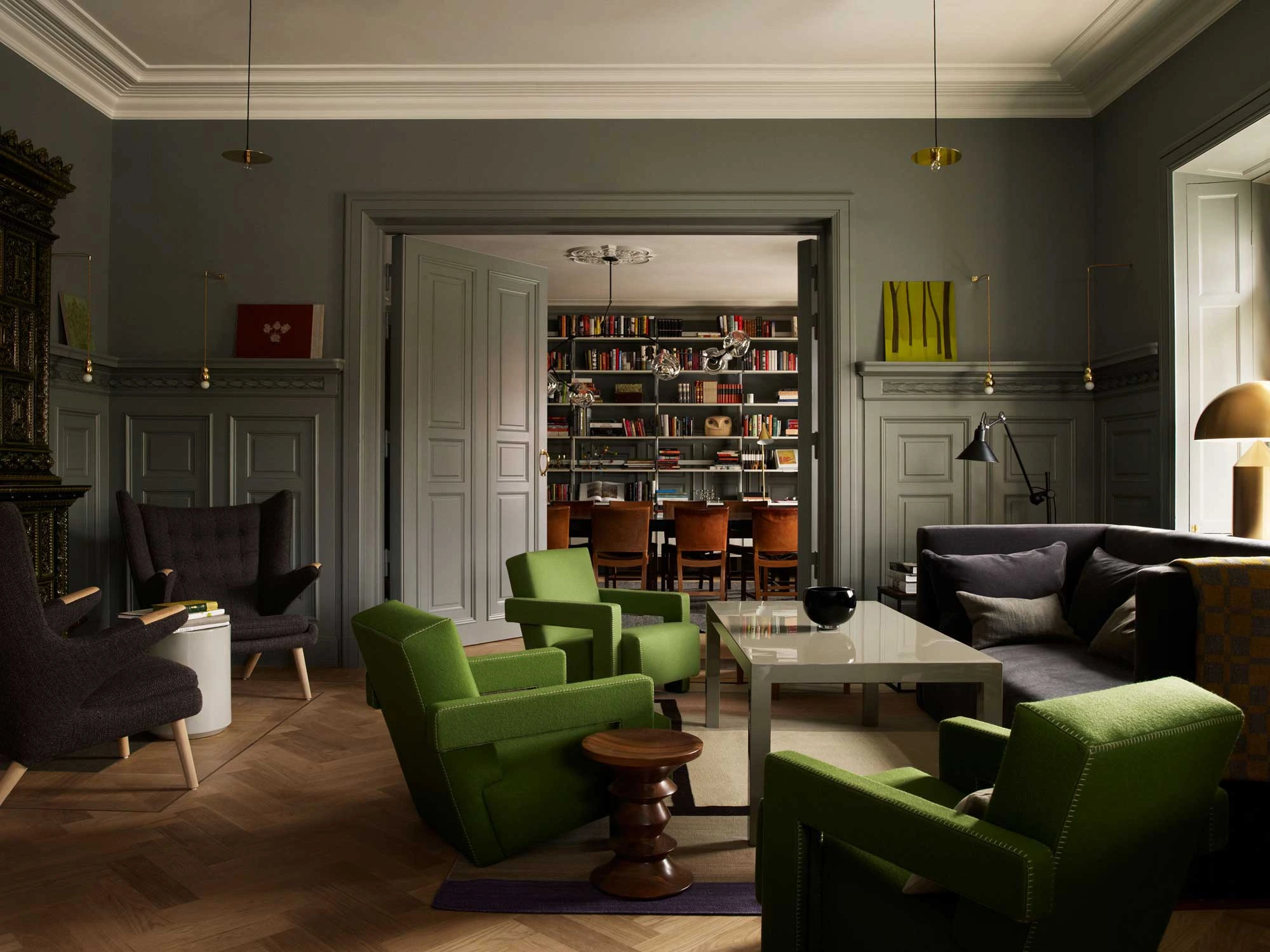
As the design industry increasingly values authenticity, sustainability, and human well-being, the ideas championed by Ilse Crawford feel more relevant than ever.
Her interiors remind designers that craftsmanship is not simply about technique. It is about care, intention, and the relationship between people and the objects that surround them.
For architects, furniture manufacturers, and design studios working in the luxury market, Crawford’s concepts provide a compelling model: spaces where craftsmanship enhances both beauty and human experience.