Few designers have shaped contemporary minimalism with the same clarity and precision as Joseph Dirand. Known for his mastery of proportion, materiality, and restrained luxury, Dirand creates interiors that feel both timeless and unmistakably modern. His work speaks directly to interior designers, architects, and luxury brands seeking to balance sophistication with livability.
This article explores five of the most influential interior projects by Joseph Dirand, highlighting how his distinctive approach continues to redefine contemporary living.
1. The Balmain Flagship Store, Paris
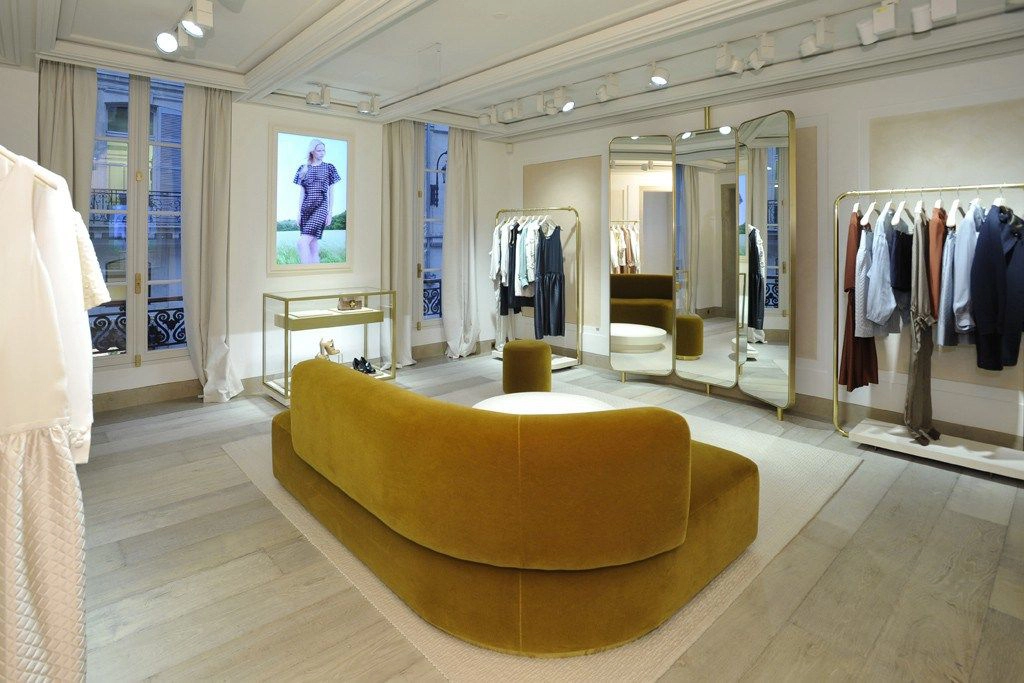
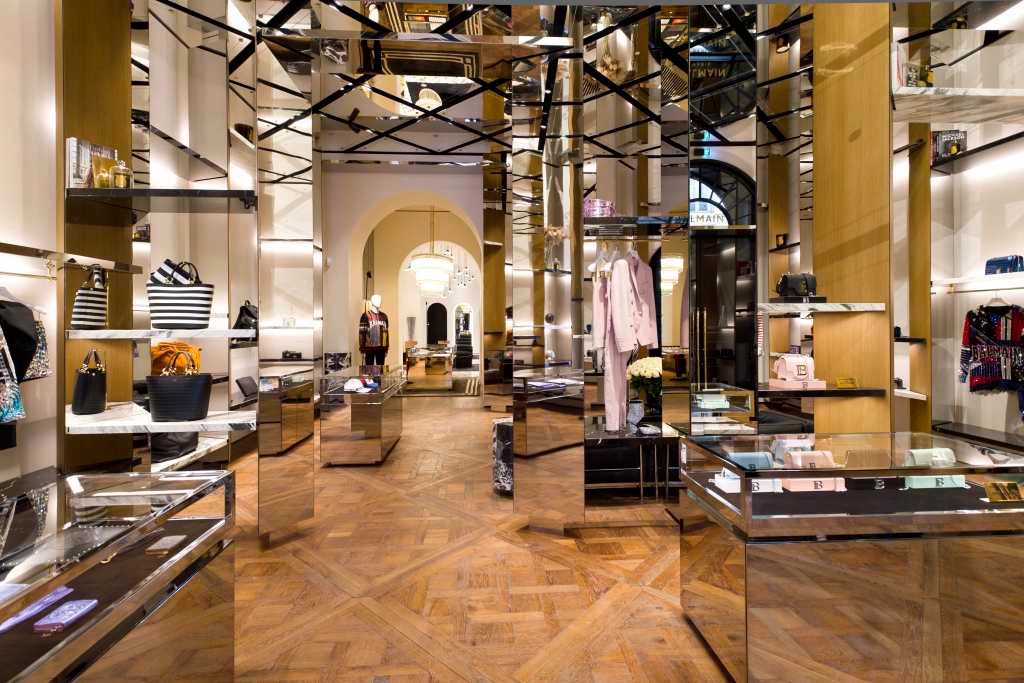
The Balmain flagship store in Paris stands as one of Joseph Dirand’s most recognizable commercial projects. Located on Rue Saint-Honoré, this space reinterprets classical Parisian architecture through a contemporary lens.
Dirand uses a palette dominated by black and white marble, punctuated by gold accents that echo the brand’s couture heritage. Rather than overwhelming the visitor with ornamentation, he focuses on clean lines and monumental forms. Large mirrors and symmetrical layouts create a sense of grandeur while maintaining clarity.
For interior designers, this project demonstrates how retail environments can feel luxurious without excessive decoration. The space achieves drama through scale and material contrast, not clutter—an essential principle for modern high-end interiors.
2. Surf Club Residences, Miami
The Surf Club Residences in Miami represent Joseph Dirand’s ability to translate his European sensibility into an international context. This residential project combines oceanfront openness with his signature architectural rigor.
Dirand emphasizes natural light, allowing expansive windows to frame the Atlantic Ocean as a living artwork. Interiors feature stone floors, custom millwork, and a muted palette that complements the coastal environment. Instead of typical “beach house” aesthetics, he delivers a refined, almost monastic atmosphere.
Furniture placement plays a critical role here. Each piece feels intentional, often custom-designed to align with the architecture. For architects and luxury developers, this project shows how restraint can elevate beachfront living beyond clichés into something truly timeless.
3. Private Apartment on the Upper East Side, New York
In this Upper East Side apartment, Joseph Dirand demonstrates his skill in adapting historic spaces for contemporary lifestyles. The apartment retains its pre-war architectural framework while embracing modern minimalism.
Dirand strips away unnecessary ornamentation and introduces a controlled palette of limestone, oak, and plaster. The result is an interior that feels both grounded and airy. Walls become sculptural surfaces, and circulation flows naturally between rooms.
Lighting is particularly notable. Instead of relying on decorative fixtures, Dirand integrates lighting into the architecture—recessed sources, indirect illumination, and carefully placed sconces enhance spatial perception.
For interior designers working with heritage properties, this project offers a blueprint for modernization without erasing historical character. It proves that contemporary living can coexist with architectural legacy.
4. Givenchy Headquarters, Paris
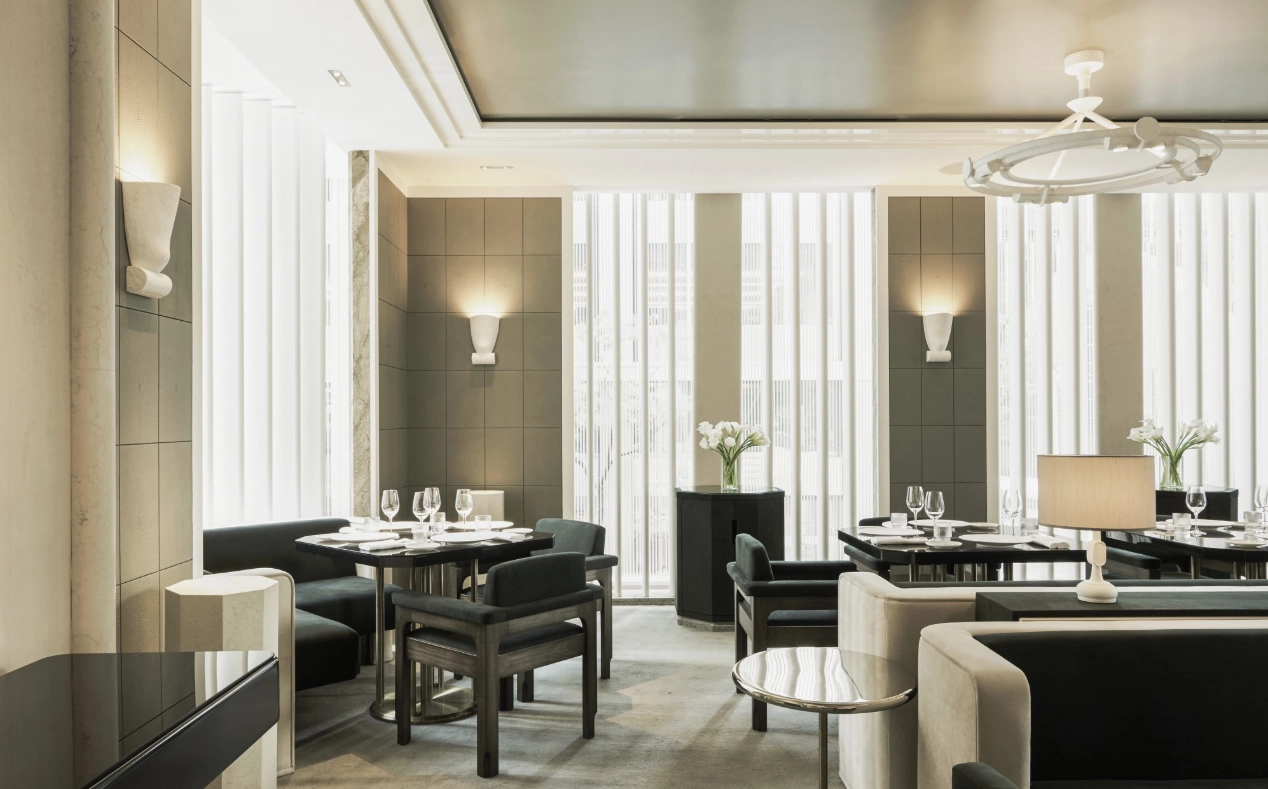
The Givenchy headquarters project showcases Joseph Dirand’s ability to translate brand identity into spatial experience. This workspace avoids typical corporate design tropes, favoring instead a refined, almost residential atmosphere.
Dirand uses noble materials—stone, wood, and metal—to create a sense of permanence. Offices and meeting rooms feel like private salons rather than conventional workspaces. The layout encourages movement while maintaining a sense of order and hierarchy.
What stands out is the balance between austerity and comfort. The interiors remain minimal, yet never cold. Soft textures, precise detailing, and thoughtful proportions ensure that the space feels human-centered.
For furniture brands and design studios, this project highlights how workplace environments can reflect luxury values without sacrificing functionality. It also underscores the importance of cohesion between architecture, interiors, and brand storytelling.