Vineyards have long been synonymous with idyllic landscapes, storied traditions, and the artisanal craft of winemaking. Today, as the appreciation of fine wines intersects with a growing appetite for distinctive environments, vineyard architecture and wine estate design are ascending to new heights of creativity and sophistication. Across continents, architects and designers are drawing profound inspiration from terroir, viticulture, and the rituals of enotourism to shape contemporary structures that honor history while embracing innovation. This editorial explores how vineyards are redefining the global narrative of place, luxury, and design, inviting us to consider how the essence of the vine informs the future of hospitality, culture, and home living.
Vineyards as Design Catalysts: Tradition Meets Modernity
The evolution of vineyard architecture exemplifies a remarkable dialogue between tradition and modernity. Rooted in the arcadian spirit of wine-growing regions, modern wine estate design is tasked with amplifying both heritage and contemporary living. This means embracing:
- Material Authenticity: Local stone, wood, and terracotta anchor new structures within the landscape, referencing centuries-old chateaux and cellars.
- Environmental Synergy: Sustainable design practices harness solar orientation, natural ventilation, and passive heating/cooling in tune with the rhythm of the land.
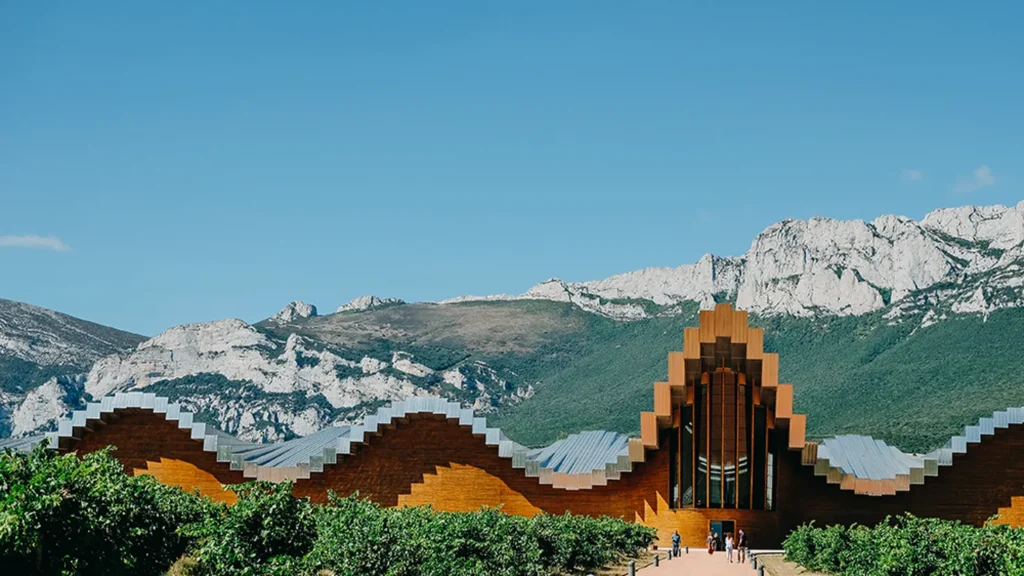
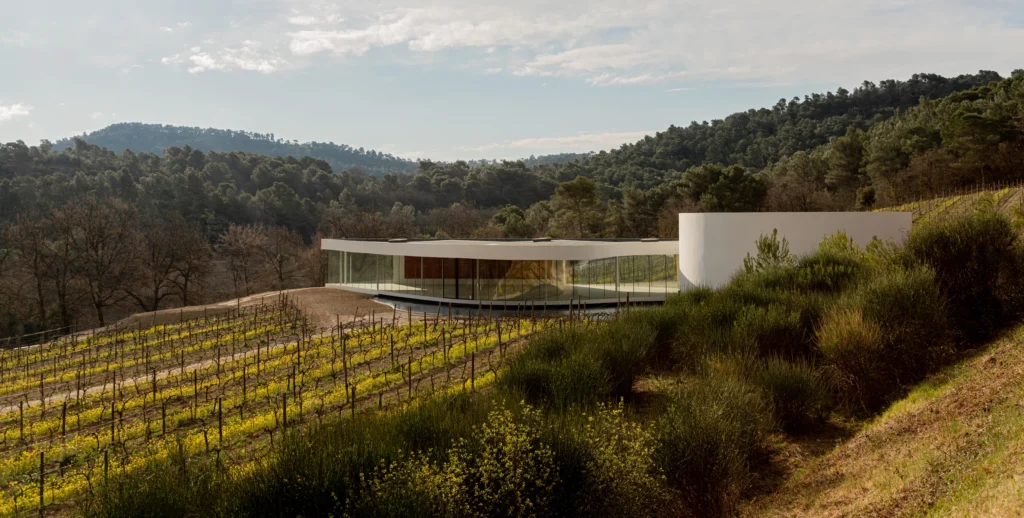
- Aesthetic Minimalism: Clean lines, monumental forms, and glass expanses frame dramatic views of rolling vineyards, blurring the boundary between built and natural environments.
In celebrated destinations, whether Bordeaux, Napa, La Rioja, or Stellenbosch, architects are reimagining estates as landmarks of enotourism interiors and cultural experience, creating a synergy of world-class wine, landscape, and design excellence.
Signature Features of Contemporary Vineyard Architecture
Contemporary vineyard architecture is defined by thoughtful interventions that elevate both function and sense of place. The following trends continue to shape the conversation:
- Integration with Terrain: Structures are often embedded in hillsides, echoing the curved lines of grape-laden slopes. Earth-sheltered cellars, living roofs, and amphitheater-inspired tasting pavilions maximize terroir connection and energy efficiency.
- Transparency and Light: Floor-to-ceiling glazing and open-plan layouts foster visual connections between interiors and vineyards, inviting daylight deep into spaces and enhancing the guest’s sensory journey.
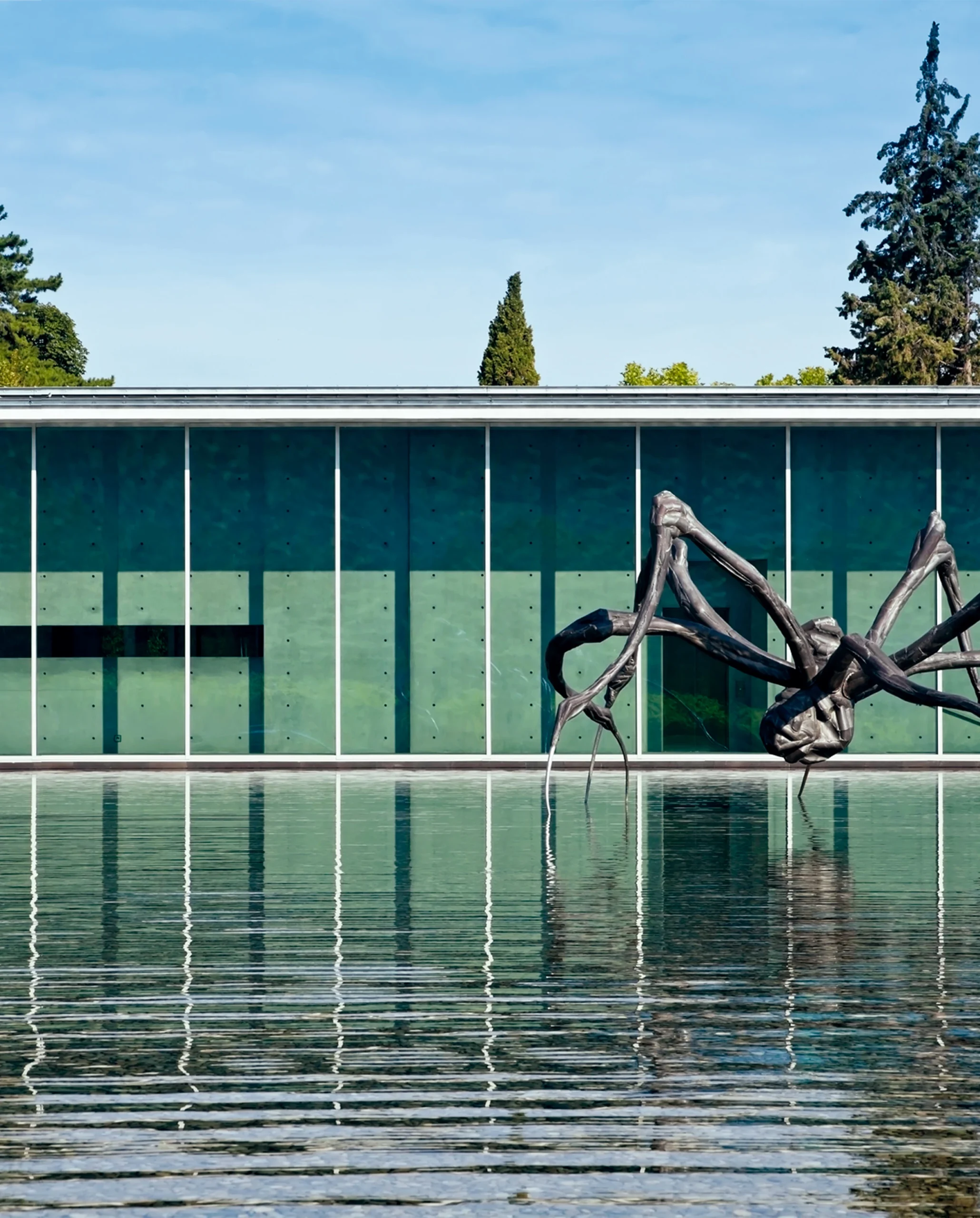
- Water and Reflection: Reflecting pools, sculpted water features, and reservoirs not only serve climatic functions but also mirror the surrounding vines, amplifying their presence.
- Art and Curation: Many wine estates now feature curated art installations or commissioned sculptures, underscoring their roles as contemporary cultural venues as much as production sites.
Wine Estate Design: Transforming Visitor Experience
The expectation of immersion lies at the heart of modern wine estate design. Estate owners and designers recognize that enotourism is no longer a niche pursuit but a sophisticated, multi-sensory experience that appeals to connoisseurs, collectors, and global travelers alike. In this new paradigm, the journey through a winery is as vital as the tasting itself.
The Art of Enotourism Interiors
The interiors of contemporary wine estates have evolved beyond their utilitarian roots. Today’s enotourism interiors embody a synergy of craftsmanship, luxury, and locality. Hallmarks include:
- Private Tasting Lounges: Intimate, exquisitely detailed rooms offer curated wine experiences, often finished with tactile materials, leather, marble, and fine woods, echoing the character of the estate’s wines.
- Barrel Halls as Galleries: Aging cellars with dramatic lighting, sculptural barrels, and soundscapes create an atmosphere akin to cathedrals, blending reverence with spectacle.
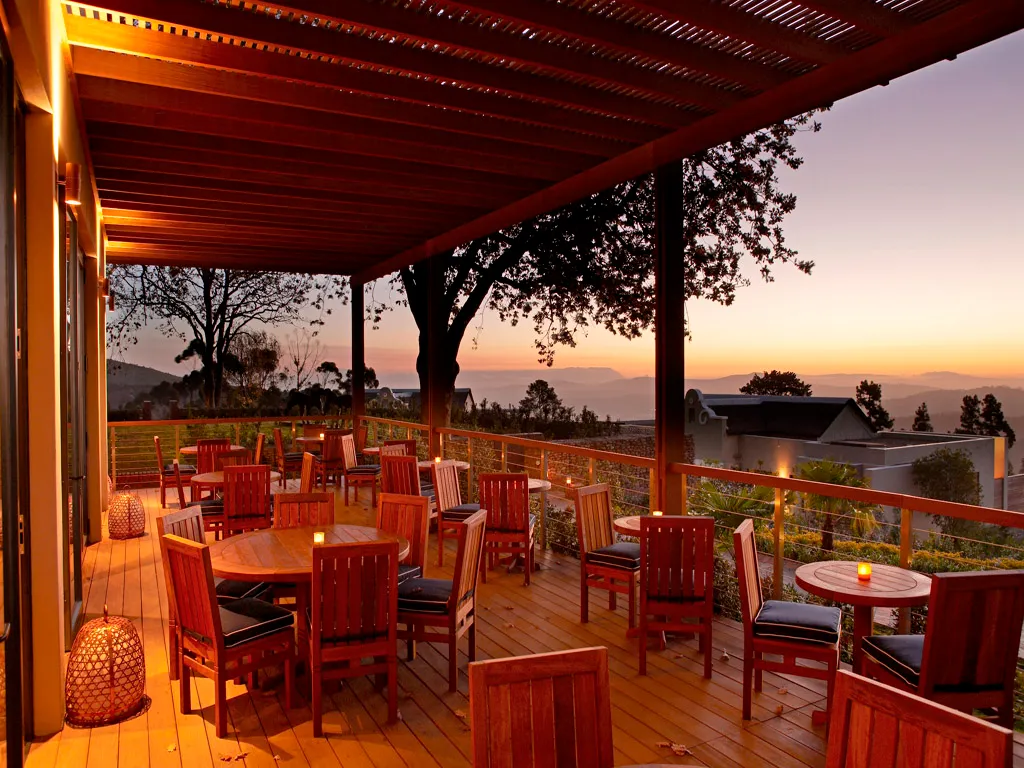
- Residential-Scale Hospitality: Guest suites and villas seamlessly blend hospitality and domestic allure, with verandas inviting panoramic views and interiors adorned in vineyard-inspired palettes.
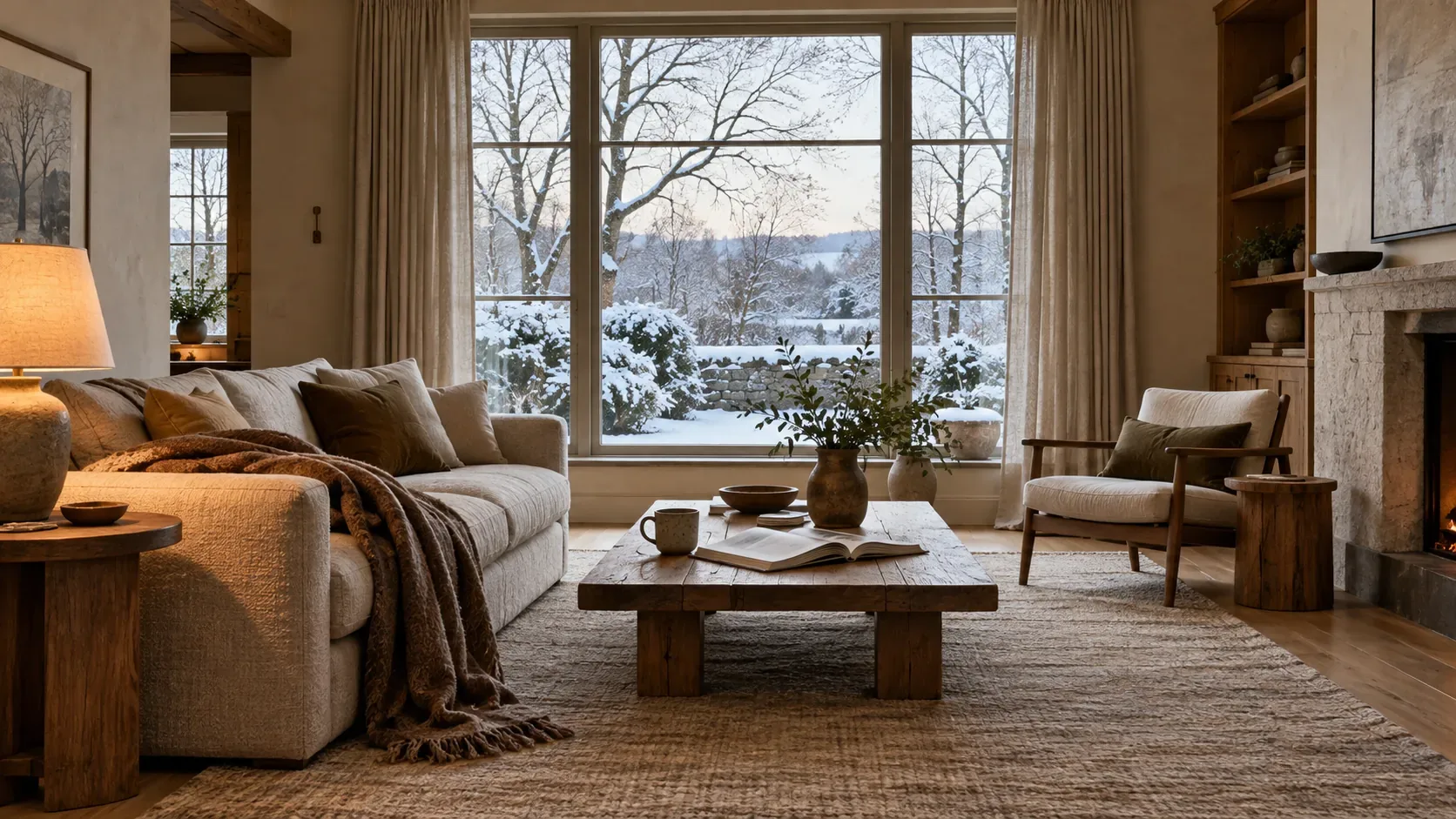
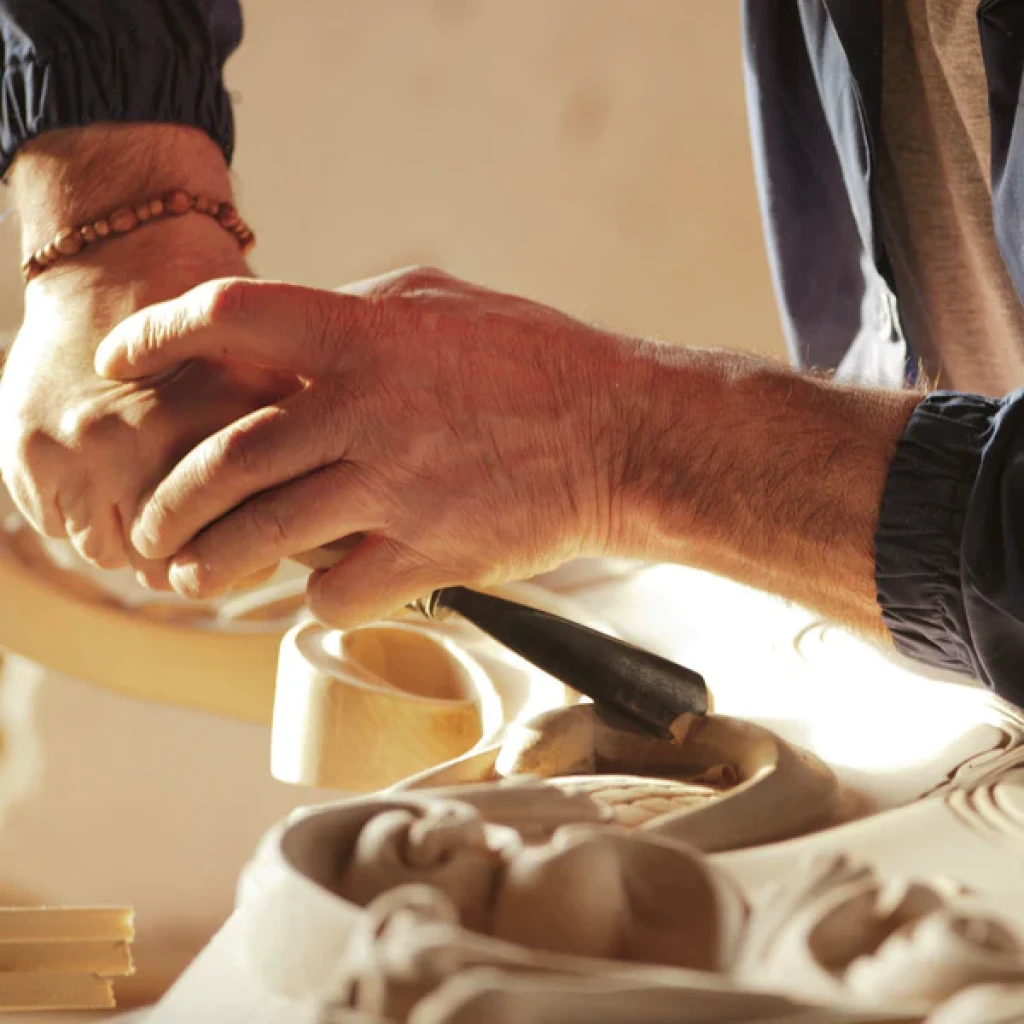
These interiors reflect the growing convergence between luxury hospitality and residential design, with forward-thinking architects often collaborating with artisans to commission bespoke furnishings, textiles, and artwork that reflect the unique narrative of each estate.
Case Studies: Iconic Vineyard Architecture
Several global properties exemplify the transformative power of vineyard architecture in redefining luxury and experience:
1. Château La Coste, Provence, France
Renowned for its fusion of contemporary art and organic winemaking, Château La Coste features pavilions and installations designed by Tadao Ando, Jean Nouvel, and Renzo Piano. The estate’s buildings adopt a restrained material palette, blending glass, local stone, and water to create dialogs with the landscape. The visitor’s path becomes an architectural promenade, each structure offering new vantage points onto the vines and artworks.