The tapestry of the world’s most revered wine estates has dramatically evolved over recent decades, positioning vineyard architecture and winery design as beacons of modern heritage. As enotourism surges in prestige and breadth, the intersection of fine wine, remarkable landscapes, and compelling built form invites a global audience of discerning architects, designers, real estate connoisseurs, and cultural tastemakers. Today, the curves of a cellar roof or the minimalist silhouette of a tasting pavilion become as iconic to a region as the terroir itself. This article explores how contemporary approaches to vineyard architecture are blending history, innovation, and sensorial experience, ensuring wine estates are no longer just places of production but destinations of cultural, architectural, and environmental significance.
The Evolution of Winery Design: From Tradition to Innovation
Historically, wineries served as pragmatic structures, robust stone buildings whose primary function was to age and store wine. However, the past three decades have ushered in a renaissance: the world’s most renowned estates now enlist famed architects to project their brands through avant-garde spatial concepts. From the rolling cypress-backed hills of Tuscany to the luminous valleys of Napa, the reimagination of winery design reflects both an embrace of place and a dialogue with the international canon of contemporary architecture.
Architectural Trends Shaping Modern Wine Estates
- Sculptural Landmarks: Spectacular wineries such as Santiago Calatrava’s Bodegas Ysios in Spain or Herzog & de Meuron’s Dominus Estate in California echo the terroir, employing geometry, materiality, and light to evoke regional spirit and global sophistication.
- Sustainable Integration: Modern wine estates increasingly prioritize environmental harmony, integrating green roofs, rammed earth walls, and underground cellars to maintain optimal conditions and minimize ecological footprints.
- Immersive Guest Experiences: The new generation of vineyard architecture blurs the line between functional space and cultural stage, providing panoramic tasting rooms, art galleries, and culinary theatres that elevate enotourism to a holistic journey.
The Synthesis of Heritage and Contemporary Design
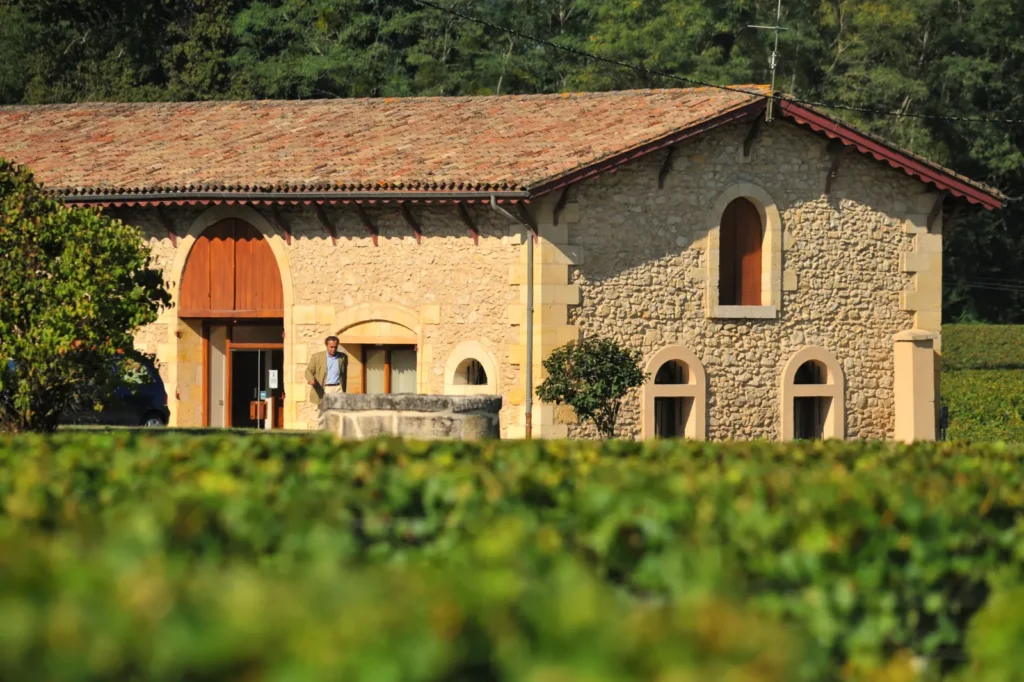
Wine, intrinsically linked to heritage, requires an architectural expression resonant with both legacy and innovation. Leading architectural firms craft estates that reference vernacular forms, a barrel-vaulted roof, terracotta or native stone, while adopting technologies and aesthetic codes of the 21st century. This synthesis generates an architectural language that both honors history and forges new tradition.
Case Studies: Global Pillars of Vineyard Architecture
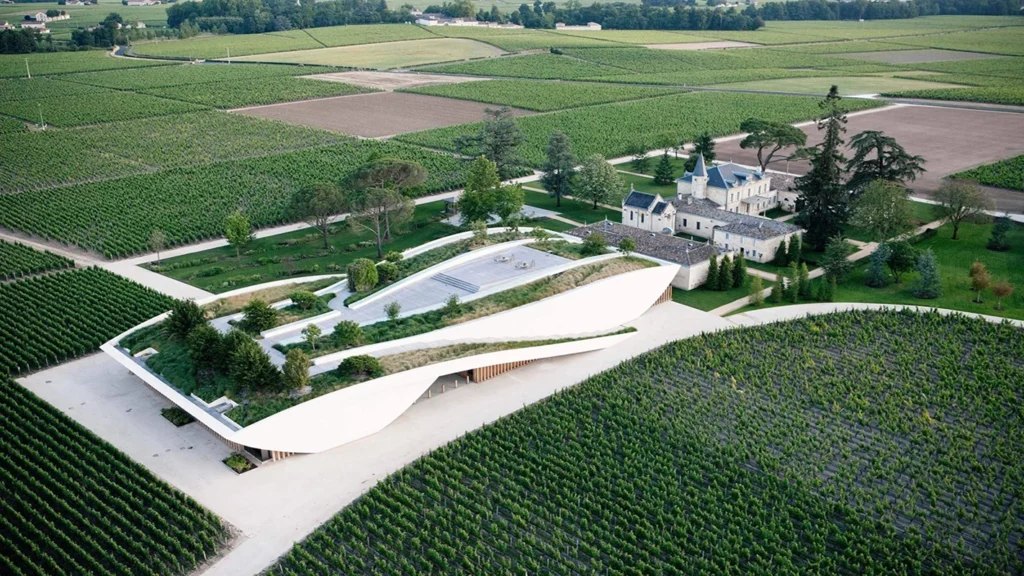
- Château Cheval Blanc, Bordeaux, France: Christian de Portzamparc’s extension features gentle, fluid vaults and glass curtain walls that converse with both vineyard vistas and the château’s classic proportions.
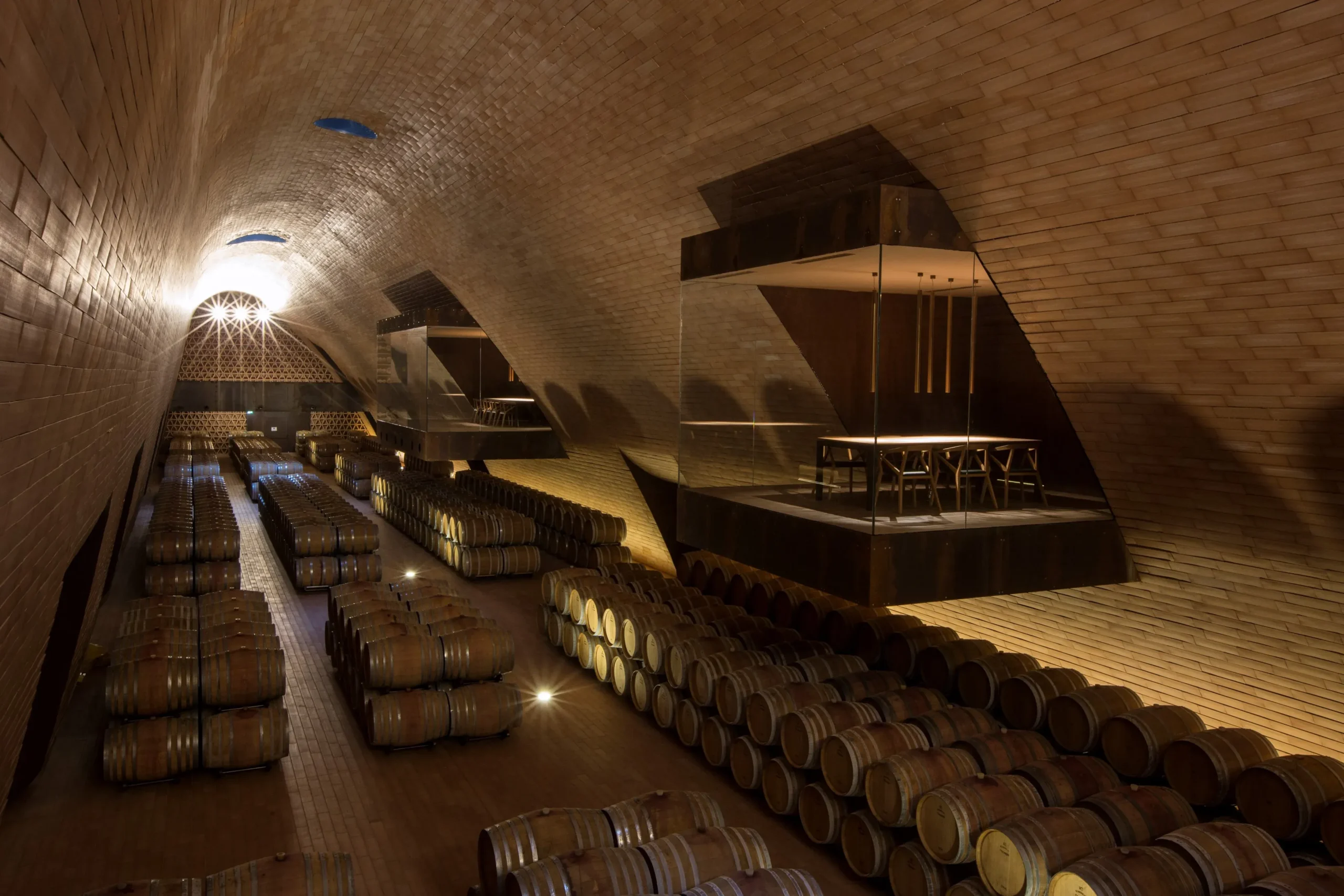
- Antinori Nel Chianti Classico, Tuscany, Italy: Archea Associati’s monumental intervention is set within the earth, with green roofs and cascading terraces that disappear into the Tuscan landscape, epitomizing sustainable winery design.
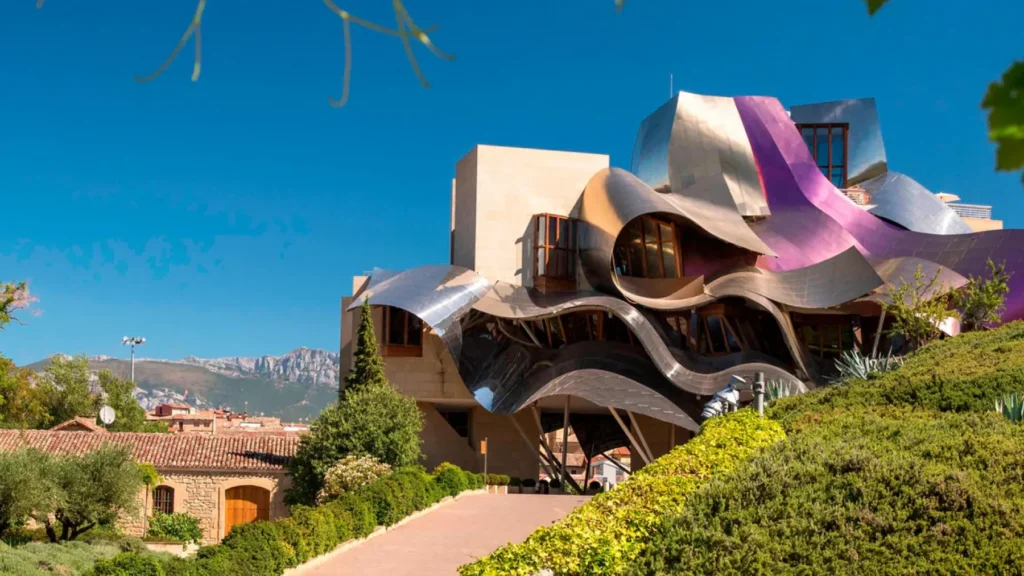
- Marqués de Riscal, Rioja, Spain: Frank Gehry’s gleaming titanium ribbons dance atop this historic estate, contrasting innovation with tradition in a bold statement for enotourism.
- Domaine de Chevalier, Bordeaux, France: Here, contemporary architecture respects the heritage vineyard, combining minimalist interiors with timeless exteriors.
Enotourism and the Role of Design in Cultural Experience
As enotourism matures into a cultural phenomenon, the winery transcends its industrial origins to serve as an epicenter of hospitality, education, and aesthetic pleasure. The architecture not only enhances the appreciation of wine but also crafts indelible memories, drawing aficionados, connoisseurs, and design experts alike.
Design Elements Transforming the Enotourism Experience
- Sensory Pathways: Thoughtful circulation ensures that vistas, aroma, texture, and sound form an orchestrated journey through both the architecture and the terroir.
- Contextual Materiality: The tactile palette, be it indigenous stone, timber aged by the elements, or industrial concrete, connects visitors to place and story.
- Interplay of Light and Shadow: Carefully designed apertures and canopies control illumination, enhancing the aging process and the visitor’s experience.
- Dialogue with Art: Many wineries now commission site-specific installations, sculpture parks, and contemporary galleries, transforming estates into cultural destinations.