Exploring the Artistry Behind Moroccan Craftsmanship

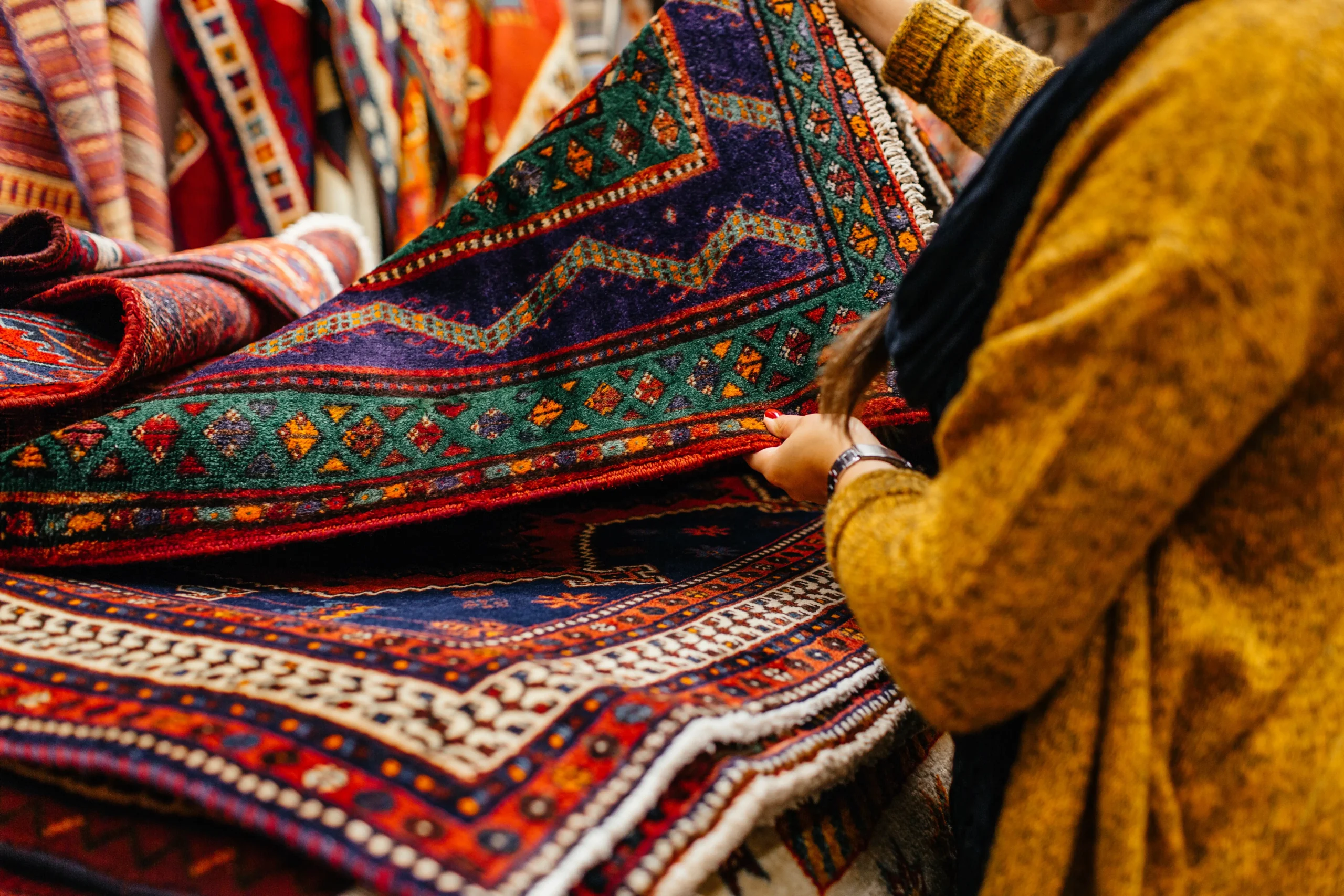
Close-up of a person examining a traditional handwoven Moroccan rug with vibrant geometric patterns.

In the rarefied realm of luxury interiors, discerning architects, visionary designers, and cosmopolitan homeowners continually seek elements that transcend trends to evoke authenticity, opulence, and cultural depth. Moroccan craftsmanship, with its centuries-old legacy, exquisite materiality, and intricate artistry, has emerged as a defining force shaping the aesthetic narrative of global luxury spaces. As the world’s elite seek to infuse their environments with meaning and soul, Morocco’s artisanal heritage—rooted in a confluence of Berber, Arab, Andalusian, and Mediterranean influences—offers both timeless beauty and elevated sophistication. This article explores why Moroccan craftsmanship sits at the epicenter of exceptional luxury interiors, and how its distinct language continues to inspire the world’s most influential residences, resorts, and bespoke design projects.

The Legacy of Moroccan Craftsmanship: An Enduring Heritage

To understand why Moroccan craftsmanship is synonymous with global luxury, one must first appreciate the profound legacy it embodies. From the imperial cities of Fez and Marrakech to remote mountain villages, Moroccan artisans have, for centuries, preserved ancestral techniques passed down through generations. These include sculpted cedar woodwork, hand-forged metal lanterns, zellige mosaic tiles, handwoven rugs, tadelakt lime plastering, and filigree leatherwork. Each craft reflects both regional heritage and a deep, almost spiritual, respect for the handmade—an antidote to the predictability of machine-made luxury.

Key Pillars of Moroccan Craftsmanship

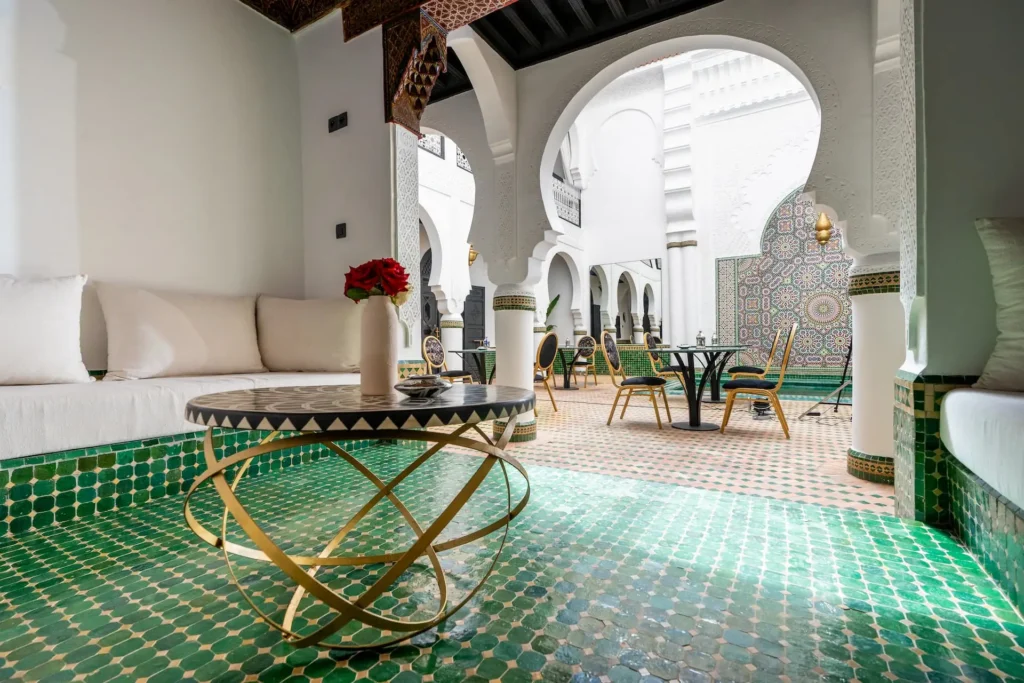
  • Zellige: Hand-cut geometric tiles painstakingly assembled into mesmerizing patterns, gracing palaces, hammams, and contemporary penthouses worldwide.
  • Tadelakt: A lime-based plaster with a silky, undulating finish, melding durability with unmistakable sensuality.
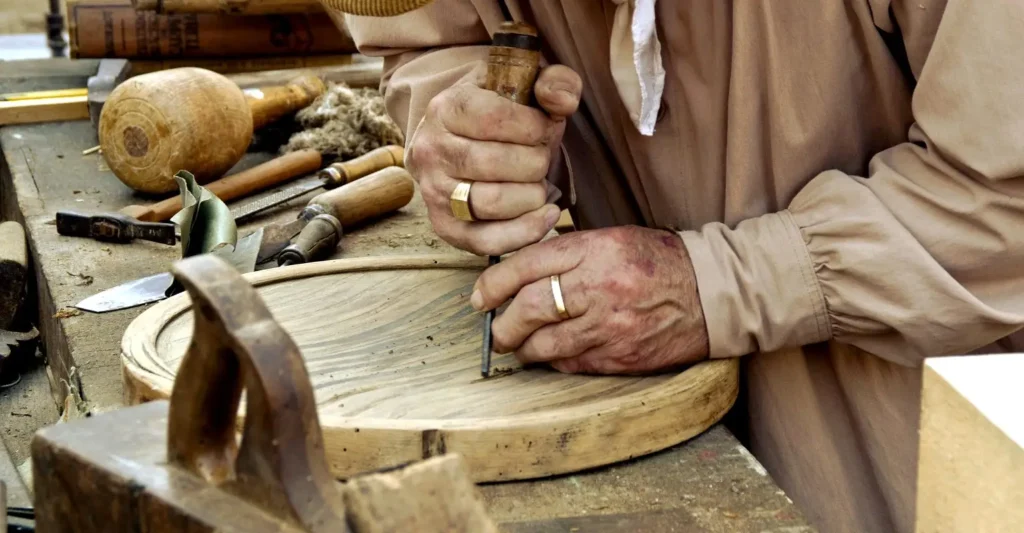
  • Boiserie (Woodwork): Intricately carved cedar ceilings, doors, and screens, each work a meditation on texture and geometry.
  • Metalwork: Moorish lanterns, repoussé trays, and hammered brass or silver objects, often completed by hand in the medina’s ancient souks.
  • Textiles: Luxurious Berber rugs, hand-embroidered linens, and leather poufs, each bearing the distinct signature of their region or tribe.
Moroccan Craftsmanship in the Global Luxury Lexicon

Today’s international luxury interiors celebrate a multicultural, eclectic spirit—defined not only by rarity and refinement, but also by a quest for authenticity and the storytelling embedded in every object and surface. Moroccan craftsmanship provides precisely that: a living history materialized through artistry and innovation.

Why Moroccan Craftsmanship Resonates in Contemporary Design

  • Cultural Authenticity: Each artisan-made piece carries narratives of lineage and place, linking modern spaces to timeless origins.
  • Handmade Excellence: Meticulous handwork and bespoke customizations distinguish Moroccan décor from mass-produced alternatives.
  • Sensory Experience: The tactile richness of carved wood, coolness of polished tadelakt, play of light through pierced lanterns, and softness of handwoven textiles create immersive, multisensory environments.
  • Diversity and Adaptability: Moroccan motifs harmonize with global design languages—from Parisian apartments to desert resorts, from minimalist lofts to maximalist villas.

Prominent Case Studies: Moroccan Craftsmanship in Iconic Interiors

  1. Royal Mansour Marrakech
    Commissioned by King Mohammed VI, Royal Mansour is the very embodiment of Moroccan craftsmanship—from zellige-clad courtyards to embroidered textiles and bespoke mashrabiya panels. Every element results from collaborations with local artisans, setting a global benchmark in luxury hospitality.
  2. Yves Saint Laurent’s Villa Oasis
    The late couturier’s private retreat in Marrakech is a paean to Moroccan craftsmanship, seamlessly blending traditional artistry with avant-garde French taste. Hand-carved latticework, custom tadelakt walls, and collectible Berber carpets epitomize inspired cross-cultural aesthetics.
  3. Contemporary Residences
    From Miami to London, high-profile residences integrate unique pieces—vintage Beni Ourain rugs, tadelakt bathrooms, and hand-painted tiles—curated for their rarity and enduring value.

Elevating Sustainability and Social Impact

In addition to its visual and tactile allure, Moroccan craftsmanship profoundly contributes to sustainability and community empowerment within luxury interiors. These artisanal techniques—rooted in natural materials and low-waste processes—align seamlessly with environmental consciousness.

  • Ethical Sourcing: Artisans harness indigenous resources—Atlas cedar, clay, wool, and pigments—supporting both the land and local economies.
  • Women’s Cooperatives: Female artisans, especially in rural Morocco, are empowered through collectives that preserve traditional skills and provide economic independence.
  • Design Longevity: Handcrafted Moroccan elements are inherently durable and designed for generational use, reducing the cycle of disposable décor.

Specialists in Bespoke Outdoor

A Statement of Outdoor Luxury.
Mediterrazza Logo

Masterpieces of Moroccan Artisanship: Techniques and Traditions

The distinction of Moroccan craftsmanship lies as much in technique as in tradition. Each discipline reflects mastery honed over centuries, lending luxury spaces the gravitas of heritage pieces.

Zellige: The Poetry of Geometry

Zellige is perhaps the most globally recognized facet of Moroccan craftsmanship. Painstakingly hand-chiseled from local clay, each tile is colored, fired, and fitted to create mosaics of breathtaking intricacy. These geometric symphonies adorn the grand entrances of international hotels, custom pool surrounds, and the walls of forward-thinking boutiques.

Tadelakt: Sensuous Surfaces for Modern Interiors

The ancient craft of tadelakt, revived in contemporary luxury, is prized for its seamless, waterproof surface and unmistakable lustre. Its organic, slightly undulating finish appeals to designers wishing to imbue baths, spas, and living spaces with artisanal warmth and Mediterranean sensibility.

Textile Weaving: A Soulful Dialogue with Place

The hand-knotted rugs of the High Atlas, vivid flatweaves from Rabat, and exquisitely embroidered cushions from Fes, all showcase Morocco’s unparalleled heritage in textiles. Each pattern, motif, and dye selection is a coded narrative, often signifying blessings, protection, or clan identity—making every textile a living heirloom.

Master Woodwork and Metalwork

From cedar doors engraved with poetic Quranic verses to filigree ironwork that dapples light, Moroccan craftsmanship in carpentry and metallurgy adds architectural gravitas and crafted intimacy to any environment. These elements, often custom-designed for international commissions, are cherished for their durability and bespoke beauty.

The Future of Moroccan Craftsmanship in Luxury Interiors

As the definition of luxury evolves, the appeal of Moroccan craftsmanship only intensifies. The demand is now for interiors with a sense of place, purpose, and provenance—a shift evident in architectural projects and real estate developments from Marrakech to Manhattan. Collaborations between Moroccan artisans, international design firms, and heritage preservation organizations are spawning new forms that honor tradition while embracing contemporary aesthetics.

Innovations and New Expressions

  • Custom Commissions: Leading designers and developers commission exclusive zellige patterns, tadelakt palettes, and woven works tailored for signature properties.
  • Cross-Cultural Fusion: Moroccan elements are seamlessly integrated into Japanese-minimalist, Scandinavian, and even industrial spaces, crafting unexpected dialogues.
  • Digital Empowerment: Digital platforms connect global clientele to artisan cooperatives, democratizing access to bespoke Moroccan pieces while preserving the integrity of craft.

Investment Value in Design

For collectors and high-net-worth individuals, Moroccan handcrafted objects not only embody design gravitas but appreciate as functional art. The provenance of each piece—often documented and signed—adds value in a highly competitive global market.

Moroccan Craftsmanship as the Mark of Global Distinction

In a world saturated with transient luxury and fleeting decoration, Moroccan craftsmanship endures as a hallmark of refined taste and authentic exclusivity. Its allure lies not just in visual grandeur, but in its storied past, ethical significance, and ability to forge soulful connections between cultures and generations. For international design professionals and discerning property owners alike, weaving Moroccan artistry into interiors is a celebration of heritage, creativity, and the enduring value of the human hand.

Join our Newsletter

Subscription Form

Share on:

Nolita Harbour Logo

The Specialists in Bespoke

Turn your Designs into Reality with Nolita Harbour

Read More

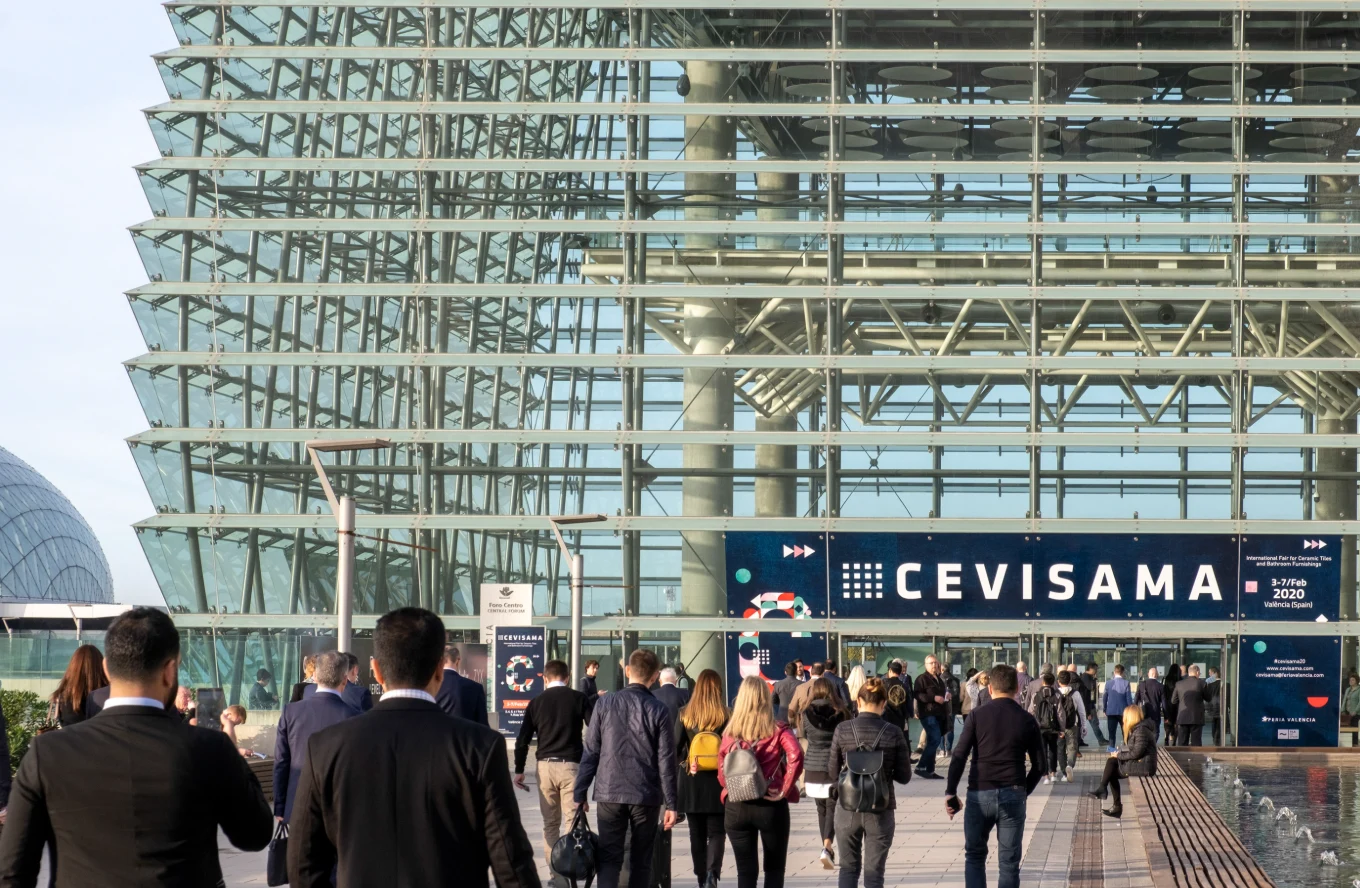
Visitors approaching the glass-fronted entrance of Feria Valencia beneath the Cevisama 2020 banner.

Cevisama 2026: A New Chapter in Materials, Interiors, and the Art of Living

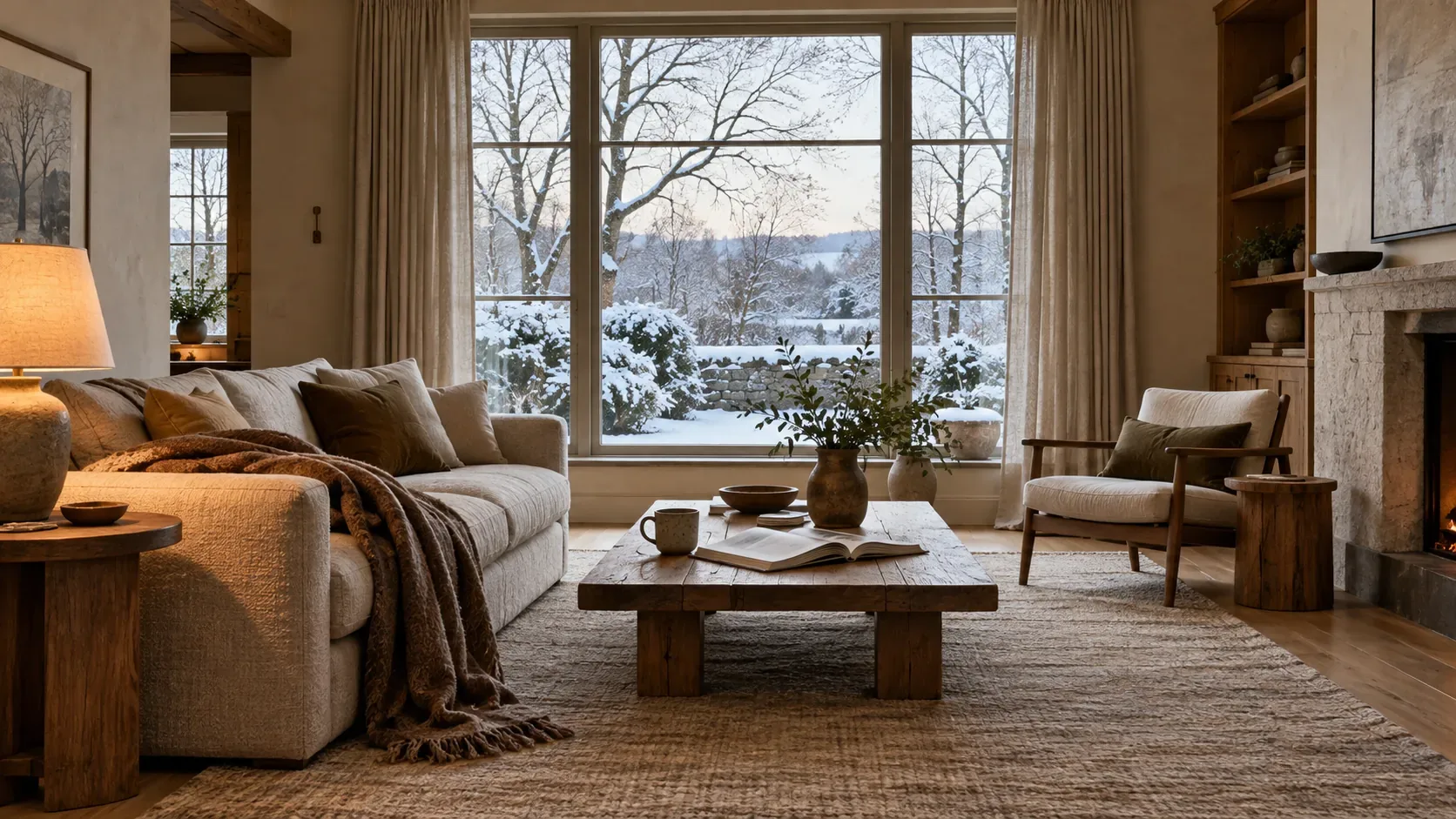
Cozy winter living room with a cream sofa, wool throw, oak coffee table, warm lighting, and views of a snow covered garden.

Cozy Homes: Winter Design Ideas for Warm, Inviting Interiors

Luxury mountain resort with chalet-style architecture, heated outdoor pool, snowy peaks and warm interiors at sunset.

Luxury Mountain Resorts: 8 Exceptional Retreats Redefining the Modern Chalet

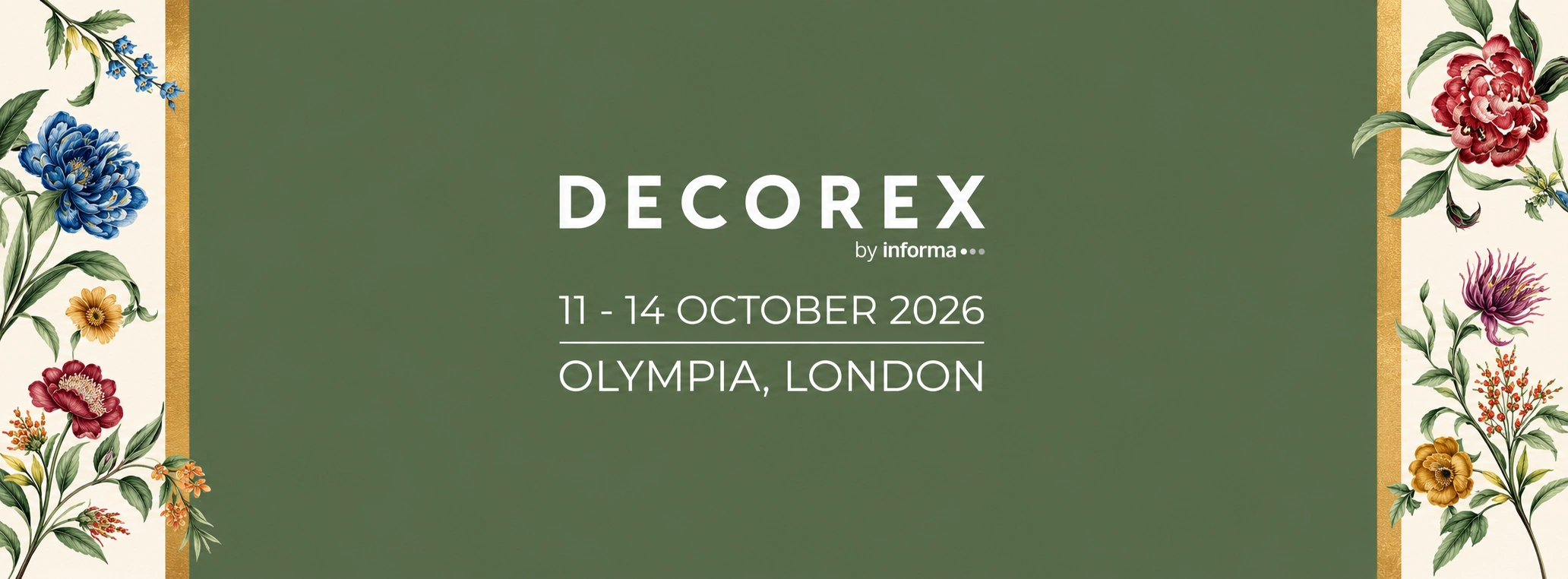
Promotional banner for Decorex 2026 at Olympia London, featuring a deep green background framed by ornate botanical illustrations of colorful flowers and gold accents. The design announces the event dates, 11–14 October 2026, organized by Informa.

Decorex 2026: London’s Annual Event for Luxury Interiors

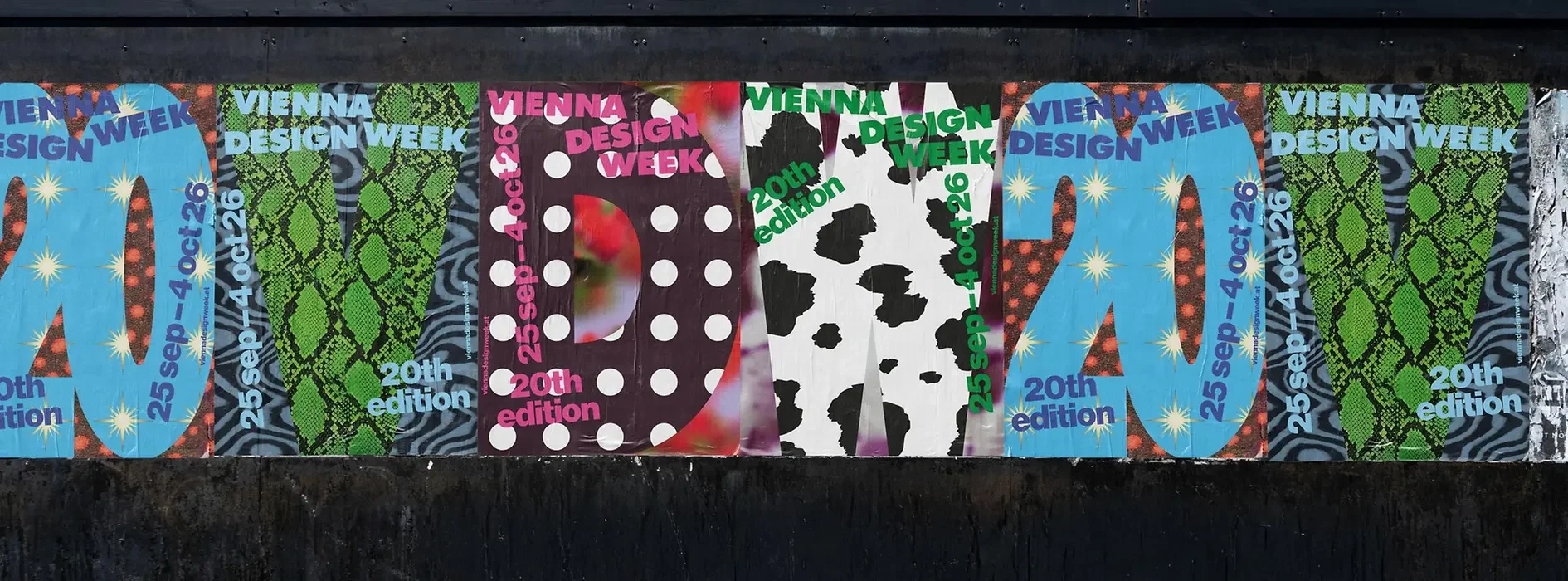
Colorful Vienna Design Week 2026 posters celebrating the festival’s 20th edition across the streets of Vienna.

Vienna Design Week 2026: Celebrating 20 Years of Design, Ideas and Innovation

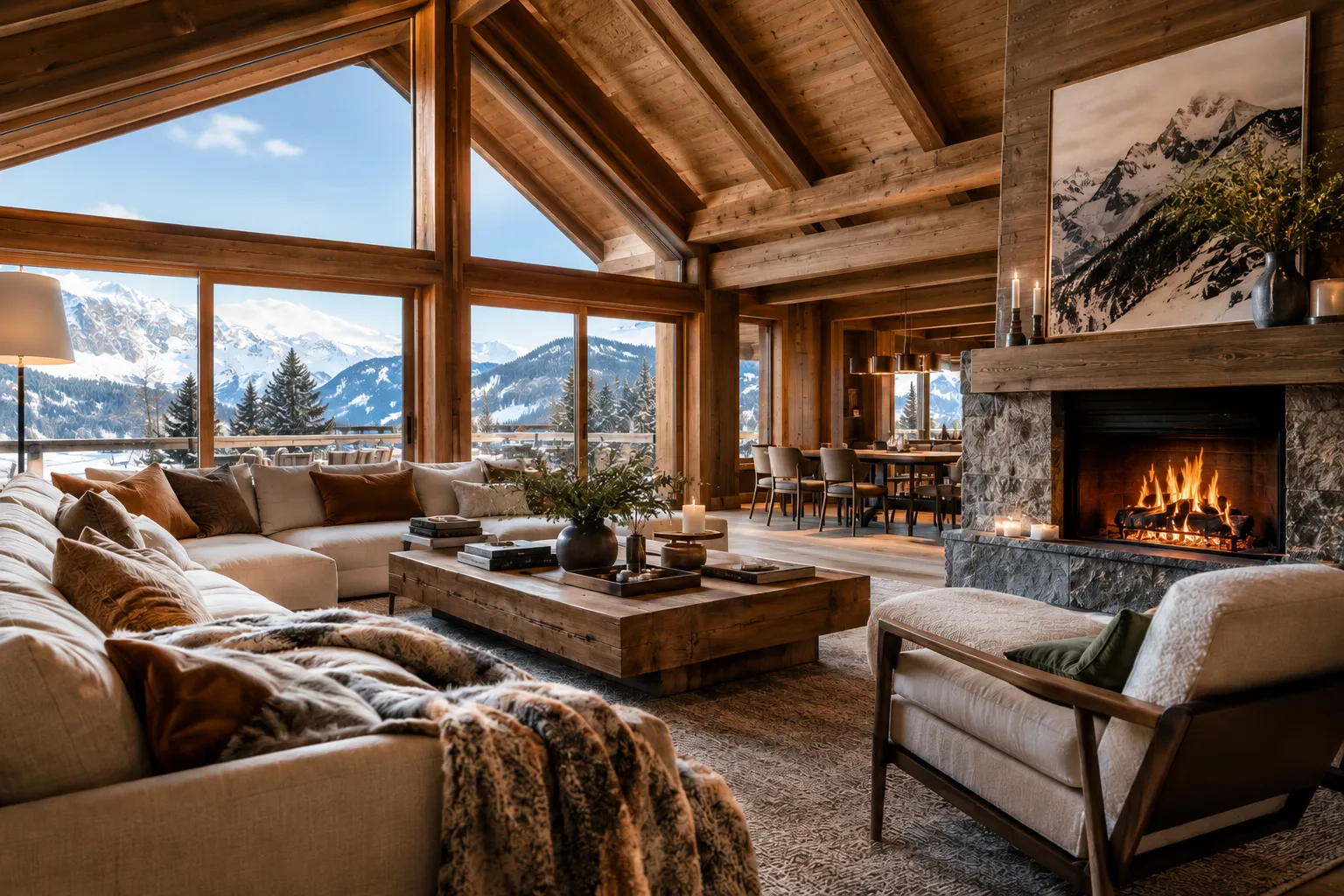
Luxury Alpine chalet interior with exposed timber beams, natural stone fireplace, warm neutral furnishings, and panoramic views of snow covered mountains.

The Art of the Chalet: Architecture, Luxury Interiors and the New Language of Mountain Living

Reader Favorites

Design Miami 2026 - what to look for

Design Miami 2026: The Leading Global Fair for Collectible Design Returns in December

Top 10 Interior Design Trends

Top 10 Interior Design Trends That Will Shape Homes After 2027

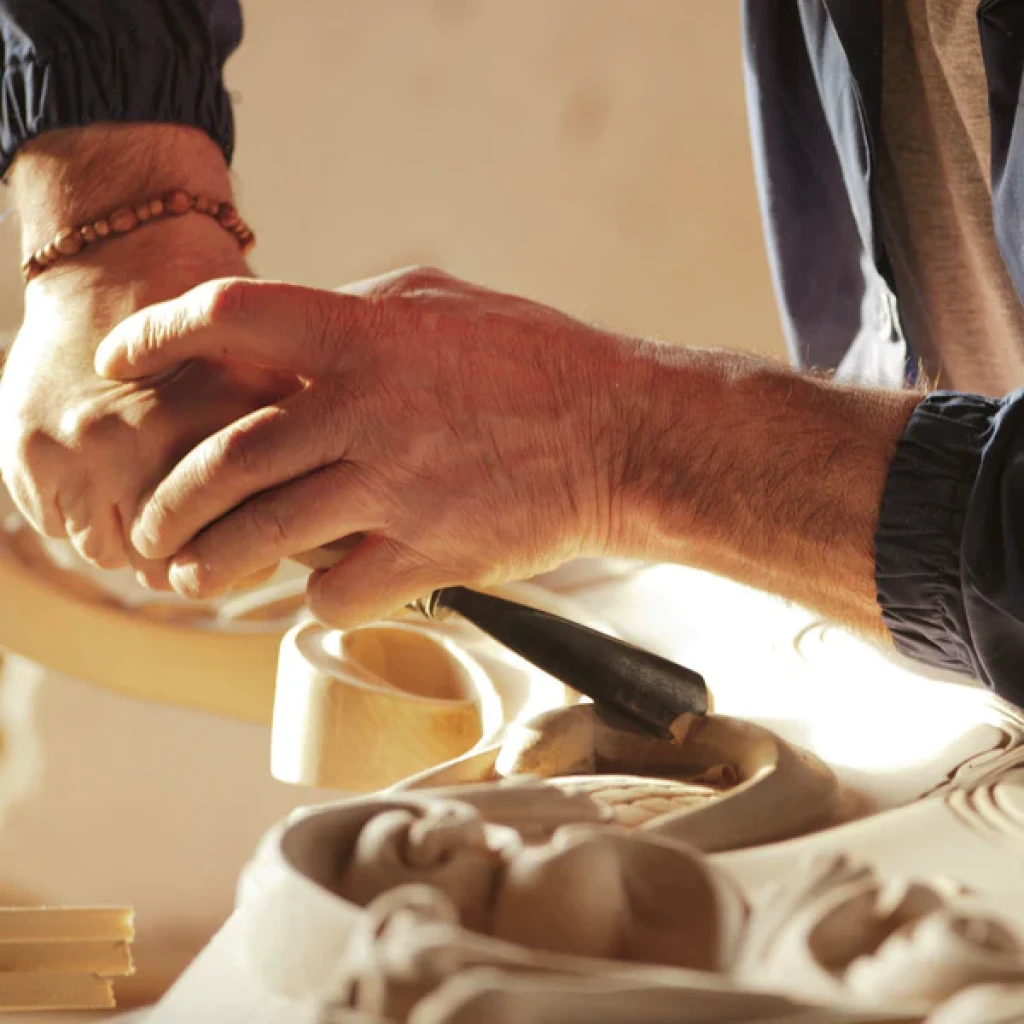
Close-up of artisan hands carving intricate patterns into wood, highlighting the precision and artistry of Italian craftsmanship.

How Artisanal Craftsmanship is Reclaiming its Place in Luxury Interiors

Latest News

Visitors approaching the glass-fronted entrance of Feria Valencia beneath the Cevisama 2020 banner.

Cevisama 2026: A New Chapter in Materials, Interiors, and the Art of Living

Cozy winter living room with a cream sofa, wool throw, oak coffee table, warm lighting, and views of a snow covered garden.

Cozy Homes: Winter Design Ideas for Warm, Inviting Interiors

Luxury mountain resort with chalet-style architecture, heated outdoor pool, snowy peaks and warm interiors at sunset.

Luxury Mountain Resorts: 8 Exceptional Retreats Redefining the Modern Chalet

Join our Newsletter

Join our circle of refined living.
Subscribe for curated stories, news and inspiration.

Subscription Form