

Stone and Marble Furniture has moved far beyond its classical roots to become a defining feature of contemporary interior and outdoor design. Today’s designers, architects, and luxury furniture brands increasingly embrace handcrafted stone pieces for their sculptural presence, durability, and timeless appeal. From minimalist interiors to bold architectural statements, stone and marble elements offer a refined balance between natural materiality and modern aesthetics.
The Rise of Stone and Marble in Contemporary Spaces
Contemporary design often favors clean lines, neutral palettes, and authentic materials. Stone and marble fit seamlessly into this philosophy. Designers no longer treat these materials as purely ornamental; instead, they use them as central design elements that define space and function.
Handcrafted stone furniture stands out because it combines artisanal craftsmanship with modern design language. Each piece carries subtle variations in veining, texture, and tone, ensuring that no two designs are identical. This uniqueness resonates strongly with luxury clients who value exclusivity and authenticity.
Moreover, advances in fabrication techniques have expanded the possibilities of working with stone. Designers now create thinner profiles, more intricate shapes, and lighter structures without compromising strength.
Material Characteristics That Define the Aesthetic
Stone and marble furniture delivers both visual and functional benefits that make it highly desirable in contemporary projects:
1. Natural Beauty and Variation
Marble offers dramatic veining, while stones like travertine and limestone provide softer, organic textures. These natural patterns create visual depth without requiring additional ornamentation.
2. Durability and Longevity
Stone furniture resists wear, heat, and environmental exposure. This durability makes it ideal for both indoor and outdoor applications, especially in high-end residential and hospitality projects.
3. Tactile Experience
Designers increasingly focus on sensory experiences. The cool, smooth surface of marble or the slightly textured feel of natural stone adds a tactile dimension that enhances user interaction.
4. Sustainability Appeal
When sourced responsibly, stone furniture can align with sustainable design goals. Its longevity reduces the need for replacement, and many designers favor locally sourced materials to minimize environmental impact.
Applications in Interior Design
Sculptural Tables
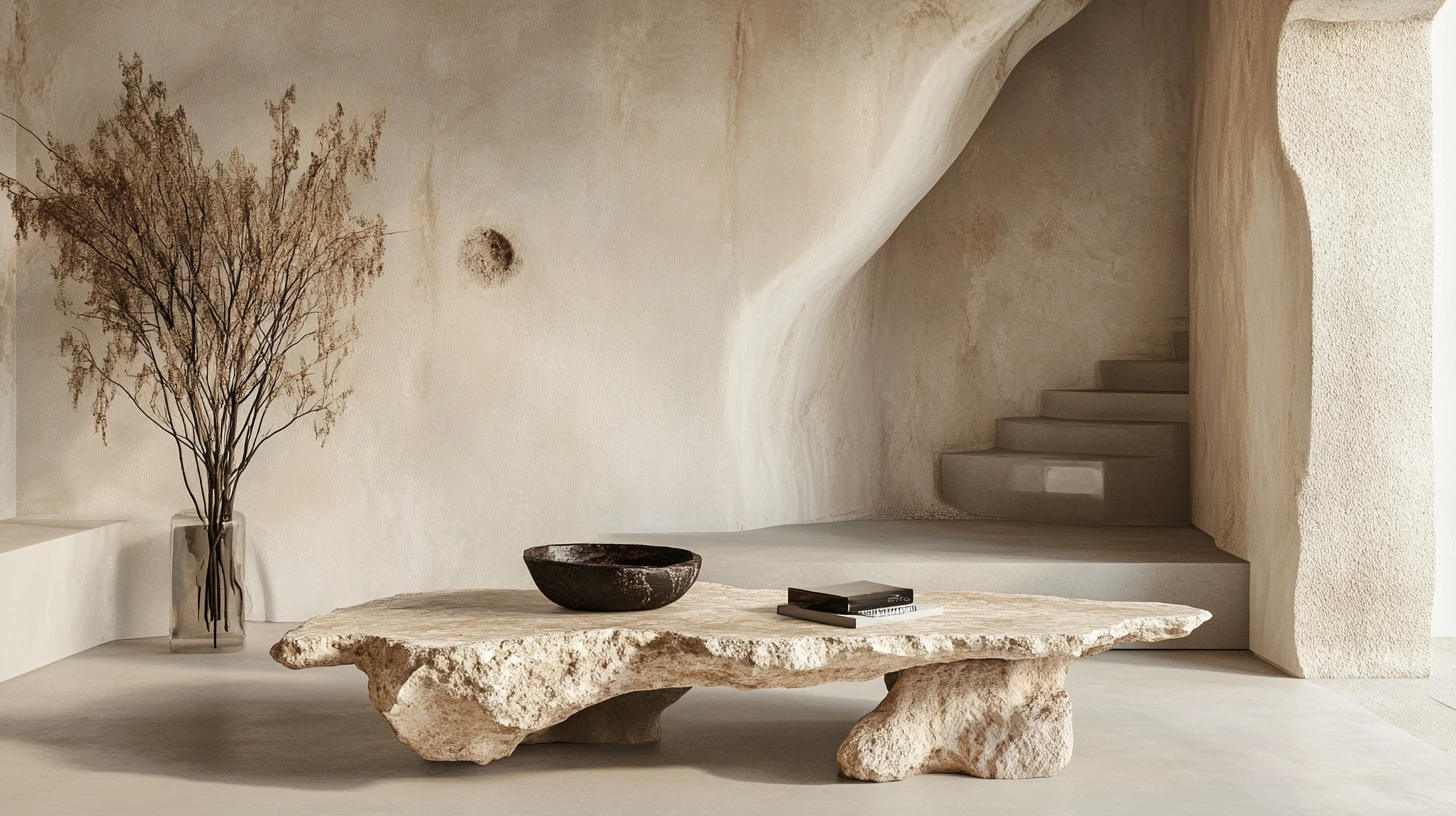
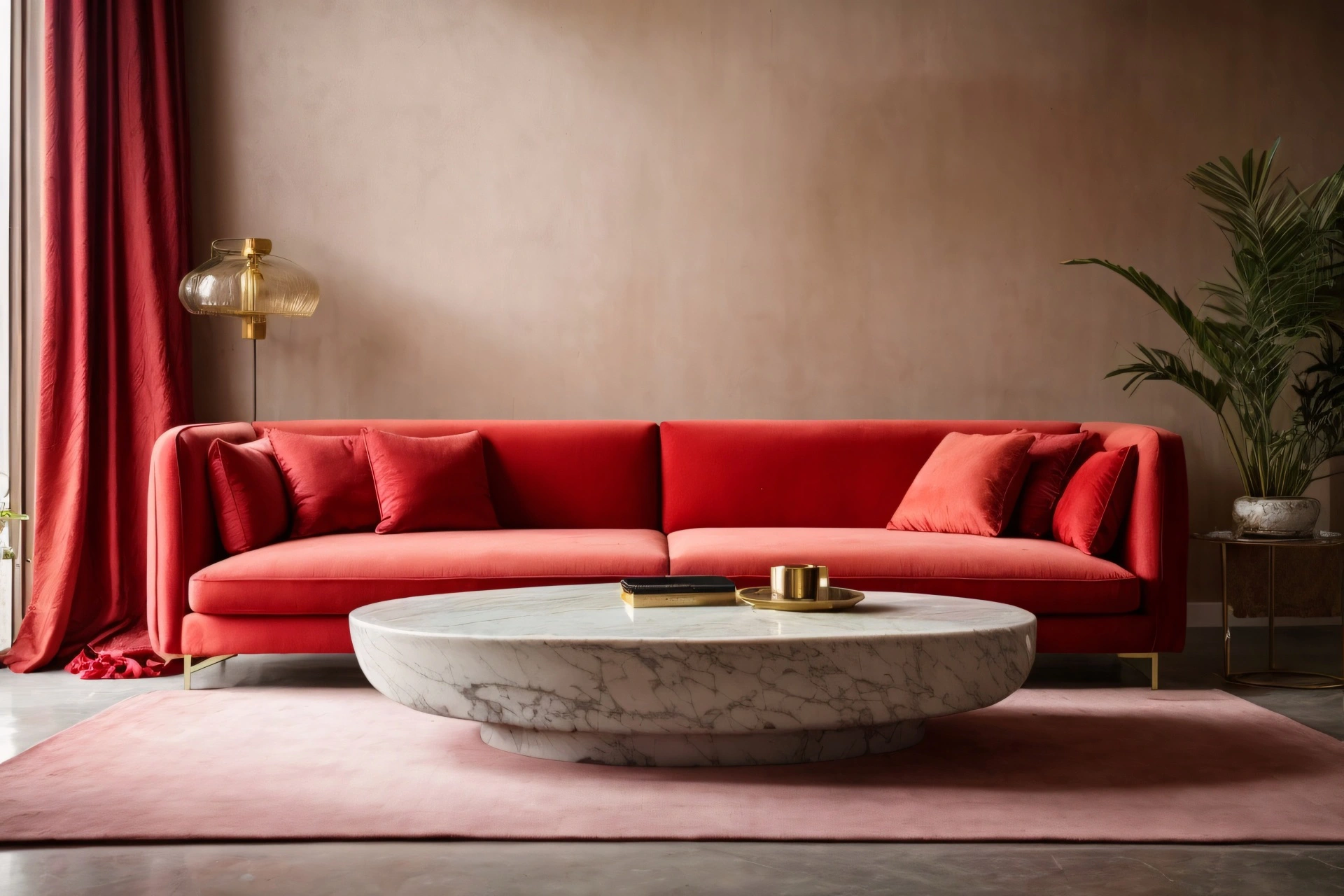
Dining and coffee tables remain the most popular applications for stone and marble furniture. Designers often use bold geometric forms—monolithic bases, asymmetrical slabs, or carved pedestals—to create statement pieces.
Integrated Furniture and Architecture
In contemporary interiors, the line between furniture and architecture often blurs. Stone benches, built-in consoles, and kitchen islands function as both structural and decorative elements.
Bathroom and Spa Environments
Marble vanities, stone sinks, and custom benches elevate bathroom design into a luxurious, spa-like experience. The material’s resistance to moisture makes it particularly suitable for these environments.
Accent Pieces
Side tables, stools, and decorative objects allow designers to introduce stone in subtle ways. These smaller elements can anchor a space without overwhelming it.
Outdoor Design and Landscape Integration
Stone furniture excels in outdoor environments due to its resilience and natural compatibility with landscapes. Designers frequently incorporate it into terraces, gardens, and poolside areas.
Seamless Indoor-Outdoor Transitions
Modern architecture often emphasizes continuity between interior and exterior spaces. Using the same stone material for both environments creates a cohesive visual flow.
Weather Resistance
Unlike wood or metal, stone withstands temperature fluctuations, UV exposure, and moisture with minimal maintenance. This makes it ideal for long-term outdoor installations.
Landscape Harmony
Stone furniture blends naturally with surrounding elements such as greenery, water features, and natural terrain. Designers often use raw or minimally finished stone to enhance this connection.











