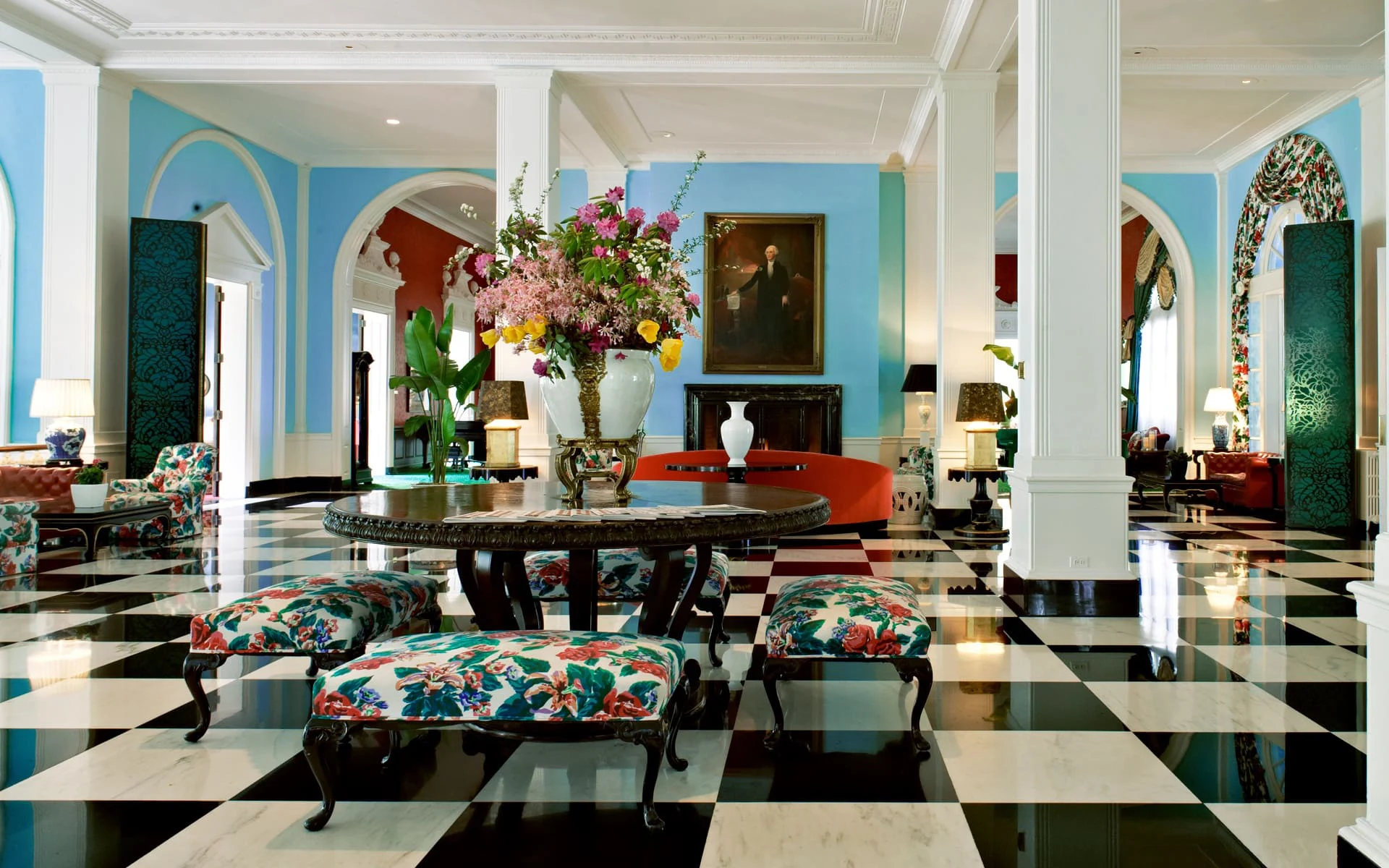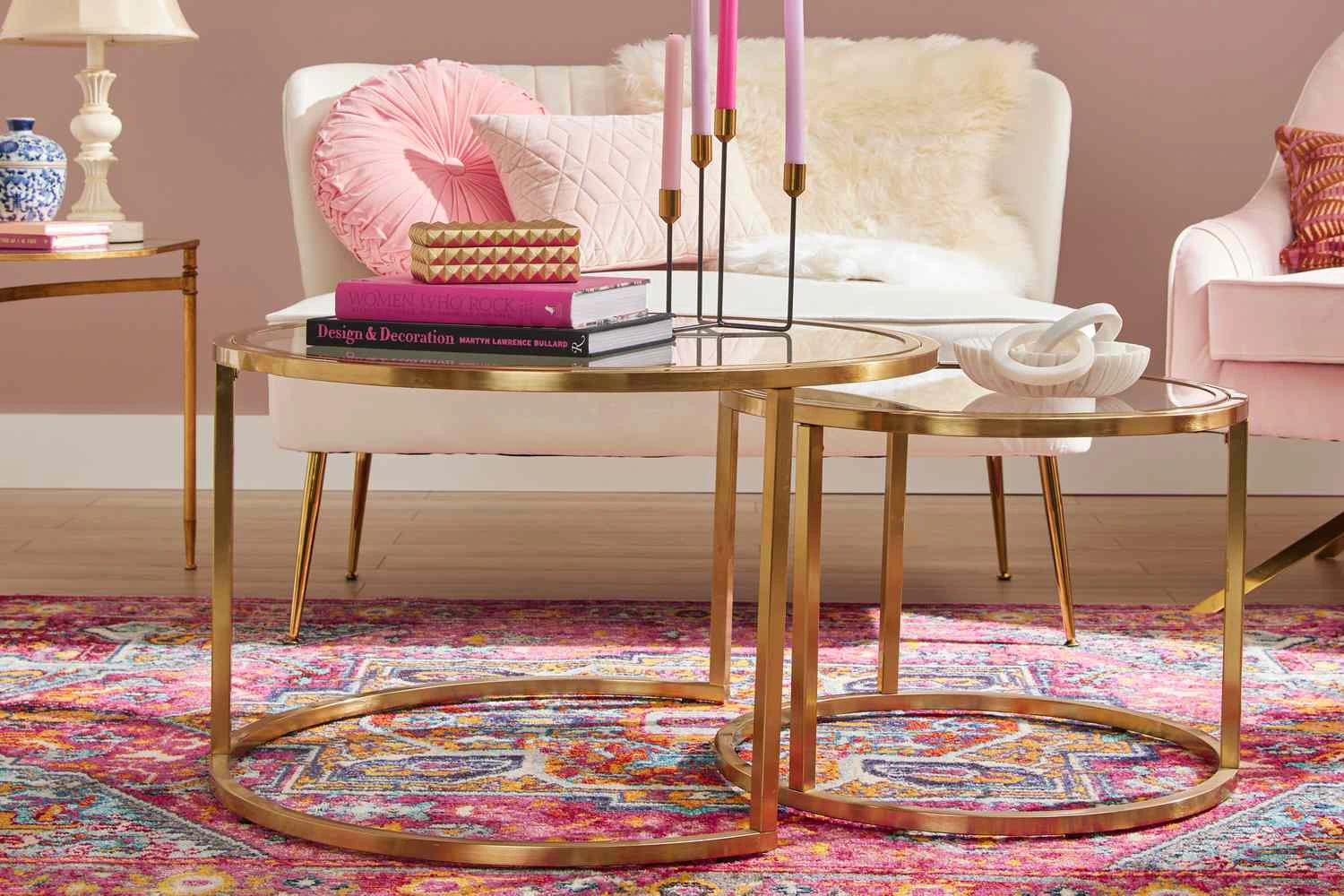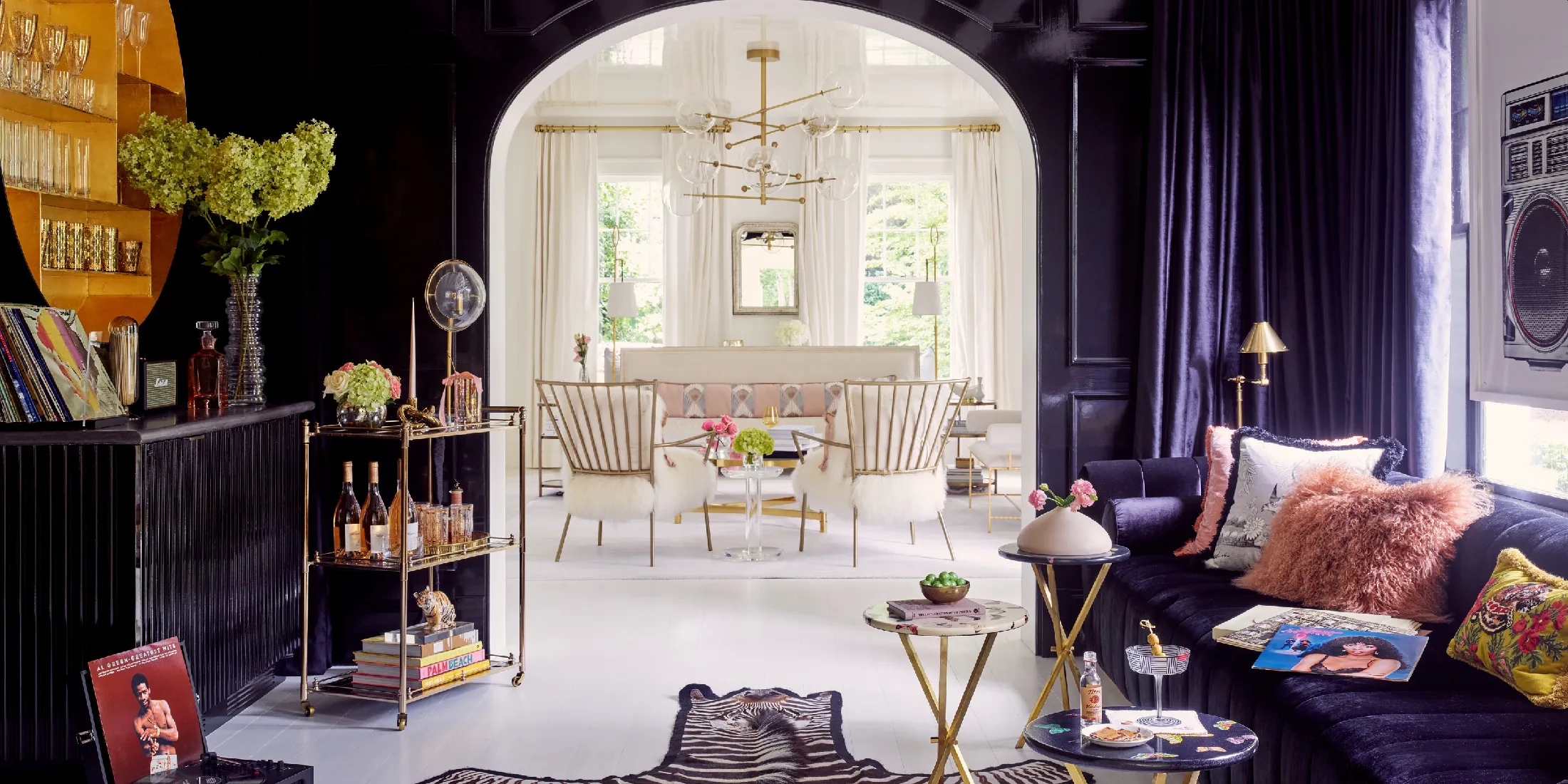
The Hollywood Regency design style represents glamour, drama, and unapologetic luxury. Born during the Golden Age of cinema, this aesthetic continues to influence high-end interiors, furniture collections, and hospitality design worldwide.
For interior designers, architects, and luxury brands, Hollywood Regency offers more than visual appeal—it delivers a strategic design language built on contrast, craftsmanship, and bold identity.
The Origins of Hollywood Regency
Hollywood Regency emerged in 1930s–1950s California, where film studios shaped not only movies but also interior aesthetics. Designers created lavish sets for stars, then translated those ideas into real homes.
Two pioneers defined the movement: Dorothy Draper and William Haines. They rejected traditional restraint and embraced theatrical elegance, blending classical elements with modern glamour.
This style evolved alongside Hollywood’s rise, turning celebrity homes into showcases of aspirational living.
Defining Characteristics of the Style
Hollywood Regency stands out because it balances opulence with structure. It doesn’t rely on excess alone—it uses intentional contrast and curated drama.
1. Bold Contrast and High Drama
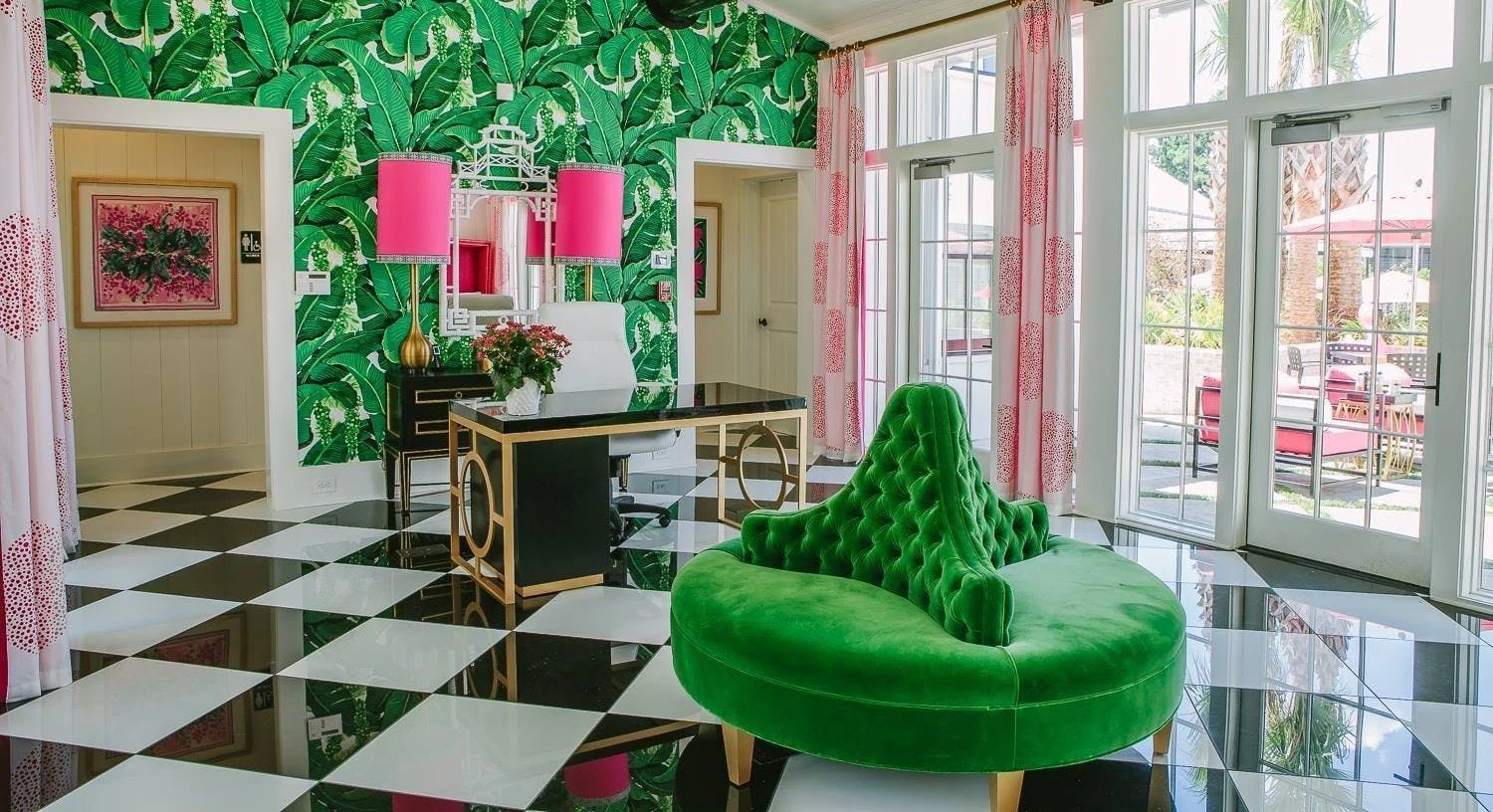
Designers often combine black and white palettes with metallic accents. This contrast creates instant visual impact and anchors the space.
2. Luxurious Materials
Expect to see:
- Velvet upholstery
- Lacquered finishes
- Brass, gold, and chrome details
- Glass and mirrored surfaces
These materials reflect light and amplify the sense of space and glamour.
3. Statement Furniture
Furniture acts as sculpture in Hollywood Regency interiors. Think curved silhouettes, tufted sofas, and oversized headboards.
Influences from Billy Baldwin also introduced cleaner lines, proving the style can adapt without losing its identity.
4. Layered Textures and Patterns
Designers mix geometric patterns with organic textures. The goal is richness without visual chaos.
How to Decorate with Hollywood Regency in Mind
Designing in Hollywood Regency requires precision. Every element must contribute to a cohesive, high-impact result.
Start with a Neutral Base
Use white, cream, or soft gray walls to create a clean backdrop. This allows bold furniture and accessories to stand out.
Introduce Statement Pieces
Choose one or two focal elements:
- A sculptural sofa
- A dramatic chandelier
- A bold coffee table
Avoid overcrowding. Each piece should command attention.
Use Mirrors Strategically
Mirrors play a critical role in Hollywood Regency. They expand space, reflect light, and enhance luxury. Consider mirrored walls, consoles, or decorative panels.
Incorporate Metallic Accents
Gold and brass finishes add warmth, while chrome introduces a cooler, modern edge. Use them in lighting, hardware, and furniture detailing.
Add Glamorous Textiles
Velvet, silk, and faux fur elevate tactile experience. Layer cushions, drapery, and upholstery to create depth.