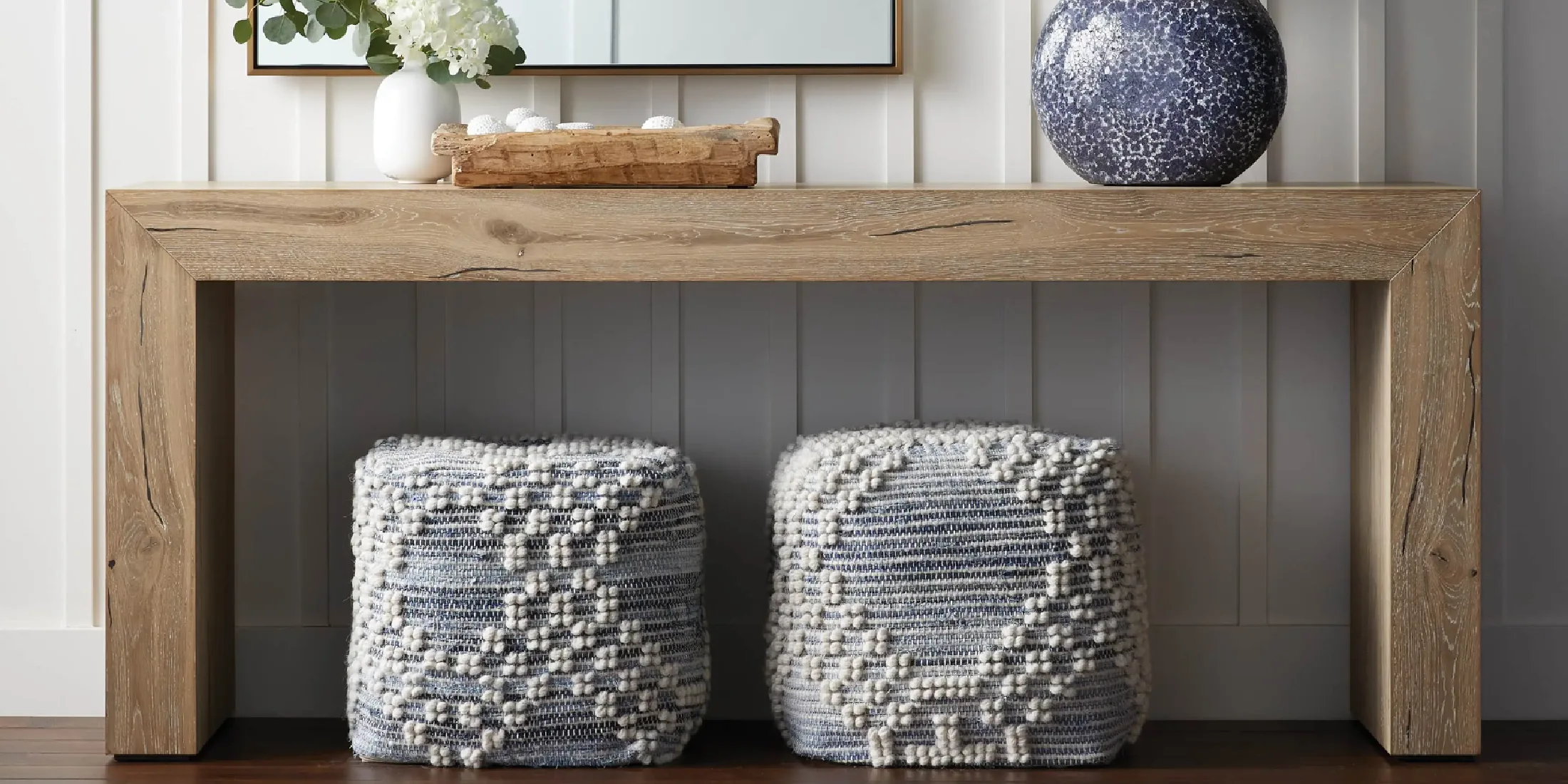
Entryways set the tone for an entire interior. Designers often treat them as transitional zones, yet they offer one of the strongest opportunities to express architectural character and material sophistication. Among the most versatile furniture pieces for these spaces are console tables.
For interior designers, architects, luxury design studios, and furniture brands, console tables provide a strategic combination of function, proportion, and visual impact. Positioned along a wall or within a foyer, they introduce structure to the entry sequence while allowing designers to showcase materials, lighting, and decorative composition.
Used thoughtfully, console tables transform entryways from simple circulation zones into curated architectural moments.
The Role of Console Tables in Entryway Architecture
The entryway operates as the first spatial experience inside a home, hotel, or commercial interior. Architects and designers use furniture to reinforce spatial hierarchy, and console tables play a central role in this process.
Unlike larger furniture pieces, console tables maintain a slender footprint. Their narrow depth allows them to fit comfortably in corridors, foyers, and transitional spaces without interrupting movement. At the same time, their horizontal surface introduces a visual anchor that balances vertical architectural elements such as doors, wall panels, and staircases.
For high-end interiors, console tables help define the visual rhythm of the entry sequence, guiding visitors from the doorway toward the main living areas.
Creating a Focal Point in the Entryway
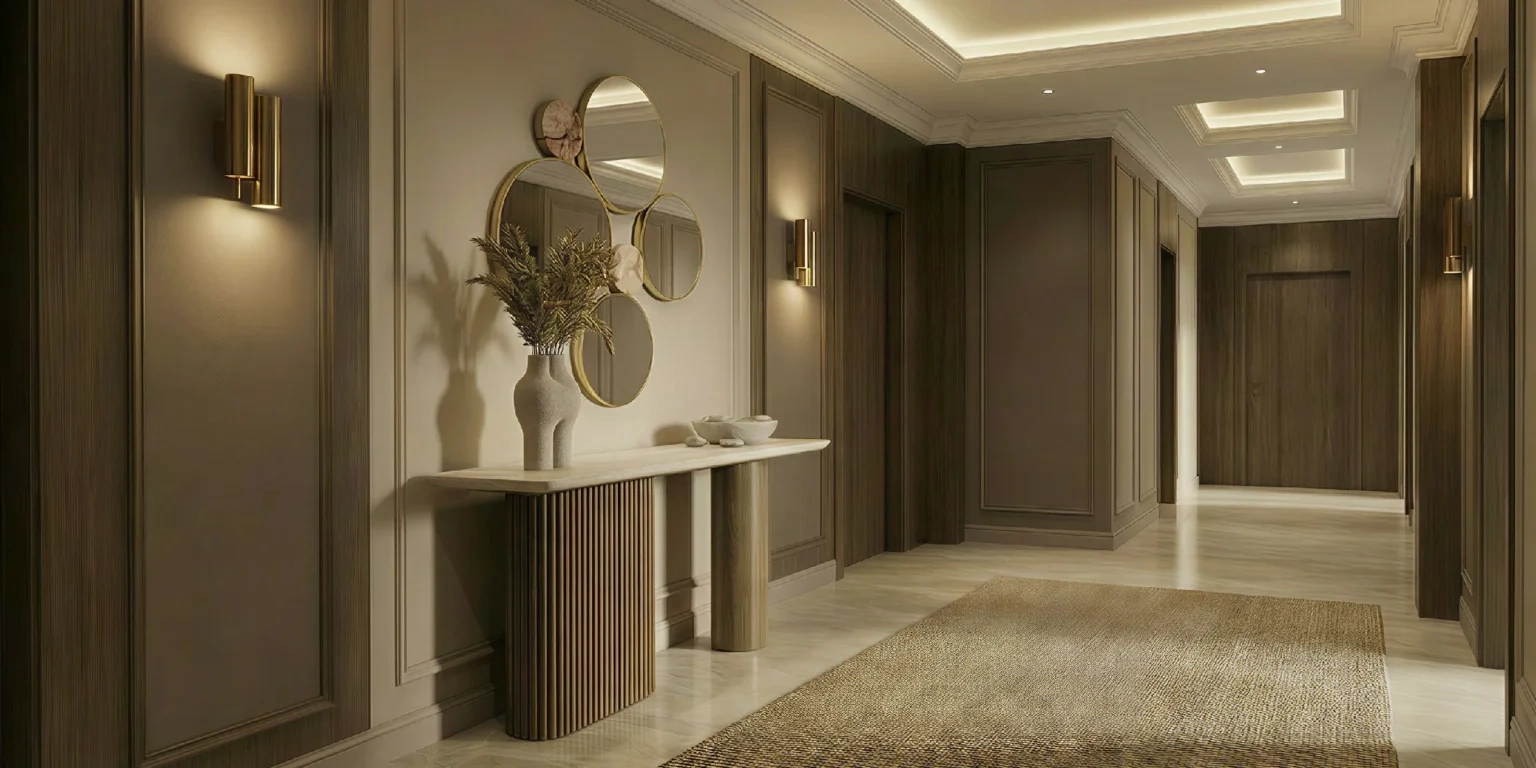
A carefully selected console table can become the focal point of an entry space. Designers often position these pieces beneath mirrors, artwork, or architectural lighting to create a layered composition.
The horizontal plane of a console table naturally supports decorative elements such as sculptural objects, ceramics, or lighting fixtures. This arrangement allows designers to create an intentional vignette that immediately captures attention when someone enters the space.
In luxury residential projects and boutique hospitality environments, the console table often acts as the visual centerpiece of the foyer. Its materials and craftsmanship communicate the design language of the entire interior.
For example, a stone console paired with a large mirror and ambient lighting can establish a dramatic and refined entry experience.
Enhancing Spatial Proportions
Console tables help designers manipulate spatial proportions in entryways that might otherwise feel narrow or empty.
Because of their elongated profile, these tables emphasize horizontal lines along a wall. This visual effect balances vertical architectural features and makes tight entry corridors feel more expansive.
In large foyers, designers often choose larger or sculptural console tables to maintain proportional harmony with the surrounding architecture. In smaller entryways, slimmer designs provide functionality without overwhelming the space.
Furniture brands increasingly develop console tables with architectural silhouettes, allowing them to act as subtle structural elements rather than simple accessories.
Showcasing Materials and Craftsmanship
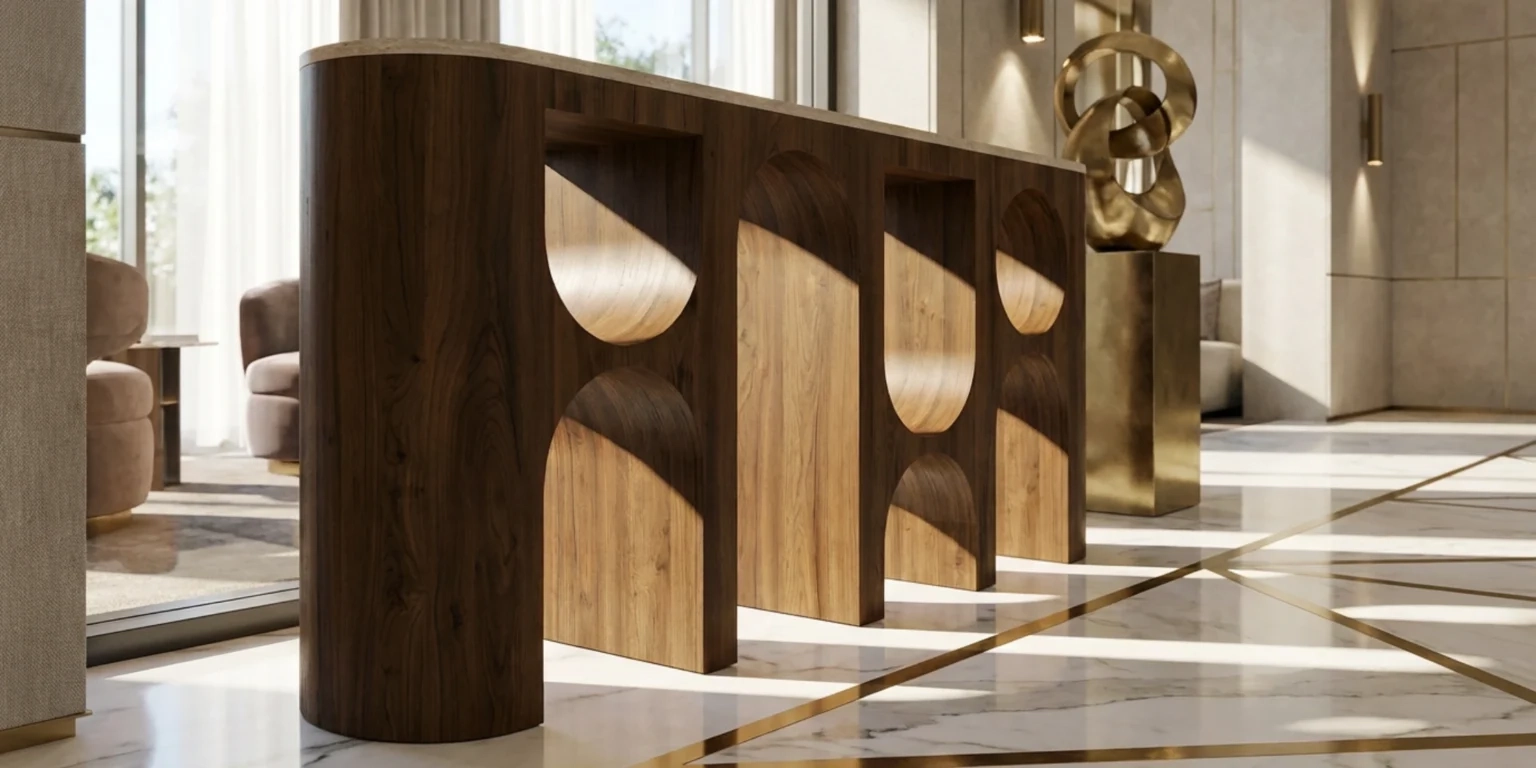
Entryways provide an ideal setting for highlighting craftsmanship, and console tables often serve as the perfect platform for material expression.
Designers frequently select console tables made from materials that reflect the interior’s broader palette, such as:
- natural stone surfaces
- solid wood with visible grain
- brushed or patinated metals
- glass or acrylic structures
- mixed-material compositions
These materials introduce tactile richness and visual depth at the very first moment someone encounters the interior.
Luxury design studios often commission bespoke console tables with handcrafted details. These pieces showcase joinery, finishing techniques, and sculptural forms that elevate the entire entryway composition.
When visitors step into a space and immediately encounter a beautifully crafted console table, they experience the precision and quality behind the interior design.
Supporting Functional Entryway Needs
Beyond aesthetics, console tables also support the practical functions of an entryway.
Residents and guests often need a surface where they can temporarily place small personal items. Console tables provide an elegant solution without introducing bulky storage furniture into the entry zone.
Designers frequently incorporate subtle functional elements such as:
- shallow drawers for keys or accessories
- integrated shelves for decorative baskets
- concealed compartments for small objects
These features maintain a clean visual appearance while supporting daily routines.
For luxury residential interiors, this balance between refined design and discreet functionality remains essential.
Layering Lighting and Decorative Elements
Lighting plays a critical role in entryway design, and console tables provide the perfect platform for layered illumination.
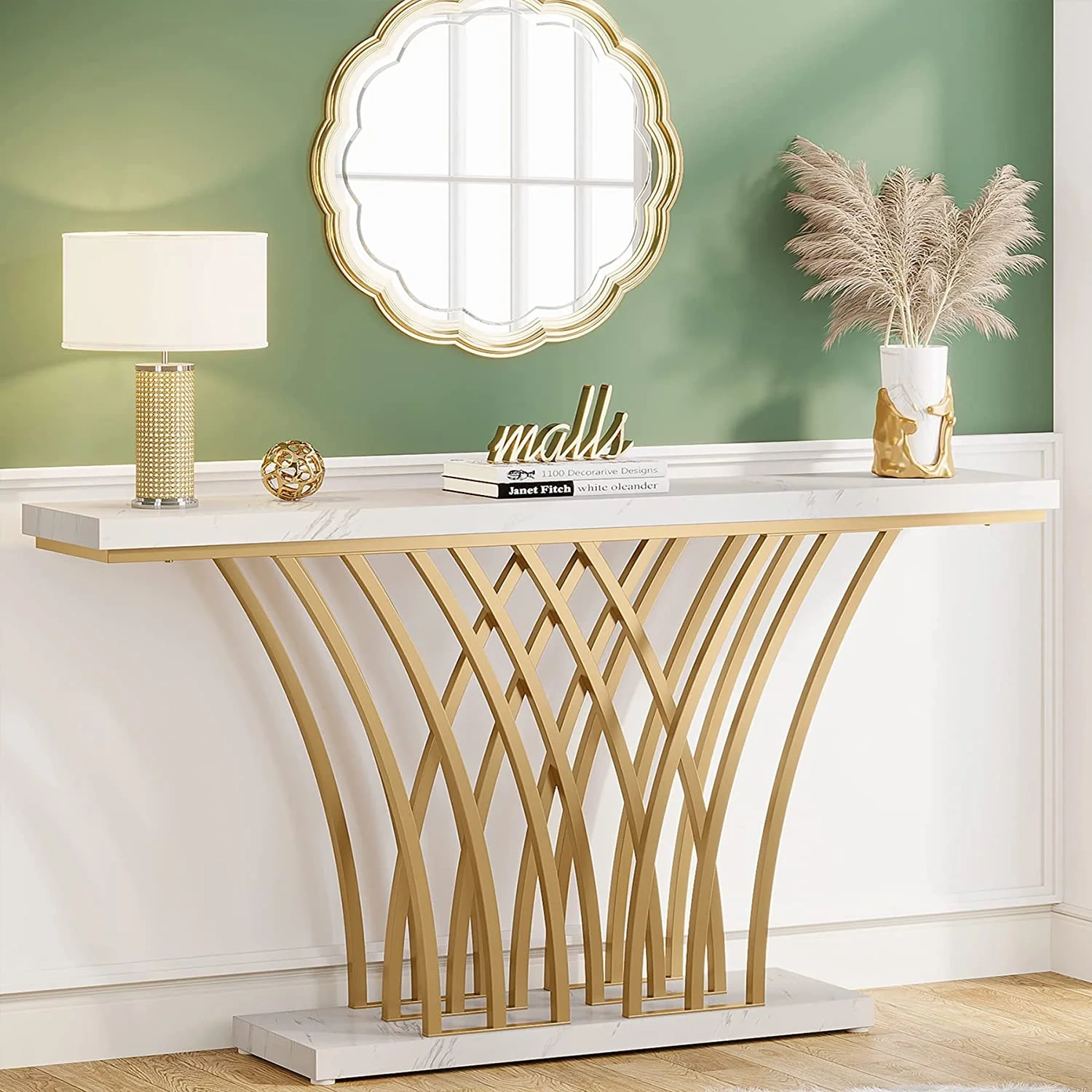
Designers often place table lamps, sculptural lighting pieces, or candle arrangements on top of console tables. This layered lighting approach softens the transition between exterior daylight and interior atmosphere.
The reflective surfaces often used in entryways—such as mirrors, metallic finishes, or glass objects—interact with this lighting to create visual depth.
This composition transforms the entryway into an inviting, atmospheric environment rather than a purely functional corridor.
Reinforcing Design Identity in Luxury Interiors
Luxury residential projects and high-end hospitality spaces often rely on strong visual storytelling. Console tables help reinforce this narrative at the earliest stage of the spatial journey.
For example:
- A minimalist marble console can reinforce a contemporary architectural language.
- A carved wood console may echo artisanal craftsmanship within a Mediterranean-inspired interior.
- A metal-framed console with glass surfaces can support a modern urban aesthetic.
Because the entryway establishes the first visual impression, designers frequently select console tables that reflect the core identity of the project.
This strategic use of furniture allows designers to introduce materials, shapes, and finishes that will reappear throughout the interior.
Console Tables in Hospitality and Commercial Spaces
While residential interiors frequently feature console tables, these pieces also play an important role in commercial and hospitality environments.
Boutique hotels, galleries, and luxury retail spaces often use console tables to structure reception areas, corridors, or transitional zones.
In these contexts, console tables may support:
- floral installations
- sculptural objects
- branded decorative displays
- lighting features that define the atmosphere
Their slim proportions make them particularly effective in hospitality settings where designers must balance visual impact with efficient circulation.
Integrating Console Tables with Architectural Elements
Successful entryway design often depends on the integration of furniture with architectural details. Console tables can align with wall paneling, niches, or built-in shelving to create a cohesive composition.
Architects frequently design entryway walls with subtle recesses or architectural frames that naturally accommodate a console table. This approach enhances the relationship between furniture and structure.
Some luxury interiors also incorporate custom console tables designed specifically for the architectural layout, ensuring perfect alignment with materials and proportions.
This level of integration reinforces the overall spatial harmony of the entryway.
The Lasting Appeal of Console Tables in Entryway Design
Console tables remain one of the most versatile and elegant furniture pieces available to interior designers and architects. Their slim profile, visual impact, and functional versatility allow them to elevate entryway environments in both residential and commercial projects.
For furniture brands and luxury design studios, console tables offer an opportunity to explore material innovation, craftsmanship, and sculptural form. For designers, they provide a powerful design tool capable of shaping the very first impression of a space.
When thoughtfully integrated into the entry sequence, console tables transform entryways into architectural statements that balance function, artistry, and atmosphere.