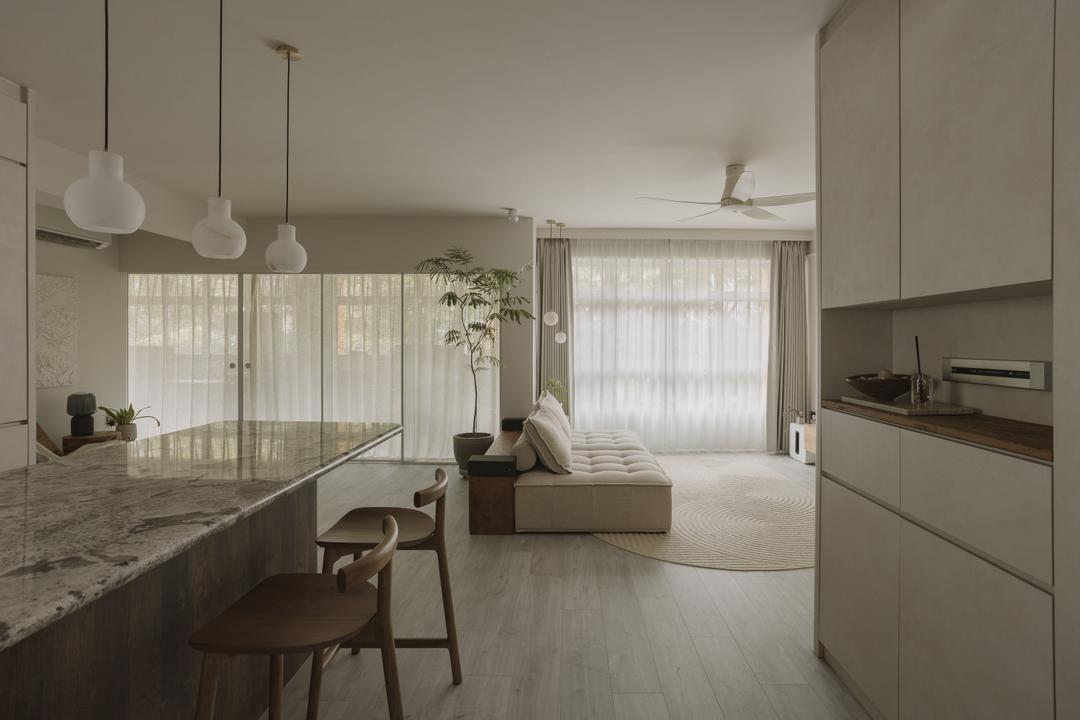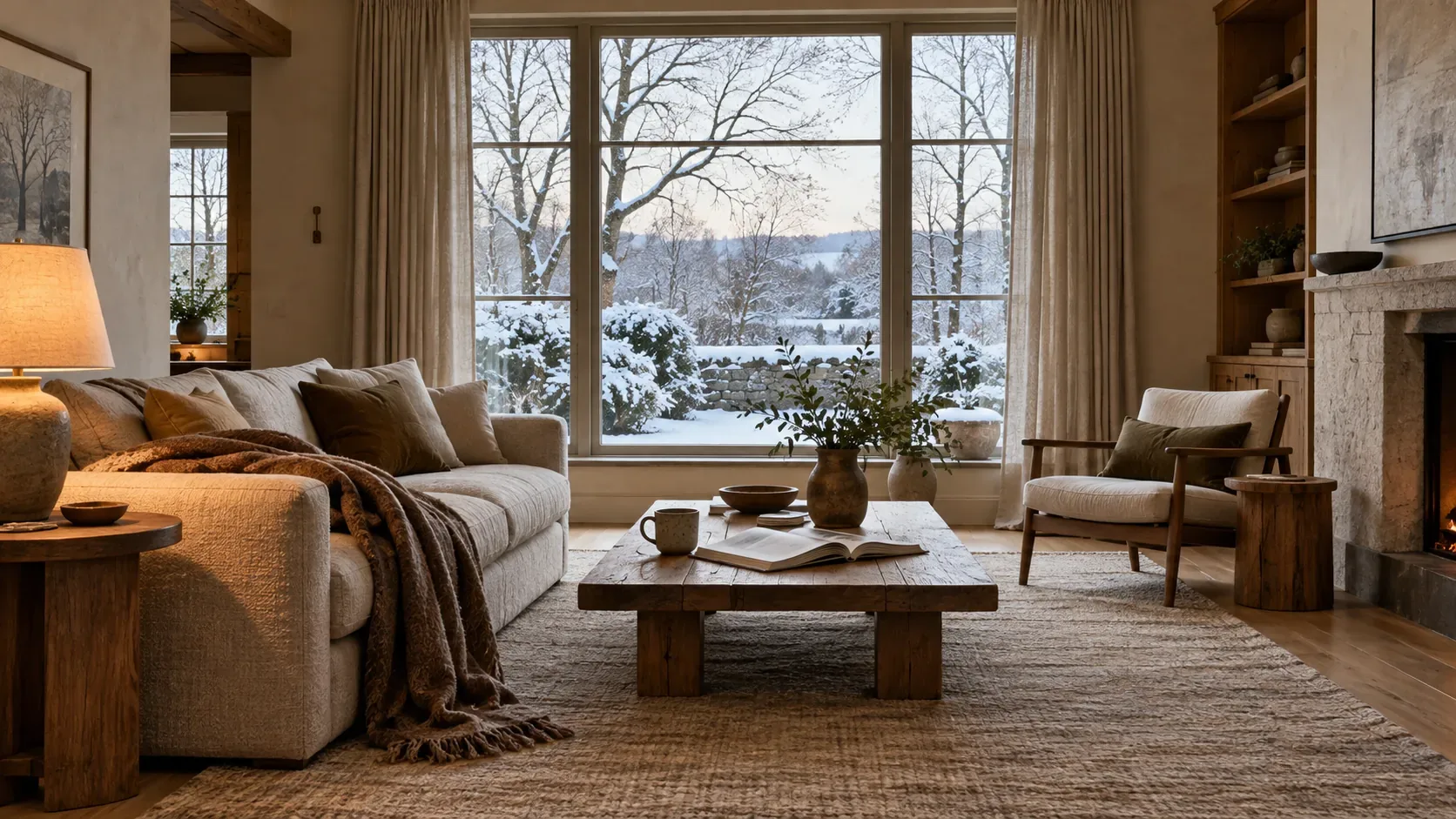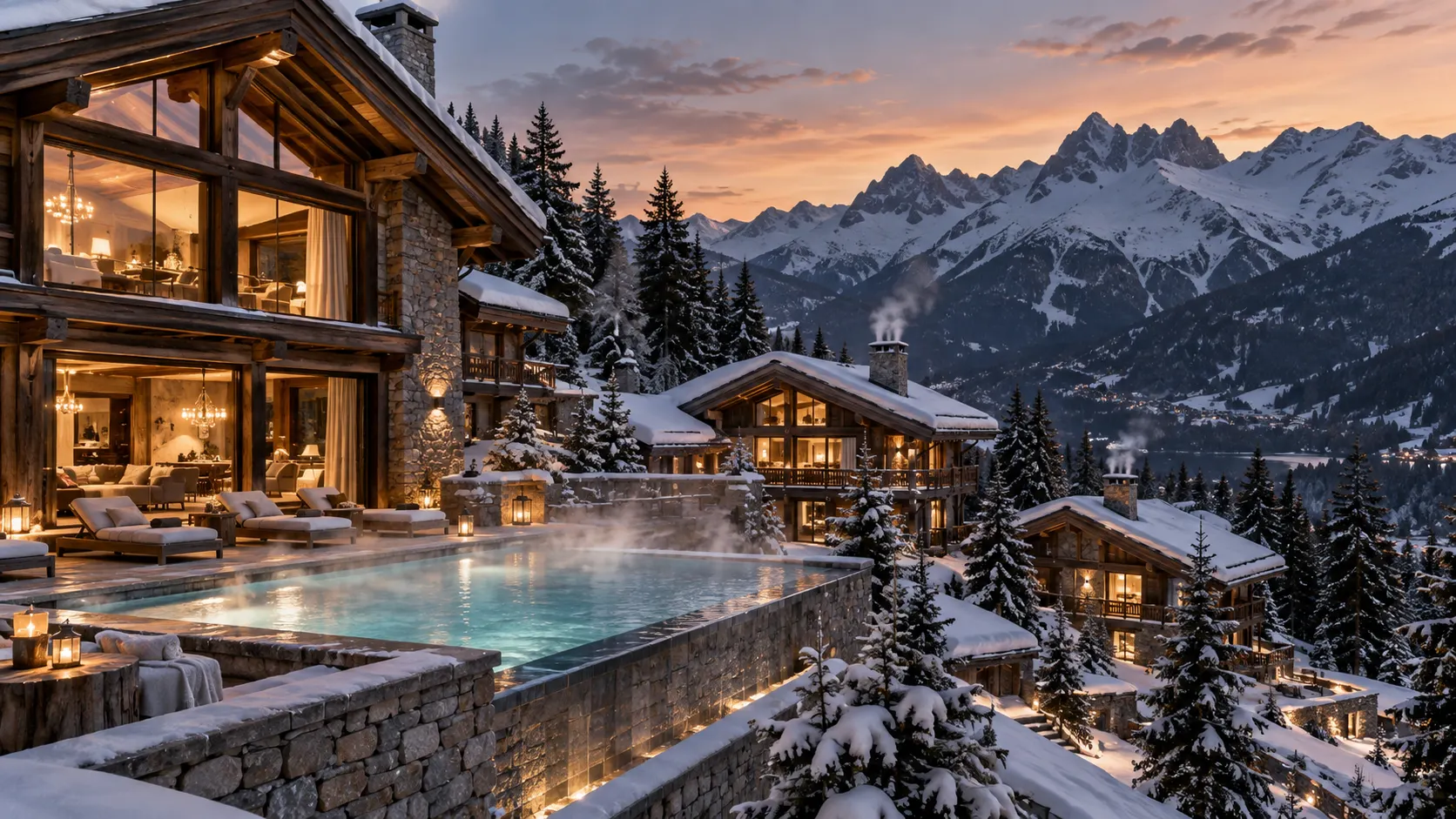
In an era where luxury design increasingly values authenticity, sustainability, and emotional connection, Wabi-Sabi—a centuries-old Japanese aesthetic philosophy—has become a powerful influence on modern interior design for homes.
For interior designers, architects, and furniture brands, Wabi-Sabi represents more than a stylistic trend. It offers a conceptual framework for designing spaces that prioritize material honesty, natural aging, and quiet beauty over perfection and mass-produced uniformity.
Today’s high-end residential design increasingly integrates this philosophy to create homes that feel timeless, soulful, and deeply human. From handcrafted furniture and raw materials to minimalist spatial planning, Wabi-Sabi has reshaped the way contemporary homes are conceived and experienced.
Understanding the Philosophy Behind Wabi-Sabi
At its core, Wabi-Sabi is a Japanese aesthetic rooted in Zen Buddhist thought and traditional craftsmanship. The philosophy celebrates impermanence, imperfection, and simplicity, recognizing beauty in the natural aging of objects and materials.
The term combines two complementary ideas:
- Wabi – rustic simplicity, humility, and harmony with nature
- Sabi – the beauty that appears through time, wear, and patina
Together, they form an aesthetic that values subtlety, authenticity, and emotional resonance rather than flawless perfection.
For designers working in modern interior design for homes, Wabi-Sabi provides a powerful alternative to highly polished interiors dominated by synthetic materials and symmetrical forms.
Instead, the philosophy encourages designers to embrace organic materials, asymmetry, and the natural passage of time.

Why Wabi-Sabi Resonates with Contemporary Interior Design
The global design community increasingly prioritizes well-being, sustainability, and experiential living. Wabi-Sabi aligns naturally with these values.
Modern homeowners—especially luxury clients—are moving away from overly styled interiors toward spaces that feel calm, grounded, and authentic.
The Wabi-Sabi philosophy offers a framework for achieving this through:
- Simplicity and uncluttered spaces
- Natural materials that age beautifully
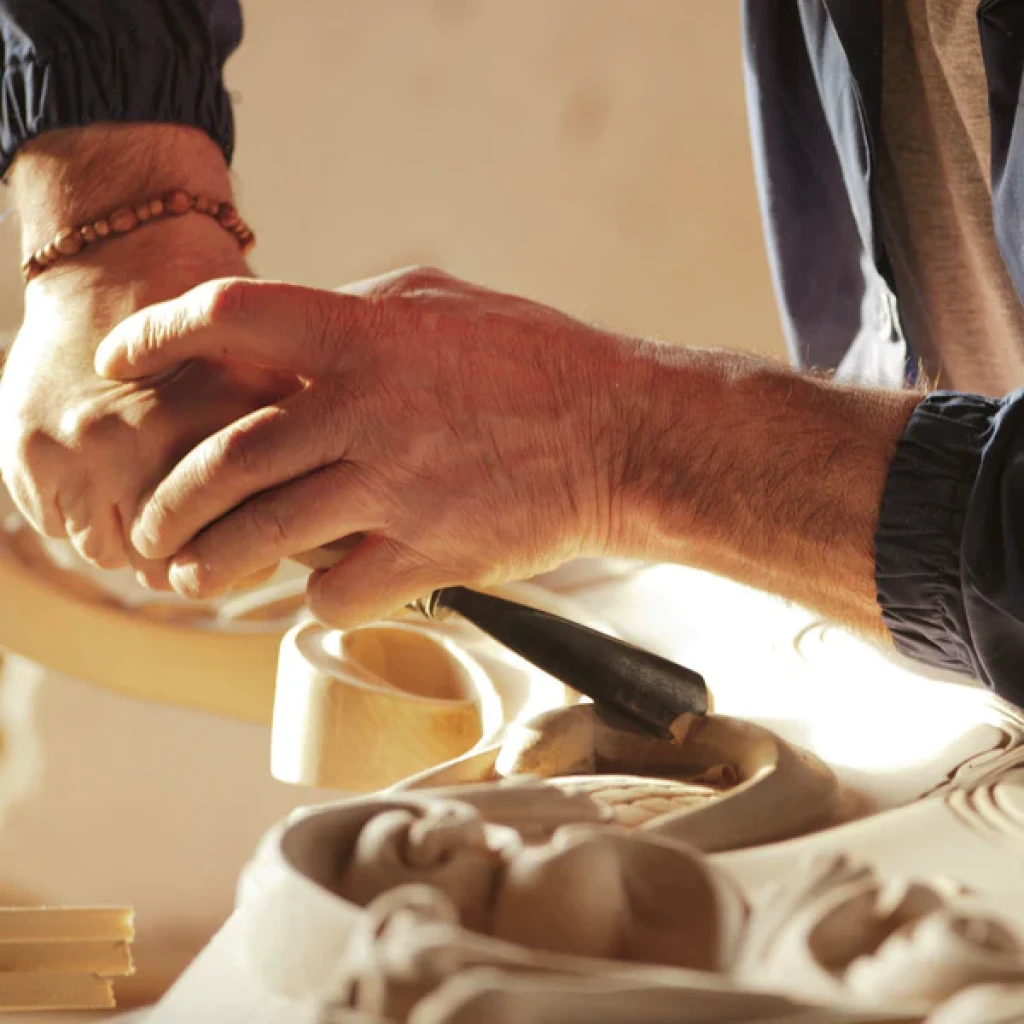
- Handmade craftsmanship
- Subtle textures and neutral color palettes
- Emotional storytelling through objects
These qualities allow designers to create interiors that feel timeless rather than trend-driven.
In fact, Wabi-Sabi-inspired interiors often feel more luxurious precisely because they reject perfection and embrace character and individuality.
Core Wabi-Sabi Principles in Modern Interior Design for Homes
For architects, interior designers, and furniture brands, translating Wabi-Sabi into contemporary residential spaces involves several key principles.
1. Embracing Imperfection in Materials and Craftsmanship
Perhaps the most recognizable aspect of Wabi-Sabi is its celebration of imperfection.
Unlike industrial design that seeks flawless finishes, Wabi-Sabi honors irregular textures, visible joinery, and natural flaws.
Examples in modern interiors include:
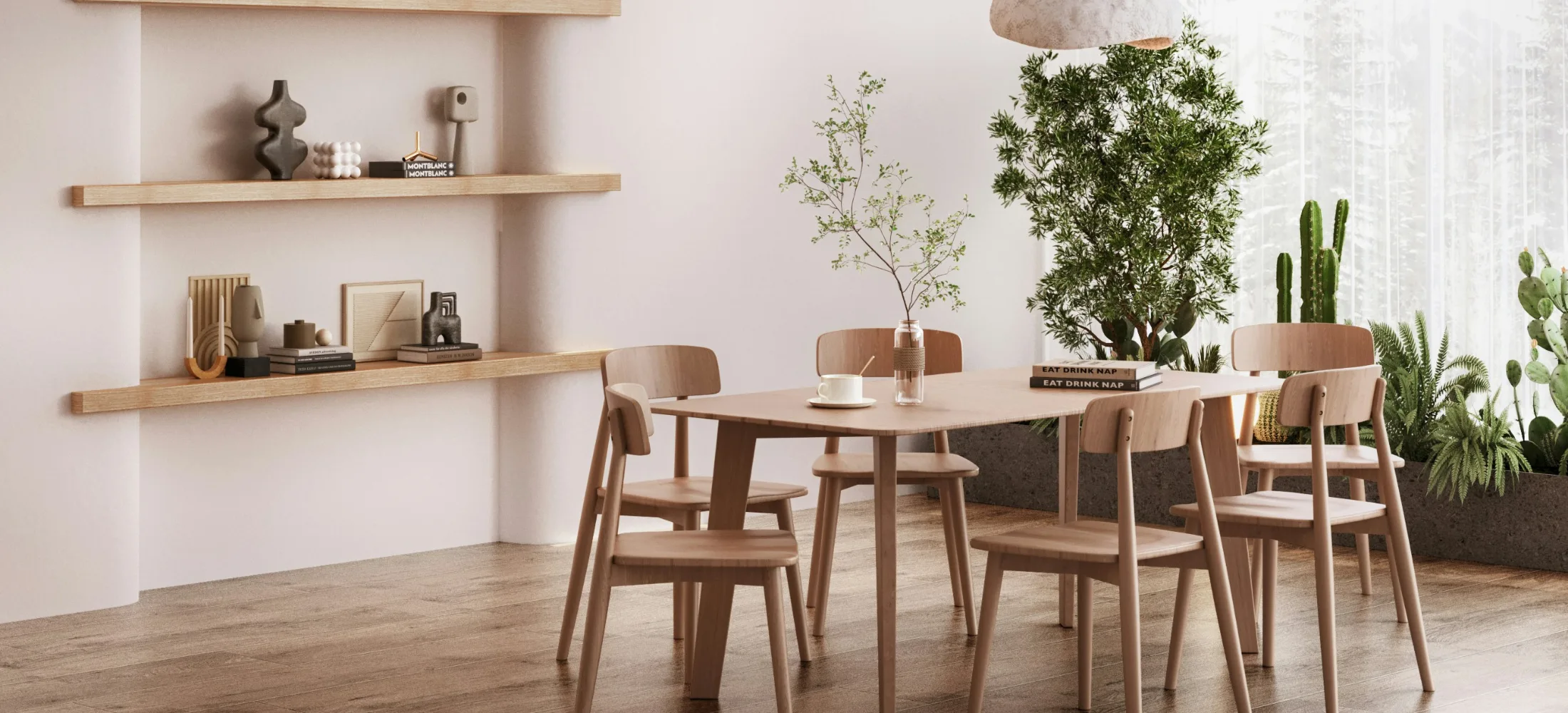
- Wood furniture with knots and grain patterns
- Hand-thrown ceramics with uneven edges
- Stone surfaces with natural veining
- Patinated metals and aged brass
These elements create interiors that feel authentic and tactile, allowing materials to tell their story over time.
For furniture brands, this philosophy opens opportunities for artisanal production and handcrafted collections that emphasize individuality rather than standardization.
2. Minimalism with Emotional Depth
While often associated with minimalism, Wabi-Sabi minimalism differs from the stark aesthetic commonly seen in modernist interiors.
Instead of emptiness, it emphasizes intentional simplicity—keeping fewer objects, but choosing pieces that hold meaning or craftsmanship.
In Wabi-Sabi interiors:
- Negative space becomes a design element
- Furniture layouts allow rooms to “breathe”
- Each object is carefully curated
This approach creates interiors that are calming, reflective, and deeply personal.
For residential architects, this often translates into open spatial planning and restrained architectural detailing.
3. Natural Materials as the Foundation of Design
Wabi-Sabi interiors are deeply connected to nature. Natural materials are essential for expressing the philosophy.
Common materials used in Wabi-Sabi-inspired homes include:
- Solid wood
- Clay and ceramics
- Natural stone
- Linen, cotton, and wool
- Handmade paper
These materials age gracefully and develop patina over time, reinforcing the Wabi-Sabi appreciation for the passage of time in design objects.
For luxury residential projects, this focus on natural materials often results in spaces that feel warm, organic, and environmentally conscious.
4. Organic Forms and Asymmetry
Traditional Western interiors often emphasize symmetry and geometric precision.
Wabi-Sabi challenges this notion by embracing irregularity and asymmetry, creating interiors that feel more natural and dynamic.
Examples include:
- Asymmetrical furniture arrangements
- Sculptural lighting with organic shapes
- Handcrafted décor pieces with subtle irregularities
- Architectural elements that celebrate structural honesty
This aesthetic creates a sense of movement and spontaneity, reinforcing the connection between design and nature.
5. Texture as a Primary Design Element
In Wabi-Sabi interiors, texture often replaces bold colors or decorative patterns.
Layered textures create visual depth while maintaining a calm and restrained atmosphere.
Designers often combine:
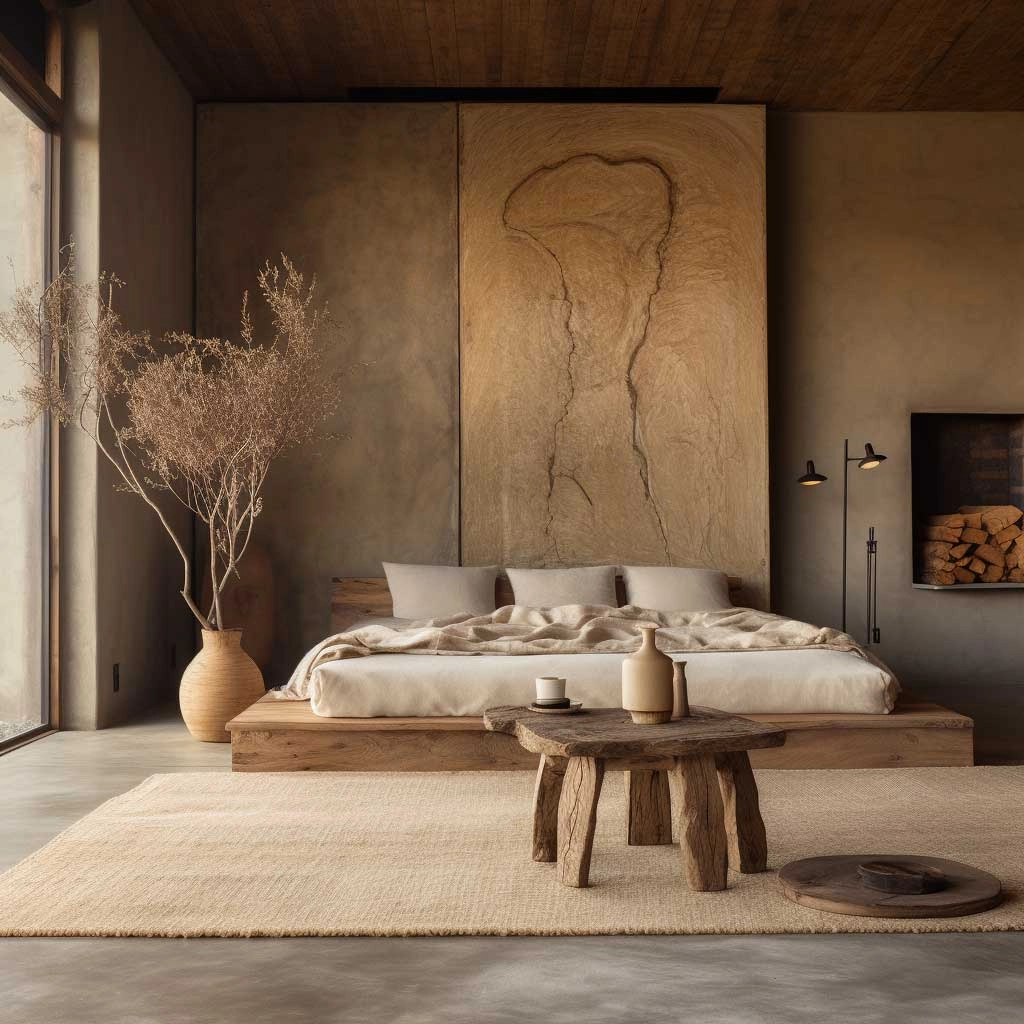
- Rough plaster walls
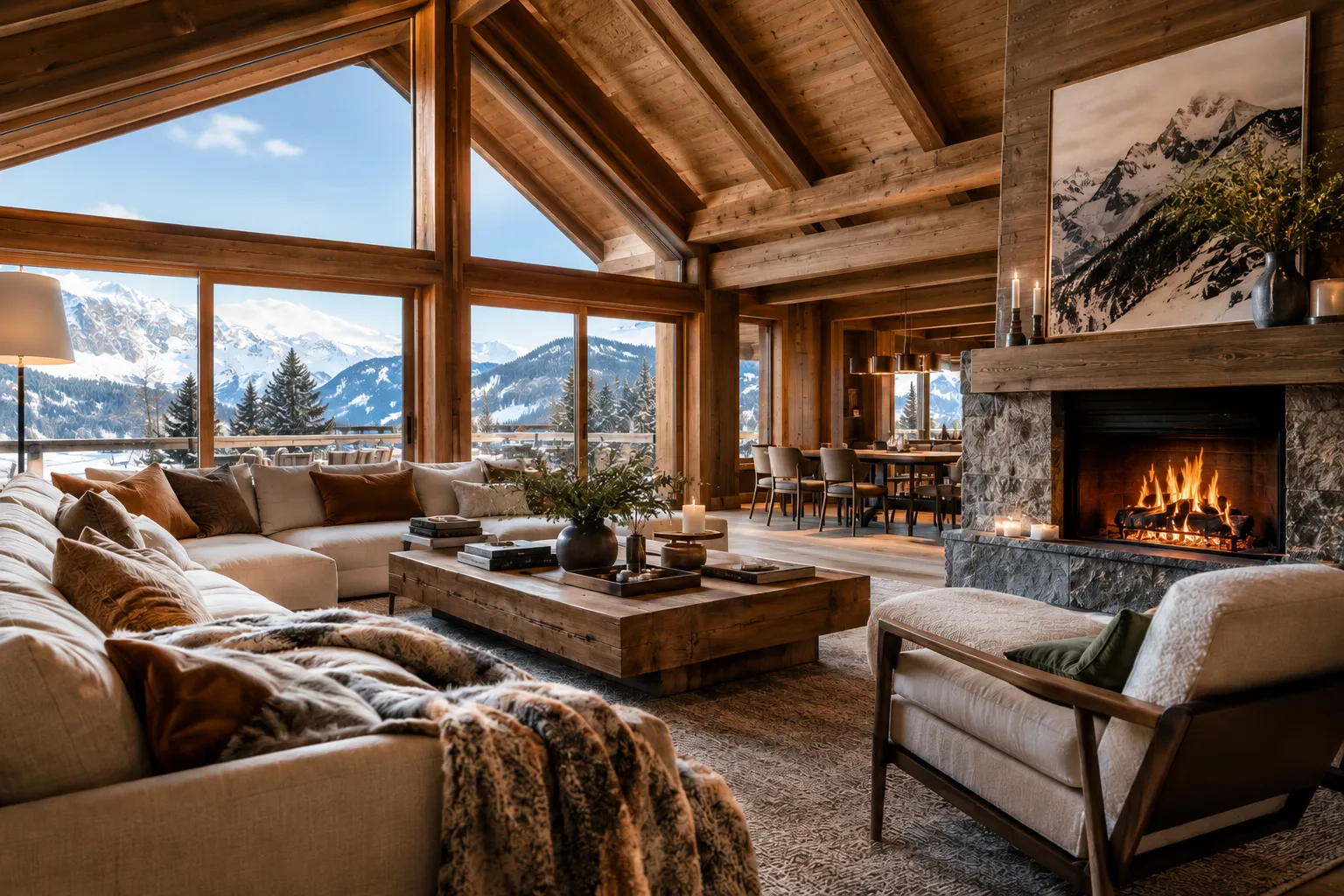
- Raw wooden beams
- Woven textiles
- Handmade ceramics
- Natural stone surfaces
These tactile elements create sensory richness and warmth, allowing interiors to feel inviting without being visually overwhelming.
6. A Calm and Earthy Color Palette
Wabi-Sabi interiors typically rely on neutral and earthy tones.
Instead of high contrast palettes, designers favor colors inspired by nature, such as:
- Clay and terracotta
- Warm beige
- Muted greens
- Soft gray
- Natural wood tones
These hues reinforce the tranquil atmosphere central to Wabi-Sabi design while allowing textures and materials to take visual precedence.