Innovative Applications of Portuguese Tiles in Contemporary Design

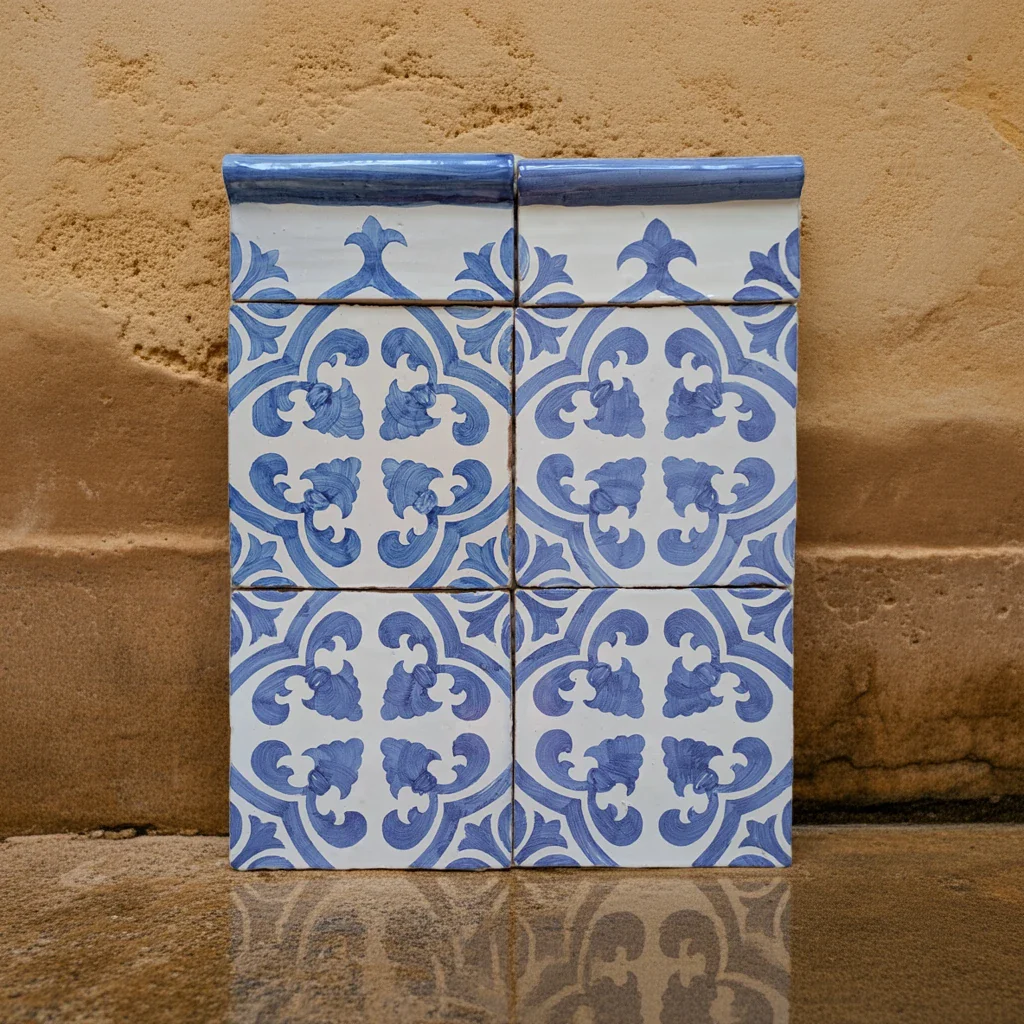
Handcrafted blue and white portuguese tiles with floral motifs, leaning against rustic stucco wall.

Portuguese tiles, or azulejos, have long captivated the world’s design connoisseurs with their intricate beauty, deep-rooted symbolism, and ability to transcend time. From Lisbon’s sun-drenched facades to the timeless courtyards of Porto, these glazed ceramics are not merely decorative elements—they are complex works of art that narrate tales of cultural encounters, skilled craftsmanship, and architectural innovation. Today, as the boundaries between tradition and modernity blur, the craft of Portuguese tiles finds astonishing resonance within contemporary architecture, bringing artisanal character and soulful luxury to modern tile applications across the globe—particularly in the refined context of Mediterranean homes.

The Enduring Heritage of Portuguese Tiles

To understand the current allure of Portuguese tiles in modern tile applications, it is essential to first appreciate their storied legacy. Rooted in 15th-century Moorish traditions and enriched by Renassiance exchanges, azulejos evolved as Portugal’s most recognizable art form. Their distinctive blue-and-white motifs, polychromatic Baroque patterns, and narrative panels once rendered churches, palaces, and civic buildings as immersive works of ceramic art.

Beyond mere ornamentation, Portuguese tiles historically fulfilled myriad architectural purposes—from waterproofing walls to regulating ambient temperatures, and from communicating religious allegory to elevating humble thresholds into statements of grandeur. Their enduring presence, both within and beyond Portugal’s borders, has imbued the built environment with a unique sense of place and identity.

Azulejos: The Signature of Portuguese Aesthetic

What sets Portuguese tiles apart from other ceramic traditions is their remarkable versatility and deeply personal symbolism. Whether monochromatic or vibrantly colored, geometric or figurative, each tile is a record of masterful technique and artistic dialogue. Today, collectors, architects, and discerning homeowners value antique azulejos as much for their historic gravitas as for their ability to anchor contemporary spaces with authenticity and tactile depth.

Modern Tile Applications: Reinterpreting Tradition for Contemporary Architecture

As design discourse evolves, so too does the language of Portuguese tiles. The 21st century has witnessed a profound resurgence of these ceramics—not merely as nostalgic references but as dynamic elements of modern tile applications in global architecture. Leading practices and forward-thinking artisans draw upon the legacy of azulejos while reimagining their possibilities within the context of contemporary design.
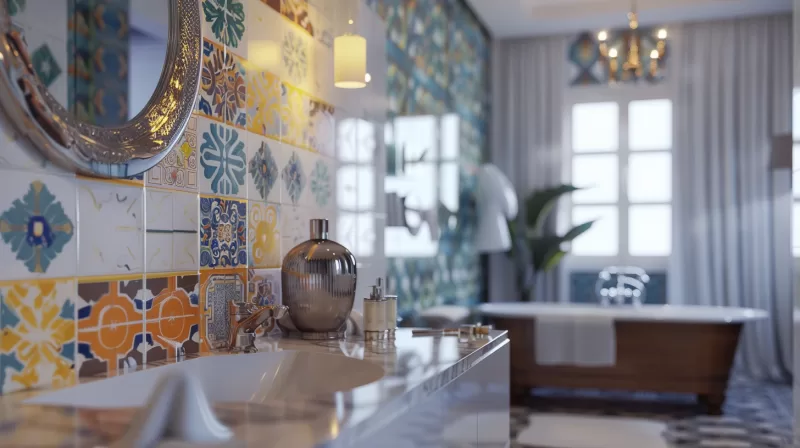
Bathroom interior with eclectic patterned wall tiles, modern sink, and freestanding bathtub in soft natural light.

Portuguese Tiles and Minimalism: A Dialogue Between Heritage and Modernity

In the vocabulary of contemporary architecture, minimalism reigns with its emphasis on purity of form and material honesty. Portuguese tiles, with their rhythmic patterns and subtle variation in glazes, elegantly mediate between the rigor of modern geometry and the warmth of human touch.

Some recent projects demonstrate how monochrome, oversized azulejos can punctuate white-walled interiors or sleek exteriors, adding layers of visual intrigue without overpowering their surroundings. The result is a sublime fusion—where tradition speaks softly yet profoundly, underscoring the soul of modern Mediterranean homes.

Sculptural Facades and Functional Artistry

The contemporary revival of Portuguese tiles extends beyond interior adornment; architects are now leveraging their sculptural potential for innovative facade treatments. Custom tile installations—often created in collaboration with master ceramists—translate narrative motifs into cutting-edge compositions that respond to environmental, structural, and cultural contexts. These applications imbue Mediterranean homes with a tactile, site-specific character that elevates luxury real estate above transient trends.

Color, Light, and Atmosphere: The Poetic Impact of Tiles

Within architecture and interiors, the luminous, reflective qualities of glazed Portuguese tiles allow for an artistic manipulation of light and color. Whether capturing the Mediterranean sun or evoking the cool, shaded hues of the Atlantic, modern tile applications use azulejos to orchestrate atmosphere and awaken the senses. Contemporary designers favor layered compositions—where patterned tilework interacts with artisanal furniture, soft textiles, and greenery—to cultivate a holistic experience of home living that is at once aspirational and deeply rooted.

Dining room with bold Portuguese-inspired patterned tile accent wall, modern arch doorway, and minimalist dining table set.

Portuguese Tiles in Mediterranean Homes: Curating Timelessness and Signature Style

The Mediterranean lifestyle, defined by its openness, artisanal authenticity, and invincible connection to place, provides an ideal canvas for the thoughtful integration of Portuguese tiles. Discerning homeowners and international architects are increasingly turning to azulejos not only for their historic appeal but for their unparalleled ability to harmonize with both classic and contemporary elements.

  • Statement Walls and Entryways: Bold azulejo panels create unforgettable first impressions, transforming vestibules, staircases, and water features into living galleries.
  • Outdoor Living: Tiles are ideal for patio floors, terrace walls, and pool surrounds, where they bring color, durability, and a sense of artisanal craftsmanship to exterior spaces—a perfect synergy with the Mediterranean ethos of indoor-outdoor living.
  • Bathrooms and Spas: The waterproof, cool-to-the-touch qualities of Portuguese tiles make them an inspired choice for spa-like bathrooms, where patterns and hues evoke the serenity of sun-drenched coastlines.
  • Kitchen Surfaces: Azulejos provide a heritage-infused counterpoint to sleek appliances, marrying contemporary function with historic charm.

Specialists in Bespoke Outdoor

A Statement of Outdoor Luxury.
Mediterrazza Logo

Pairing Portuguese Tiles with Brand Furniture in Modern Mediterranean Environments

A hallmark of curated Mediterranean interiors is the harmonious dialogue between handcrafted materials and signature furnishings. Portuguese tiles, when paired with sculptural, design-driven furniture—crafted from noble materials such as walnut, marble, and forged iron—lend a sense of effortless sophistication.

In this context, the furniture acts as a contemporary counterpoint to the visual storytelling of the tiles, resulting in a layered interior that celebrates both craftsmanship and contemporary luxury. The balance between ornate tilework and iconic design pieces reflects the sophisticated tastes of clients who value both innovation and heritage.

Innovation and Sustainability: The Future of Portuguese Tiles

The renewed interest in Portuguese tiles also aligns with a broader movement towards sustainability and ethical design. Many contemporary ateliers are adopting eco-friendly glazes, traditional firing methods, and responsible sourcing of raw materials, reaffirming the enduring relevance of artisanal processes in a world seeking authenticity and ecological sensitivity.

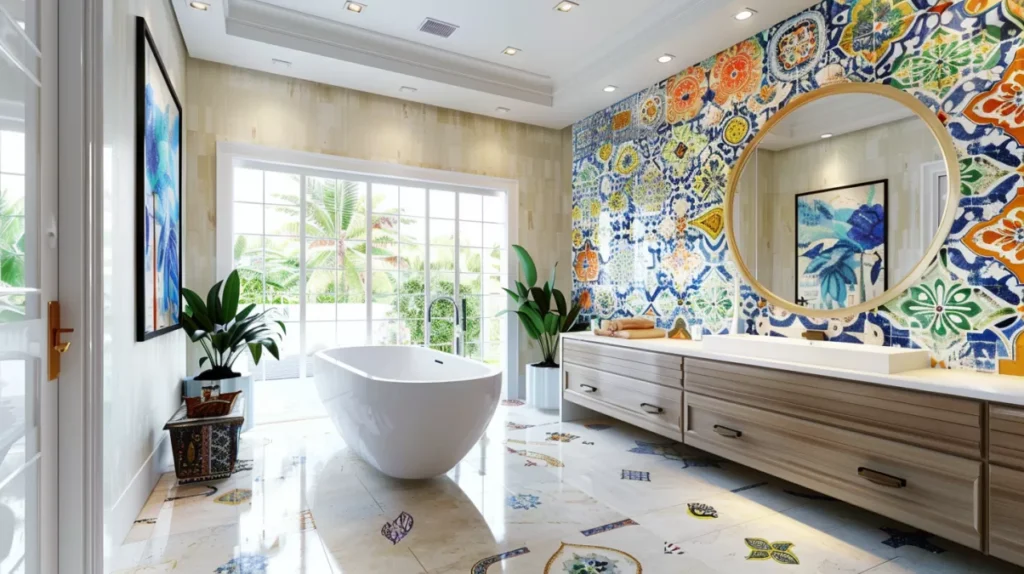
Luxury bathroom with freestanding tub, large round mirror, and colorful Mediterranean mosaic tile wall and floor.

The Role of Portuguese Tiles in Luxury Real Estate and International Design

In the luxury real estate industry, the presence of Portuguese tiles within a residence is increasingly seen as a marker of distinction and lasting value. International buyers—especially those seeking Mediterranean homes—are drawn to properties that marry cultural gravitas with contemporary comfort. As architectural trends favor bespoke, story-rich environments, the subtle artistry of azulejos enhances a home’s narrative, setting it apart in a crowded global market.

Why Portuguese Tiles Remain a Preferred Choice for Professionals

  • Artisan Provenance: Each tile is unique, offering designers and clients an authentic, collectible element.
  • Design Flexibility: Azulejos can be tailored to any palette, layout, or scale, serving both large facades and intimate interior moments.
  • Longevity and Performance: Time-tested for durability, Portuguese tiles age gracefully, enhancing a property’s value for generations.
  • Global Appeal: Their recognizability and storied history command attention in international design circles.

A Living Tradition for Global Luxury

The craft of Portuguese tiles stands as a living testament to Portugal’s cultural ingenuity and the enduring appeal of artistry in the built environment. As modern tile applications continue to expand the horizons of contemporary architecture, azulejos offer an unrivaled blend of beauty, heritage, and design versatility—particularly within the context of Mediterranean homes and luxury real estate.

For architects, interior designers, and aficionados of elevated living, Portuguese tiles are not simply a trend: they are an invitation to engage in a dialogue between past and present, art and function, locality and cosmopolitanism. In crafting environments that delight the eye and spirit, these iconic ceramics will remain at the heart of refined, handcrafted living for generations to come.

Join our Newsletter

Subscription Form

Share on:

Nolita Harbour Logo

The Specialists in Bespoke

Turn your Designs into Reality with Nolita Harbour

Read More

Visitors approaching the glass-fronted entrance of Feria Valencia beneath the Cevisama 2020 banner.

Cevisama 2026: A New Chapter in Materials, Interiors, and the Art of Living

Cozy winter living room with a cream sofa, wool throw, oak coffee table, warm lighting, and views of a snow covered garden.

Cozy Homes: Winter Design Ideas for Warm, Inviting Interiors

Luxury mountain resort with chalet-style architecture, heated outdoor pool, snowy peaks and warm interiors at sunset.

Luxury Mountain Resorts: 8 Exceptional Retreats Redefining the Modern Chalet

Promotional banner for Decorex 2026 at Olympia London, featuring a deep green background framed by ornate botanical illustrations of colorful flowers and gold accents. The design announces the event dates, 11–14 October 2026, organized by Informa.

Decorex 2026: London’s Annual Event for Luxury Interiors

Colorful Vienna Design Week 2026 posters celebrating the festival’s 20th edition across the streets of Vienna.

Vienna Design Week 2026: Celebrating 20 Years of Design, Ideas and Innovation

Luxury Alpine chalet interior with exposed timber beams, natural stone fireplace, warm neutral furnishings, and panoramic views of snow covered mountains.

The Art of the Chalet: Architecture, Luxury Interiors and the New Language of Mountain Living

Reader Favorites

Design Miami 2026 - what to look for

Design Miami 2026: The Leading Global Fair for Collectible Design Returns in December

Top 10 Interior Design Trends

Top 10 Interior Design Trends That Will Shape Homes After 2027

Close-up of artisan hands carving intricate patterns into wood, highlighting the precision and artistry of Italian craftsmanship.

How Artisanal Craftsmanship is Reclaiming its Place in Luxury Interiors

Latest News

Visitors approaching the glass-fronted entrance of Feria Valencia beneath the Cevisama 2020 banner.

Cevisama 2026: A New Chapter in Materials, Interiors, and the Art of Living

Cozy winter living room with a cream sofa, wool throw, oak coffee table, warm lighting, and views of a snow covered garden.

Cozy Homes: Winter Design Ideas for Warm, Inviting Interiors

Luxury mountain resort with chalet-style architecture, heated outdoor pool, snowy peaks and warm interiors at sunset.

Luxury Mountain Resorts: 8 Exceptional Retreats Redefining the Modern Chalet

Join our Newsletter

Join our circle of refined living.
Subscribe for curated stories, news and inspiration.

Subscription Form








