In recent years, the concept of Luxury Interiors has undergone a profound transformation. What once revolved around opulence, rare materials, and lavish decoration is now evolving into something far more meaningful: ethical luxury shaped by sustainable craft.
For interior designers, furniture brands, architects, and luxury design studios, sustainability is no longer a niche consideration—it is becoming a central pillar of contemporary design culture. Today’s most sophisticated interiors combine aesthetic refinement with environmental responsibility, blending handcrafted artistry, responsibly sourced materials, and thoughtful design strategies.
This shift reflects a broader cultural change: luxury is increasingly defined by authenticity, longevity, and ethical production rather than excess.
The Rise of Ethical Luxury in Interior Design
Luxury interiors are increasingly shaped by values such as sustainability, transparency, and social responsibility. Designers and clients alike are recognizing that true luxury must respect both environmental and cultural resources.
Architects and design experts now emphasize ethical sourcing, low-impact materials, and durable craftsmanship as defining features of modern high-end spaces. These principles ensure that interiors remain both elegant and environmentally responsible.
This new perspective also reflects a growing awareness of the environmental impact of construction and furnishing. By choosing responsibly sourced materials and energy-efficient systems, luxury interiors can reduce their ecological footprint while maintaining high design standards.
As a result, sustainability is no longer viewed as a constraint—it has become a creative opportunity for designers to rethink materials, processes, and aesthetics.
Craftsmanship as the Soul of Sustainable Design
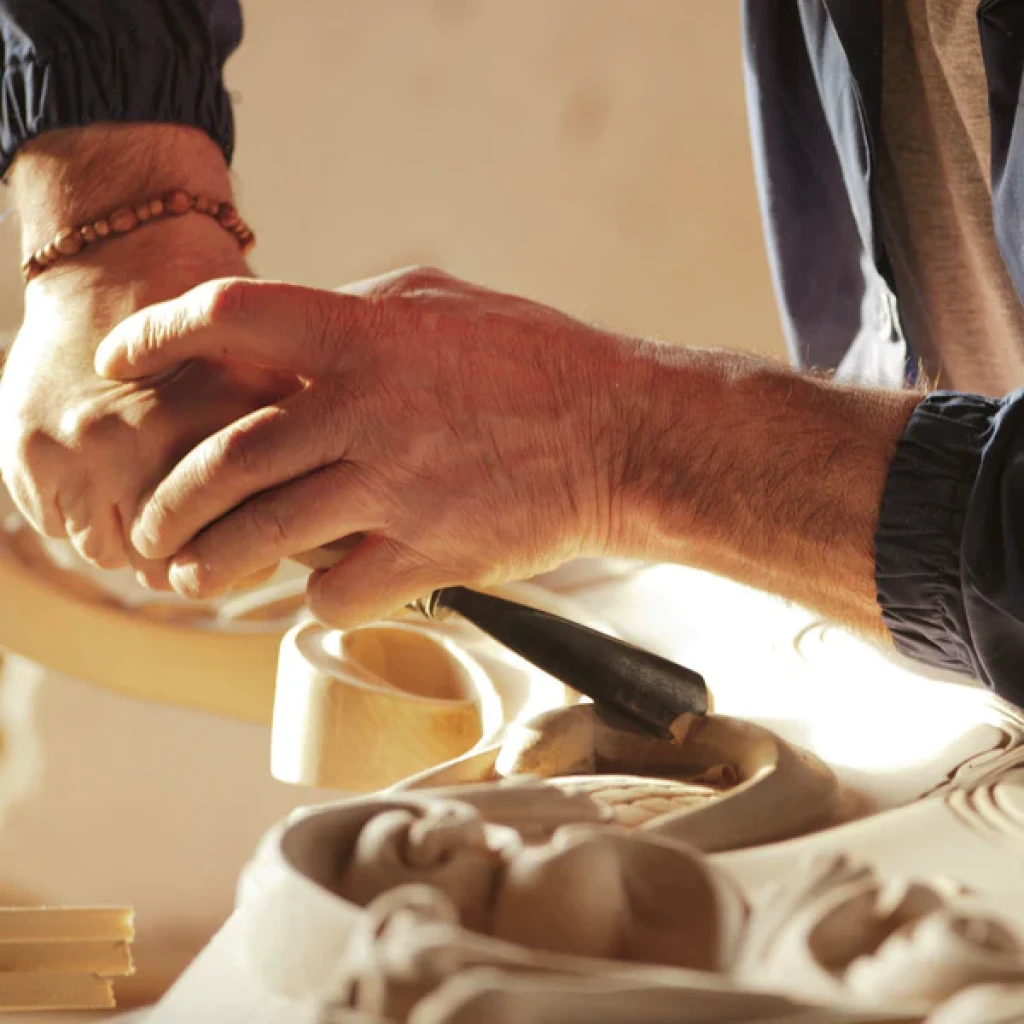
One of the most powerful drivers of ethical luxury is the revival of traditional craftsmanship.
Handcrafted furniture, textiles, and architectural details bring authenticity and character to interiors while supporting artisan communities and preserving cultural heritage. Each handcrafted object tells a story—of the maker, the material, and the cultural tradition behind it.
Interior designers increasingly collaborate with skilled artisans to create bespoke pieces that combine heritage techniques with contemporary aesthetics. Examples include:
- Handwoven textiles and rugs
- Sculptural ceramic lighting
- Carved wooden furniture
- Hand-forged metal fixtures
These objects introduce texture, individuality, and human connection into luxury interiors—qualities often missing from mass-produced furnishings.
Supporting artisan craftsmanship also contributes to sustainable development by sustaining local economies and preserving generational knowledge.
Materials Shaping the Future of Luxury Interiors
Sustainable materials are redefining the visual language of luxury interiors.
Designers are increasingly turning to materials that combine beauty with environmental responsibility. Among the most influential are:
Reclaimed and Renewable Wood
Reclaimed oak, walnut, and teak bring history and character to furniture and architectural details while reducing deforestation. These materials often become focal points in dining tables, shelving, and cabinetry.
Recycled Metals and Glass
Recycled copper, brass, and aluminum provide durability and elegance while minimizing the environmental impact of mining and manufacturing. These materials appear frequently in lighting fixtures, hardware, and decorative elements.
Organic Textiles
Natural fibers such as linen, hemp, and organic cotton offer luxurious textures without the environmental harm associated with synthetic fabrics. These textiles are increasingly used for upholstery, curtains, and soft furnishings.
Innovative Natural Materials
Designers are also exploring cork, bamboo, and clay finishes—materials that are renewable, biodegradable, and visually distinctive.
Together, these materials create interiors that feel warm, tactile, and connected to nature, reflecting a growing preference for authenticity over artificial perfection.
The Circular Economy and Long-Lasting Design
A key concept shaping ethical luxury interiors is the circular economy.
Rather than treating furniture and materials as disposable products, designers are embracing strategies that extend their lifecycle—repairing, reusing, and repurposing objects whenever possible.
Vintage and antique furniture play an important role in this movement. High-quality pieces from previous generations are increasingly valued for their durability, craftsmanship, and historical character.
By incorporating antiques or repurposed materials, designers create interiors that feel layered and meaningful while reducing demand for newly manufactured products.
This approach transforms luxury interiors into curated environments that evolve over time rather than disposable design statements.
Biophilic Design and Natural Well-Being
Another defining feature of sustainable luxury interiors is biophilic design—the integration of natural elements into built environments.
Designers achieve this through strategies such as:
- Maximizing natural light
- Incorporating indoor gardens and living walls
- Using natural materials and textures
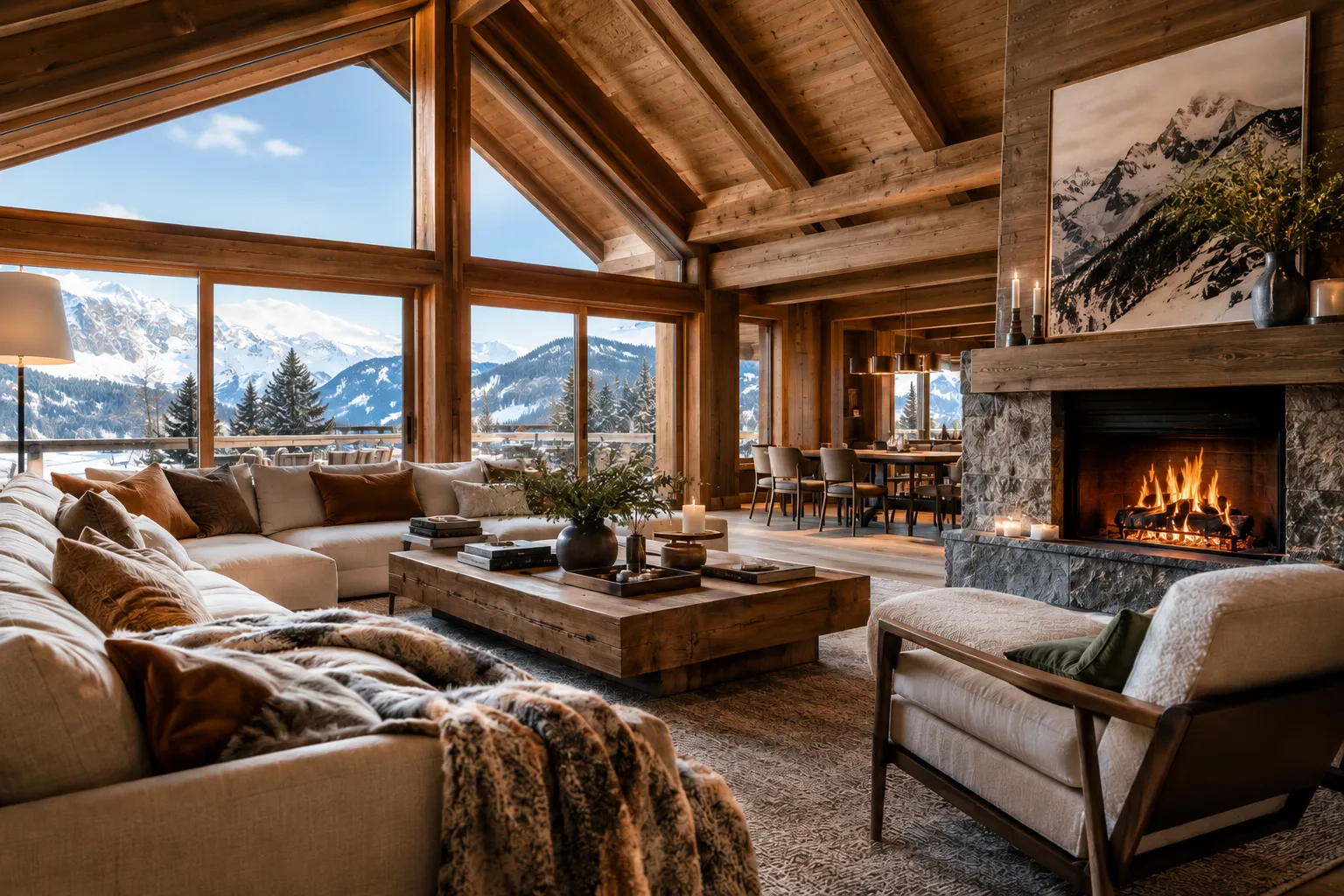
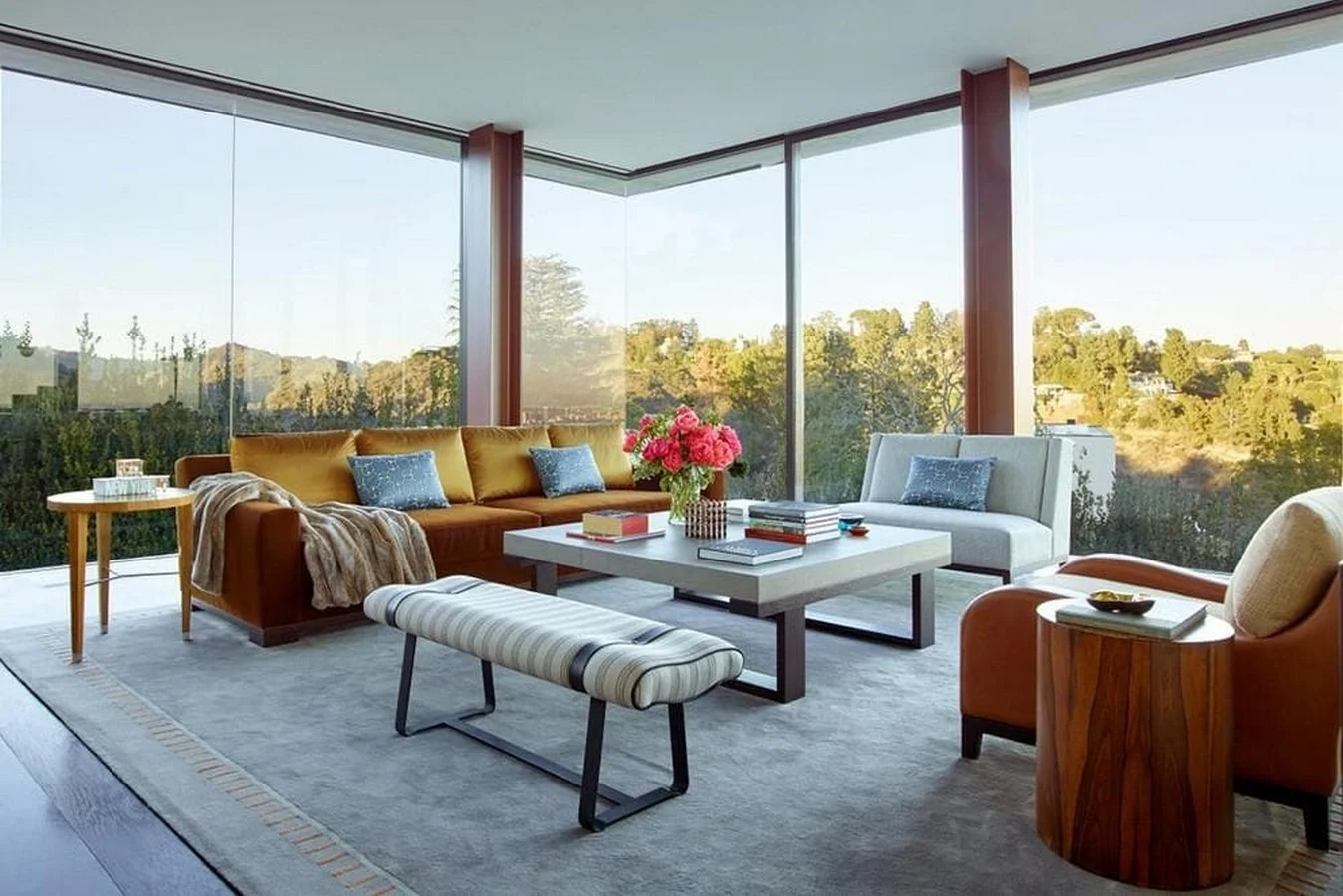
- Designing spaces that connect visually with outdoor landscapes
These elements enhance both aesthetic appeal and well-being, creating environments that feel restorative and emotionally enriching.
Biophilic design also aligns with a broader architectural movement toward homes that function as wellness environments, prioritizing comfort, calm, and connection with nature.