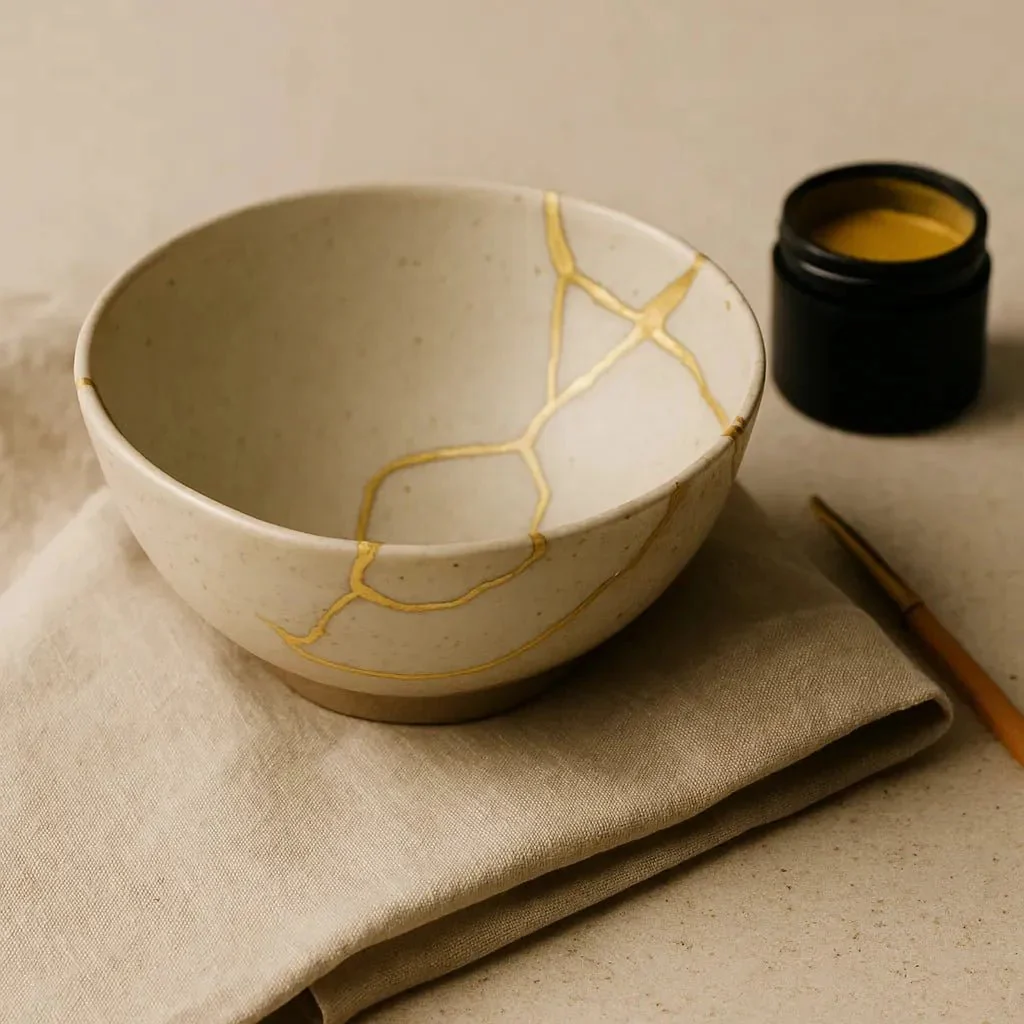
In the modern lexicon of design and architecture, few words evoke as much poetic gravitas as Kintsugi. Rooted in century-old Japanese craftsmanship, yet strikingly relevant to contemporary discussions around sustainable luxury, the Kintsugi repair art is more than a technique, it is a profound philosophy. As the world seeks authentic narratives in both the spaces they inhabit and the objects they commission, Kintsugi’s gilded fissures offer a type of beauty that is simultaneously ancient and avant-garde. This article, crafted exclusively for the global readers of The Handcrafted Living, explores how Kintsugi, handcrafted in Kyoto, is redefining imperfection as the soul of modern design.
The Origins of Kintsugi: The Soulful Art of Repair
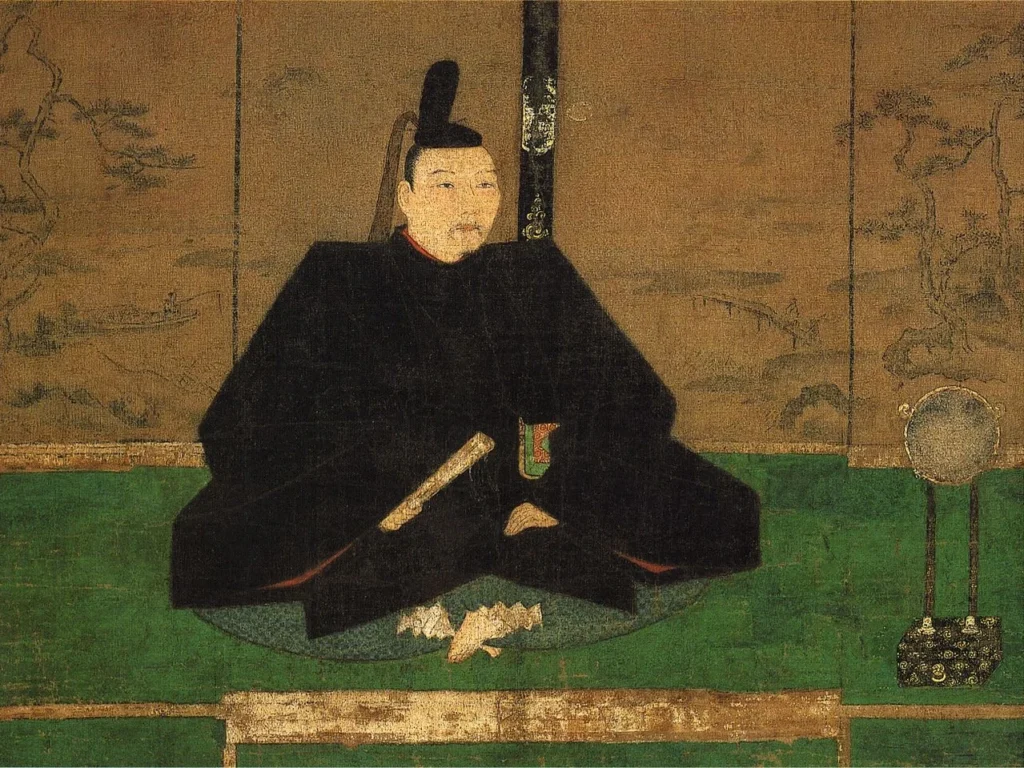
Originating during Japan’s Muromachi period in the late 15th century, Kintsugi repair art, literally “gold joinery”, was developed when Shogun Ashikaga Yoshimasa sent a broken tea bowl back to China for repairs. What he received was anything but elegant: crude metal staples joining the fragments together. Japanese artisans responded with a radically different approach. Utilizing natural lacquer mixed with powdered gold, they highlighted, rather than hid, each scar. This act transformed functional repair into an artifact of Japanese craftsmanship and wabi-sabi aesthetics.
Kintsugi as a Design Philosophy
Unlike conventional repairs which mask damage, Kintsugi exalts the history of an object. Each golden vein is not just a mend but a memorial, celebrating transformation and resilience. This principle resonates far beyond ceramics, serving as a metaphor for personal and architectural renewal.
Shogun Ashikaga Yoshimasa
Handcrafted in Kyoto: Preserving a Centuries-Old Legacy
Kyoto, the locus of refined Japanese artforms, retains an unparalleled guardianship over Kintsugi repair art. Walking through Kyoto’s meandering backstreets, one finds ateliers where master artisans, or shokunin, hand-apply layer upon meticulous layer of urushi lacquer, then trace the cracks with fine gold dust. These workshops, often family-run for generations, signify an unwavering commitment to Japanese craftsmanship.
The Modern Kintsugi Process in Kyoto
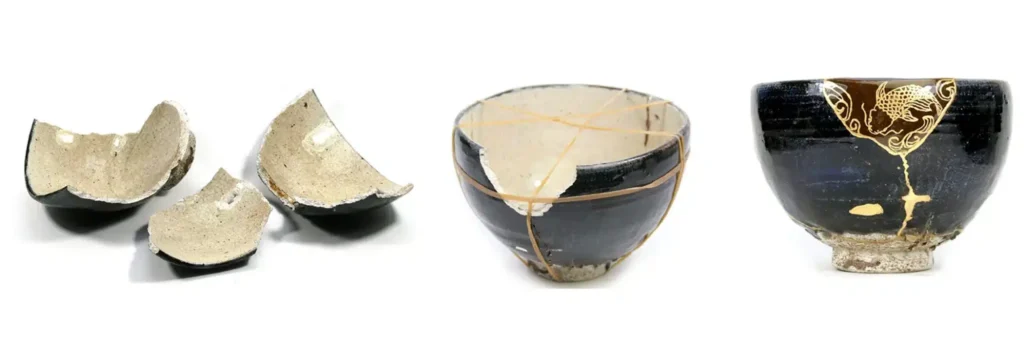
Selection and Preparation: Fragments are carefully cleaned, maintaining every contour.
Adhesion with Urushi: Natural urushi sap, known for its durability and luster, is used to bind the shards.
Application of Gold: Where other cultures might conceal, Kintsugi applies powdered gold, platinum, or silver to accentuate the break.
Slow Curing: Objects rest in humid cabinets, sometimes for weeks, to ensure longevity.
The result is a vessel or object with increased value, both aesthetically and sentimentally, showcasing the best of Japanese craftsmanship.
The Specialists in Bespoke
Turn your Designs into Reality with Nolita Harbour
Kintsugi in Modern Design: Harmonizing Tradition and Contemporary Aesthetics
Today, Kintsugi’s influence cascades into contemporary design and architecture, as tastemakers and innovators push boundaries between form and meaning.
Kintsugi’s Resurgence Among Global Designers
Luxury Furniture and Art: From marble side tables in Milan to bespoke lighting in New York, gilded seams evoke Kintsugi’s ethos of dignified imperfection.
Architecture and Interiors: Leading architects draw on Kintsugi motifs, integrating fractured patterns in mosaics, wall treatments, or even large-scale building facades as a metaphor for resilience.
Product Design: Premium brands commission Kyoto artisans to apply Kintsugi to tableware, glass, and even technology accessories, elevating everyday objects into statements of identity and sustainability.
Such applications reflect a deliberate move toward sustainable luxury: rather than discarding flawed items, they are transformed, echoing a respect for both material and story.
Kintsugi and Sustainable Luxury: The New Language of Value
Sustainable luxury, once simply a trend, now forms the bedrock of visionary design. Kintsugi repair art epitomizes this paradigm by championing responsible consumption and emotional longevity.
Longevity Over Disposability: Objects repaired through Kintsugi outlast their original lifespan, inviting owners to invest in heritage rather than transient trends.
Ethical Luxury: The handcrafted nature of each repair ensures traceability, supports local Kyoto artisans, and aligns prestige with purpose.
Emotional Connection: In a world saturated by mass production, Kintsugi fosters attachment through visible narrative, a crack gilded is a memory preserved, a biography inscribed in gold.
Integrating Kintsugi Repair Art into High-End Homes and Hospitality
The renaissance of Kintsugi extends far beyond ceramics and collectibles; it influences the architecture and interiors of luxury residences, boutique hotels, and curated commercial spaces. Designers increasingly collaborate with Kyoto’s Kintsugi masters to commission signature pieces and bespoke installations.
Signature Applications
Inlaid Flooring: Golden fissures meander through rare woods or stone, drawing inspiration directly from Kintsugi aesthetics.
Feature Walls: Artisans hand-apply lacquer and gold dust to fractured marble or ceramic tiles, transforming walls into living artworks.
Exclusive Dinnerware: Repaired and adorned plates grace the world’s most refined private dining rooms, each one carrying both history and a one-of-a-kind artistry.
Such implementations are not only visually arresting but signify a conscientious alignment with the values of sustainable luxury and the preservation of Japanese craftsmanship.
The Enduring Cultural and Emotional Value of Kintsugi
Kintsugi, beyond its physical manifestation, translates a powerful message about embracing impermanence and imperfection. For international professionals, collectors, and luxury connoisseurs, investing in Kintsugi is an alignment with a philosophy that prizes longevity, empathy, and discernment.
Why Kintsugi Resonates Today
Cultural Relevance: At the intersection of East and West, Kintsugi’s ethos responds to global audiences’ growing hunger for authenticity and connectedness.
Emotional Resonance: Each repaired object acts as a vessel for memory, loss, recovery, and celebration, universal themes that transcend borders and eras.
Aesthetic Distinction: No two Kintsugi pieces are identical, appealing to collectors and interior designers seeking unique narrative-driven creations.
The Future of Handcrafted Luxury
As our world grapples with environmental urgency and a redefinition of luxury, the Kintsugi repair art, handcrafted in the ancient ateliers of Kyoto, emerges as a shining paradigm. Its synthesis of Japanese craftsmanship, cultural legacy, and contemporary ambition reimagines value from flaw, transformation from fracture. In the hands of today’s visionaries, Kintsugi becomes more than restoration: it is an invitation, to honor what has been broken and to invest, resolutely, in beauty that endures.
For the architects and designers shaping tomorrow’s luxury, and for collectors attuned to culture’s deepest currents, Kintsugi stands as a testament: in gilding our fractures, we discover not only resilience, but an enduring, sustainable luxury, etched forever in gold.
Luxury Mountain Resorts: 8 Exceptional Retreats Redefining the Modern Chalet
Manage Consent
To provide the best experiences, we use technologies like cookies to store and/or access device information. Consenting to these technologies will allow us to process data such as browsing behavior or unique IDs on this site. Not consenting or withdrawing consent, may adversely affect certain features and functions.
Functional
Always active
The technical storage or access is strictly necessary for the legitimate purpose of enabling the use of a specific service explicitly requested by the subscriber or user, or for the sole purpose of carrying out the transmission of a communication over an electronic communications network.
Preferences
The technical storage or access is necessary for the legitimate purpose of storing preferences that are not requested by the subscriber or user.
Statistics
The technical storage or access that is used exclusively for statistical purposes.The technical storage or access that is used exclusively for anonymous statistical purposes. Without a subpoena, voluntary compliance on the part of your Internet Service Provider, or additional records from a third party, information stored or retrieved for this purpose alone cannot usually be used to identify you.
Marketing
The technical storage or access is required to create user profiles to send advertising, or to track the user on a website or across several websites for similar marketing purposes.