Discovering the hidden depths of modern interiors demands an eye for authenticity, a passion for narrative, and a reverence for the artisanal. Among the world’s most evocative contributions to handmade home décor, Oaxaca textiles stand out as both time-honored and exquisitely dynamic. Rooted in centuries of Mexican craft traditions while capturing the sensibility of contemporary design, these textiles embody a living art form that seamlessly bridges the past and present. As global tastemakers, architects, and discerning collectors seek meaningful connections across cultures, the artisanal practices of Oaxaca are captivating attention, not simply as decorative embellishments, but as profound cultural narratives woven into modern spaces.
The Origins of Artistry: Oaxaca’s Textile Legacy
Oaxaca, a region celebrated for its luminous light and undulating landscapes, represents a nexus of Mexico’s indigenous cultures. This area is not only a culinary jewel but, above all, the revered heartland of Oaxaca textiles. From the valleys of Teotitlán del Valle to the Sierra Norte mountains, generations of families have sustained a diverse tapestry of weaving and dyeing techniques, infusing every piece with symbolism and exceptional craftsmanship.
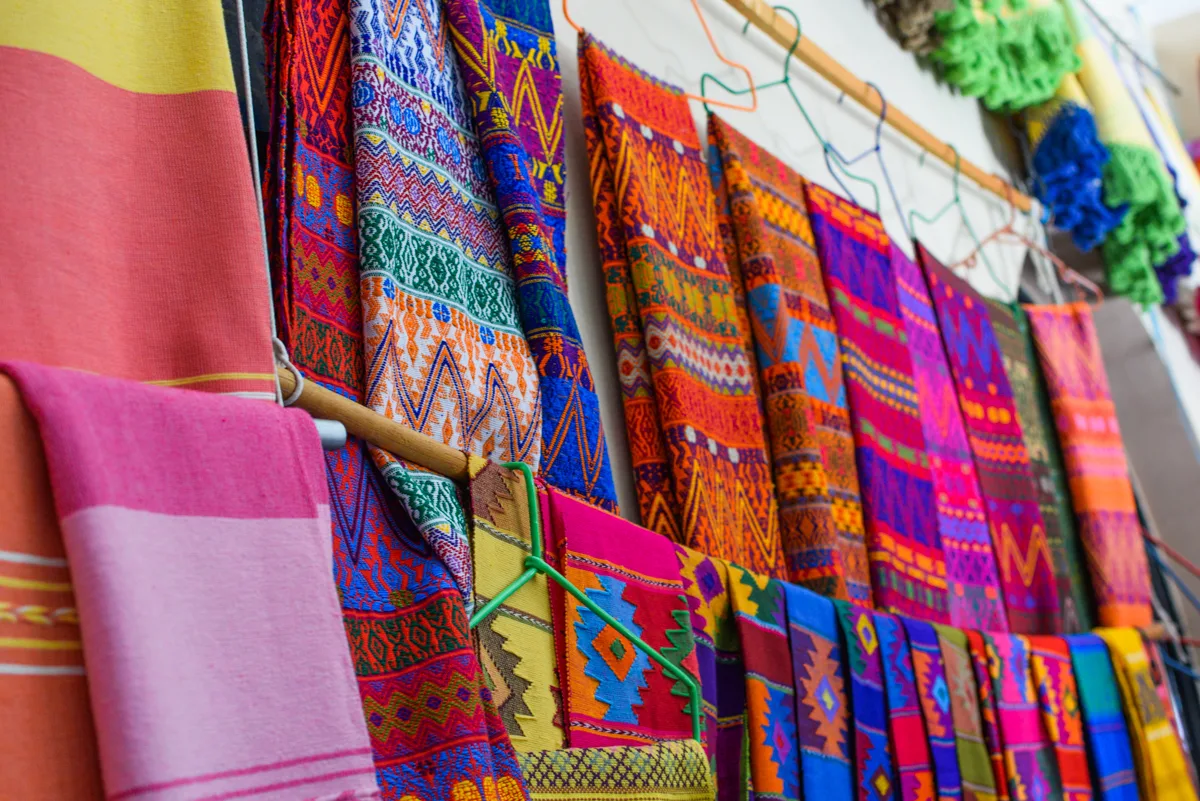
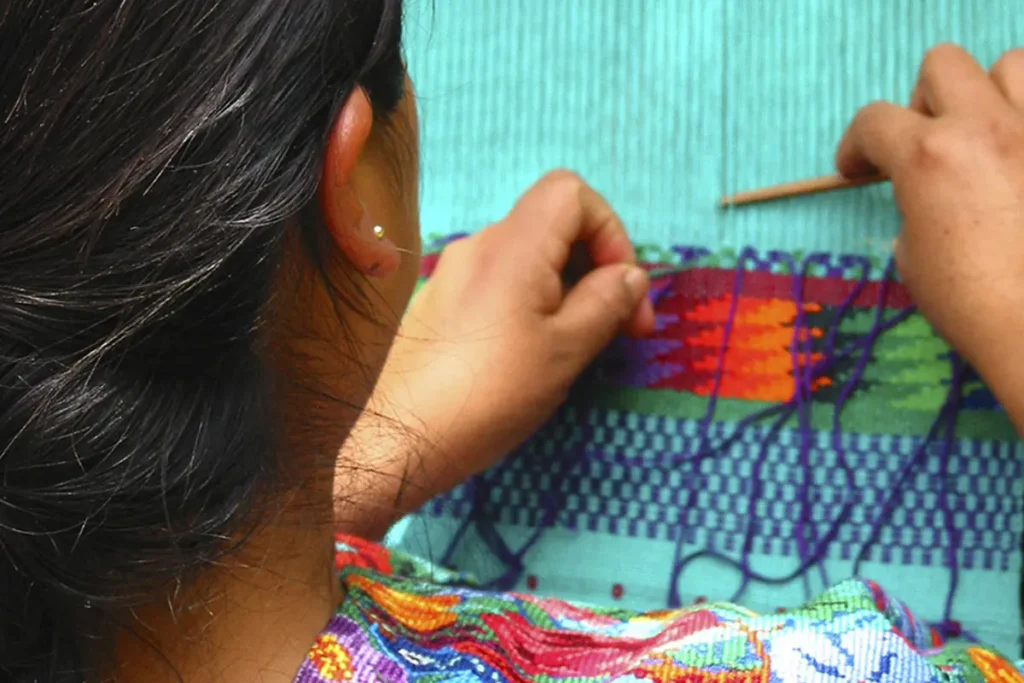
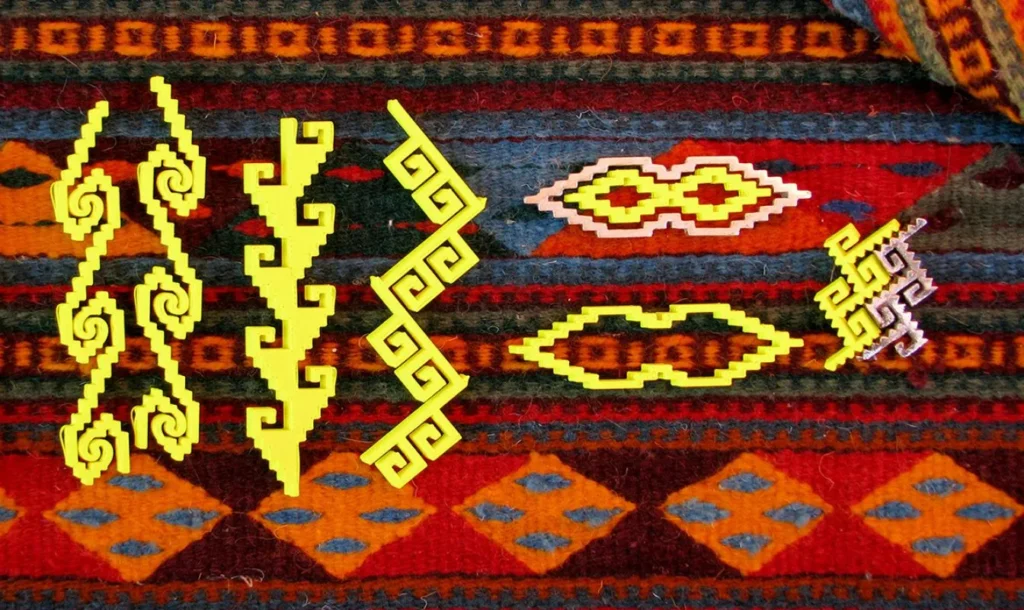
For centuries, indigenous Zapotec, Mixtec, and other communities have carefully guarded their weaving traditions, using backstrap and pedal looms to craft blankets, rugs, rebozos, and more. The allure of these textiles emanates from not just their technical brilliance but their visual lexicon: geometric motifs signifying the natural world, mythological figures, and stylized flora narrate ancestral tales.
From Field to Loom: Authentic Materials and Techniques
A defining feature of Oaxacan textiles lies in their authentic use of local materials and natural dyes. Artisans favor pure wool, hand-carded and spun, as well as cotton cultivated in nearby fields. The magical hues, deep indigos, cochineal reds, earthy ochres, are extracted from age-old recipes using indigo plants, cochineal insects, and tree bark, resulting in a palette that is profoundly tied to the landscape itself.
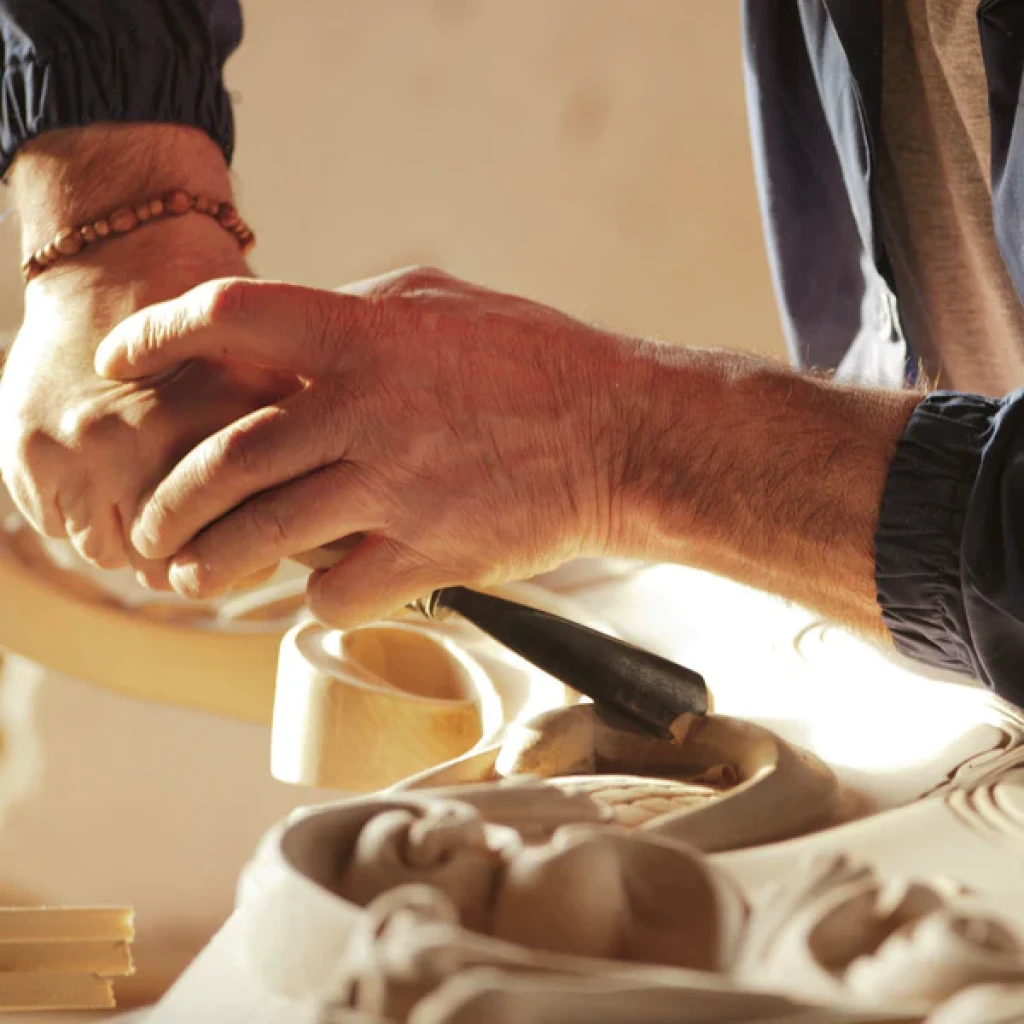
- Hand-spinning: Raw wool or cotton is meticulously prepared, carded, and spun into even threads using traditional tools.
- Natural dyeing: Minimally processed, fibers are transformed into a spectrum of vibrant, enduring colors through botanical and mineral sources.
- Backstrap and pedal looms: The weaver’s own strength and dexterity dictate the complexity of every motif; designs emerge line by line, echoing centuries-old patterns while welcoming innovation.
Oaxaca Textiles: From Village Workshops to the Global Stage
While rooted in place and tradition, today’s Oaxaca textiles transcend local markets to capture the attention of an international audience. Recent years have witnessed a meaningful exchange between Oaxacan artisans and contemporary designers. This collaboration has propelled Mexican craft into flagship galleries and high-profile interiors from Paris to New York.
Curators and architects now envision these pieces as centerpieces in luxury homes, hotels, and cultural institutions, recognizing their capacity to anchor a space with warmth, tactility, and story. The authenticity and slow craftsmanship intrinsic to Oaxaca’s weaving communities set these textiles apart in a global market often dominated by uniformity.
Evolving Designs: Innovation within Tradition
Oaxaca’s weavers demonstrate a remarkable ability to innovate within tradition. While honoring the integrity of their ancestry, many families introduce contemporary color palettes, abstracted patterns, and modern scales suitable for a variety of settings, from elegant loft apartments to boutique hospitality projects.
This evolution is not merely aesthetic. It is a response to international demand for high-quality, ethical handmade home décor, inviting a new appreciation of Mexican craft as both art and artifact.
- Custom commissions: Architects and designers can collaborate with Oaxacan workshops to develop one-of-a-kind pieces tailored to specific projects or color schemes.
- Adaptable motifs: Signature patterns are reinterpreted for contemporary spaces, including minimalist geometrics and stylized florals that transcend regionalism.
- Scale and texture: Weavers push creative boundaries, crafting textiles suitable as upholstery, wall hangings, or even architectural installations.
Integrating Oaxacan Textiles into Modern Interiors
In an era marked by the pursuit of identity and sustainability, designers and high-net-worth homeowners are increasingly attracted to the authenticity and tactile richness of Oaxacan textiles. Their versatility allows them to coexist harmoniously in both heritage and avant-garde environments.
Key Strategies for Design Integration
- Statement Pieces: Grand rugs or wall tapestries can serve as focal points, commanding attention and setting the mood for entire living spaces or hospitality lobbies.
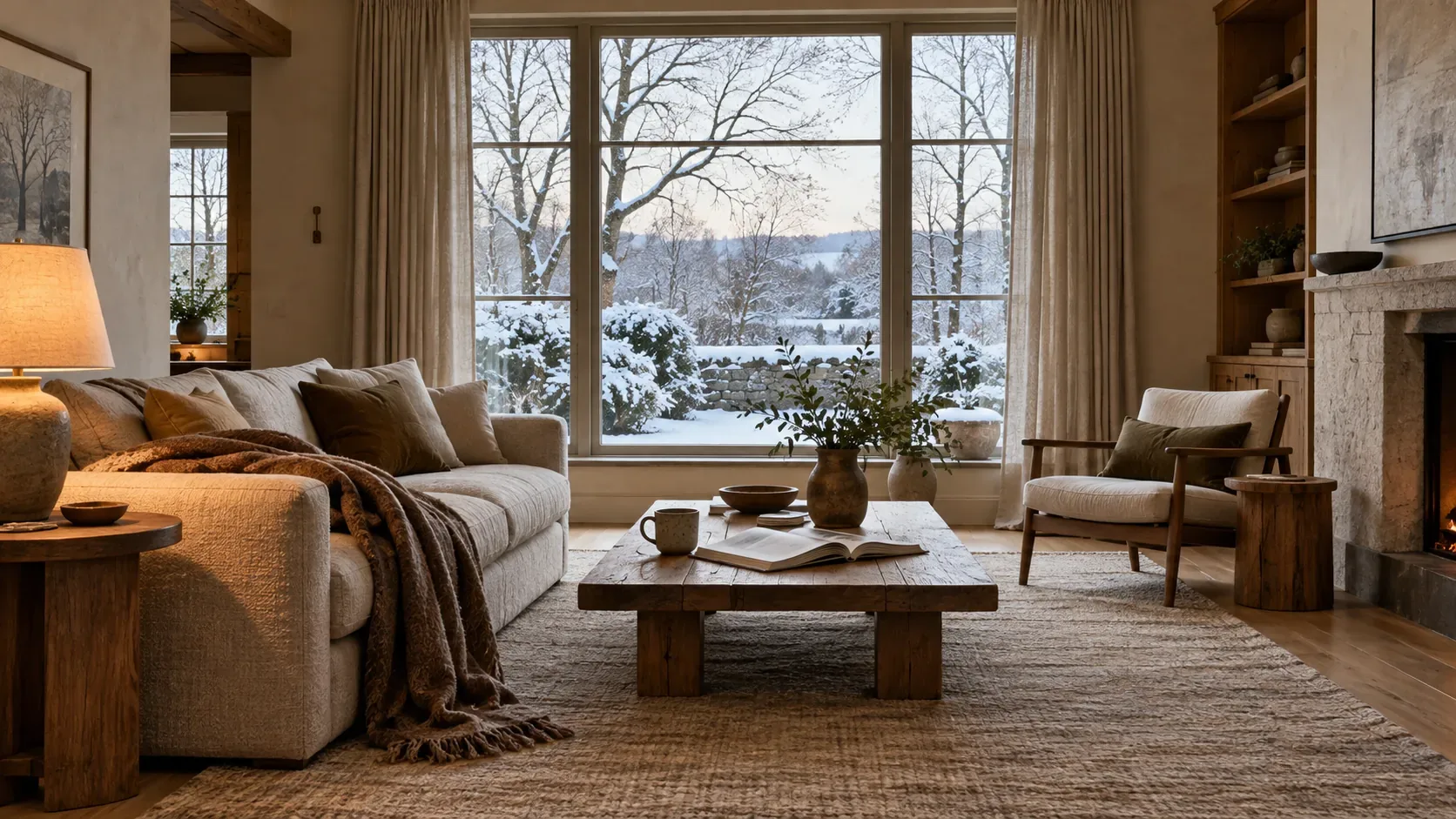
- Layered Accents: Handwoven cushions, throws, and runners add dimensionality, color, and comfort, perfect for relaxed modern seating, bedrooms, and terraces.
- Contrasts & Synergies: Traditional Oaxacan motifs juxtaposed with contemporary furnishings create a sophisticated dialogue, blending globalism with rooted heritage.
- Artisan Collaborations: Commissioning bespoke works from renowned Oaxacan weavers allows clients to possess truly singular elements, elevating the narrative of any estate, yacht, or luxury residence.
Case Studies: Exemplary Applications in International Settings
- Modernist Residences: In London and Los Angeles, bespoke Oaxacan wall hangings complement glass-and-steel architecture, offering human warmth and color amidst minimalism.
- Luxury Retreats: In hospitality projects across Tulum and Marrakech, hand-dyed Oaxaca textiles evoke local provenance while satisfying upscale guest expectations for authentic, meaningful décor.
- Cultural Institutions: International museums incorporate Oaxacan rugs and garments as both decorative and educational tools, highlighting the intersection of living culture, art, and craft.
Cultural Relevance and the Preservation of Mexican Craft
Engaging with Oaxaca textiles is more than an aesthetic or design choice, it is an investment in living heritage and cultural stewardship. For professionals in architecture, interior design, and luxury real estate, integrating genuine handmade home décor sourced directly from Oaxacan workshops carries ethical weight and deepens the social narrative of a project.
As global appreciation grows, so does the imperative to protect Oaxacan weaving communities from cultural appropriation, imitation, and market pressures. Responsible design involves working with established collectives or fair-trade organizations that prioritize sustainable livelihoods, education, and creative agency for artisans.
Why Authenticity Matters
- Sustainability: Oaxacan textiles are inherently sustainable, crafted from natural materials with eco-friendly processes that support rural economies.
- Social Impact: Direct engagement preserves endangered traditions and empowers new generations to sustain their artistry.
- Design Integrity: Authentic pieces outlast trends and retain value, becoming heirlooms that continue to enrich the spaces and lives they inhabit.
The Contemporary Renaissance of Oaxacan Artisans
In the age of global connectivity and discerning connoisseurship, the artisans of Oaxaca stand at the forefront of a renaissance. Their ability to blend time-honored knowledge with contemporary aesthetics positions Oaxacan textiles as a luminary force within the sphere of international design. Prestigious collaborations with prominent interior designers and international design fairs continue to amplify Oaxaca’s role in the dialogue between past and future.
Notably, at recent design expos in Milan, Paris, and New York, Oaxacan weavers were invited to exhibit side by side with leading global studios, an overdue recognition of their place in the larger narrative of design excellence. This renewed attention fosters not just commercial opportunities, but also an environment where traditional craftsmanship is celebrated as a source of sustainable innovation.

The Future: Oaxaca Textiles as Icons of Handmade Home Décor
Looking ahead, the continued integration of Oaxaca textiles into luxury environments illuminates a path toward mindful, layered, and narrative-rich interiors. For global professionals and collectors, these textiles are more than ornamental addenda; they are invitations into a deeper dialogue with history, artistry, and cultural exchange.
- Curiosity and Collecting: As awareness expands, curated collections of Oaxacan pieces, both historic and contemporary, are emerging as objects of desire for serious collectors.
- Bespoke Opportunities: The collaborative spirit of Oaxacan artisans opens bespoke possibilities, where clients can engage directly in the creative process, shaping colors, designs, and scale to suit unique visions.
- Cultural Legacy: Each textile serves as a tangible legacy, anchoring environments in something both ancient and alive, transcending ephemeral design cycles.
Weaving Culture into the World’s Finest Interiors
The story of Oaxaca textiles is, ultimately, a tale of convergence, where exceptional Mexican craft intertwines with the aspirations of today’s architecture and design visionaries. Integrating these pieces into handmade home décor is an act of discernment and cultural ambassadorship; it elevates homes, workplaces, and spaces with indelible warmth, gravitas, and soul.
For those who seek to infuse their environments with the nuance of lived history and the refinement of masterful creation, Oaxacan textiles offer not just objects, but stories, woven with purpose, anchored in tradition, and ever attuned to the future. As we shape the next era of luxury living, let us honor and invest in the artisans whose hands continue to weave culture into the very fabric of our most treasured spaces.