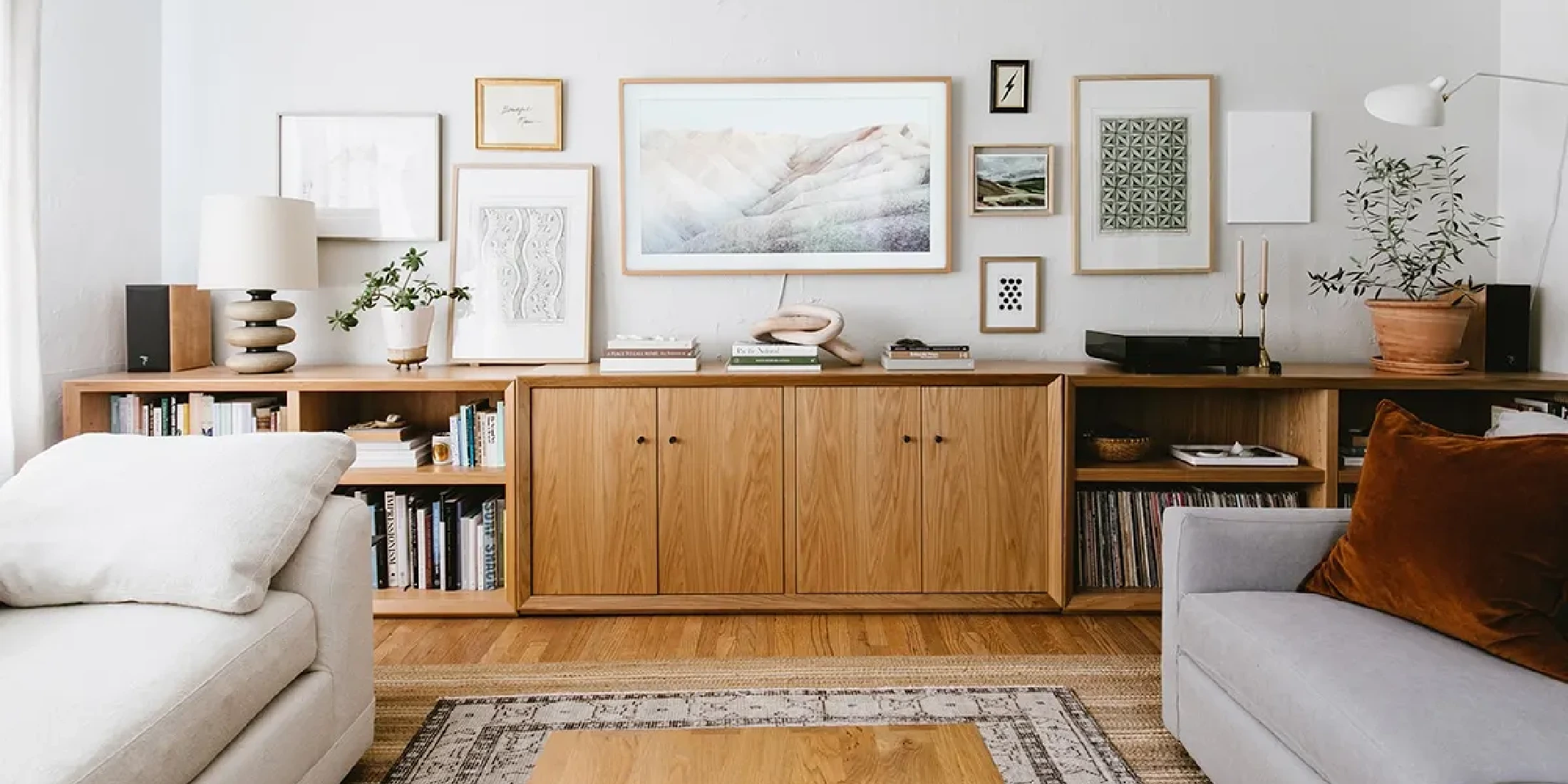
In today’s high-end residential and hospitality environments, functionality must coexist seamlessly with aesthetics. Storage is no longer a purely practical concern—it has become a defining element of spatial identity. The best Storage Furniture designs now act as architectural features, sculptural statements, and organizational solutions all at once. For interior designers, architects, and luxury furniture brands, mastering this balance is essential to creating refined, livable spaces.
The Evolution of Storage Furniture in Luxury Design
Storage Furniture has evolved far beyond traditional cabinets and shelving units. Contemporary clients expect pieces that integrate into the overall design language while enhancing the visual narrative of a space.
Instead of concealing storage, designers now highlight it through:
- Custom-built millwork
- Statement cabinetry
- Multifunctional furniture systems
- Seamless architectural integration
This shift reflects a broader design philosophy: every element in a space should contribute to both form and function.
Key Principles of Elegant Storage Furniture Design
1. Integration with Architecture
The most successful Storage Furniture designs feel like a natural extension of the architecture. Built-in units often align with walls, ceilings, and structural elements to create a cohesive visual flow.
Design strategies include:
- Floor-to-ceiling cabinetry that enhances verticality
- Flush panels that blend with wall finishes
- Hidden compartments integrated into structural features
Architects and designers increasingly collaborate to ensure storage becomes part of the spatial concept rather than an afterthought.
2. Material Sophistication
Material selection defines the elegance of storage pieces. High-end interiors favor a refined palette that emphasizes texture, durability, and craftsmanship.
Popular materials include:
- Natural wood veneers with subtle grain patterns
- Matte lacquers for a contemporary finish
- Stone surfaces for integrated shelving or tops
- Brushed metals for detailing and accents
The interplay of materials adds depth without overwhelming the design.
3. Minimalism with Purpose
Elegant Storage Furniture embraces minimalism but avoids sterility. Clean lines, concealed hardware, and restrained detailing create a calm and organized environment.
Key features:
- Handle-less doors with push-to-open mechanisms
- Integrated lighting within shelving units
- Soft-close systems for a seamless user experience
This approach ensures that storage enhances the space rather than dominating it.
4. Customization and Flexibility
Luxury clients demand tailored solutions. Custom Storage Furniture allows designers to respond to specific spatial constraints and lifestyle needs.
Flexible design elements include:
- Adjustable shelving systems
- Modular units that adapt over time
- Convertible furniture for multifunctional spaces
Customization also supports a more personal and curated interior environment.
Top Storage Furniture Designs for Elegant Spaces
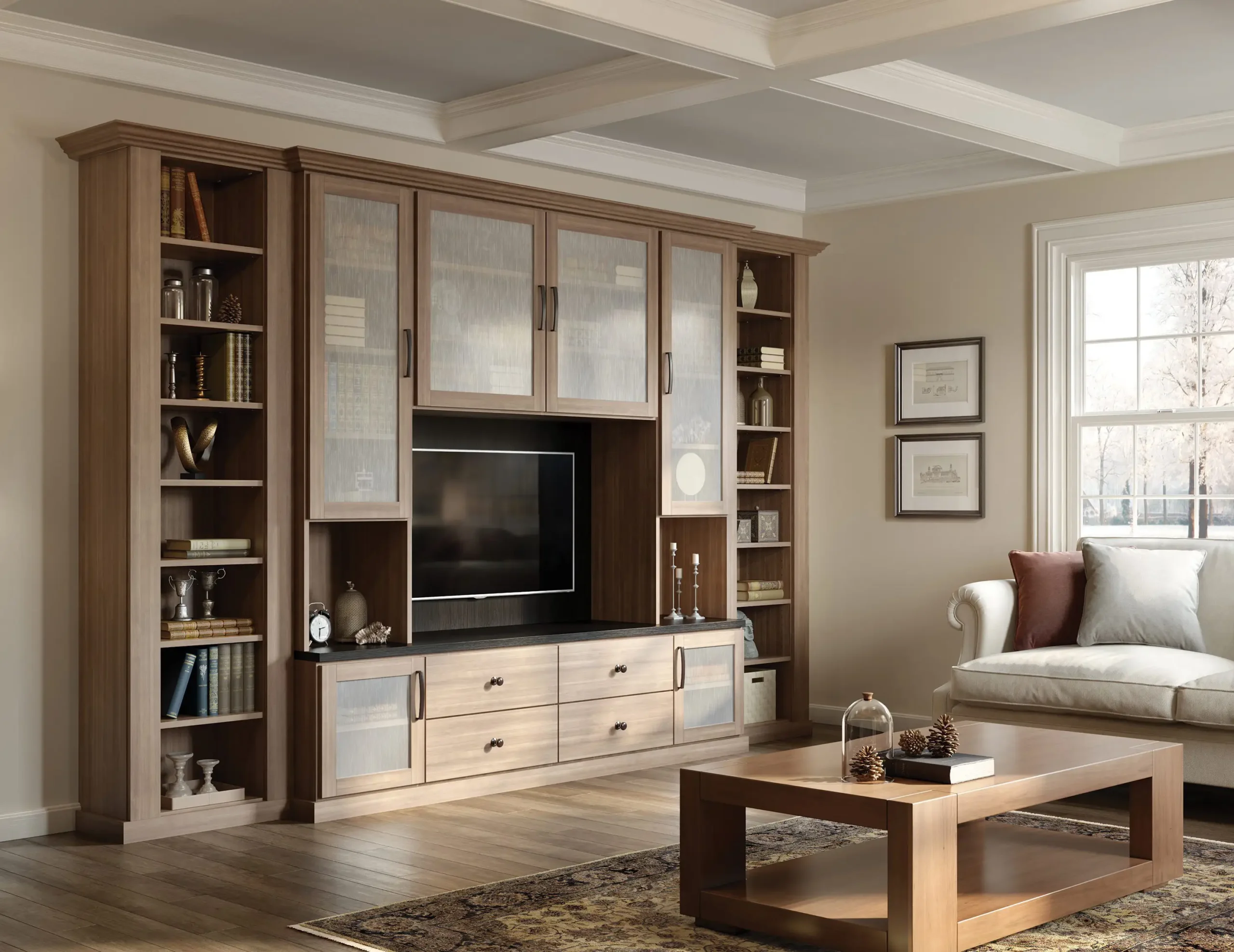
Built-In Wall Systems
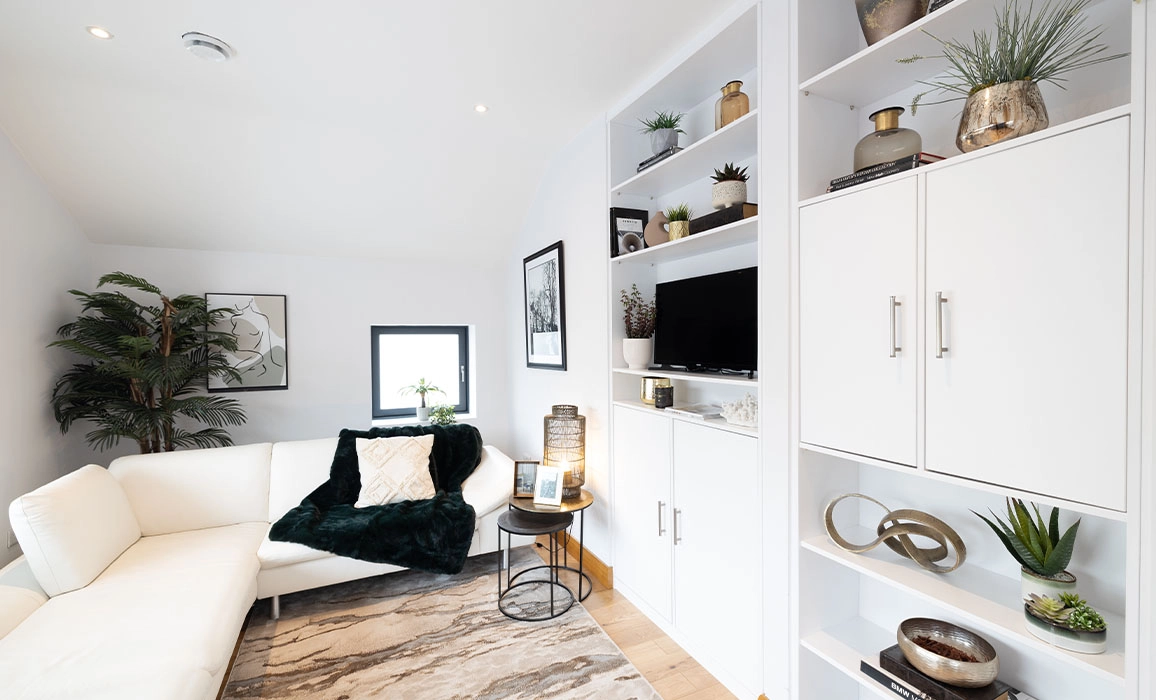
Built-in wall systems remain one of the most effective ways to combine storage with architectural clarity. These systems often span entire walls, creating a unified surface that conceals storage behind refined panels.
Applications include:
- Living rooms with integrated media storage
- Bedrooms with concealed wardrobes
- Home offices with hidden workspaces
When executed well, built-ins reduce visual clutter and enhance spatial harmony.
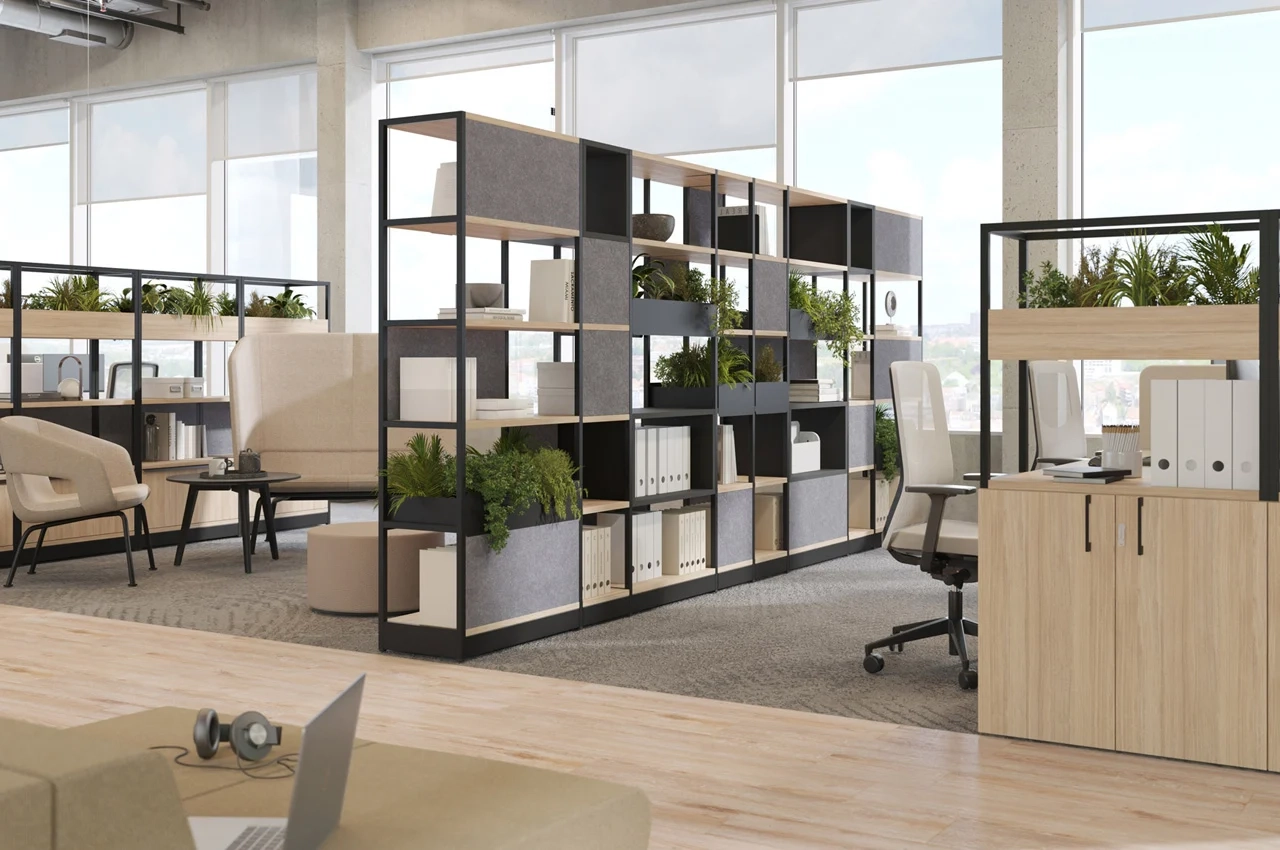
Sculptural Cabinets and Sideboards
Freestanding cabinets and sideboards have transformed into statement pieces. Designers now treat these elements as functional sculptures that anchor a room.
Characteristics of standout designs:
- Bold geometric forms
- Unique finishes such as textured wood or metal
- Artistic detailing that elevates the piece beyond utility
For furniture brands, this category offers an opportunity to merge craftsmanship with artistic expression.
Open Shelving with Curated Displays
Open shelving introduces a gallery-like quality to interiors. Instead of hiding items, it allows for curated displays of objects, books, and art.
To maintain elegance:
- Limit the number of displayed items
- Use consistent color palettes
- Incorporate lighting to highlight key pieces
This approach works particularly well in living areas, kitchens, and transitional spaces.
Multifunctional Storage Furniture
As spaces become more dynamic, multifunctional Storage Furniture gains importance. These designs maximize usability without compromising aesthetics.
Examples include:
- Storage benches in entryways or outdoor terraces
- Coffee tables with concealed compartments
- Beds with integrated drawers or lift-up storage
These pieces support efficient living while maintaining a clean visual profile.