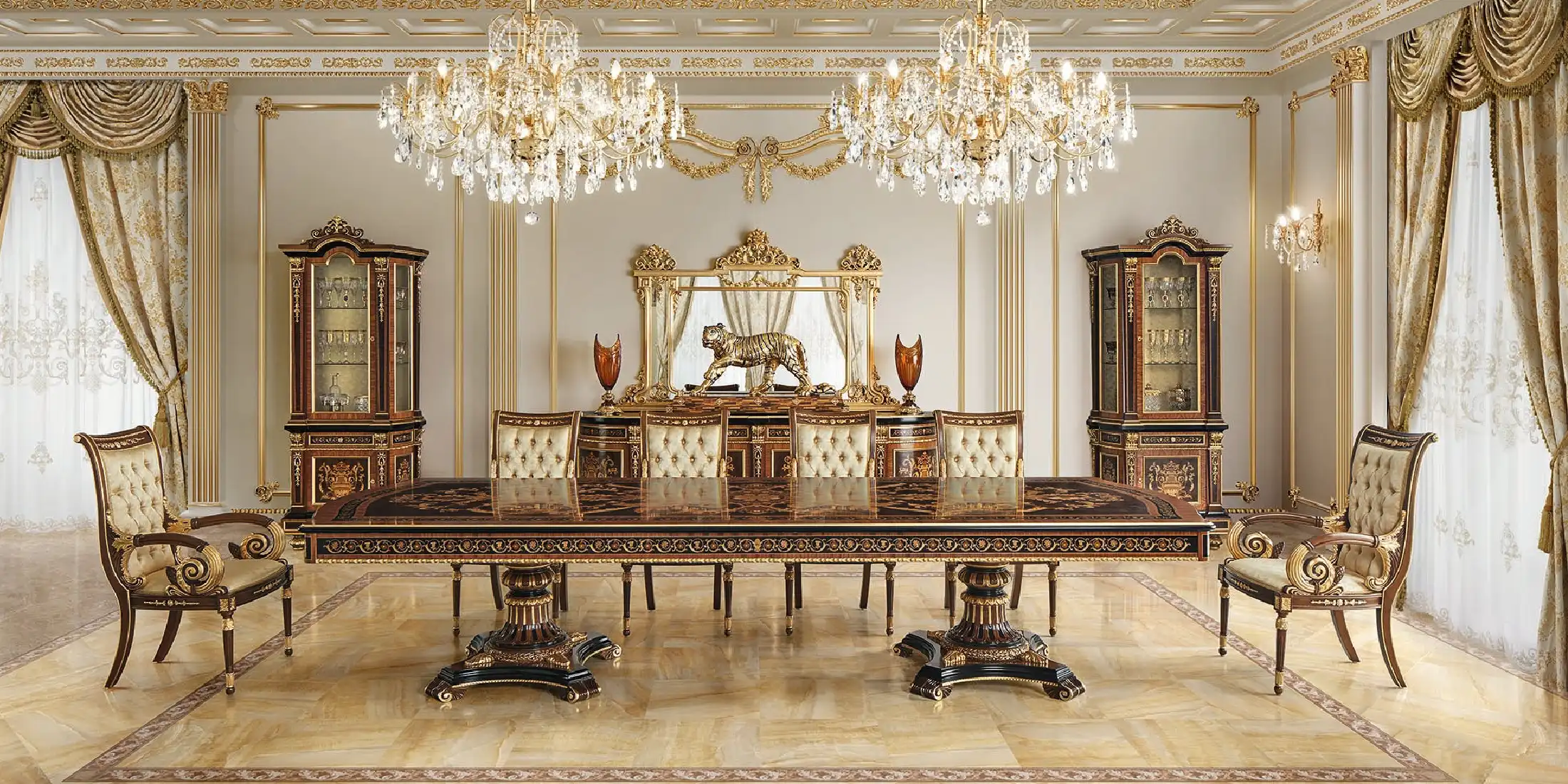
Wooden Furniture continues to define the essence of handcrafted interiors, blending authenticity, durability, and timeless beauty. For interior designers, architects, and luxury design studios, selecting the right wooden pieces goes far beyond aesthetics—it shapes the identity of a space, communicates craftsmanship, and elevates the overall design narrative.
In an era where mass production dominates, handcrafted wooden furniture stands out for its individuality and material honesty. This guide explores the best wooden furniture pieces that bring depth, warmth, and sophistication to handcrafted interiors.
Why Wooden Furniture Defines Handcrafted Spaces
Wood brings a tactile richness that synthetic materials struggle to replicate. Its grain, texture, and natural imperfections create visual interest while reinforcing a connection to nature. Designers often rely on wood because it adapts across styles—from rustic and organic to minimalist and contemporary.
Hardwoods like oak, walnut, teak, and maple offer longevity and structural integrity, while softer woods like pine provide versatility and character. The key lies in selecting pieces that highlight craftsmanship rather than conceal it.
Statement Dining Tables: The Heart of Craftsmanship
A handcrafted wooden dining table often becomes the focal point of an interior. Large slab tables—especially live-edge designs—celebrate the raw beauty of the material.
Designers favor:
- Solid walnut tables for their rich, dark tones and refined grain
- Oak tables for their durability and lighter, Scandinavian-inspired appeal
- Reclaimed wood tables for sustainable, story-driven interiors
A well-crafted dining table anchors the room and sets the tone for the entire design scheme. Pairing it with complementary seating enhances cohesion without overpowering the centerpiece.
Handcrafted Wooden Chairs: Functional Sculpture
Chairs present an opportunity to merge ergonomics with artistry. In handcrafted interiors, wooden chairs often act as sculptural elements rather than mere seating solutions.
Look for:
- Curved backrests shaped through steam bending
- Joinery techniques like mortise-and-tenon that eliminate visible hardware
- Mixed-material designs combining wood with leather or woven fibers
These details signal quality and elevate the perceived value of a space. Designers often mix chair styles intentionally to create a curated, collected aesthetic.
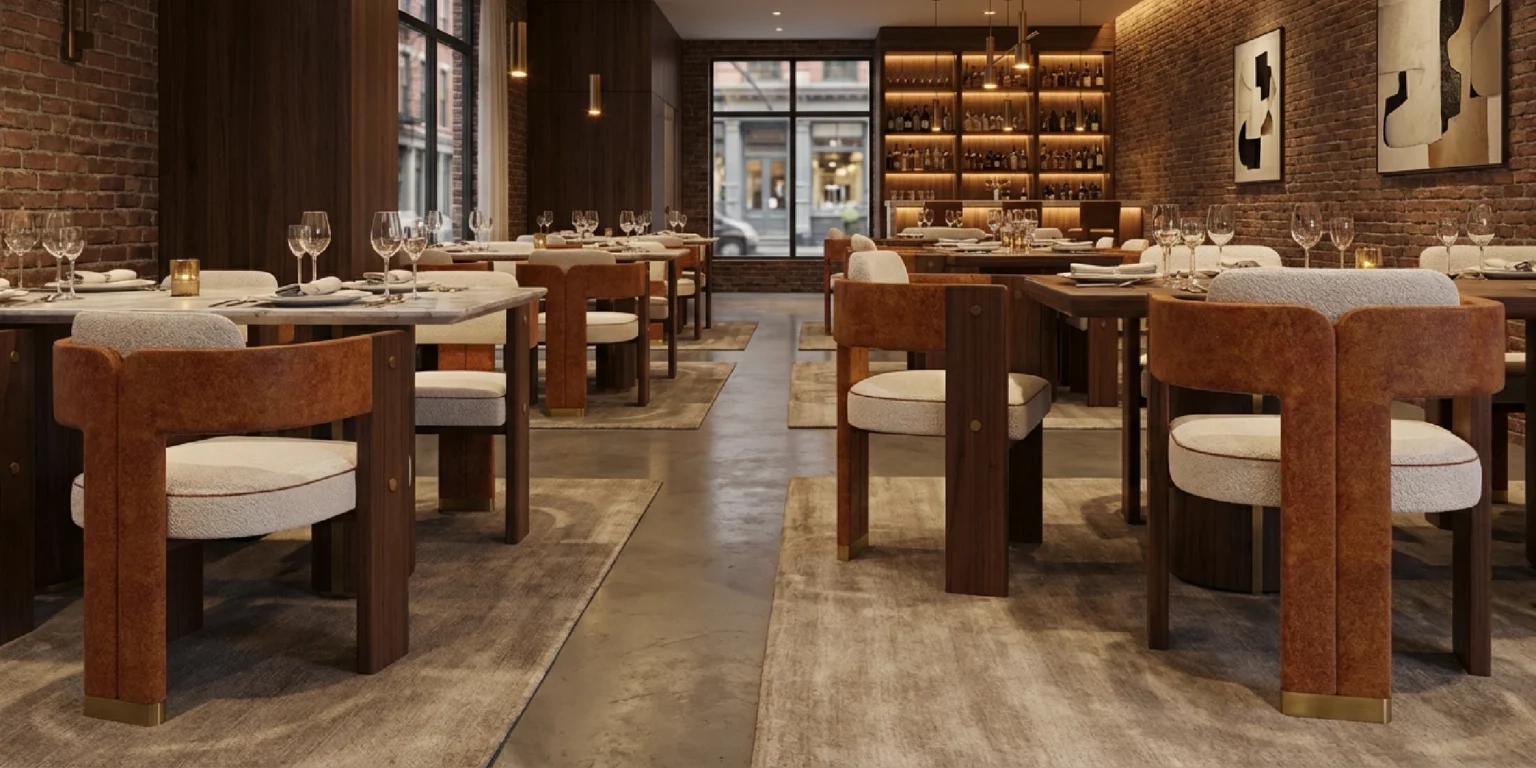
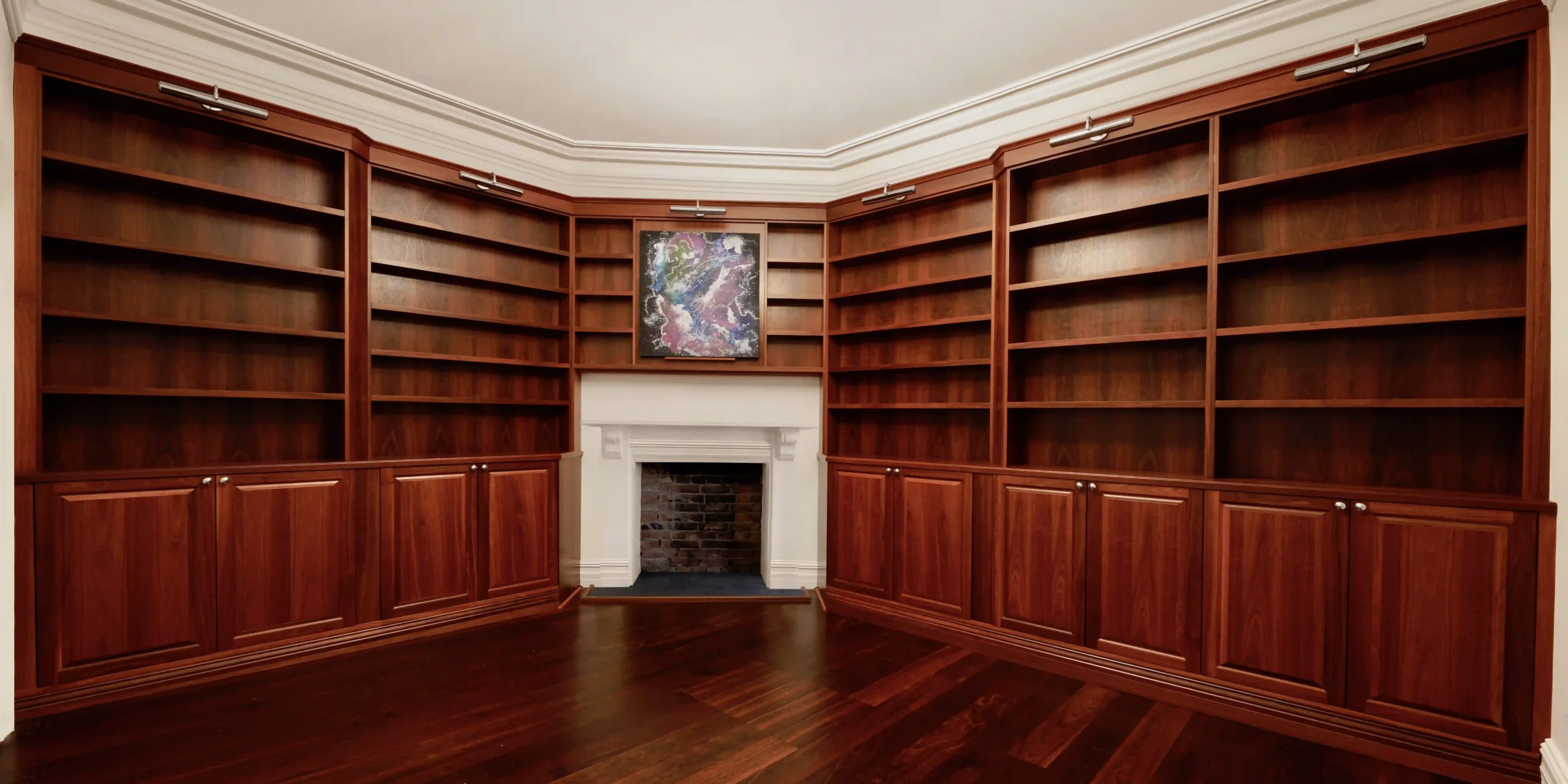
Custom Wooden Cabinetry: Precision Meets Personality
Custom cabinetry showcases the intersection of architecture and furniture design. Whether in kitchens, living spaces, or outdoor areas, bespoke wooden cabinets allow designers to tailor every detail.
Key features include:
- Seamless integration with architectural elements
- Hidden storage solutions that maintain clean lines
- Hand-finished surfaces that enhance wood grain
Walnut and oak remain popular choices, but teak dominates in outdoor cabinetry due to its resistance to moisture and weather conditions.
Wooden Coffee Tables: Subtle Yet Impactful
While dining tables command attention, coffee tables provide an opportunity for subtle sophistication. A handcrafted wooden coffee table can tie together various elements in a room without overwhelming the design.
Design considerations:
- Low-profile forms for modern interiors
- Chunky, geometric designs for bold statements
- Organic shapes for softer, nature-inspired spaces
Designers often experiment with finishes—matte, oiled, or lightly distressed—to align with the overall mood of the interior.
Artisan Wooden Shelving: Display with Purpose
Open shelving crafted from solid wood adds both function and visual rhythm. Unlike mass-produced alternatives, handcrafted shelves emphasize proportion, balance, and material quality.
Floating shelves, in particular, create a clean and architectural look. Bracketed designs, on the other hand, introduce a more industrial or rustic feel.
When styling wooden shelving:
- Keep spacing intentional and uncluttered
- Highlight the wood’s natural grain rather than concealing it
- Use lighting to enhance texture and depth
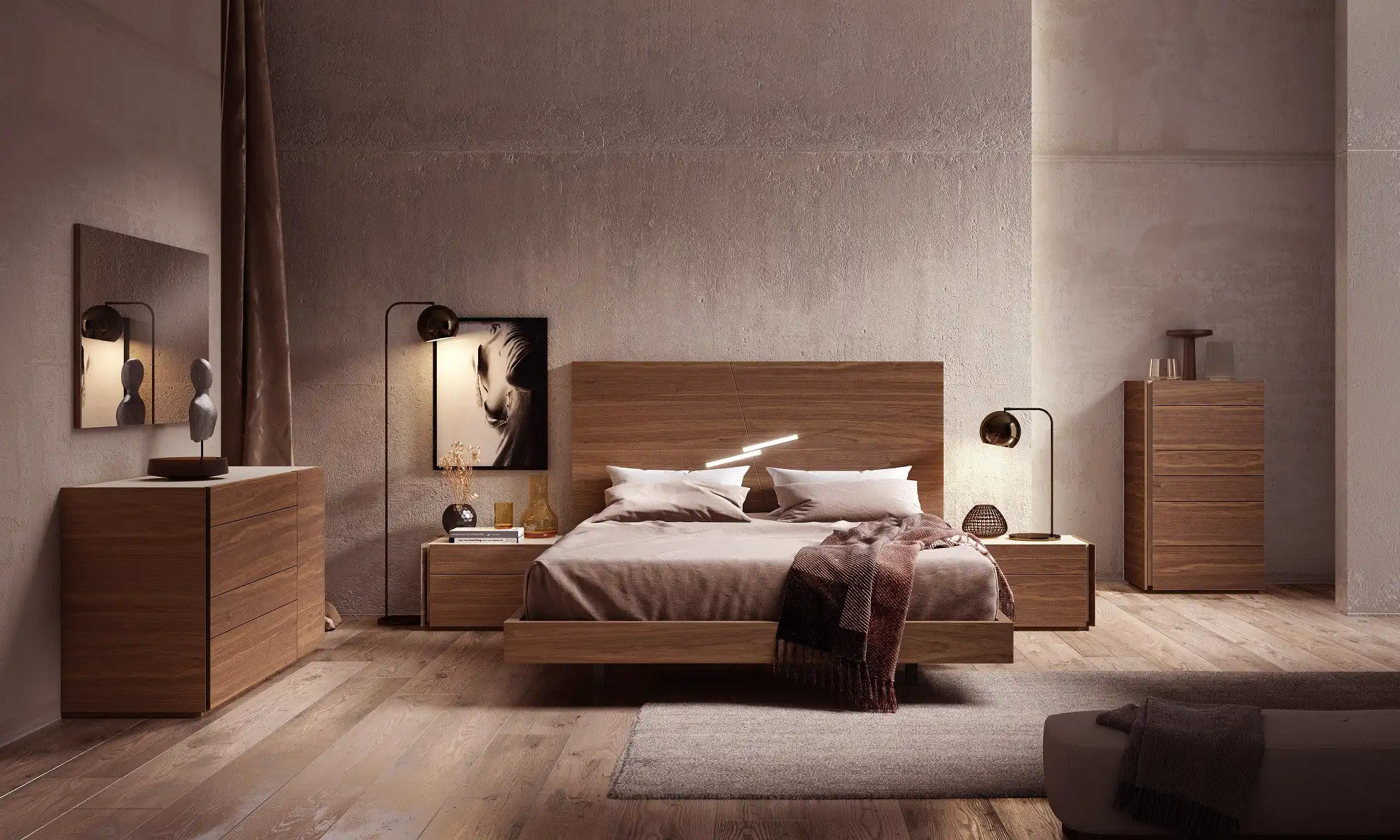
Wooden Beds: Grounding the Bedroom Experience
A handcrafted wooden bed frame transforms the bedroom into a sanctuary. Solid wood beds offer durability while introducing warmth and structure.
Popular styles include:
- Platform beds with minimalist lines
- Canopy beds that add architectural drama
- Carved headboards that showcase artisanal skill
Walnut and oak dominate indoor bedroom designs, while teak works well in humid climates or semi-outdoor settings.
Outdoor Wooden Furniture: Blending Interior and Exterior Design
Outdoor spaces benefit immensely from high-quality wooden furniture. Teak, in particular, stands out due to its natural oils and resistance to weathering.
Best outdoor pieces:
- Lounge chairs with ergonomic shaping
- Dining sets that mirror indoor craftsmanship
- Benches that integrate seamlessly into landscape design
Designers increasingly blur the line between indoor and outdoor living, making consistency in materials and craftsmanship essential.
Accent Pieces: Small Details, Big Impact
Not every piece needs to dominate the room. Smaller handcrafted wooden elements often complete a design story.
Consider incorporating:
- Side tables with unique joinery
- Wooden stools that double as sculptural accents
- Consoles with intricate detailing
These pieces allow designers to experiment with form and texture without committing to large-scale installations.
Choosing the Right Wooden Furniture for Your Projects
Selecting the best wooden furniture requires a balance between aesthetics, functionality, and context. Consider the following:
- Material authenticity: Avoid overly processed finishes that mask the natural character of the wood
- Craftsmanship: Prioritize handmade or small-batch production over mass manufacturing
- Scale and proportion: Ensure each piece complements the architectural space
- Sustainability: Opt for responsibly sourced or reclaimed wood whenever possible
Designers who pay attention to these factors create interiors that feel intentional, cohesive, and enduring.
Final Thoughts
Wooden Furniture remains a cornerstone of handcrafted interiors because it tells a story—of material, maker, and design intent. From statement dining tables to subtle accent pieces, each element contributes to a layered and sophisticated environment.
For architects, interior designers, and luxury brands, investing in handcrafted wooden furniture is not just a stylistic choice—it’s a commitment to quality, authenticity, and timeless design.