The global luxury interiors market continues to evolve toward spaces that feel authentic, tactile, and emotionally grounded. Among the most influential movements shaping contemporary design today, Japandi Style stands out as a defining aesthetic for high-end handcrafted interiors. By merging Japanese minimalism with Scandinavian warmth, Japandi Style creates environments that balance simplicity, craftsmanship, and natural beauty.
Luxury residential projects, boutique hospitality spaces, and premium furniture collections increasingly embrace this refined approach. Interior designers, architects, and luxury furniture brands now view Japandi Style not as a short-term trend, but as a lasting design language rooted in quality, sustainability, and artisan craftsmanship.
What Defines Japandi Style?
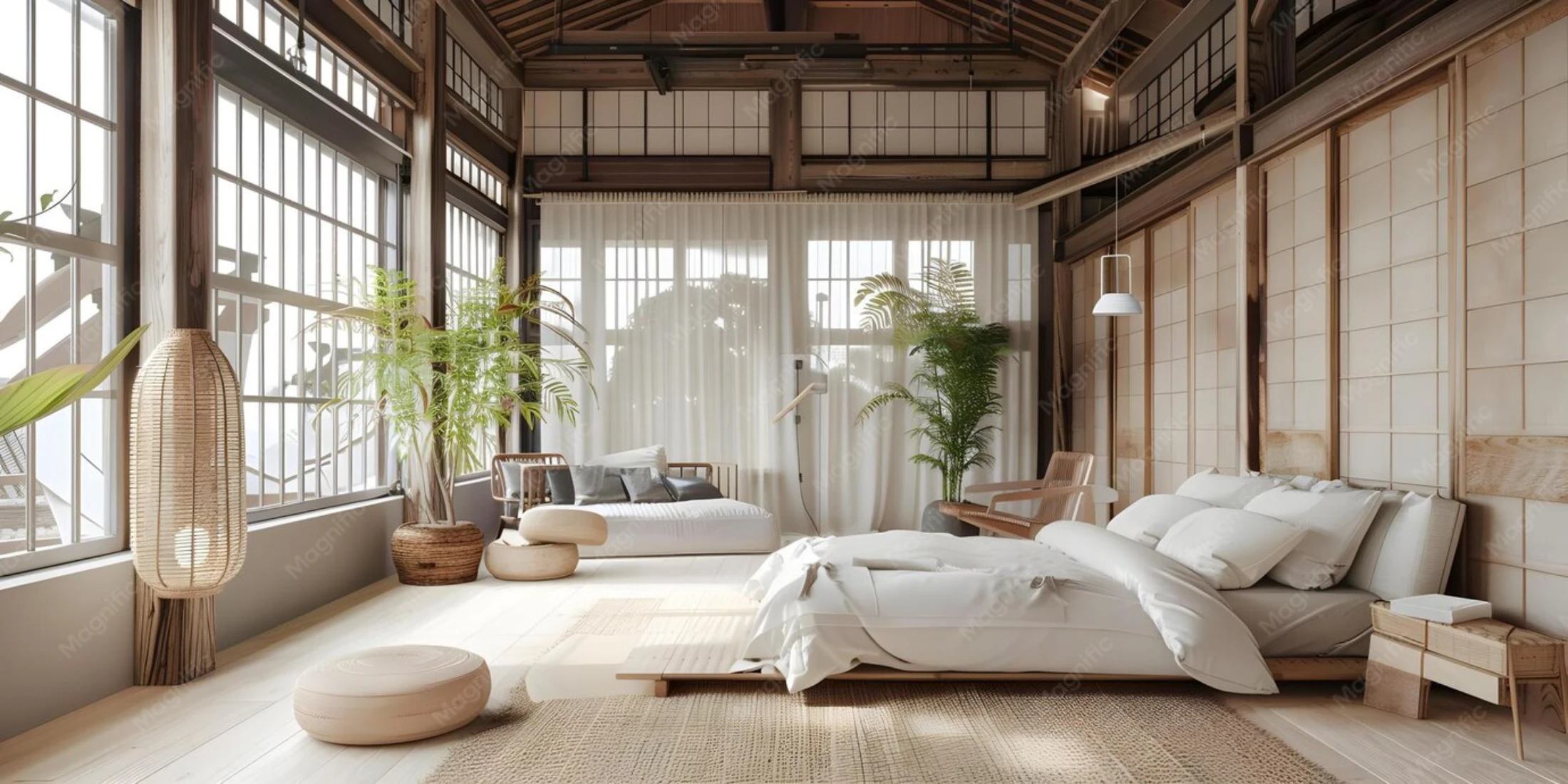
Japandi Style combines two highly respected design philosophies. From Japan, it borrows restraint, asymmetry, and a strong connection to nature. From Scandinavia, it adopts comfort, functionality, and understated elegance. Together, these influences create interiors that feel serene without appearing cold or overly minimal.
The aesthetic relies heavily on natural materials, muted color palettes, handcrafted furnishings, and carefully curated spaces. Unlike decorative maximalism, Japandi interiors prioritize intention. Every object serves a purpose, whether functional, emotional, or sculptural.
Wood plays a central role in Japandi interiors. Oak, walnut, ash, and dark-stained timbers establish warmth and depth. Stone, linen, clay, handmade ceramics, and textured fabrics reinforce the tactile quality that defines luxury handcrafted spaces. Rather than relying on visual excess, Japandi Style creates sophistication through material integrity and artisanal detail.
Why High-End Design Studios Are Embracing Japandi Style
Luxury clients increasingly seek interiors that promote calm, wellness, and permanence. Fast-moving trends and mass-produced furnishings no longer satisfy buyers who value originality and craftsmanship. Japandi Style addresses this shift by emphasizing timelessness over novelty.
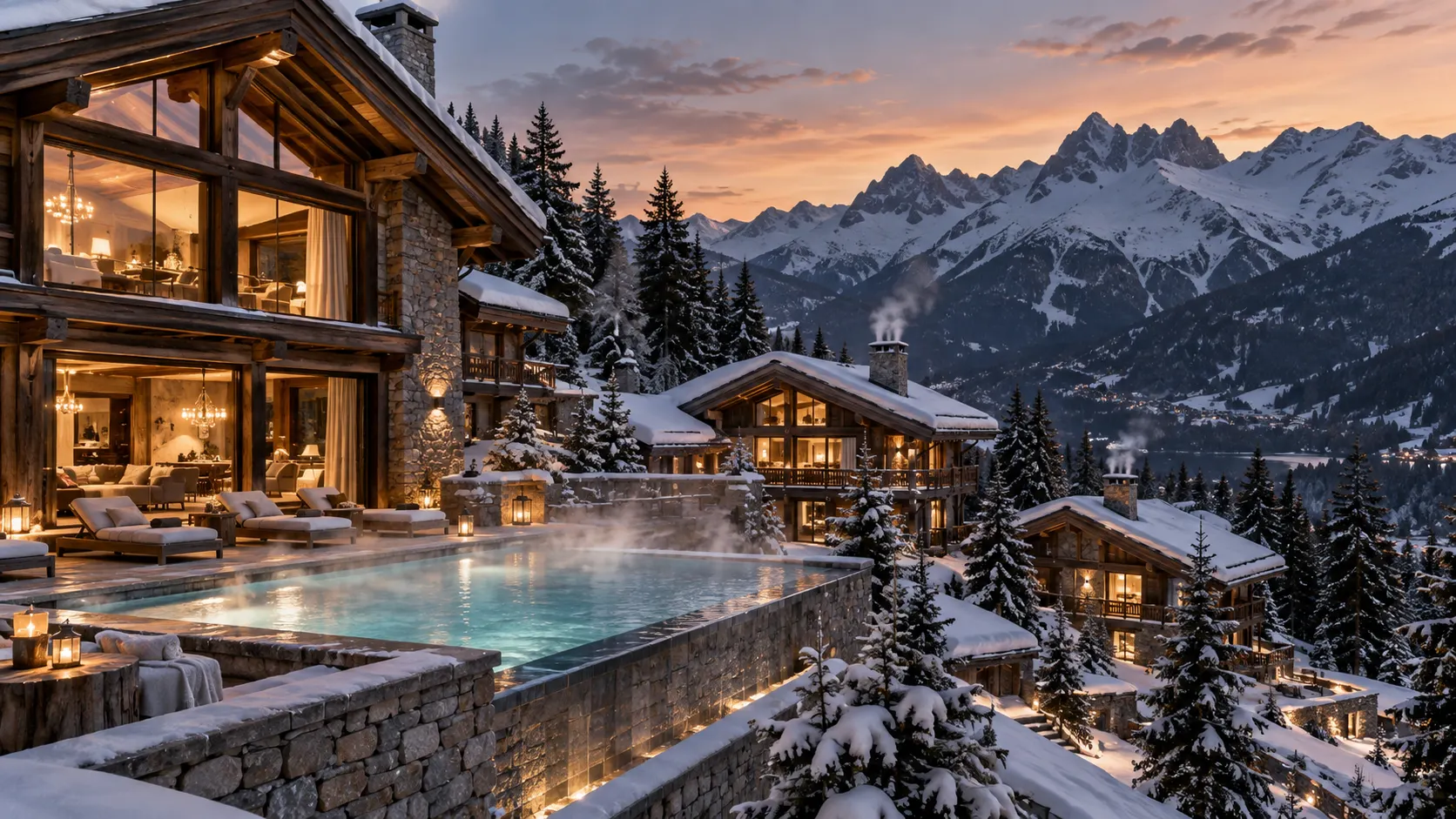
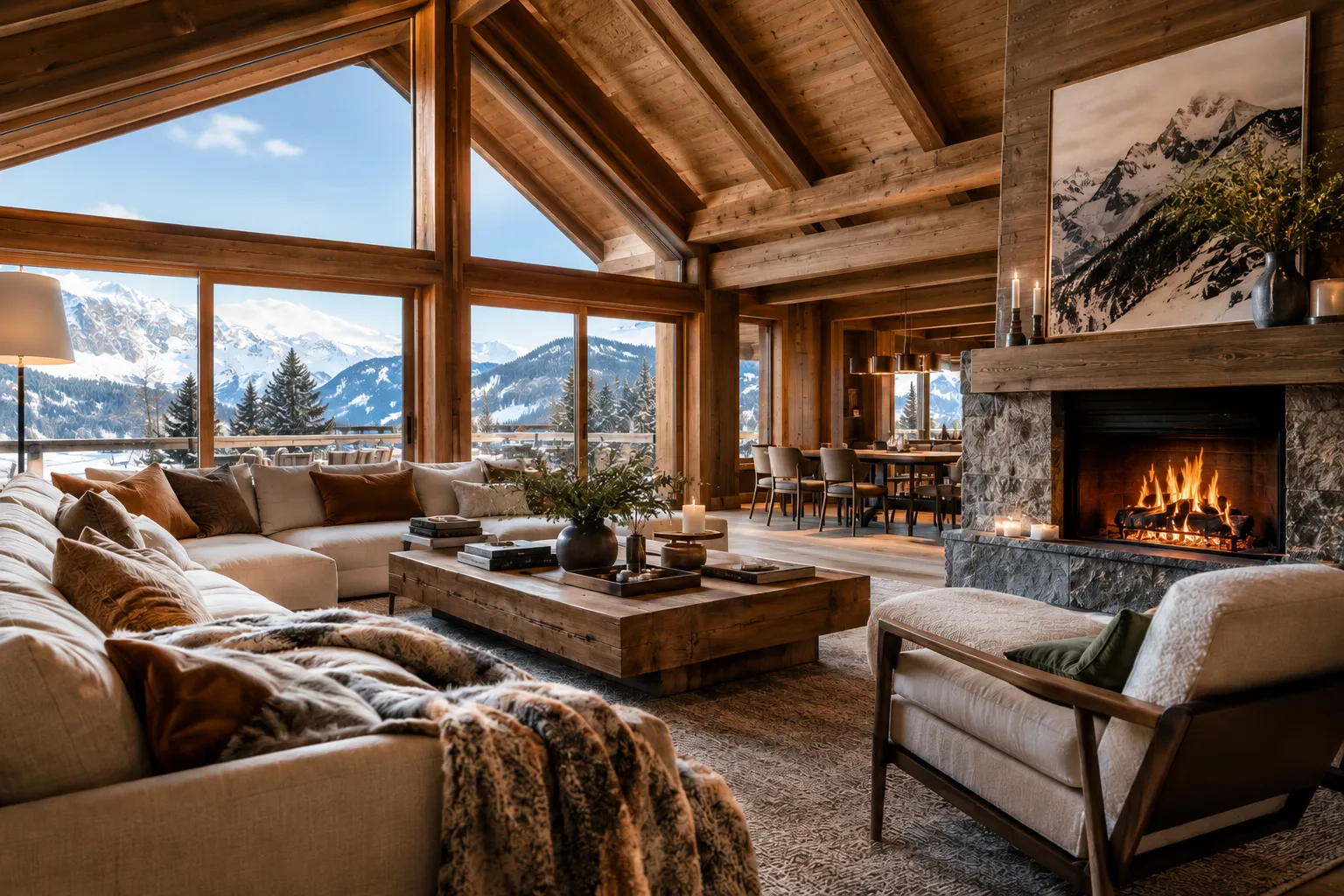
For high-end design studios, the aesthetic offers exceptional flexibility. Japandi principles work equally well in contemporary penthouses, coastal retreats, mountain residences, and boutique hospitality environments. The restrained palette also allows designers to highlight architectural forms, custom furniture, and artisanal finishes without visual clutter.
Many luxury firms appreciate how Japandi Style supports bespoke craftsmanship. Handcrafted furniture, custom millwork, textured plaster walls, and artisan lighting naturally align with the movement’s philosophy. As a result, designers can showcase the value of skilled makers and premium materials throughout a project.
The growing interest in wellness-centered interiors also contributes to Japandi Style’s rise. Open spaces, soft natural light, organic textures, and uncluttered layouts encourage mental clarity and relaxation. These qualities resonate strongly with affluent homeowners and hospitality brands focused on experiential living.
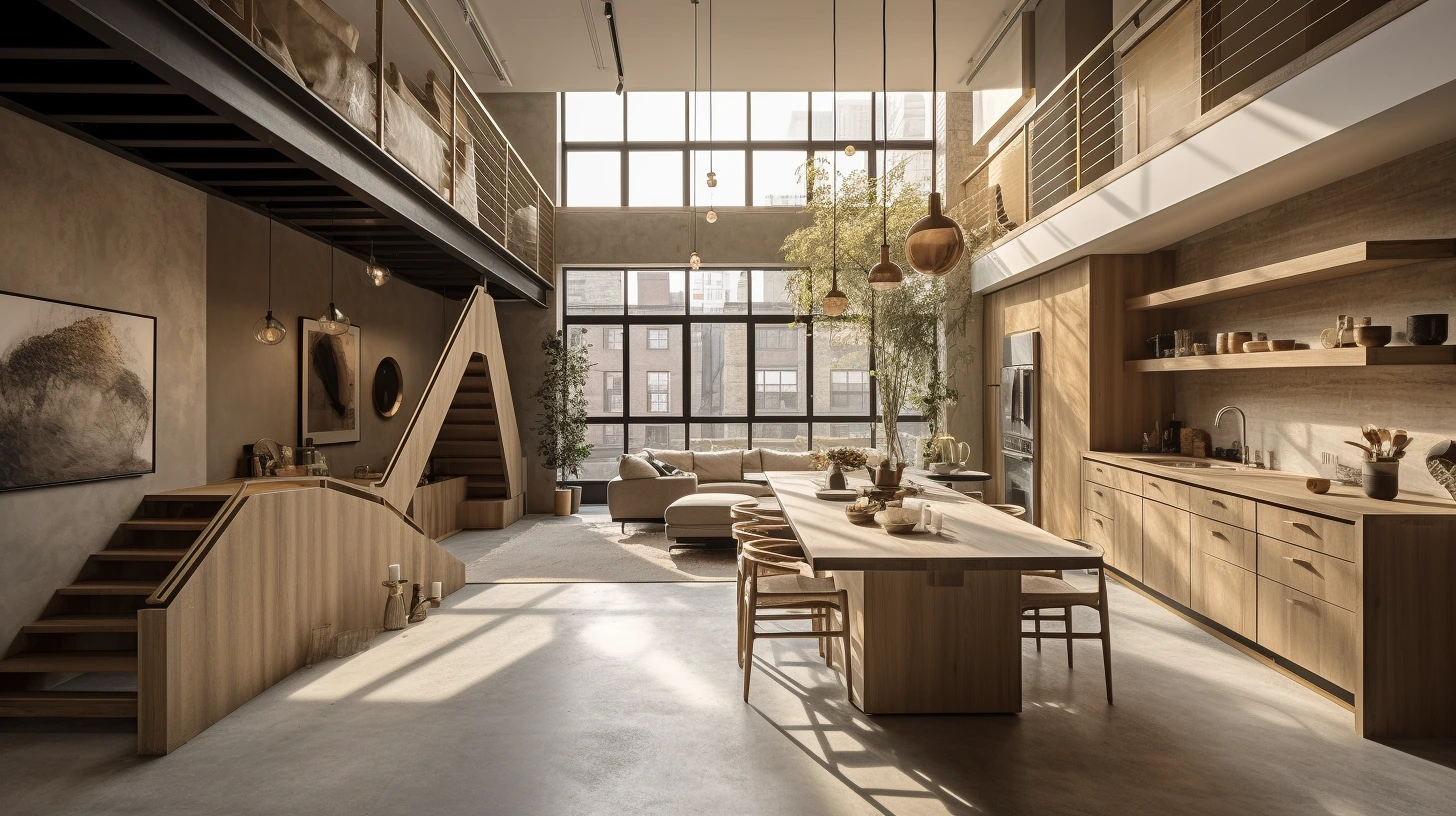
Handcrafted Furniture as the Centerpiece of Japandi Interiors
In luxury Japandi interiors, furniture becomes more than a practical necessity. Each piece functions as a sculptural object that reflects craftsmanship and material authenticity.
Low-profile seating, solid wood dining tables, and hand-finished cabinetry dominate many Japandi-inspired collections. Designers often favor visible joinery, organic wood grain, and subtle imperfections that reveal the human touch behind each object. Rather than concealing craftsmanship, Japandi Style celebrates it.
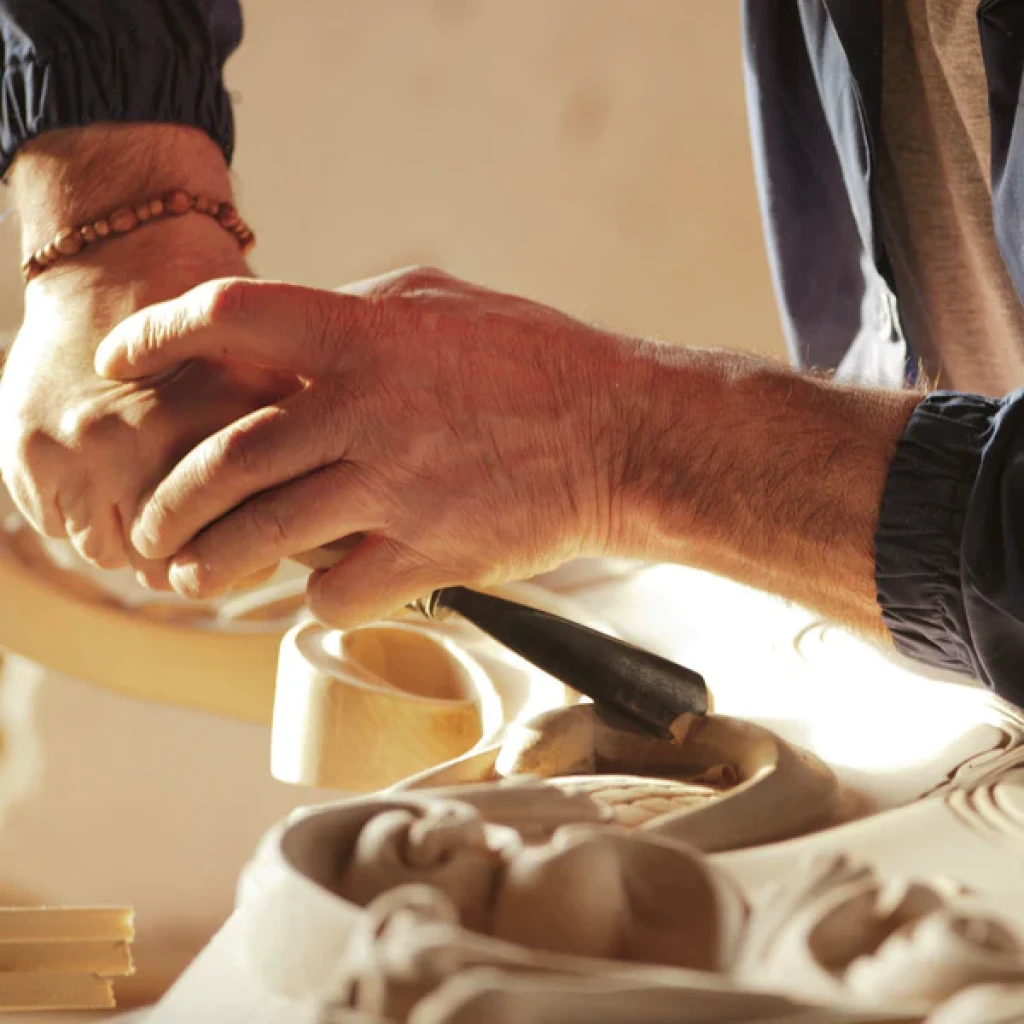
Furniture brands operating in the premium market increasingly collaborate with artisans to create limited-production pieces that align with Japandi aesthetics. Hand-carved details, natural oil finishes, and traditional woodworking techniques add depth and exclusivity to collections.
The demand for handcrafted furniture also reflects a broader rejection of disposable consumer culture. Luxury buyers now value longevity and emotional connection. A handcrafted walnut table or a custom oak console carries a sense of permanence that mass-produced furniture rarely achieves.
Material Authenticity and the Luxury Experience
Material authenticity sits at the core of Japandi Style. High-end interiors within this aesthetic avoid synthetic excess and instead focus on surfaces that age gracefully over time.
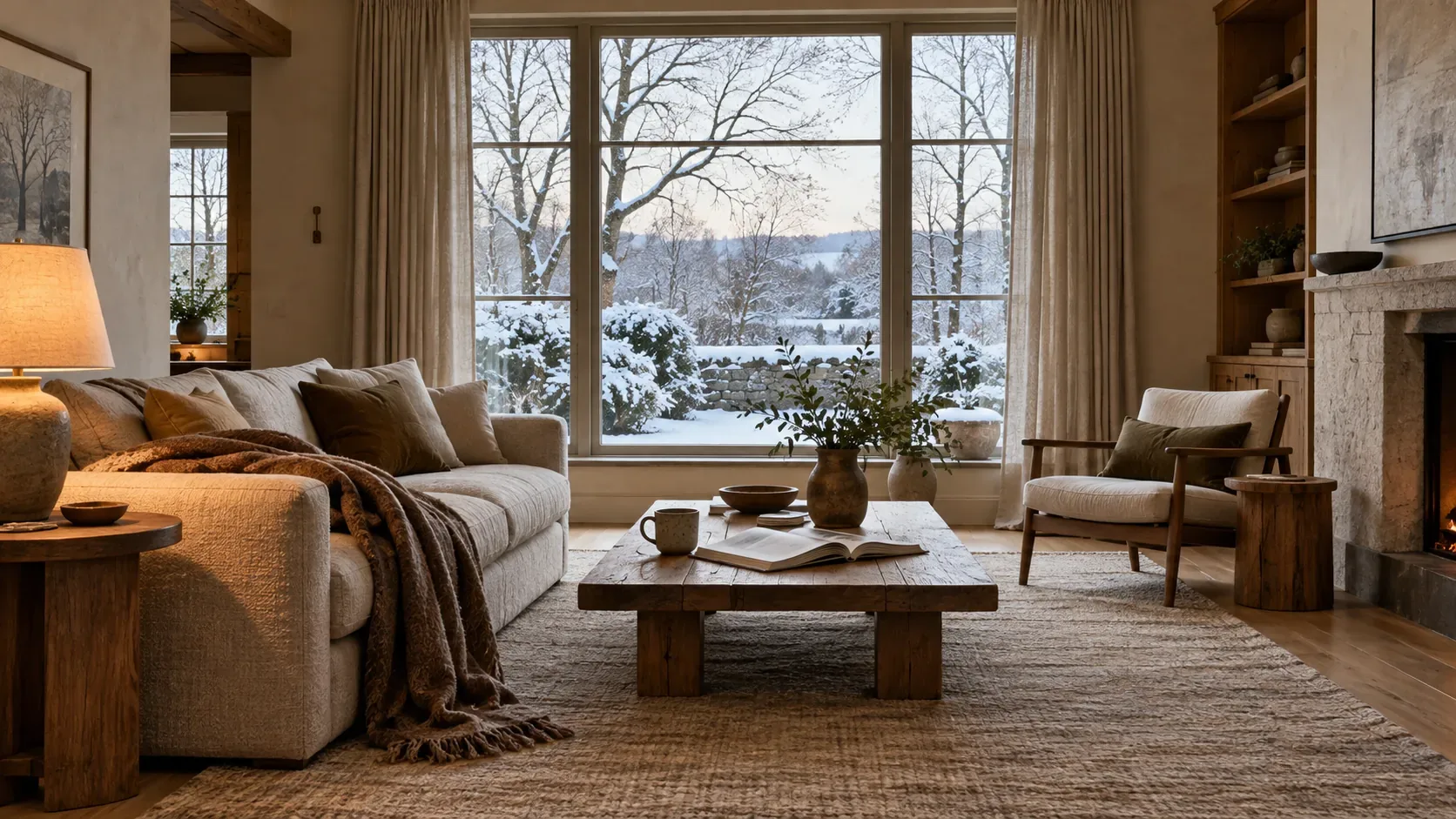
Natural stone countertops, brushed wood finishes, limewash walls, and handmade ceramics create interiors with visual softness and tactile richness. Designers frequently use neutral palettes featuring sand, charcoal, warm white, taupe, muted green, and earthy brown tones. These colors allow materials and craftsmanship to become the focal point.
Texture also plays an important role. Bouclé fabrics, woven textiles, matte finishes, and raw timber surfaces introduce subtle complexity without overwhelming the space. The layered simplicity characteristic of Japandi Style requires careful curation and technical precision, especially in luxury environments where every finish contributes to the overall atmosphere.
Architects increasingly integrate these materials directly into structural elements. Exposed wood beams, custom staircases, and integrated cabinetry reinforce continuity between architecture and interior design. This holistic approach strengthens the immersive quality that high-end clients expect.
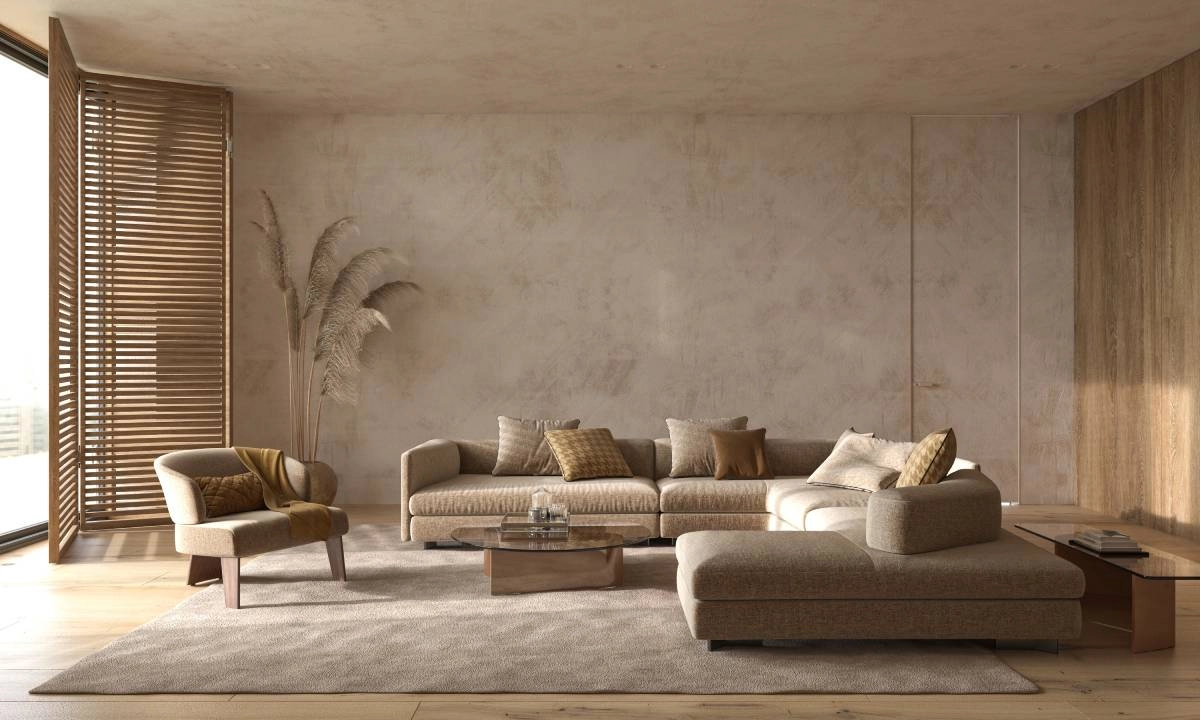
Sustainability and the Appeal of Slow Design
Sustainability significantly influences the popularity of Japandi Style within the luxury sector. Many affluent consumers now prioritize environmentally responsible sourcing and long-lasting design solutions.
Japandi interiors naturally support the principles of slow design. Instead of filling spaces with excessive décor, the style focuses on fewer, better-made objects. This philosophy encourages investment in durable materials and handcrafted furniture with extended lifespans.
Luxury furniture brands increasingly highlight responsible timber sourcing, artisan production methods, and low-impact manufacturing processes. Handcrafted interiors often require more time and expertise, but they also reduce dependence on mass production and short product cycles.
The emphasis on durability aligns particularly well with premium residential architecture. Clients investing in bespoke homes want interiors that remain relevant for decades rather than seasons. Japandi Style provides that enduring appeal through balanced compositions and timeless materials.
Japandi Style in Luxury Hospitality and Residential Architecture
The influence of Japandi Style extends well beyond private residences. Luxury hotels, wellness retreats, and boutique resorts increasingly adopt Japandi-inspired interiors to create immersive guest experiences centered on tranquility and sensory comfort.
Architects designing hospitality projects often incorporate open layouts, natural ventilation, indoor-outdoor transitions, and handcrafted materials to support this atmosphere. Soft lighting, minimal ornamentation, and custom furniture contribute to environments that feel restorative and refined.
In residential architecture, Japandi principles encourage spatial clarity and functional elegance. Large windows, integrated storage, natural light, and seamless material transitions help create homes that feel both luxurious and livable.
Luxury developers have also recognized the commercial value of Japandi Style. The aesthetic photographs exceptionally well, appeals to international audiences, and aligns with the growing consumer demand for wellness-focused living environments.
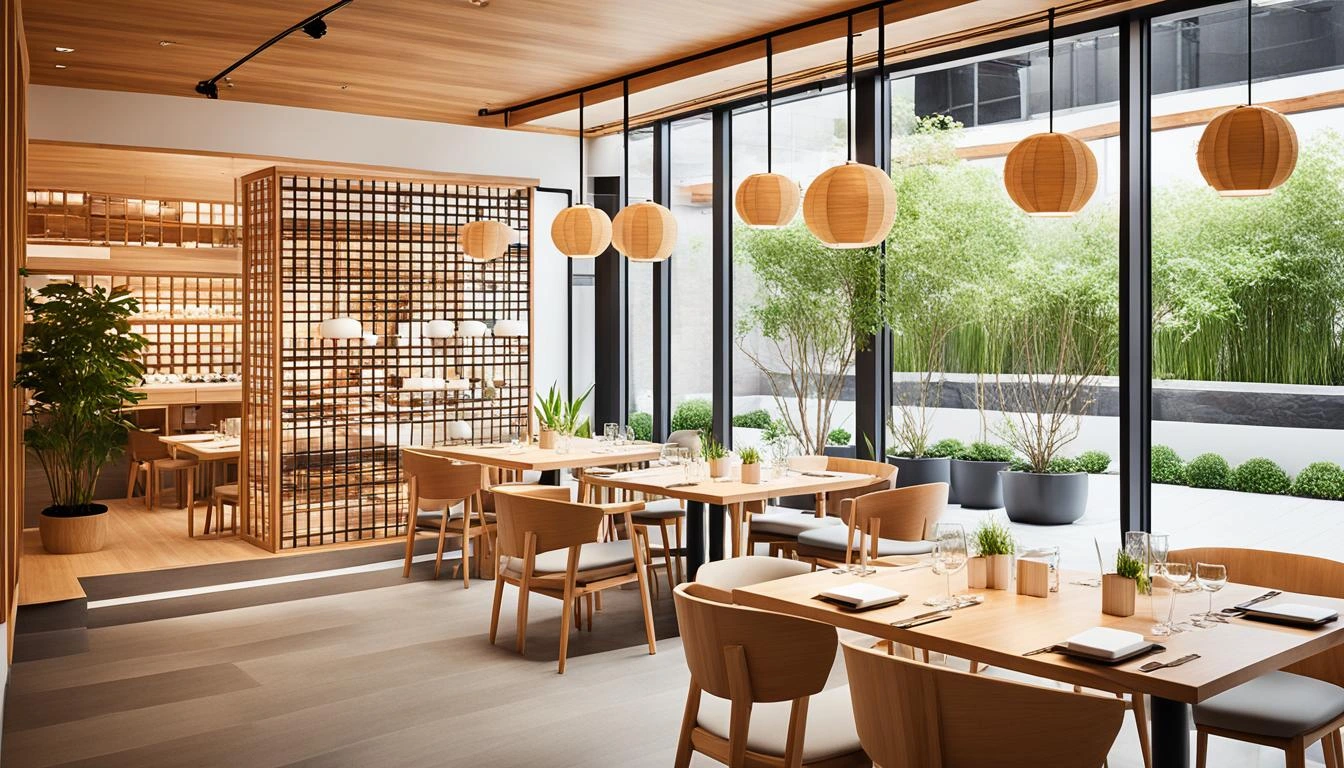
The Future of Japandi Style in Handcrafted Interiors
Japandi Style continues to evolve as designers reinterpret traditional craftsmanship through a contemporary lens. While the aesthetic remains rooted in simplicity, it increasingly incorporates richer textures, darker woods, and sculptural forms that add depth to luxury interiors.
Technology may continue to shape production methods, but handcrafted quality remains essential to the movement’s identity. Clients seeking authenticity increasingly gravitate toward interiors that reveal the maker’s hand and prioritize enduring materials over temporary trends.
For interior designers, architects, and luxury furniture brands, Japandi Style represents more than a visual direction. It reflects a broader cultural shift toward mindful living, refined craftsmanship, and timeless design values. As the luxury market continues to favor authenticity and permanence, Japandi Style will likely remain one of the most influential aesthetics in high-end handcrafted interiors for years to come.