In an era defined by acceleration and incessant digital stimuli, a countercurrent is quietly shaping the discourse in luxury home design. Welcome to the world of slow architecture: a movement anchoring itself in mindful design, artisanal traditions, and an unwavering commitment to sustainable luxury living. At its core, slow architecture proposes that our built environments should serve as sanctuaries—crafted with intention, respect for time, and a reverence for place. This editorial explores the philosophical and practical foundations of slow architecture, delving into how discerning homeowners, visionary architects, and design purists are reimagining luxury for a world that yearns for meaning, beauty, and longevity.
What Is Slow Architecture?
Slow architecture is an ethos that prioritizes quality, authenticity, and environmental harmony over ephemeral trends and mass production. Inspired by the broader “slow movement” born in reaction to modern life’s frenetic pace, slow architecture centers on creating homes that outlast fashion and foster a deeper connection between residents and their habitats. Unlike conventional approaches, the slow architecture movement resists haste, emphasizing careful site selection, ethically sourced materials, craftsmanship, and the passage of time as a design partner rather than an adversary.
The Origins and Philosophy of the Slow Architecture Movement
Emerging in the early 21st century as a response to cookie-cutter developments and ecological crises, the slow architecture movement intersects with trends in mindful design and biophilic principles. Its philosophical pillars include:
- Intention: Architecture conceived not just for utility, but for emotional resonance and cultural significance.
- Context: Designs that honor local climate, landscape, heritage, and community.
- Sustainability: Ethical sourcing, energy efficiency, and environmental responsibility as crucial criteria for sustainable luxury living.
- Craftsmanship: An elevation of traditional and regional crafts, with master artisans collaborating directly on each project.
How Slow Architecture Redefines Luxury Homes
Historically, luxury has often been synonymous with abundance and innovation. Yet, for today’s globally minded homeowners, luxury is increasingly defined by depth, well-being, and ethical intent. The slow architecture movement reframes opulence through the lens of:
- Tangible Serenity: Homes that evoke calm through harmonious integration with their site, natural materials, and a rhythm that accentuates the beauty of every hour and season.
- Timelessness Over Trend: Spaces conceived to grow richer with age, acquiring patina and meaning without succumbing to obsolescence.
- Mindful Design for Wellbeing: Volumetric generosity, natural daylight, and spatial arrangements that promote reflection, gathering, and restorative solitude.
Principles of Mindful Design in Luxury Residences
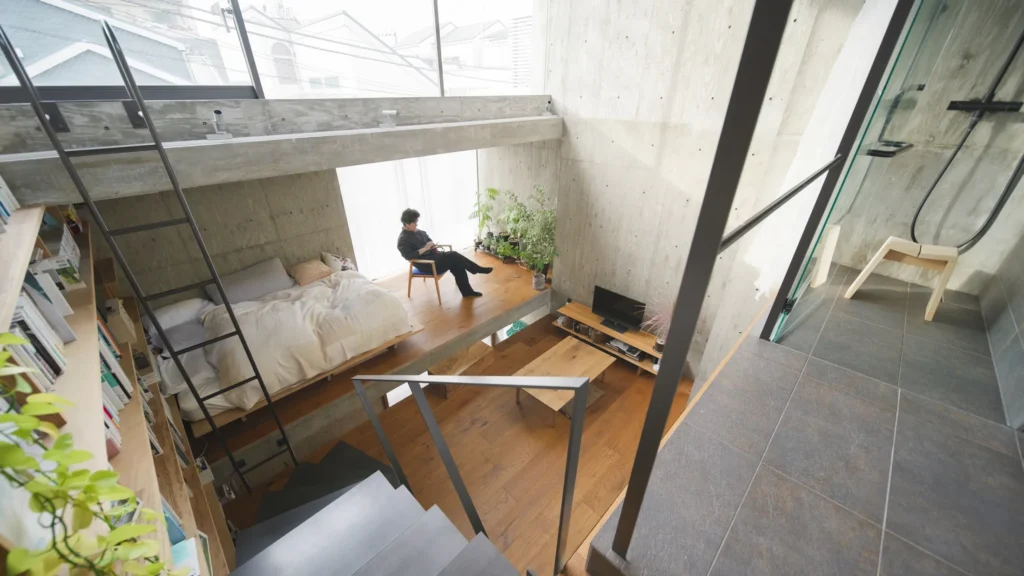
The interrelationship between architecture and mindful design is central to slow architecture. Every decision, from the foundational footprint to the placement of windows, is weighed against the question: “How will this enhance the lived experience?”
Elements of Mindful Design
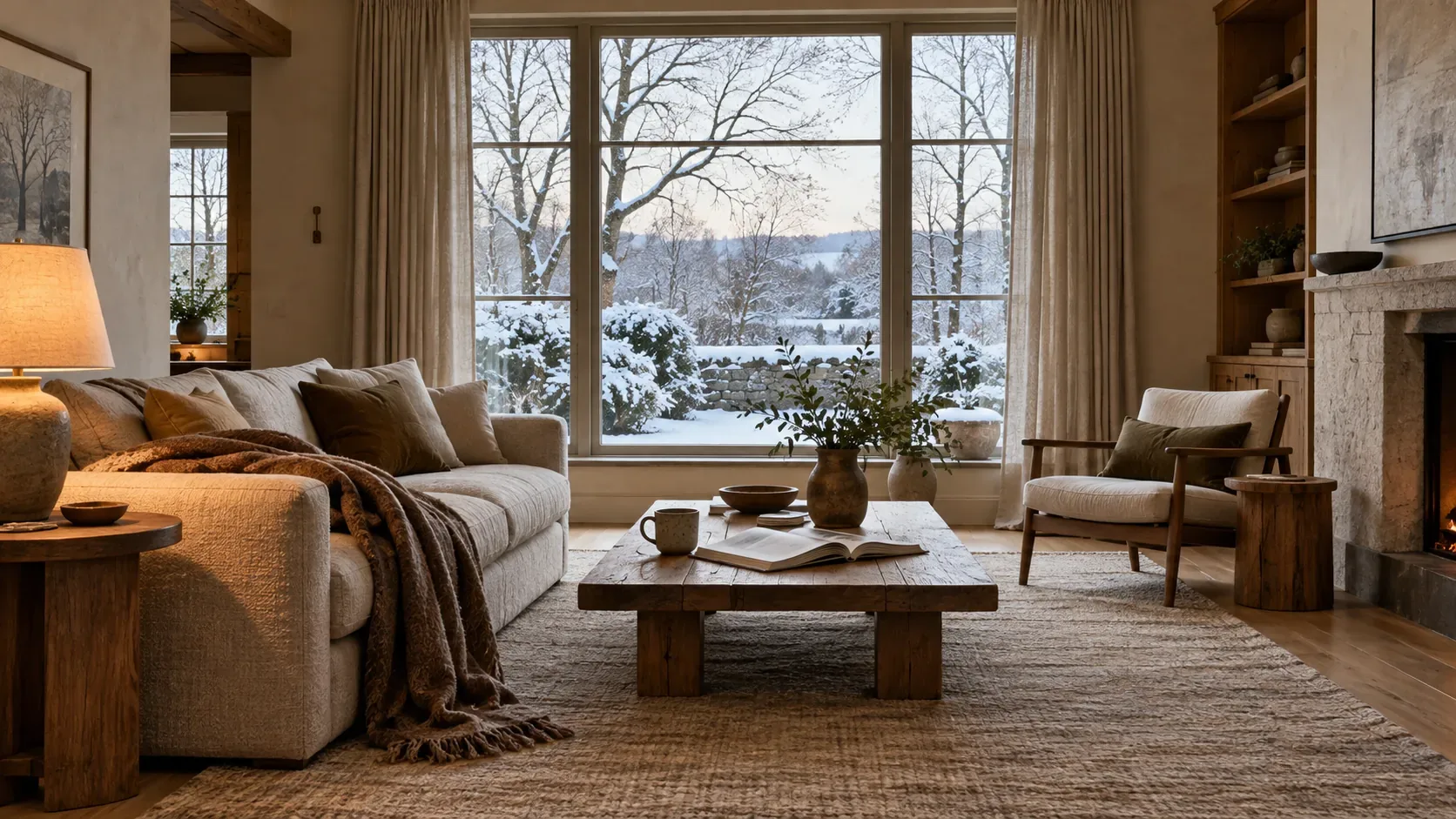
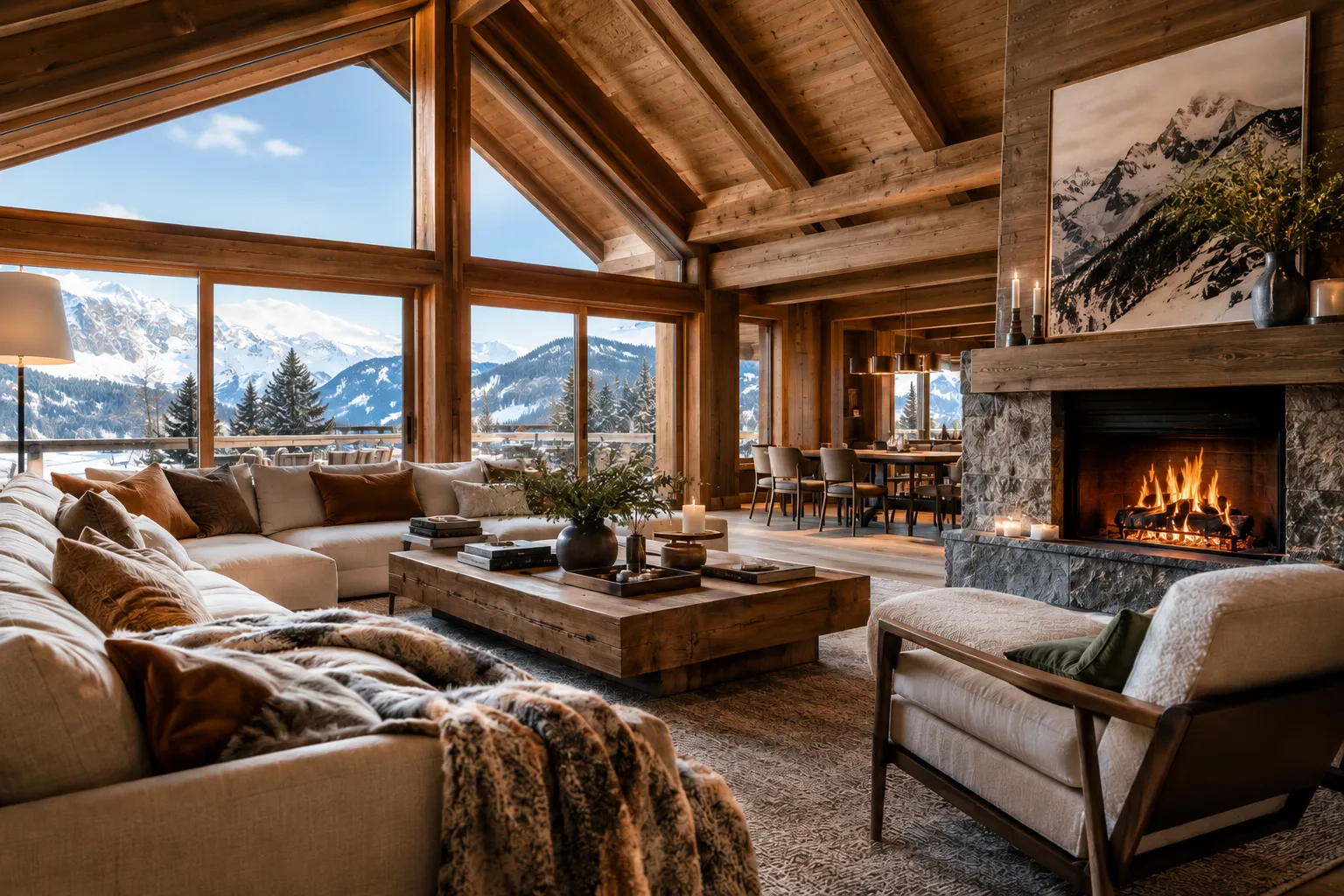
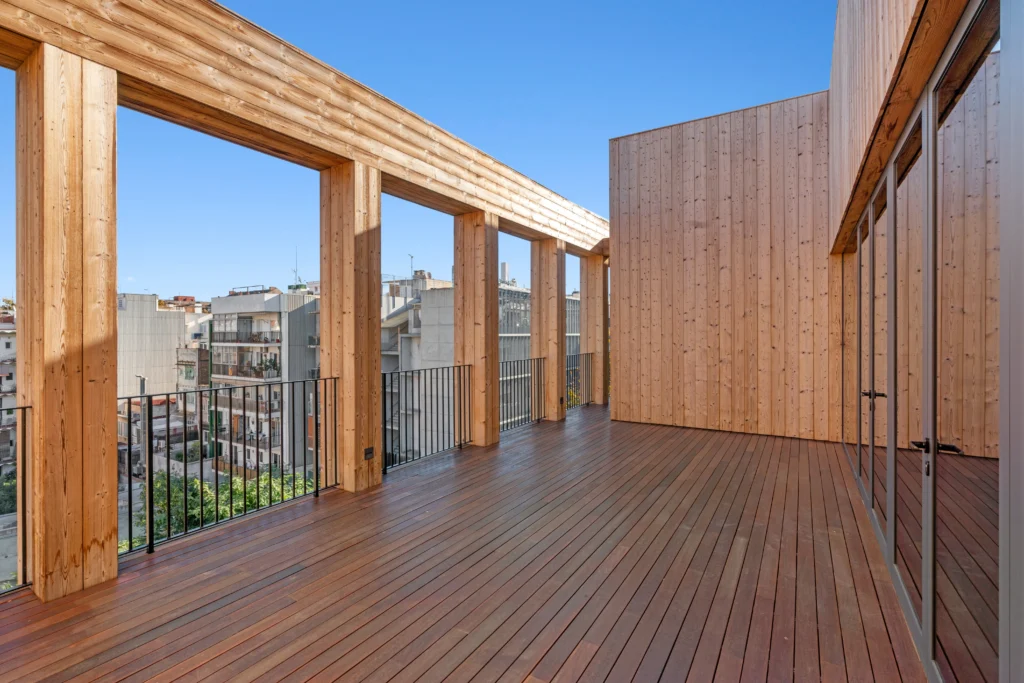
- Natural Materials: Using stone, reclaimed wood, and clay not only reduces environmental impact but also enriches interiors with organic textures and warmth.
- Spatial Flow: Creating layouts that respect the circadian rhythms of residents, offering light-filled morning rooms and serene evening zones.
- Connectedness to Nature: Incorporating outdoor living, courtyards, and views that dissolve the boundary between interior and exterior.
- Sensory Harmony: Curating acoustics, scents, and tactile experiences to nurture a holistic sense of tranquility.
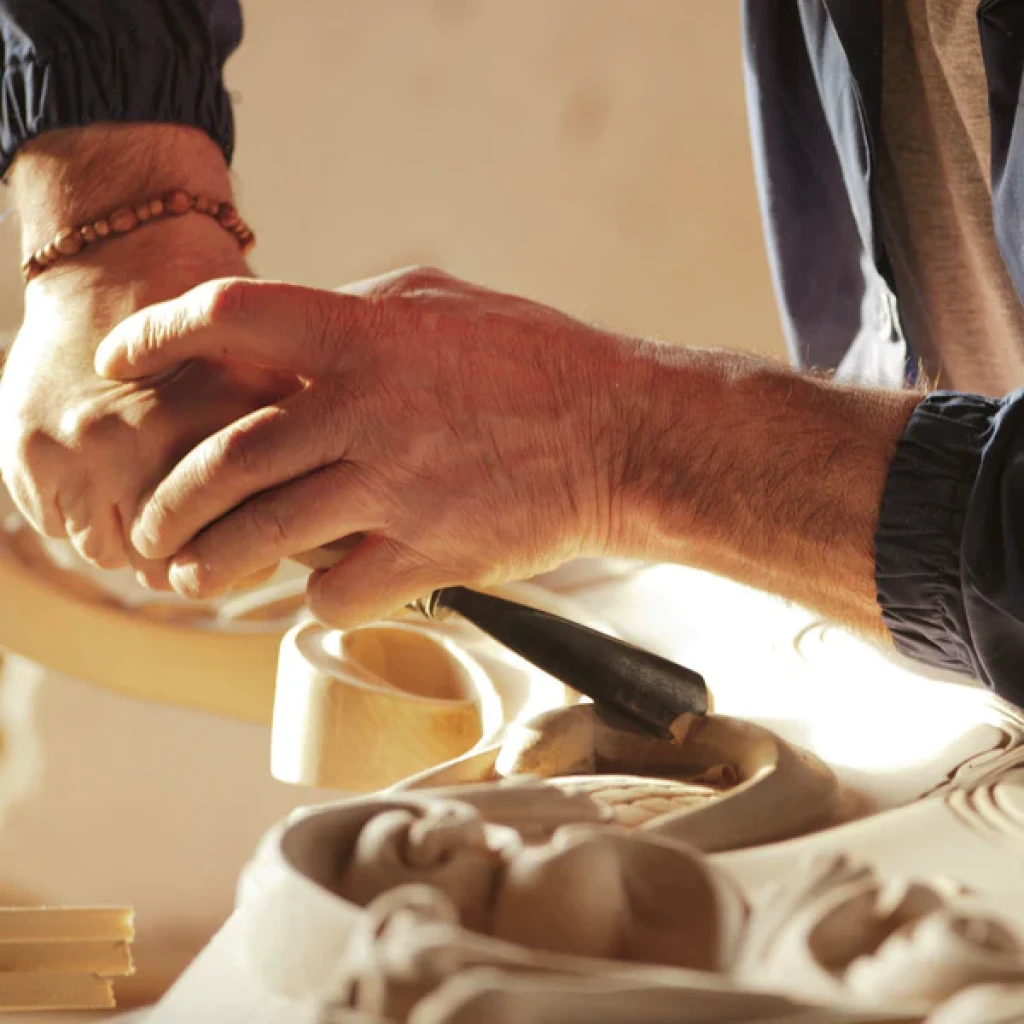
- Purposeful Craft: Handmade finishes and bespoke details that evoke story and place, resisting the anonymity of mass-production.
Sustainable Luxury Living: Ethics Meets Aesthetics
In the context of luxury real estate, sustainable luxury living has risen from niche aspiration to industry imperative. Global homeowners—even at the ultra-high-net-worth tier—are demanding residences that not only exhibit distinction, but also minimize ecological footprints and maximize ethical impact.
Architectural Strategies for Sustainable Luxury
- Passive House and Net Zero Design: Adopting building standards that leverage insulation, airtightness, and passive solar strategies, drastically reducing energy demands.
- Local Sourcing: Minimizing carbon impact and supporting artisanal economies by integrating locally quarried stone or regionally grown hardwoods.
- Water and Landscape Stewardship: Implementing rainwater harvesting, regenerative gardens, and preservation of native biomes.
- Adaptive Reuse: Revitalizing historic structures or existing buildings, thus honoring heritage and conserving resources.
The Art of Slowness in Every Detail
What distinguishes slow architecture in the luxury realm is the reverence for detail—the time taken to select a hand-troweled plaster finish, to commission a custom bronze door pull, or to collaborate with local makers on one-of-a-kind features. These elements are not indulgences, but investments in legacy, beauty, and ecological stewardship that elevate sustainable luxury living far beyond standard green building practices.
Case Studies: Exemplars of Slow Architecture in Global Luxury Homes
Villa Vignamaggio, Tuscany, Italy
This Renaissance estate, refurbished for the 21st century, epitomizes slow architecture. Local pietra serena stone, lime-based plaster, and ancient olive groves are woven into a holistic design narrative that honors the land’s centuries-old rhythms.
Mullumbimby Private Retreat, Byron Shire, Australia
Nestled amongst subtropical forests, this residence extols mindful design through deep eaves, cross-ventilation, rammed earth walls, and panoramic glazing that frames the shifting landscape, allowing nature’s tempo to orchestrate daily life.
Boulder House, Colorado, USA
Animated by the rugged Rocky Mountains, this home manifests sustainable luxury living. Locally sourced timber and stone, a geothermal energy grid, and biophilic interiors transform the structure into a bridge—linking human aspiration with geological history and environmental wisdom.
The Enduring Allure of Slow Architecture
Why does the slow architecture movement resonate so profoundly with sophisticated homeowners and design connoisseurs around the globe? The answer lies in the intersection of luxury and meaning. As global crises urge a revaluation of values, the demand for homes of conscience—where design serves emotion, environment, and legacy—is ascendant.
Benefits of Embracing Slow Architecture
- Enhanced Wellbeing: The qualities of stillness, harmony, and nature-centricity positively influence physical and mental health.
- Investment in Legacy: Timeless design and artisanal construction appreciate, offering lasting heritage for families and communities.
- Cultural Stewardship: Every slow architecture project preserves and celebrates local crafts, architecture, and identity.
- Environmental Leadership: Sustainable homes diminish resource use and inspire future-forward practices industry-wide.
Looking Ahead: Future Trajectories in Slow and Mindful Design
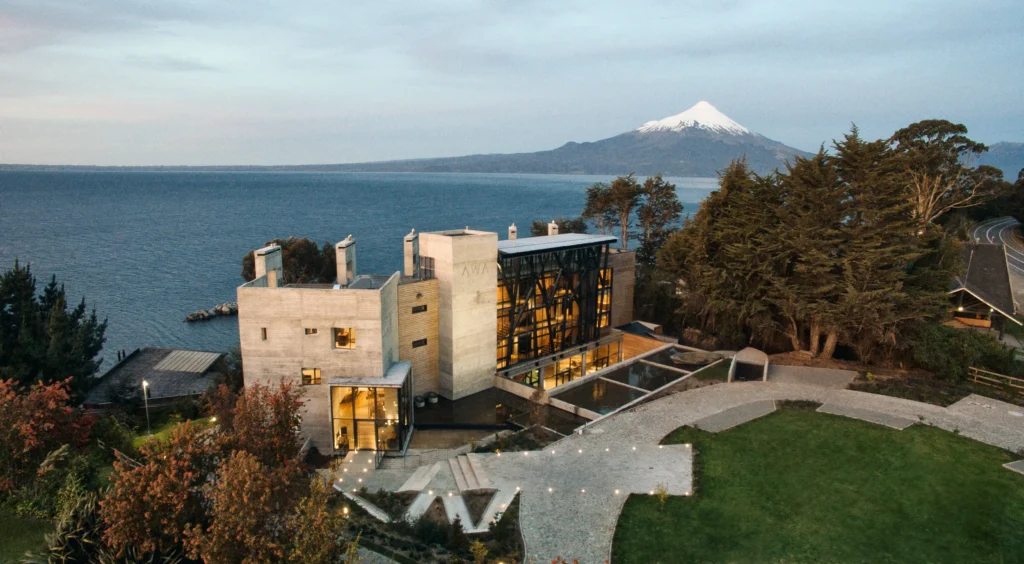
The future of slow architecture is luminous with potential. As technology and tradition harmonize, we can anticipate further innovations in regenerative building, emerging bio-based materials, and digital craftspeople working with local artisans. Yet, the central lesson of the slow architecture movement endures: in a restless world, our homes become sanctuaries of stillness, self-expression, and stewardship.
For international professionals and visionaries in the luxury sector, slow architecture is not a trend, but a necessary recalibration—a call to create spaces where every moment is designed, treasured, and lived with intention. It is, in the truest sense, the art of designing time.
The Takeaway
The slow architecture movement signals a profound shift in the definition of luxury for a discerning, globally connected audience. By championing mindful design and sustainable luxury living, it offers a compelling antidote to transient consumerism, inviting us to consider what endures, what nurtures, and what truly elevates the human spirit. In designing time, we shape not only dwellings, but the future contours of culture, environment, and our most personal experience of home.