Tropical Elegance: Exploring Bali’s Bamboo Architecture

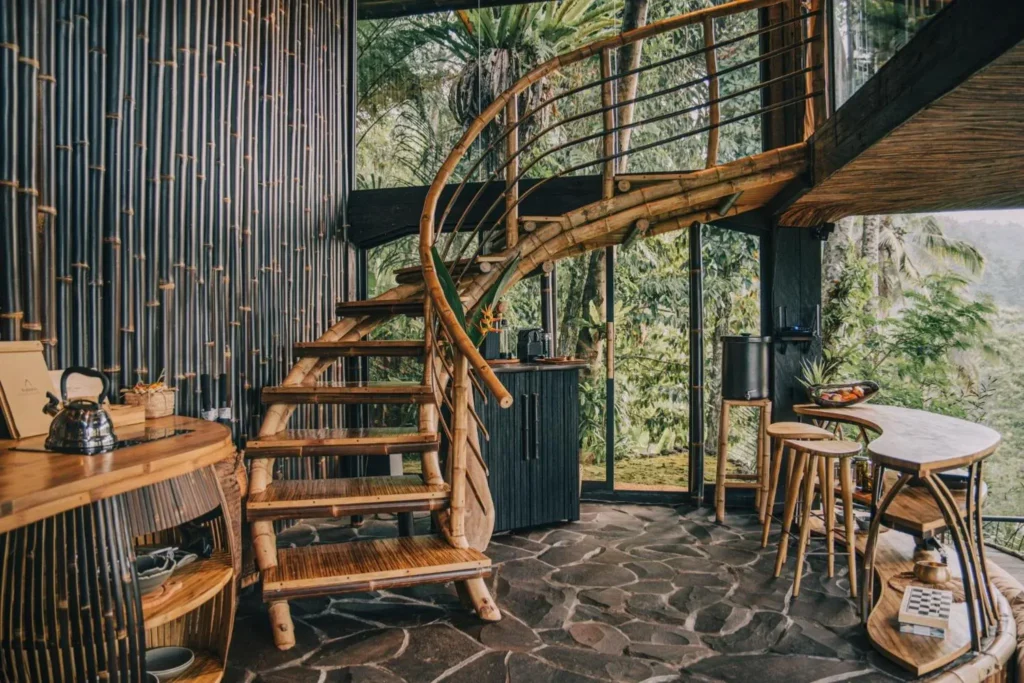
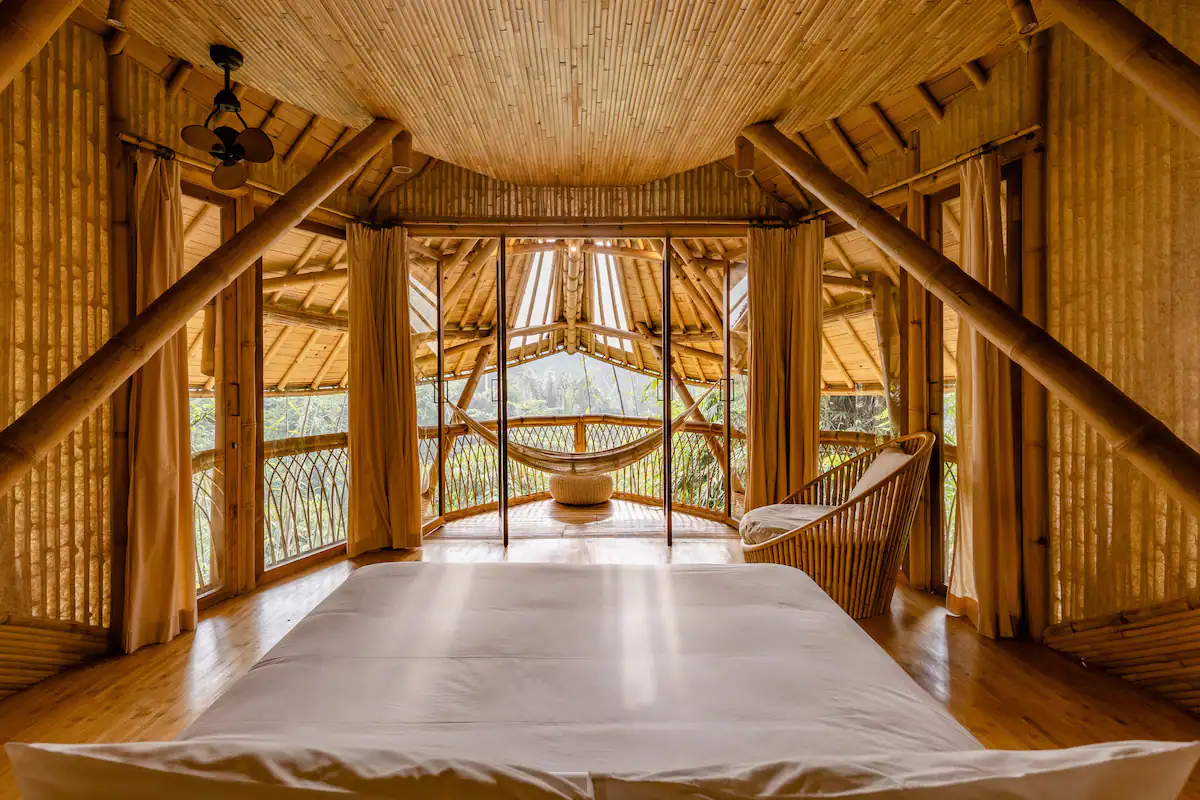
Luxury bamboo villa bedroom in Bali with natural textures, open design, and panoramic views of tropical greenery.

In the lush hills and river valleys of Bali, a quiet revolution is unfurling—one crafted from the rhythmic growth of bamboo and a visionary approach to design. Bamboo architecture, once a vernacular solution for tropical living, has blossomed into a vanguard expression of contemporary innovation, ecological responsibility, and regional identity. Today, Bali’s bamboo revolution not only redefines the parameters of sustainable building materials, but also elevates tropical design into a striking paradigm of luxury, resilience, and environmental harmony. 

The Vernacular Roots of Bamboo Architecture in Bali

Bamboo’s narrative in Balinese culture is deeply interwoven with both necessity and artistry. For centuries, bamboo has been revered for its abundance, rapid renewability, and inherent strength—qualities that made it the material of choice for traditional homes, temples, bridges, and ceremonial structures.

  • Cultural Symbolism: Bamboo serves as a motif of flexibility and renewal in Balinese philosophy.
  • Vernacular Techniques: Indigenous construction methods prioritize joinery, lashing, and modular construction, resulting in lightweight, earthquake-resistant dwellings ideal for the island’s climate.
  • Resourceful Sustainability: Beyond aesthetics, bamboo’s rapid regrowth (up to a meter a day) enables local communities to harvest without harming the landscape.

Yet, for generations, bamboo remained synonymous with rusticity, functional shelters, and ephemeral architecture. The seeds of its transformation were sown in the visions of a few bold pioneers determined to expand bamboo’s potential from the vernacular to the vanguard.

Bamboo as a Modern Sustainable Building Material

The rise of global consciousness surrounding climate change, resource depletion, and healthy living environments has repositioned bamboo as one of the world’s most promising sustainable building materials. In Bali, contemporary architects have recalibrated traditional methods through cutting-edge engineering, eco-conscious design, and collaborative craftsmanship.

Properties that Make Bamboo Ideal for Architecture

  • Renewability: Bamboo is the fastest-growing grass on earth, replenishing itself without intensive farming inputs.
  • High Strength-to-Weight Ratio: Certain bamboo species rival steel in tensile strength and outperform many conventional timbers structurally.
  • Carbon Sequestration: Bamboo actively absorbs CO2, aiding in carbon reduction efforts for climate-resilient construction.
  • Thermal Performance: Naturally cool interiors and effective breathability enhance comfort in tropical design.

Unlike concrete and steel, whose production inflicts heavy environmental tolls, bamboo offers a truly holistic response to sustainability. With proper preservation and modern treatments, its longevity rivals many hardwoods, transforming bamboo from a temporary to timeless architectural medium.
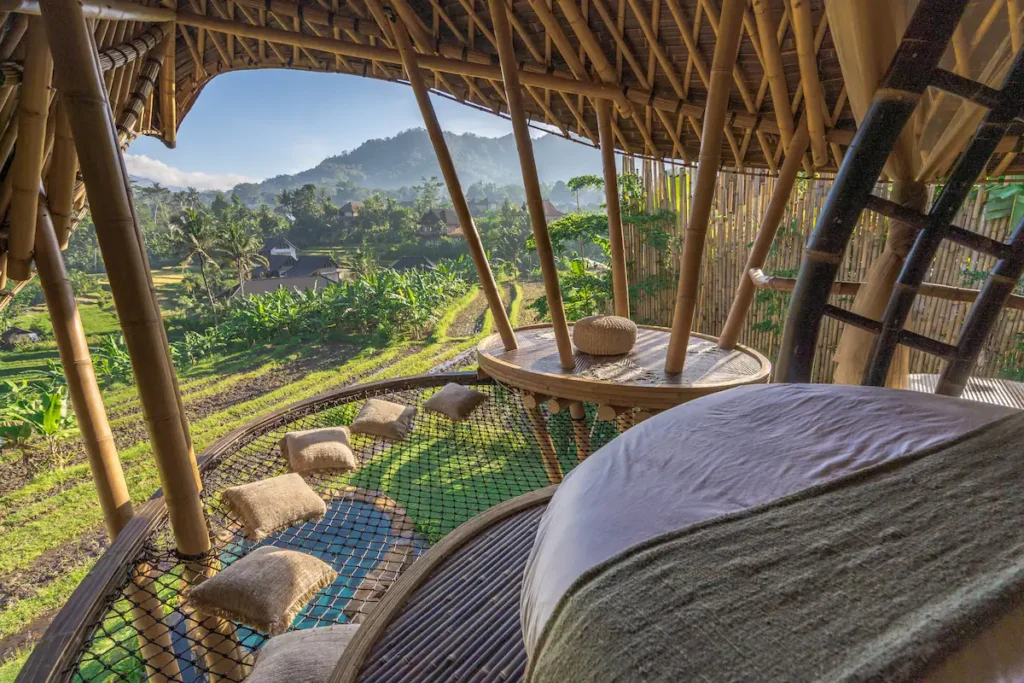
From Vernacular to Vanguard: Leading Figures and Projects

Bali is the crucible where bamboo architecture has not only reemerged but been radically reimagined. Visionary figures have elevated bamboo from humble origins to international acclaim, demonstrating its credibility for luxury residences, educational campuses, immersive resorts, and public pavilions.

IBUKU and the Green School

The IBUKU design collective, led by Elora Hardy, has become synonymous with contemporary bamboo architecture. Their pioneering work includes:

  • Green School Bali: An internationally lauded educational campus comprised almost entirely of bamboo, demonstrating innovation in structural engineering, daylighting, and open-air learning environments.
  • Green Village & Sharma Springs: Lavish private homes and hospitality spaces defined by sweeping organic forms, curvilinear geometries, and panoramic integration with the surrounding landscapes.
  • Bambu Indah: A boutique eco-resort where heritage meets avant-garde, featuring bespoke interiors, floating pavilions, and adaptive reuse of traditional bamboo techniques.

Other Influential Firms and Innovations

  • POTATO HEAD and John Hardy: Innovators using bamboo for large-scale installations, retail spaces, and hospitality venues that showcase the material’s flexibility and poetic beauty.
  • Atelier One: Structural engineers collaborating globally to advance the use of engineered bamboo for ambitious spans and sculptural forms.

These projects have established Bali as an open-air laboratory for bamboo construction, attracting architects, designers, investors, and curious travelers from across the globe.

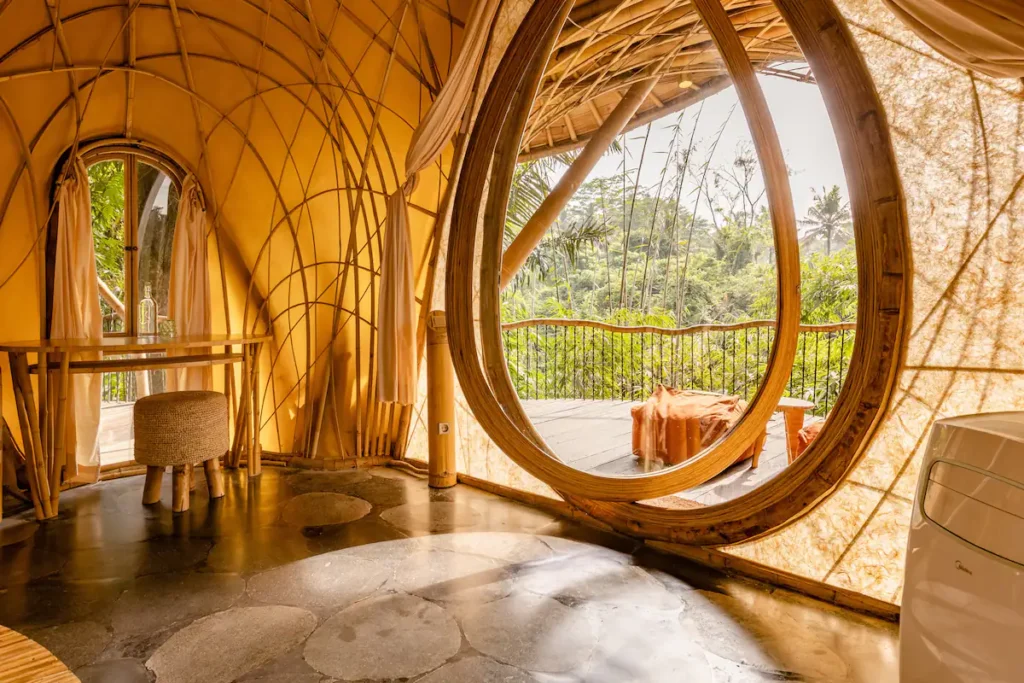
Specialists in Bespoke Outdoor

A Statement of Outdoor Luxury.
Mediterrazza Logo

The Aesthetics of Tropical Design

Tropical design in Bali is characterized by a harmonious dialogue between architecture and nature. Here, bamboo is not merely a structural solution, but a means of orchestrating light, shade, airflow, and sensory experience.

Signature Elements of Bamboo Tropical Design

  • Fluid, organic roofs that undulate like palm fronds in the wind
  • Open-sided pavilions blurring the line between interior and exterior
  • Artisanal detailing—woven panels, sculpted columns, and intricate joinery
  • Integration with terraces, water features, and lush gardens

The result is a living architecture attuned to climate, culture, and the rhythms of daily life—a compelling counterpoint to the hermetically sealed glass boxes of global modernism.

Advantages for High-End Real Estate and Lifestyle

For discerning investors, property developers, and high-net-worth individuals, Bali’s bamboo revolution signals much more than an aesthetic trend. The use of sustainable building materials and tropical design principles delivers unique, future-forward value propositions.

  • Eco-Luxury Appeal: Bamboo architecture enables the crafting of one-of-a-kind residences and retreats that offer both prestige and environmental accountability.
  • Wellbeing and Biophilia: The natural tactility, calming acoustics, and visual serenity of bamboo interiors enhance psychological and physiological health—a rising priority in luxury living.
  • Resilience and Adaptability: Bamboo homes are more resilient to seismic and climatic events common in tropical and island regions.
  • Market Differentiation: Properties featuring innovative bamboo architecture command attention among design-savvy buyers and eco-conscious travelers seeking meaningful experiences.

In a volatile global market where environmental, social, and governance (ESG) criteria increasingly inform real estate purchasing decisions, bamboo’s virtues align perfectly with the priorities of today’s sophisticated clientele.

Challenges and Future Trajectories

Despite its myriad virtues, the mainstreaming of bamboo architecture in Bali and beyond is not without challenges. Addressing these issues is crucial for its global adoption:

  • Standardization and Codes: Greater recognition of bamboo within international building codes and engineering standards is required for widespread urban application.
  • Preservation Techniques: Technological advancements in treatment are essential to extend bamboo’s usable lifespan and prevent pests.
  • Skill Development: Scaling up requires rigorous training for builders, artisans, and architects in both traditional and innovative construction methodologies.
  • Perception: Overcoming the outdated view of bamboo as “poor man’s timber” and educating markets on its luxury and performance potential.

Technological innovation, interdisciplinary partnerships, and investment in research are collectively advancing bamboo as a credible alternative to conventional building systems. The expertise and imagination flowing out of Bali promise to elevate bamboo to new heights worldwide.

Bali’s Enduring Legacy in Bamboo Architecture

Bali’s bamboo revolution represents far more than a regional idiosyncrasy; it is a blueprint for the future of global architecture—where sustainable building materials and tropical design are not compromises but catalysts for beauty, luxury, and resilience. From private estates on river bends to iconic public landmarks, the story that unfolds from the length of bamboo culms is one of invention, renewal, and hope.

As the world searches for elegant and sustainable solutions to the challenges of contemporary living, Bali’s masterful interplay of heritage, landscape, and design ingenuity illuminates the path forward. With every new project, bamboo’s transformation from the vernacular to the vanguard continues, inviting international professionals and visionaries to imagine—and create—the next chapter of handcrafted, regenerative living.

Join our Newsletter

Subscription Form

Share on:

Specialists in Bespoke Outdoor

A Statement of Outdoor Luxury.
Mediterrazza Logo

Read More

Visitors approaching the glass-fronted entrance of Feria Valencia beneath the Cevisama 2020 banner.

Cevisama 2026: A New Chapter in Materials, Interiors, and the Art of Living

Cozy winter living room with a cream sofa, wool throw, oak coffee table, warm lighting, and views of a snow covered garden.

Cozy Homes: Winter Design Ideas for Warm, Inviting Interiors

Luxury mountain resort with chalet-style architecture, heated outdoor pool, snowy peaks and warm interiors at sunset.

Luxury Mountain Resorts: 8 Exceptional Retreats Redefining the Modern Chalet

Promotional banner for Decorex 2026 at Olympia London, featuring a deep green background framed by ornate botanical illustrations of colorful flowers and gold accents. The design announces the event dates, 11–14 October 2026, organized by Informa.

Decorex 2026: London’s Annual Event for Luxury Interiors

Colorful Vienna Design Week 2026 posters celebrating the festival’s 20th edition across the streets of Vienna.

Vienna Design Week 2026: Celebrating 20 Years of Design, Ideas and Innovation

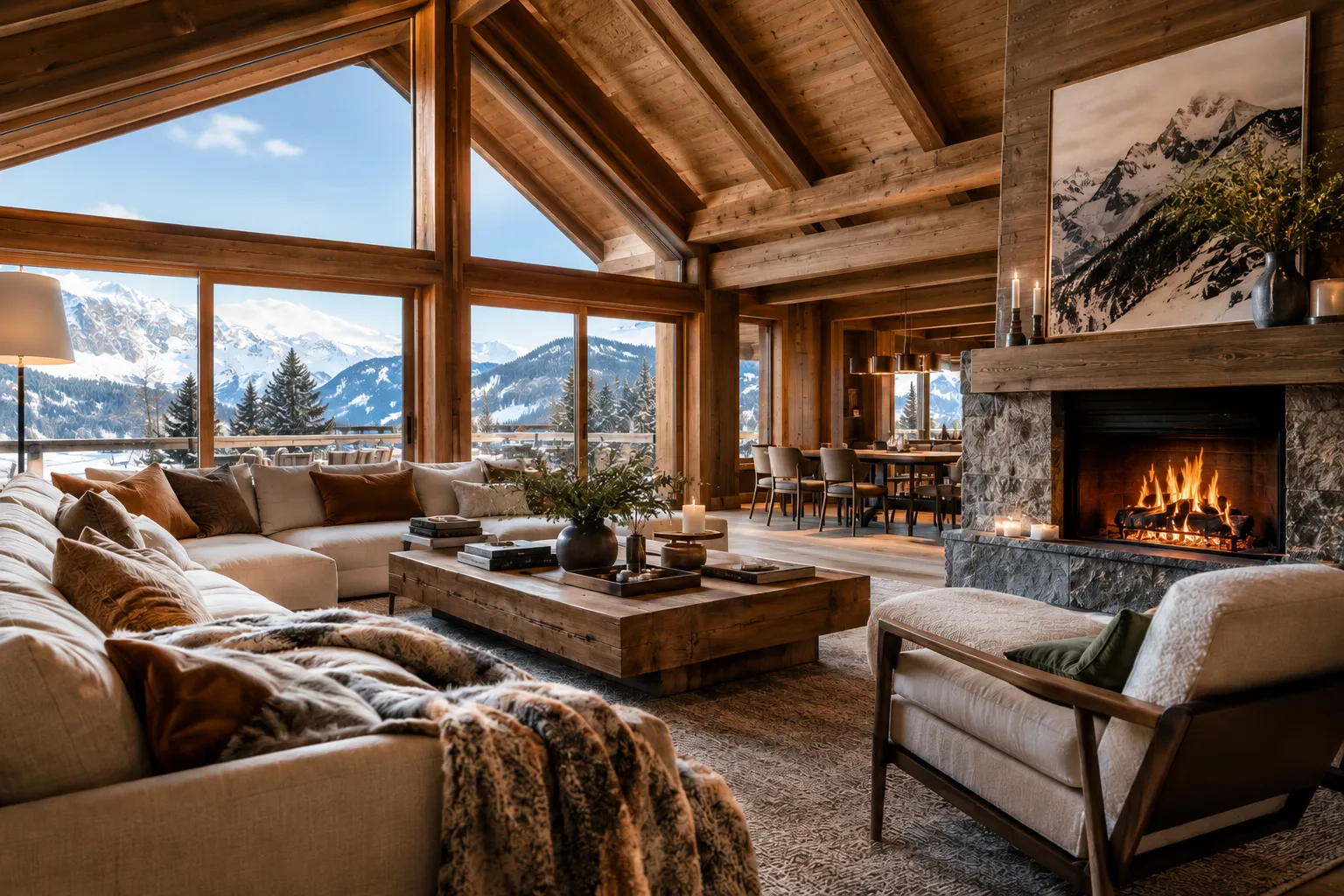
Luxury Alpine chalet interior with exposed timber beams, natural stone fireplace, warm neutral furnishings, and panoramic views of snow covered mountains.

The Art of the Chalet: Architecture, Luxury Interiors and the New Language of Mountain Living

Reader Favorites

Design Miami 2026 - what to look for

Design Miami 2026: The Leading Global Fair for Collectible Design Returns in December

Top 10 Interior Design Trends

Top 10 Interior Design Trends That Will Shape Homes After 2027

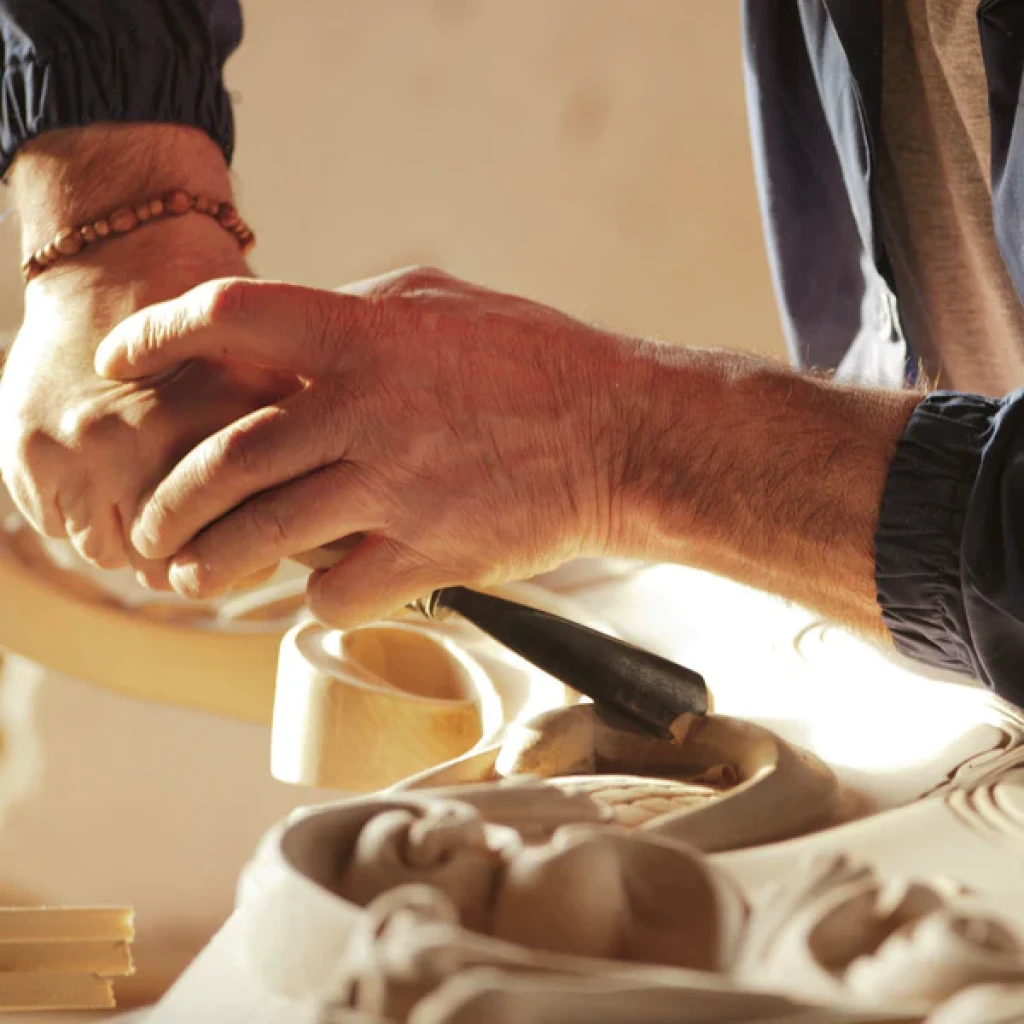
Close-up of artisan hands carving intricate patterns into wood, highlighting the precision and artistry of Italian craftsmanship.

How Artisanal Craftsmanship is Reclaiming its Place in Luxury Interiors

Latest News

Visitors approaching the glass-fronted entrance of Feria Valencia beneath the Cevisama 2020 banner.

Cevisama 2026: A New Chapter in Materials, Interiors, and the Art of Living

Cozy winter living room with a cream sofa, wool throw, oak coffee table, warm lighting, and views of a snow covered garden.

Cozy Homes: Winter Design Ideas for Warm, Inviting Interiors

Luxury mountain resort with chalet-style architecture, heated outdoor pool, snowy peaks and warm interiors at sunset.

Luxury Mountain Resorts: 8 Exceptional Retreats Redefining the Modern Chalet

Join our Newsletter

Join our circle of refined living.
Subscribe for curated stories, news and inspiration.

Subscription Form