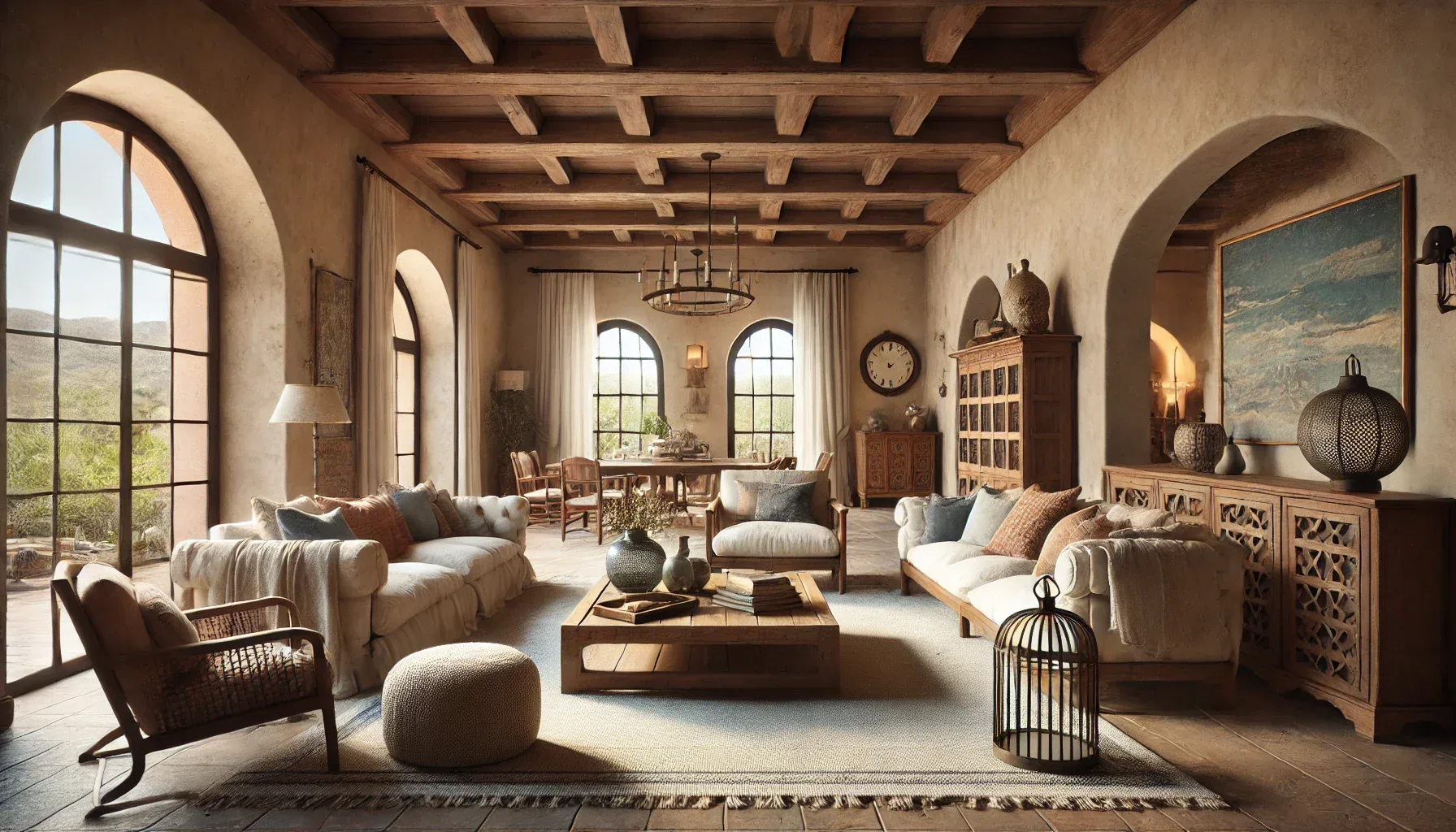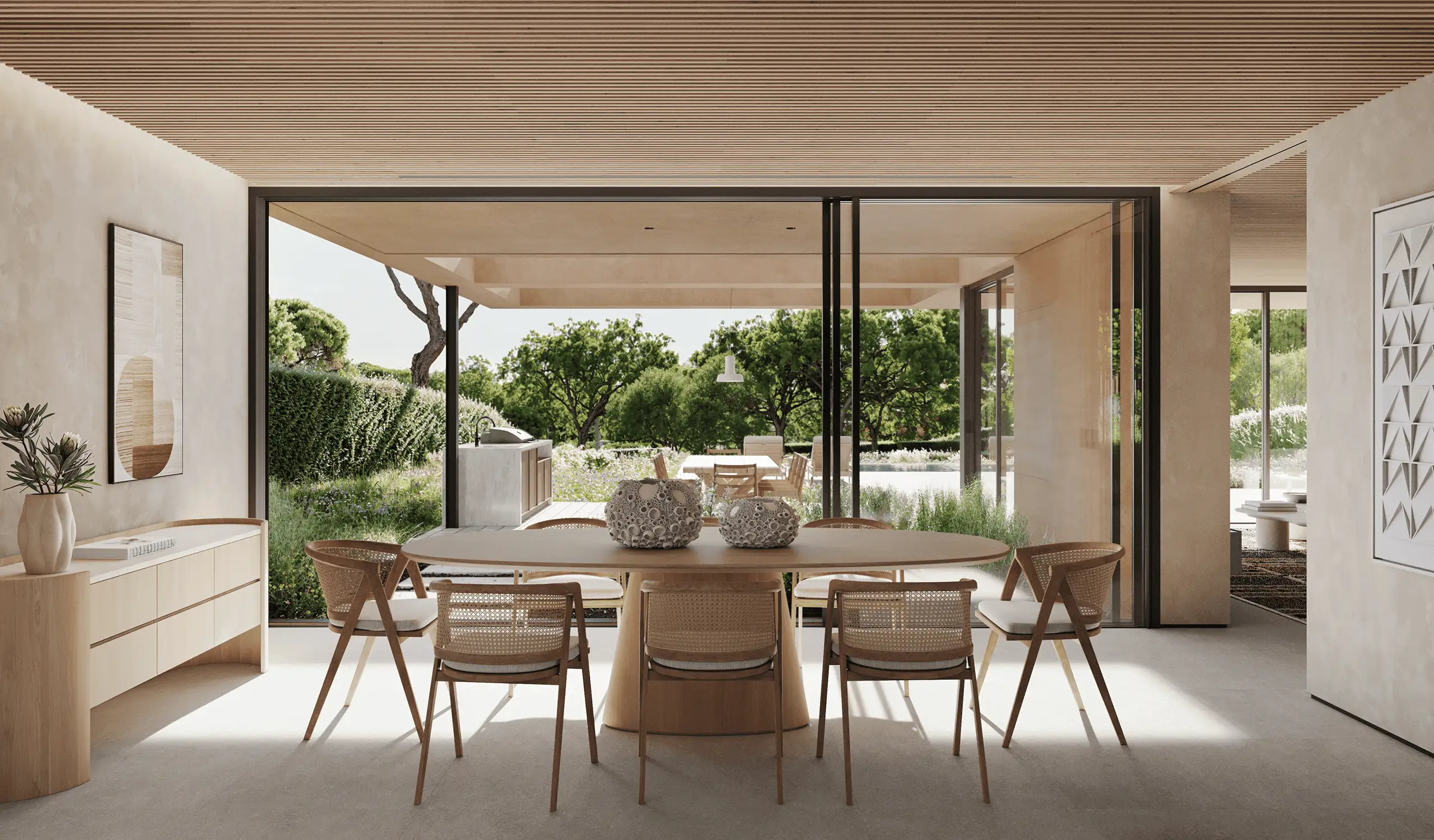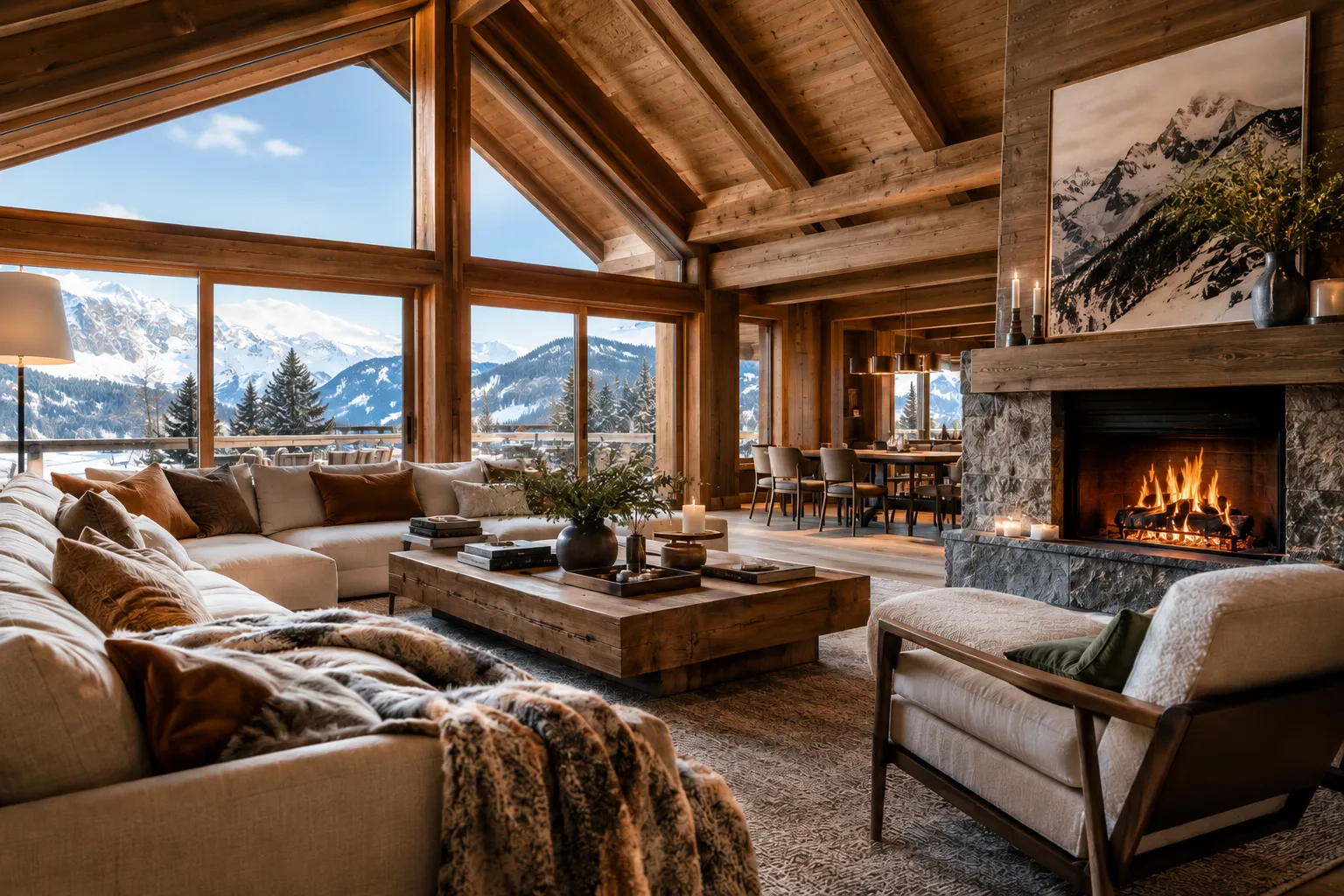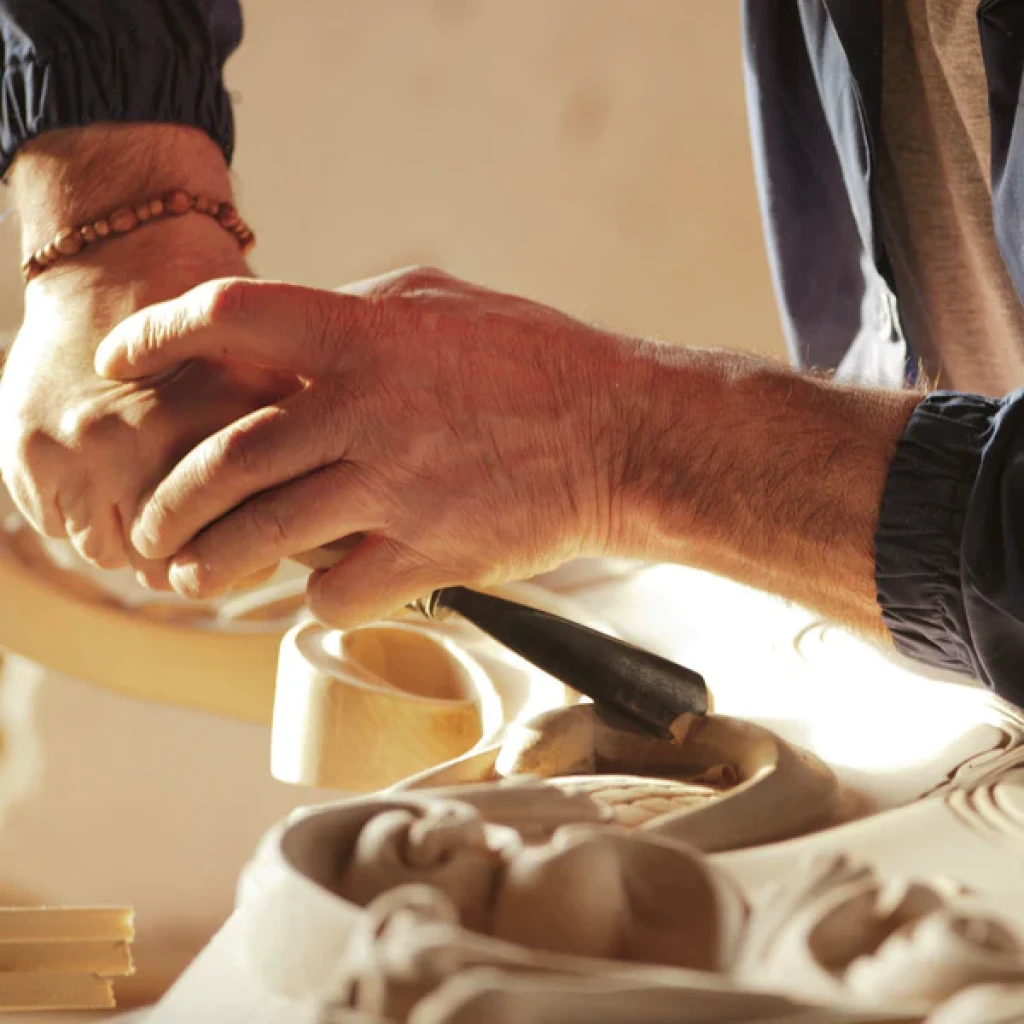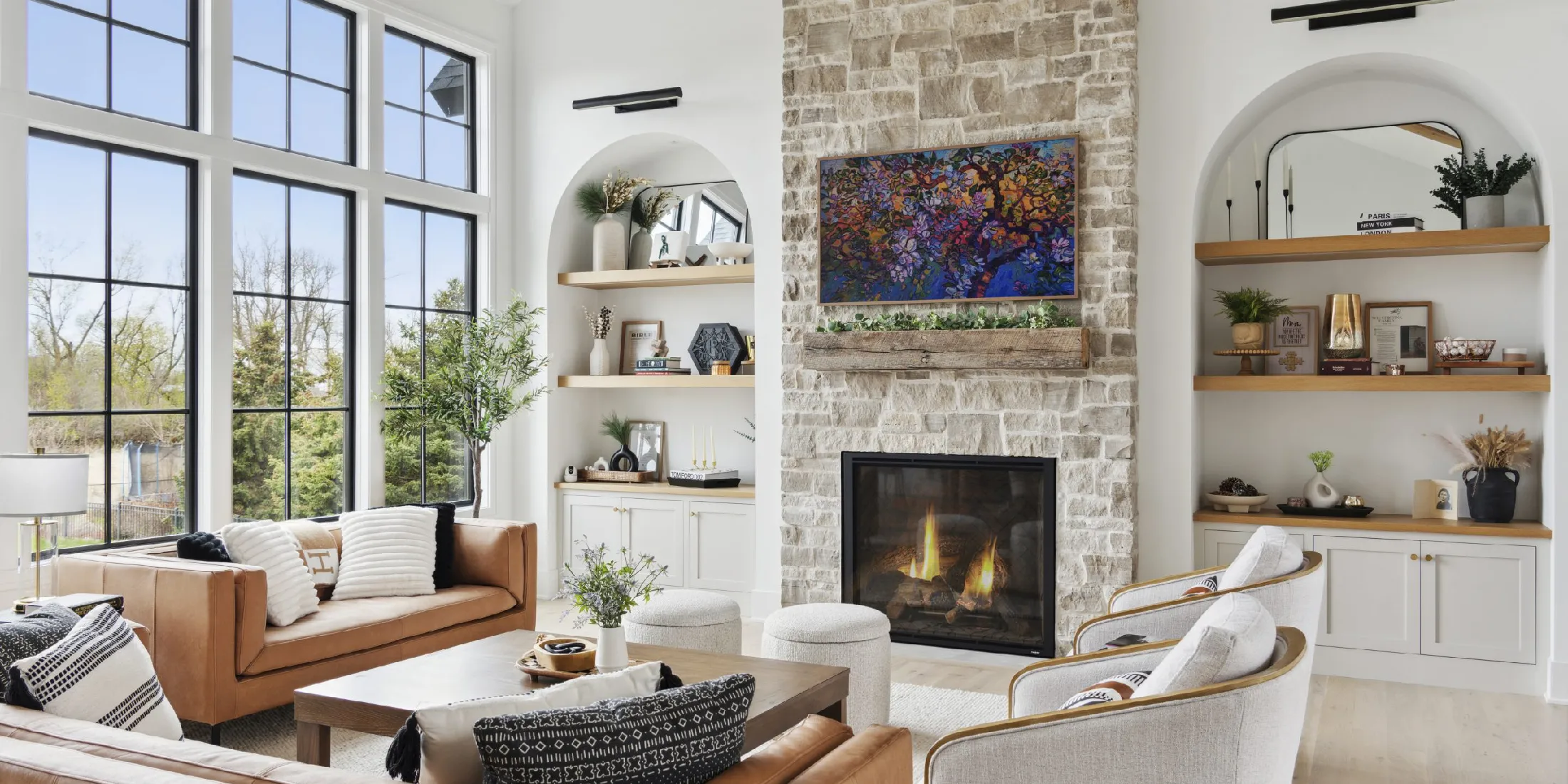
Handmade Design Traditions have transformed from forgotten historical practices into highly valuable commercial assets within the contemporary luxury real estate and premium interior design sectors. In previous market cycles, international property developers often relied on standardized, mass-manufactured finishings to complete high-end residential interiors quickly. Today, however, sophisticated global collectors and luxury homeowners actively reject this artificial uniformity, demanding spaces that showcase deep cultural depth and authentic human artistry. This fundamental behavioral shift integrates ancestral woodwork, regional stone carving, and hand-woven textiles directly into modern architectural structures. Because embedding these verified historical arts into an elite development requires extensive geographic research and highly specialized manual coordination, these spatial elements carry immense financial value. Therefore, creating a clear legal framework to safeguard these legacy structural methodologies from industrial copycats is essential for securing the financial future of luxury craftsmanship.
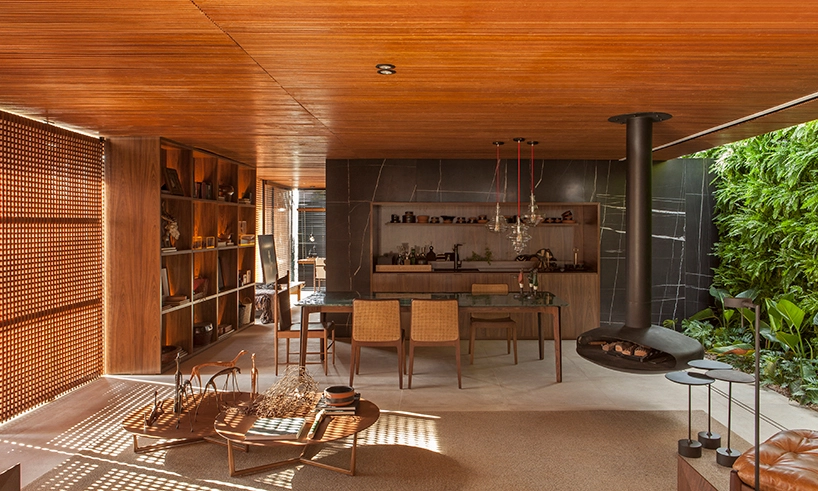
How Traditional Artistry Enhances Material Wealth
In the competitive landscape of premium global architecture, an estate’s cultural narrative acts as a primary vehicle for long-term brand prestige and real estate valuation. Wealthy international buyers no longer measure luxury by mere structural size or basic material cost. Instead, they look for authentic spaces that connect deeply with regional history and preserve the true spirit of local communities. For that reason, world-class design firms are partnering directly with heritage master creators to build custom structural features and exclusive furniture installations. This deliberate creative integration drastically raises the artistic authority, marketplace desirability, and eventual market price of a premium residential property. Consequently, a comprehensive evaluation of any luxury asset must include its verified connection to historic craftsmanship. Genuine artistic exclusivity represents a core intellectual asset that requires absolute legal protection.
Plagiarism Threats and the Vulnerability of Ancestral Blueprints
However, the rapid digitization of global architectural portfolios introduces severe commercial risks for traditional artisan networks and independent design studios. Unique regional layouts, custom-carved stone patterns, and specialized material blending techniques are instantly photographed, uploaded online, and cataloged by fast-design corporate manufacturing companies. As a result, mass-market construction entities frequently replicate these unique ancestral textures without obtaining proper legal authorization or offering fair compensation to the source community. This unauthorized commercial reproduction completely dilutes the marketplace exclusivity that elite buyers demand from premium properties. Moreover, it directly stalls the financial stability and economic survival of traditional creative hubs and rising artisan groups. Without immediate copyright protections, these highly specialized technical blueprints remain entirely exposed to corporate exploitation.
Implementing Intellectual Property Safeguards for Cultural Layouts
To defend their business models, forward-thinking interior architects are utilizing advanced copyright frameworks to protect complete room atmospheres. While standalone decorative elements can be difficult to monopolize, securing a comprehensive structural layout is highly achievable with a proactive legal plan. Handmade Design Traditions can be officially registered when a design firm documents the precise interaction of custom millwork, regional textiles, and experimental lighting placements. This comprehensive legal registration builds an undeniable barrier against copycat manufacturing corporations and real estate developers. Ultimately, it allows rising creators to maintain absolute ownership over their signature visual breakthroughs and layout innovations.