Victoria Beckham has built a global reputation for precision, refinement, and understated luxury—not only in fashion but also in interiors. Her approach to the minimalist interior reflects a disciplined design language that merges architectural clarity with tactile richness. For interior designers, architects, and luxury design studios, her spaces offer a compelling example of how restraint, materiality, and proportion define contemporary high-end living.
Her interiors do not follow minimalism as a trend. Instead, they reinterpret it through a highly curated lens, where every element carries intention and visual weight.
A Minimalist Interior Rooted in Precision
Victoria Beckham’s minimalist interior aesthetic revolves around control and clarity. Clean lines dominate her spaces, but they never feel cold or overly rigid. She balances structure with subtle softness, creating environments that feel both composed and inviting.
Unlike traditional minimalism, which often strips spaces to their bare essentials, Beckham introduces a sense of quiet luxury. She achieves this through carefully selected materials, refined finishes, and a strong architectural framework. The result is a minimalist interior that feels elevated rather than austere.
Her homes, particularly in London and Los Angeles, reflect this philosophy. They feature open layouts, seamless transitions between spaces, and a restrained palette that enhances spatial continuity.
The Role of Materiality in Minimalist Interiors
Material selection plays a central role in Beckham’s interiors. She relies on high-quality, tactile surfaces to add depth without introducing visual clutter.
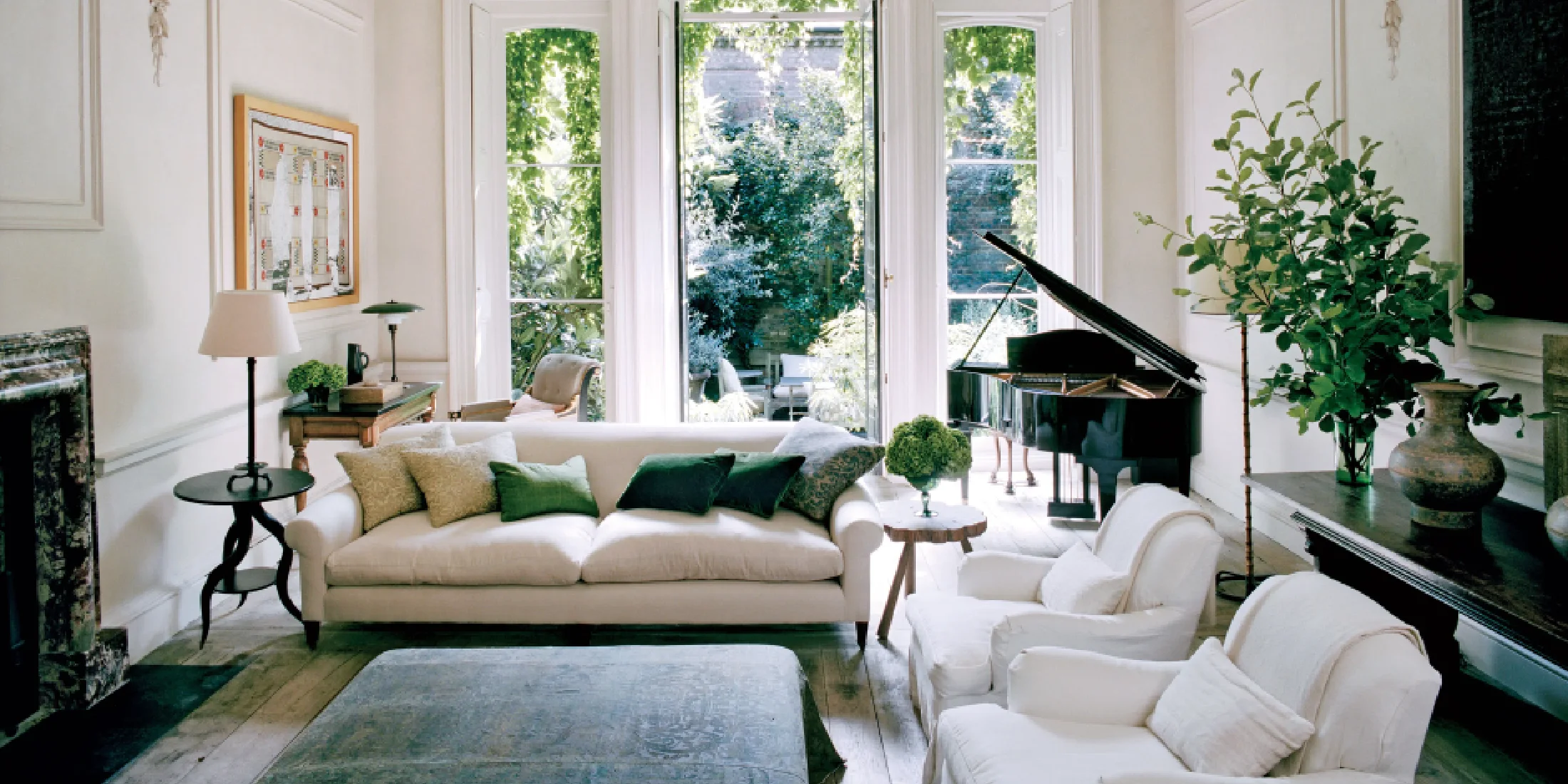
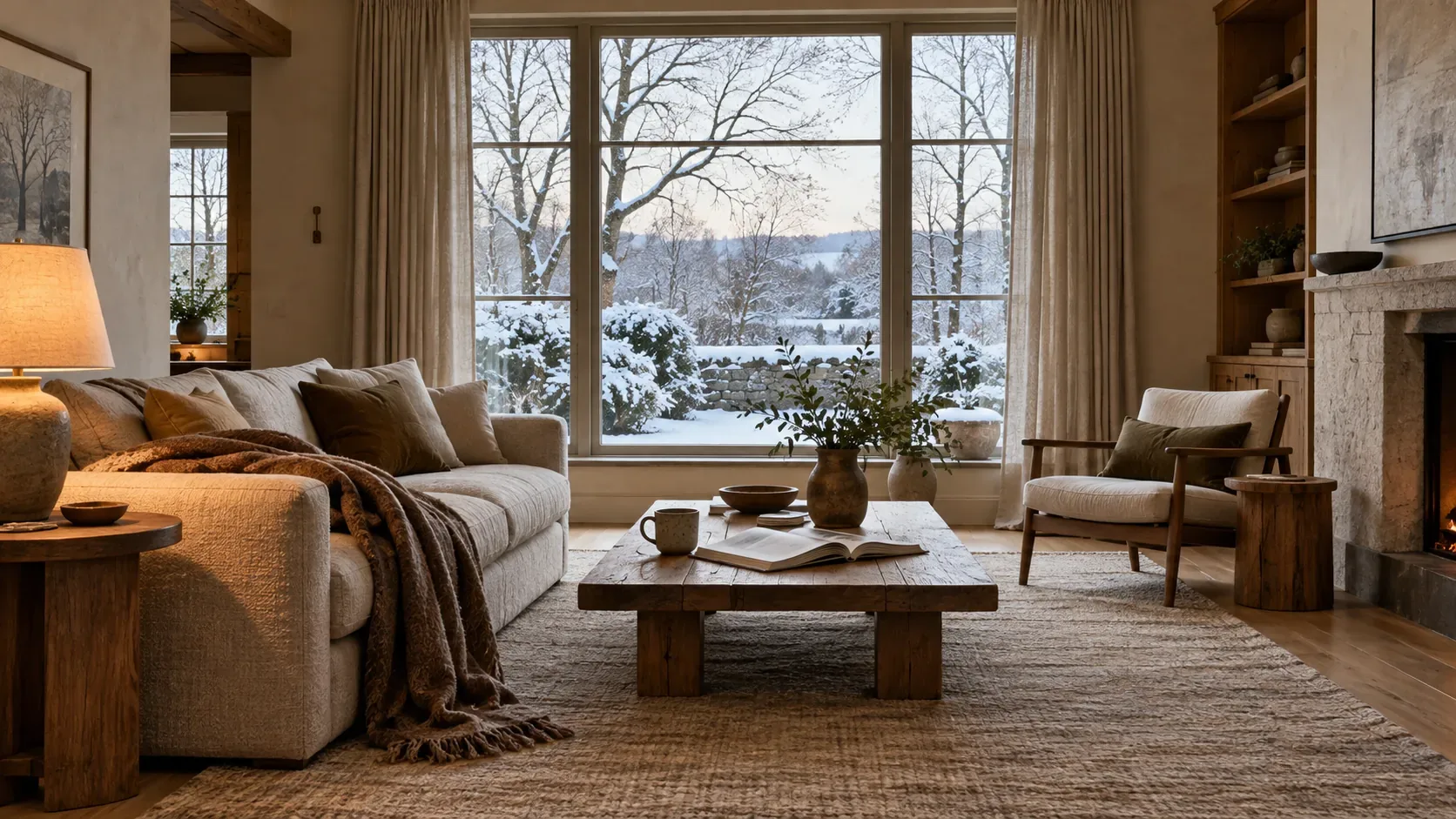
Stone, polished concrete, natural wood, and soft textiles define her spaces. These materials often appear in neutral tones—beige, taupe, gray, and off-white—allowing texture to take precedence over color. The interplay between matte and polished finishes creates subtle contrast, which keeps the minimalist interior visually engaging.
For architects and designers, this approach reinforces the importance of material layering. Instead of relying on decorative elements, Beckham uses materiality as the primary design driver.
Sculptural Furniture as Functional Art
Furniture within Victoria Beckham’s minimalist interior aesthetic functions as both utility and sculpture. Each piece stands on its own, often with bold yet refined forms.
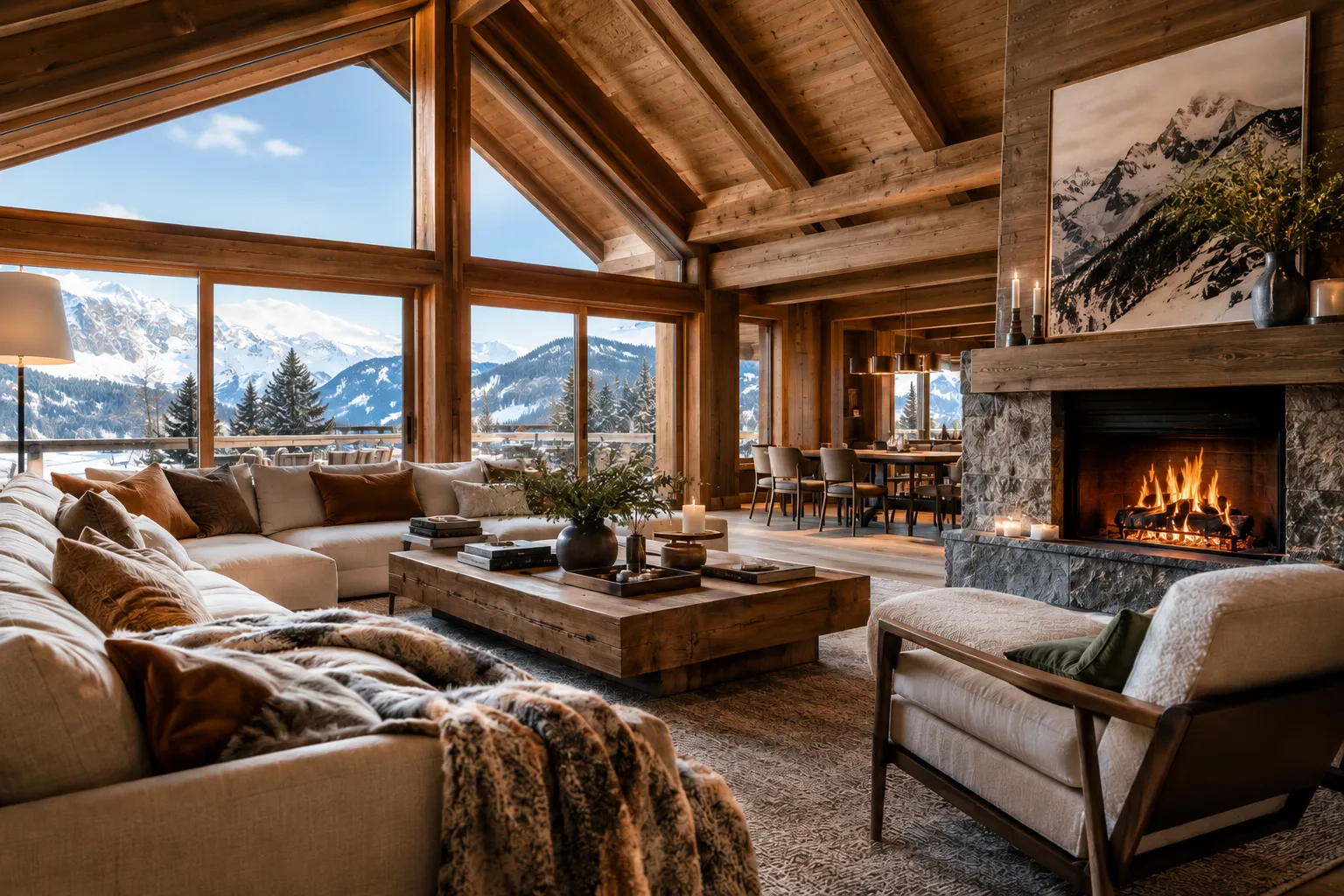
Low-profile sofas, monolithic tables, and curved seating elements introduce sculptural presence without overwhelming the space. These pieces often echo the architectural language of the interior, reinforcing cohesion.
Beckham frequently collaborates with leading contemporary designers, including Kelly Wearstler, whose bold yet sophisticated style complements her vision. This collaboration highlights how curated furniture selection can elevate minimalist interiors into highly expressive environments.
For luxury furniture brands, this underscores a key direction in contemporary design: creating pieces that function as focal points while maintaining restraint.
Neutral Palettes and Tonal Harmony
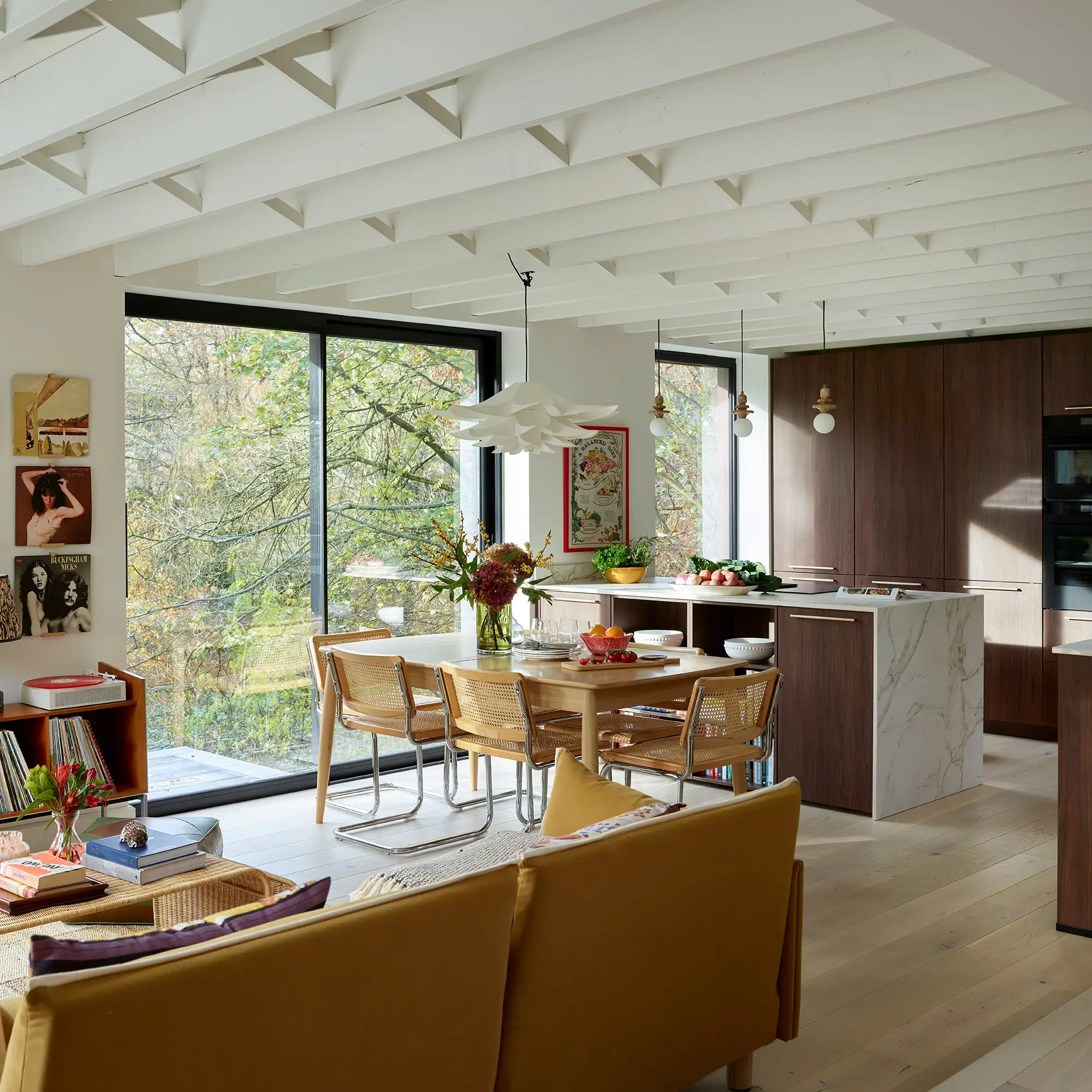
Color in Beckham’s interiors remains deliberately restrained. She favors a monochromatic or tonal palette that creates a seamless visual flow throughout the space.
Walls, floors, and furnishings often share similar hues, which enhances the sense of continuity. This approach allows light and shadow to define the environment, rather than contrasting colors.
However, neutrality does not equate to simplicity. Subtle variations in tone and texture introduce complexity, ensuring that the minimalist interior remains dynamic. Designers can observe how tonal layering replaces traditional color contrast, offering a more refined aesthetic.
Architectural Integration and Spatial Flow
Victoria Beckham’s minimalist interior aesthetic relies heavily on architectural integration. Built-in elements, concealed storage, and seamless transitions between rooms contribute to a sense of order and calm.
Doors often blend into walls, while cabinetry appears flush and uninterrupted. This level of integration reduces visual noise and reinforces the minimalist ethos.
Large openings, glass partitions, and open-plan layouts further enhance spatial flow. Natural light becomes a defining element, interacting with surfaces to create changing atmospheres throughout the day.
For architects, this highlights the importance of designing interiors and architecture as a unified system rather than separate disciplines.
Art as a Curated Statement
While Beckham embraces minimalism, she does not eliminate art from her interiors. Instead, she curates it carefully, selecting pieces that align with her aesthetic.
Her collection often includes works by renowned artists such as Damien Hirst, whose bold conceptual pieces create contrast within otherwise restrained spaces.
Art placement remains intentional. Rather than filling walls, Beckham allows individual works to stand alone, giving them room to breathe. This approach enhances their impact while maintaining the overall balance of the minimalist interior.
For design professionals, this demonstrates how art can coexist with minimalism without disrupting spatial harmony.
Lighting as a Design Tool
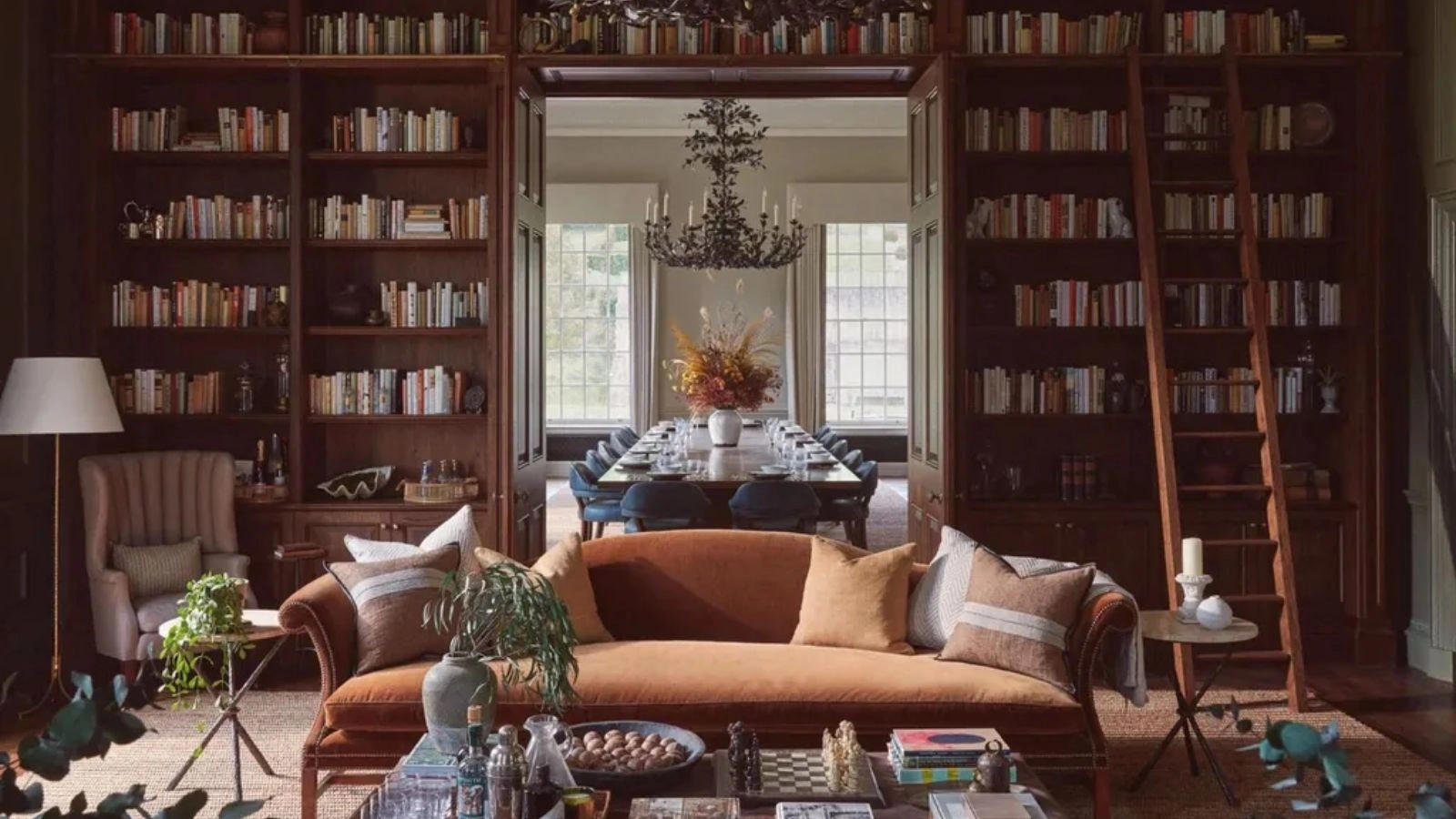
Lighting plays a crucial role in shaping Beckham’s interiors. She uses it to emphasize architecture, highlight materials, and create ambiance.
Recessed lighting, concealed LED strips, and sculptural fixtures work together to produce layered illumination. This approach avoids harsh contrasts and instead creates a soft, diffused glow.
Natural light also remains central. Large windows and open layouts allow daylight to interact with surfaces, enhancing the tactile qualities of materials.
For luxury design studios, this reinforces the importance of integrating lighting into the overall design concept rather than treating it as an afterthought.
The Balance Between Minimalism and Comfort
Victoria Beckham’s minimalist interior aesthetic succeeds because it balances discipline with comfort. While her spaces appear highly controlled, they never feel uninhabitable.
Soft furnishings, subtle textures, and ergonomic furniture introduce warmth. These elements ensure that the minimalist interior remains livable, aligning with the expectations of modern luxury clients.
This balance becomes particularly important in residential projects, where functionality and comfort must coexist with visual refinement.
Outdoor and Transitional Spaces
Beckham extends her minimalist interior philosophy into outdoor and transitional areas. Terraces, patios, and gardens often mirror the interior’s material palette and design language.
Stone flooring, neutral outdoor furniture, and clean architectural lines create continuity between indoor and outdoor spaces. This integration enhances the overall spatial experience, making the home feel cohesive and expansive.
For architects and landscape designers, this approach highlights the value of designing exterior spaces as extensions of the interior.
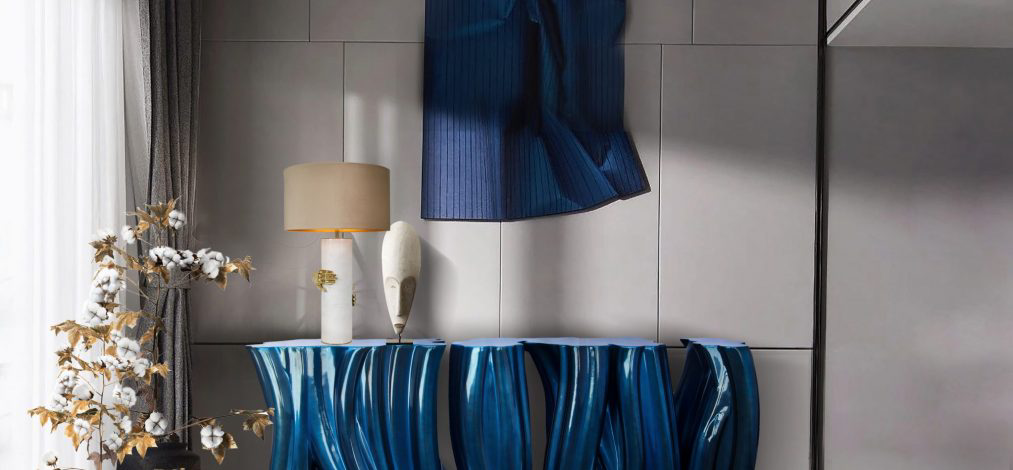
Victoria Beckham’s Minimalistic Luxury
Victoria Beckham’s minimalist interior aesthetic redefines contemporary luxury through precision, materiality, and restraint. Her spaces demonstrate how minimalism can move beyond simplicity to achieve depth and sophistication.
By focusing on architectural clarity, sculptural furniture, and carefully curated elements, she creates interiors that feel both timeless and modern. For interior designers, architects, and luxury furniture brands, her approach offers a powerful example of how minimalist interiors can deliver impact without excess.
In a design landscape often driven by trends, Victoria Beckham’s interiors stand out for their consistency and refinement. They reflect a deeper understanding of space, where every detail contributes to a cohesive and enduring vision of modern living.