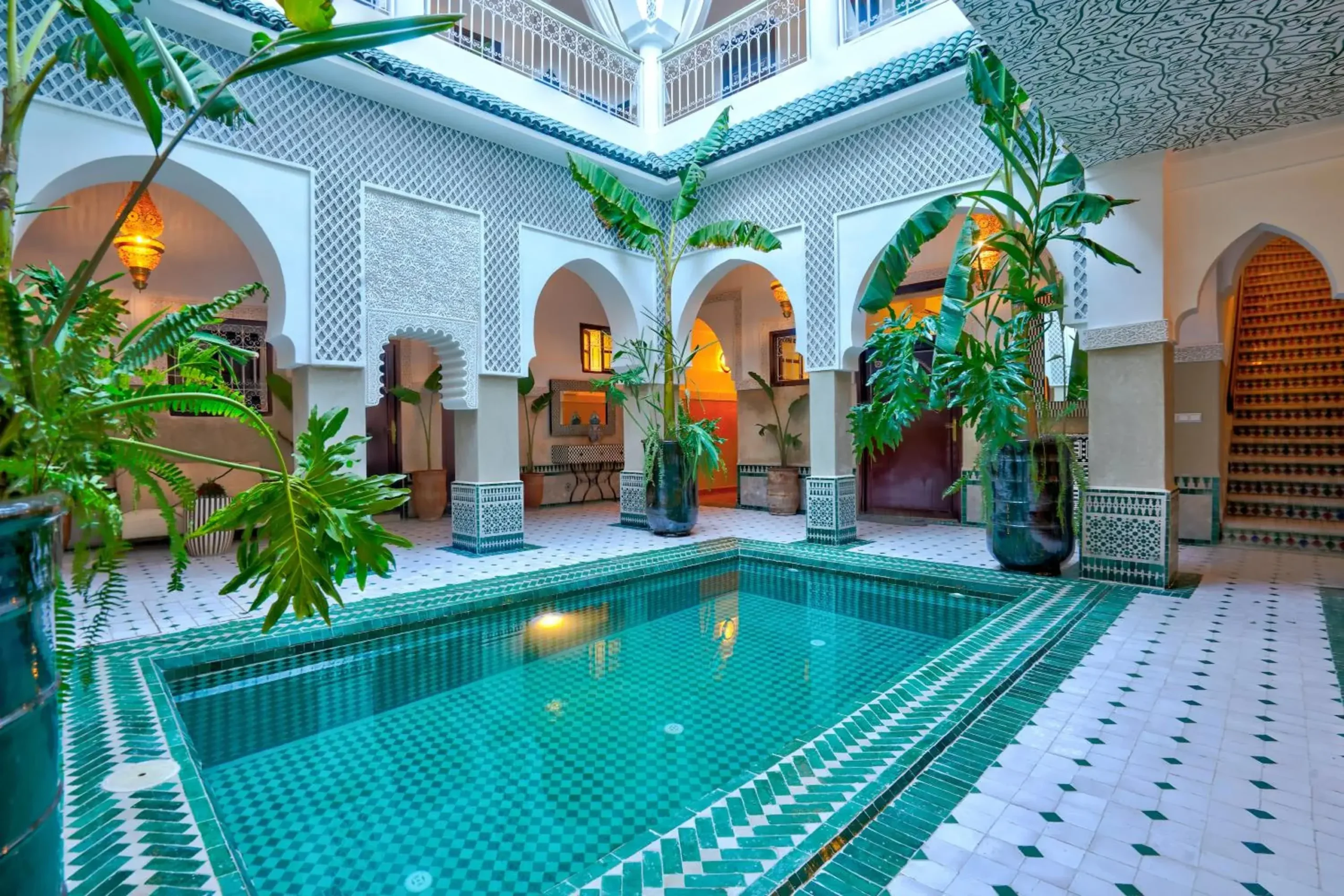
Nestled at the threshold where Africa greets Europe and ancient tradition converges with modern luxury, Marrakech homes offer an evocative intersection of heritage and contemporary aspiration. At their core lies one of the world’s most enduring architectural forms: the central courtyard. Whether in time-honored riads or avant-garde Moroccan oasis residences, the courtyard’s symbiotic relationship with light, shade, water, and landscape reflects centuries of design wisdom, wisdom that is increasingly resonant for today’s global movement toward indoor–outdoor living. This editorial explores the DNA of Moroccan courtyard design, tracing its path from Marrakech’s historic medina to a new generation of international residences, and reveals the profound influence of riad architecture on emergent courtyard trends worldwide.
The Living Heart: The Moroccan Courtyard Through History
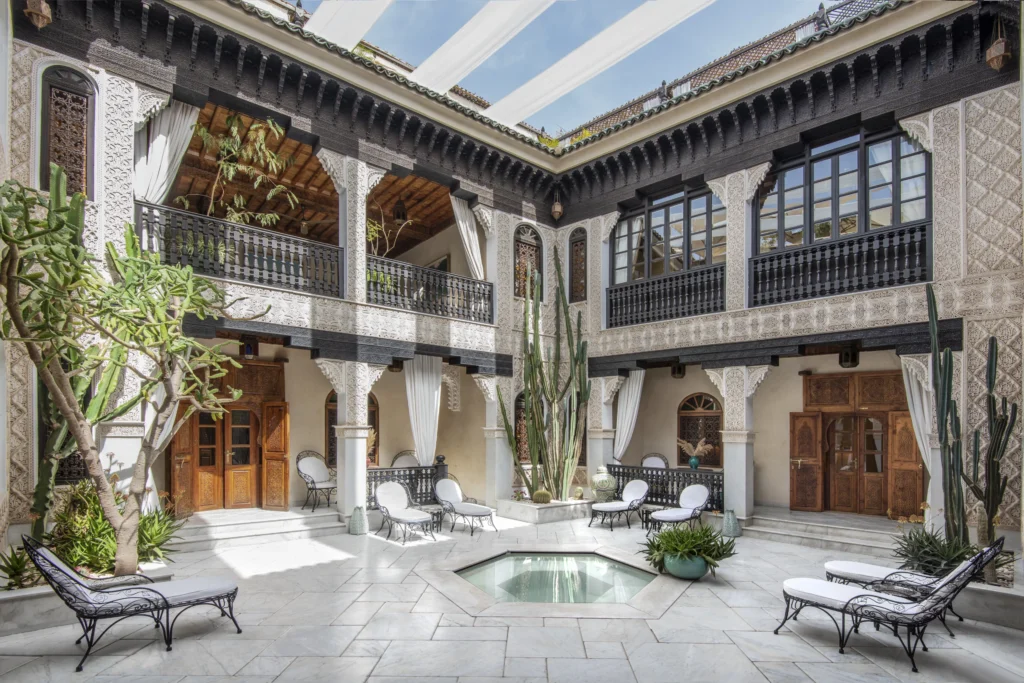
The story of Moroccan courtyard design unfolds in the gridded labyrinth of the Marrakech medina, where the unassuming exteriors of traditional homes conceal verdant inner sanctuaries. Here, inward-looking design is not merely aesthetic; it is a climatic, social, and spiritual response infused into every brick and mosaic. The riad, etymologically derived from the Arabic “ryad” (meaning “garden”), is the archetype: a residence whose life orbits a lush, sky-lit courtyard adorned with zellige tile, carved plasterwork, and gently flowing water.
- Climate Moderation: Courtyards provide shade, ventilation, and natural cooling in the searing Marrakech summer.
- Privacy and Community: High walls shield families from public view, while the courtyard becomes a communal living space, intimate yet open to the sky.
- Symbolic Importance: The geometric layouts and ornamental motifs echo philosophical notions of paradise and harmony between nature and the built environment.
The Riad: Essence of Marrakech Home Architecture
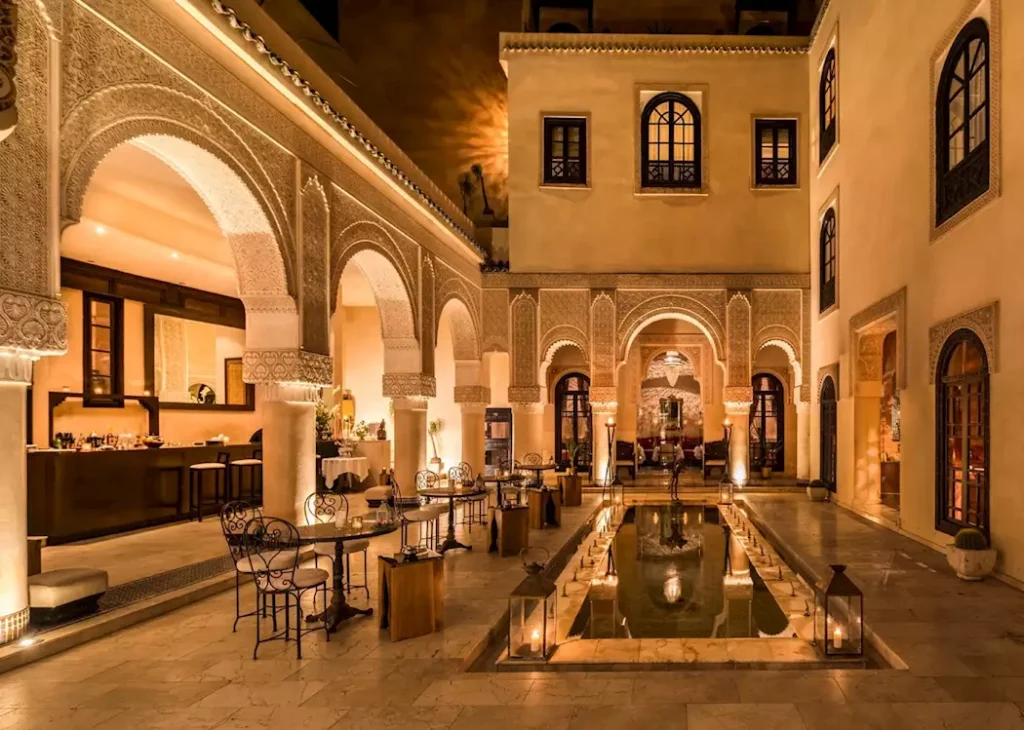
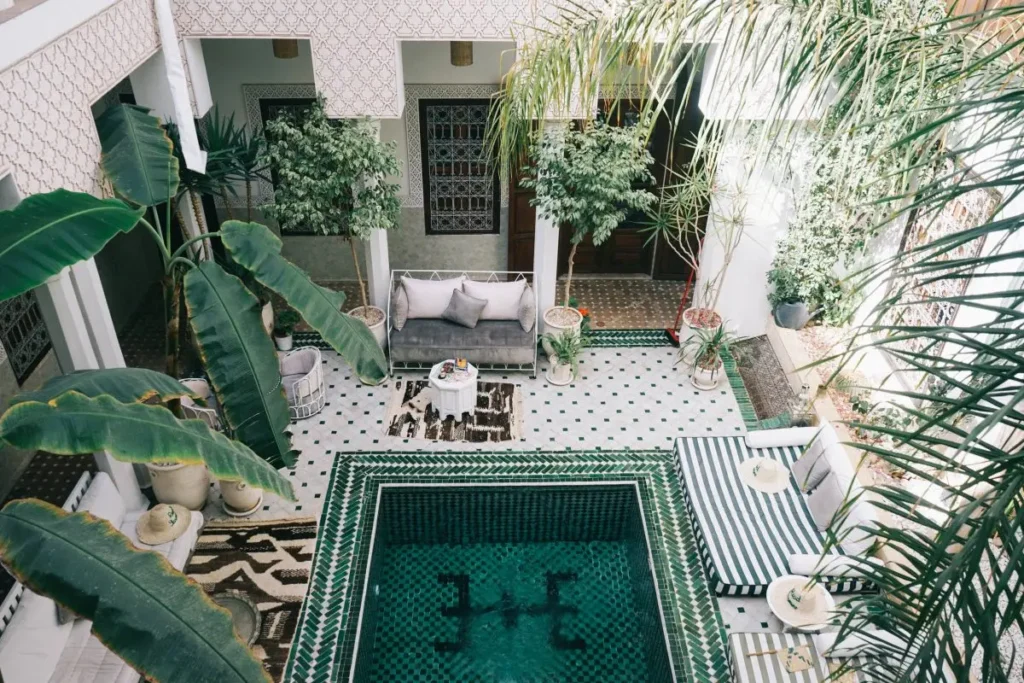
Traditional riad architecture achieves a multifunctional elegance rarely matched in other dwelling types. Each room opens onto the central space, with floor-to-ceiling wooden doors and arabesque arcades framing vistas to citrus trees and fountains beyond. It is here, within these cloistered gardens, that Marrakech families gather, socialize, and escape the urban tumult that throbs just outside the courtyard’s protective silence.
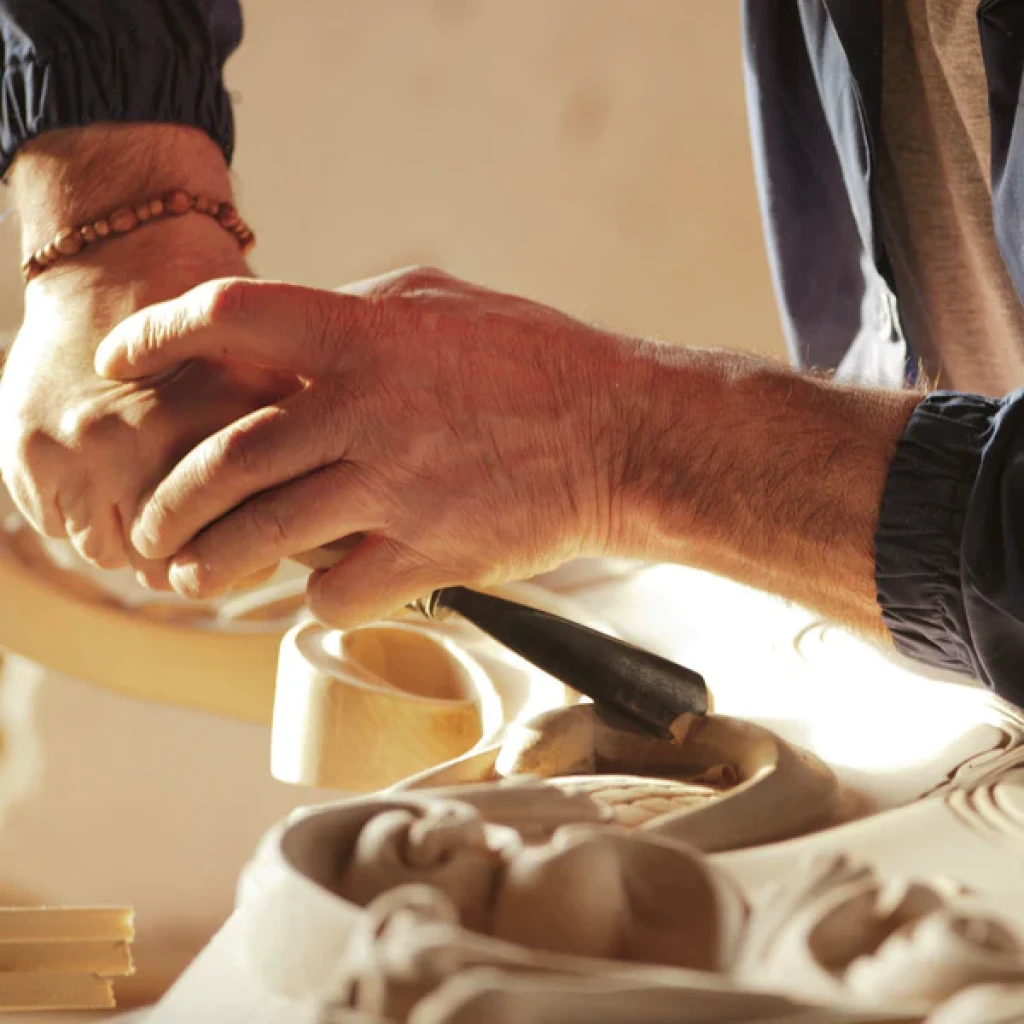
- Materials and Craftsmanship: Authentic riads employ tadelakt-plastered walls, cedar wood, hand-cut tile, and wrought iron, materials that age gracefully and foster sensory richness.
- Spatial Fluidity: The architecture prioritizes connection between interior thresholds and open air, blurring boundaries while preserving sanctuary.
- Light and Shadow Play: Delicate latticework and intricate screens regulate sunlight, creating dynamic, ever-changing atmospheres throughout the day.
From Medina to Modernity: Evolving the Courtyard for Contemporary Life
As discerning homeowners and visionary architects reinterpret the fabric of Marrakech homes, the principle of the courtyard endures, albeit in new and inspiring guises. Today’s contemporary Moroccan oasis homes borrow liberally from the riad’s DNA, recasting it in forms that address present-day needs for wellness, sustainability, and expansiveness.
Key Characteristics of Modern Moroccan Courtyard Homes
- Open Plan Integration: Modern designers dissolve traditional compartmentalization, uniting living, dining, and entertaining spaces around the courtyard to foster flexibility and social connection.
- Indoor–Outdoor Symbiosis: Pivot doors, glazed facades, and shaded verandas enhance permeability between garden and gallery, allowing the landscape itself to become part of the living environment.
- Eco-Conscious Solutions: Advanced climate engineering, including green roofs, thermal massing, solar orientation, and indigenous landscaping, echoes ancient principles while embracing contemporary sustainability standards.
- Artisan Revival: Modern homes champion local crafts, from bespoke carpets to sculpted metalwork, ensuring each space remains rooted in Moroccan identity, even when rendered in pared-back, minimalist idioms.