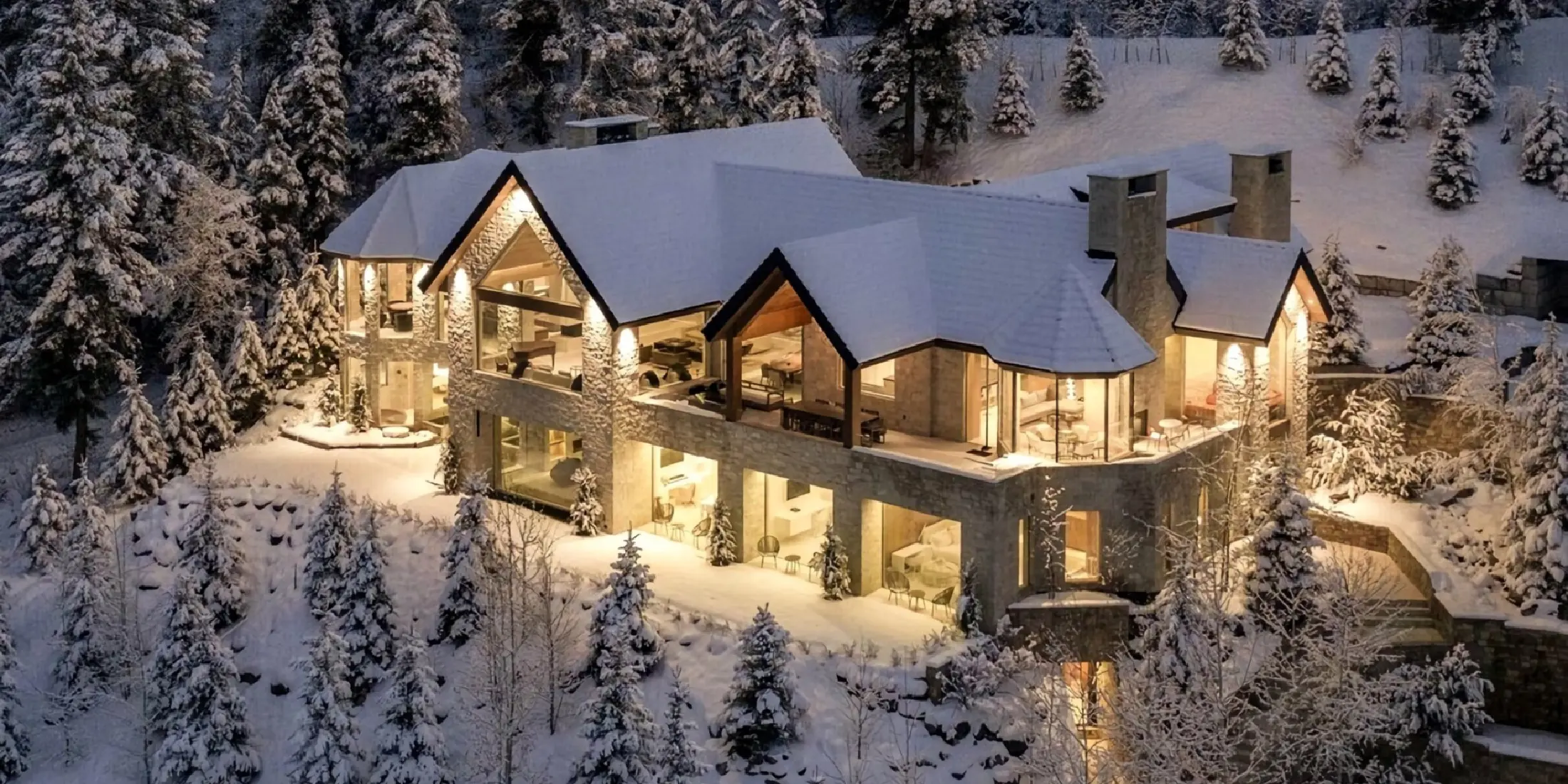
Luxury mountain homes capture the imagination of designers and architects because they combine breathtaking landscapes with refined craftsmanship. In recent years, many high-end mountain residences have shifted away from mass-produced finishes and toward interiors and exteriors built around handmade materials. This approach celebrates authenticity, local culture, and timeless design.
For interior designers, furniture brands, architects, and luxury design studios, handmade materials offer a powerful design language. They create spaces that feel grounded in the surrounding landscape while delivering the exclusivity expected in luxury residences.
The Rising Demand for Authenticity in Luxury Mountain Homes
Luxury buyers increasingly seek homes that feel personal, artisanal, and rooted in place. In mountain environments, where nature already plays a dominant role, handmade materials deepen the connection between architecture and landscape.
Designers often specify materials crafted by skilled artisans rather than factory-produced alternatives. Hand-carved wood beams, hand-forged iron railings, and hand-cut stone surfaces bring subtle irregularities that add depth and character to a space.
These details make luxury mountain homes feel warm and genuine rather than overly polished. For design professionals, this approach also helps differentiate projects in a competitive luxury market.
Stone Craftsmanship as a Structural and Visual Anchor
Handworked stone frequently forms the foundation of luxury mountain homes. Designers use it for exterior facades, fireplaces, flooring, and landscape walls.
Unlike machine-cut stone panels, hand-chiseled stone surfaces create texture and visual movement. Each piece carries slight variations in color, edge shape, and grain direction. When artisans install the stone by hand, the finished wall or fireplace feels sculptural rather than manufactured.
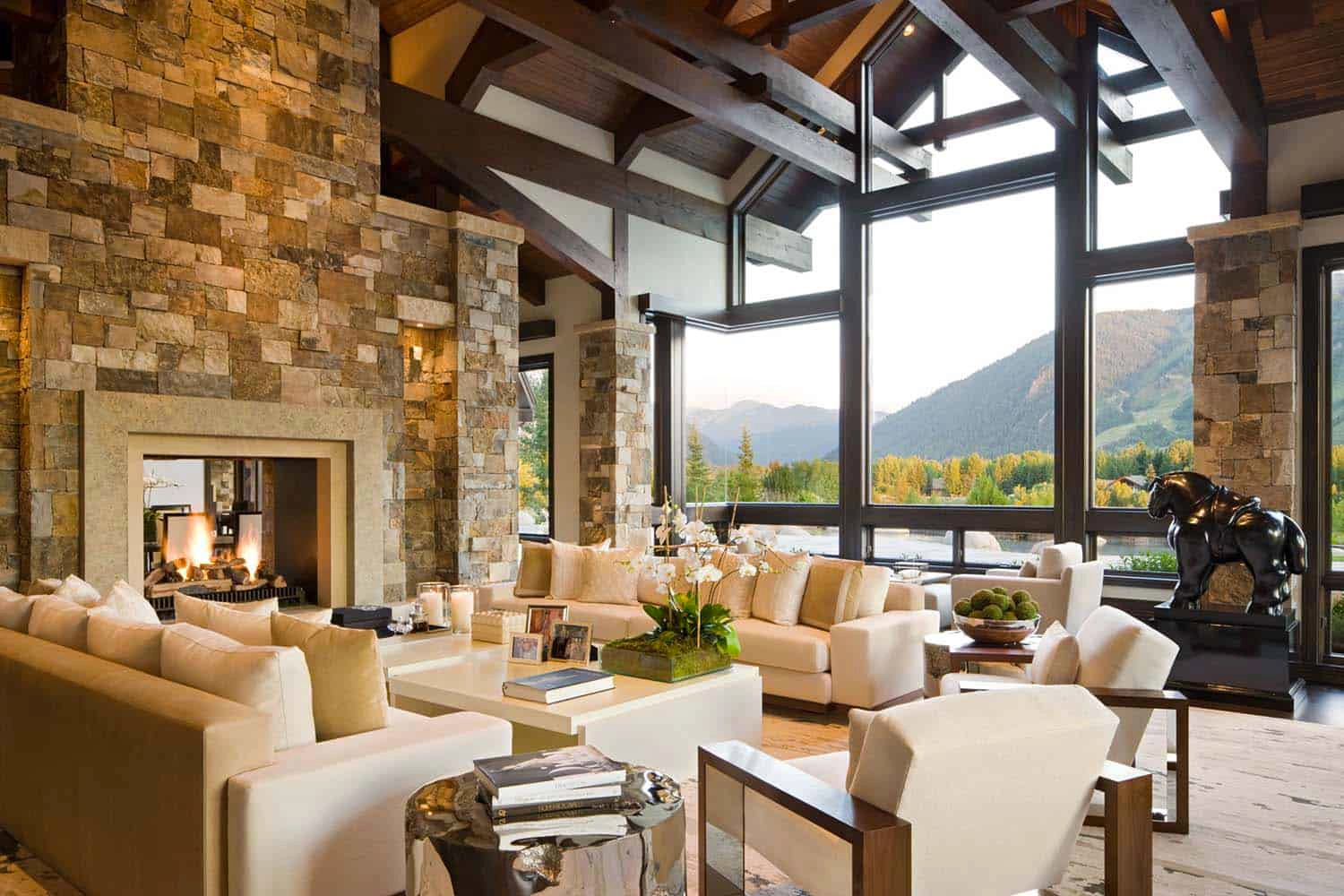
Large stone fireplaces often act as the central element of mountain interiors. Designers build these fireplaces with stacked natural stone to emphasize vertical scale and to echo the surrounding cliffs or rocky terrain.
Outside the home, stone terraces, pathways, and retaining walls help blend architecture into the natural mountain environment. This integration makes the structure appear as if it emerged organically from the landscape.
Handcrafted Wood: The Soul of Mountain Interiors
Wood remains the defining material in many luxury mountain homes. However, the emphasis has shifted toward hand-finished timber and artisanal woodworking rather than standardized lumber.
Architects frequently specify reclaimed beams, hand-hewn logs, or custom-milled planks. These elements highlight natural knots, grain patterns, and aging marks that bring visual richness to the architecture.
Large exposed ceiling beams create dramatic interior volumes while maintaining warmth and intimacy. Designers often pair these beams with hand-carved staircases, custom cabinetry, and artisan-built doors.
Furniture brands collaborating with luxury design studios also benefit from this trend. Handcrafted dining tables, sculpted wood chairs, and bespoke bedroom pieces reinforce the architectural language of the home.
The goal is to create continuity between the building structure and the furnishings. When executed well, the entire residence feels like a cohesive crafted object rather than a collection of separate components.
Hand-Forged Metal Details Elevate Architectural Character
Metalwork introduces contrast and precision within handmade interiors. In luxury mountain homes, designers frequently commission artisans to create custom iron or bronze components.
Hand-forged metal railings bring elegance to staircases and balconies. Unlike industrial metal systems, forged pieces often include subtle hammer marks and organic curves that reveal the artisan’s hand.
Custom lighting also plays a major role. Large forged chandeliers or pendant fixtures add sculptural presence while complementing timber ceilings and stone walls.
Door hardware, cabinet pulls, fireplace screens, and window frames also benefit from handcrafted metal. These details may appear small individually, but together they build a consistent material narrative throughout the home.
Natural Textiles and Handwoven Elements
Luxury mountain interiors balance heavy architectural materials with softer handcrafted textures. Designers often incorporate handwoven textiles such as wool rugs, alpaca throws, and linen upholstery.
Hand-loomed rugs help anchor large living areas and soften stone or wood flooring. Many designers select patterns inspired by regional traditions or natural motifs.
Textiles also appear in wall hangings, upholstery panels, and custom window treatments. These elements add warmth while maintaining the artisanal identity of the home.
Furniture brands that specialize in natural fabrics and handwoven finishes often collaborate closely with interior designers to create custom pieces that align with the project’s material palette.
Integrating Handmade Materials Into Outdoor Living Spaces
Outdoor areas have become a central focus in luxury mountain homes. Designers extend handmade materials from the interior to terraces, courtyards, and gardens.
Hand-laid stone patios, carved timber pergolas, and custom metal fire pits help create immersive outdoor environments. These features encourage residents to engage with the surrounding mountain scenery throughout the year.
Outdoor kitchens and dining areas often include handcrafted cabinetry, stone counters, and artisan tile surfaces. These details elevate outdoor spaces to the same design standard as the interior.
Landscape architects also contribute to this experience by incorporating natural materials such as local stone, handcrafted benches, and sculptural water features.
Sustainability and Local Craft Traditions
Handmade materials also align with sustainability goals increasingly valued in luxury architecture. Designers often source materials locally or collaborate with regional artisans.
This approach reduces transportation impact and supports traditional craft communities. At the same time, locally sourced materials help buildings harmonize with the surrounding environment.
Reclaimed wood, natural stone, and handwoven fibers also age gracefully. Over time, these materials develop patina rather than deterioration, which reinforces the timeless quality of luxury mountain homes.
For architects and luxury design studios, this long-term durability represents a key advantage. The home becomes more beautiful as it evolves rather than requiring frequent replacement of finishes.
The Future of Handmade Luxury in Mountain Architecture
Luxury mountain homes continue to evolve as designers push craftsmanship to new levels. Advanced architectural techniques now combine with traditional artisan skills to produce truly distinctive environments.
Digital design tools allow architects to experiment with complex forms and custom components. Artisans then translate those ideas into physical materials through carving, forging, weaving, and hand finishing.
This collaboration between technology and craft will likely define the next generation of high-end mountain residences.
For interior designers, furniture brands, and luxury studios, the message remains clear: handmade materials create emotional resonance that manufactured finishes cannot replicate.
When architecture embraces the authenticity of stone, wood, metal, and textiles shaped by skilled hands, luxury mountain homes become more than impressive structures. They transform into deeply personal environments that reflect both the natural landscape and the artistry of human craftsmanship.