In today’s luxury design landscape, iconic custom furniture has become a defining element of high-end residential architecture. More than functional objects, these pieces act as sculptural statements, anchoring interiors and shaping how spaces are experienced. Leading architects and interior designers increasingly collaborate with artisans and specialized manufacturers to create one-of-a-kind furniture that reflects the identity of each home.
From minimalist masterpieces to richly layered interiors, the integration of iconic custom furniture transforms residential environments into curated, immersive experiences. Below, we explore some of the most influential designer homes where custom furniture plays a central role.
Sculptural Minimalism in Private Residences
Few architects demonstrate the power of restraint like John Pawson. In projects such as his private residences, custom furniture often mirrors the architectural language—clean lines, reduced forms, and impeccable proportions.
Low-profile seating, monolithic tables, and built-in elements create continuity throughout the space. Materials such as pale wood, stone, and linen reinforce a sense of calm while emphasizing craftsmanship. Each piece integrates seamlessly into the architecture, blurring the line between furniture and structure.
This approach highlights how iconic custom furniture can enhance spatial clarity while maintaining a strong visual identity.
Organic Modernism and Fluid Forms
In contrast to strict minimalism, Zaha Hadid introduced a more expressive approach to custom furniture within residential environments. Her projects often feature fluid, sculptural pieces that echo the dynamic geometry of the architecture.
Custom sofas, tables, and shelving systems take on curvilinear forms, creating a sense of movement within the interior. High-gloss finishes, engineered materials, and advanced fabrication techniques define these pieces.
These homes demonstrate how iconic custom furniture can act as an extension of architectural form, reinforcing a cohesive and futuristic design language.
Layered Luxury in Contemporary Villas
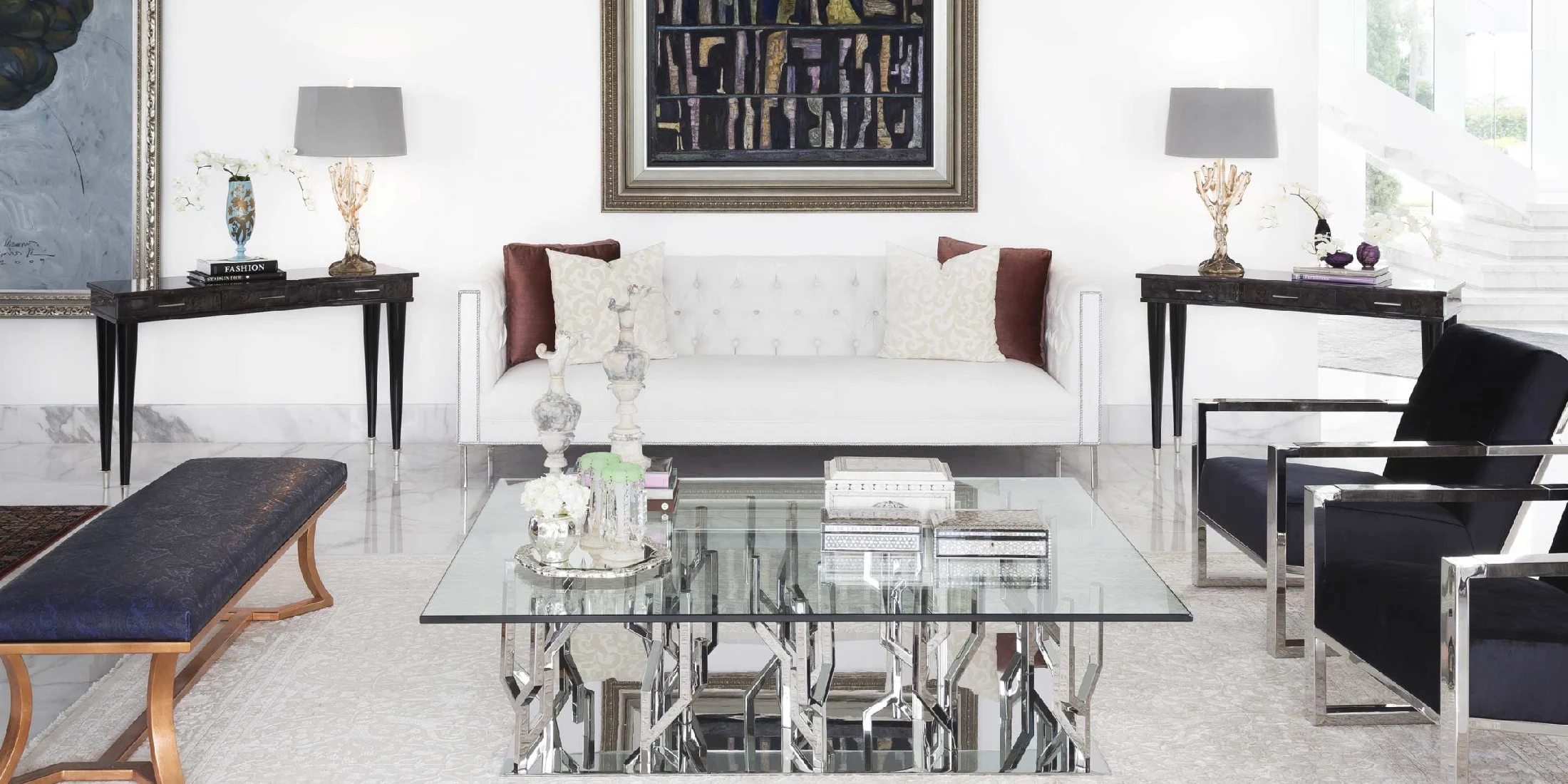
Luxury villas designed by Kelly Wearstler showcase a bold and eclectic use of iconic custom furniture. Her interiors combine diverse materials, textures, and forms to create visually rich environments.
Custom pieces often feature mixed materials such as marble, brass, velvet, and lacquer. Statement chairs, oversized lighting fixtures, and unique tables anchor each room, establishing focal points that elevate the overall composition.
This layered approach allows furniture to take on a narrative role, contributing to the personality and depth of the home.
Architectural Integration in Modernist Homes
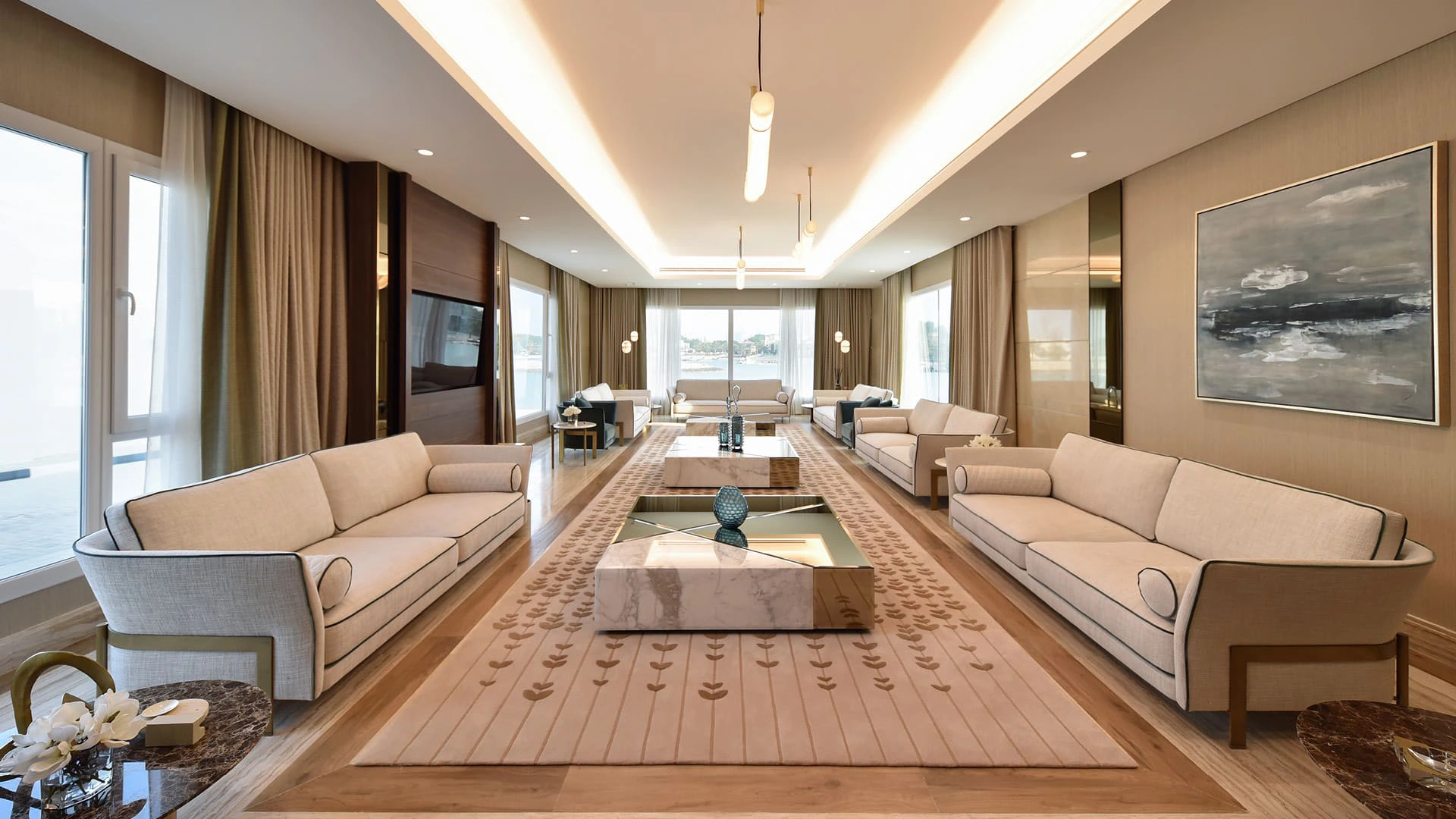
Tadao Ando approaches residential design with a strong emphasis on geometry, light, and material purity. In his homes, iconic custom furniture aligns closely with the architectural framework.
Concrete walls, glass surfaces, and natural light create a disciplined environment where furniture must complement rather than compete. Custom pieces often feature simple forms with refined detailing, using materials such as wood and metal to soften the architecture.
This integration ensures that furniture enhances the spatial experience without disrupting the overall harmony.
Mid-Century Influence Reinterpreted
Many contemporary designer homes draw inspiration from mid-century modern principles while incorporating iconic custom furniture tailored to today’s lifestyles. Architects like Vincent Van Duysen reinterpret classic forms with a modern sensibility.
Custom seating, cabinetry, and tables often feature warm woods, neutral fabrics, and subtle detailing. The emphasis remains on comfort, proportion, and material authenticity.
These homes demonstrate how iconic custom furniture can bridge historical influences and contemporary design, creating spaces that feel both familiar and fresh.
Coastal Retreats and Natural Materials
In high-end coastal homes, designers prioritize natural materials and relaxed elegance. Axel Vervoordt exemplifies this approach, incorporating iconic custom furniture that emphasizes texture and craftsmanship.
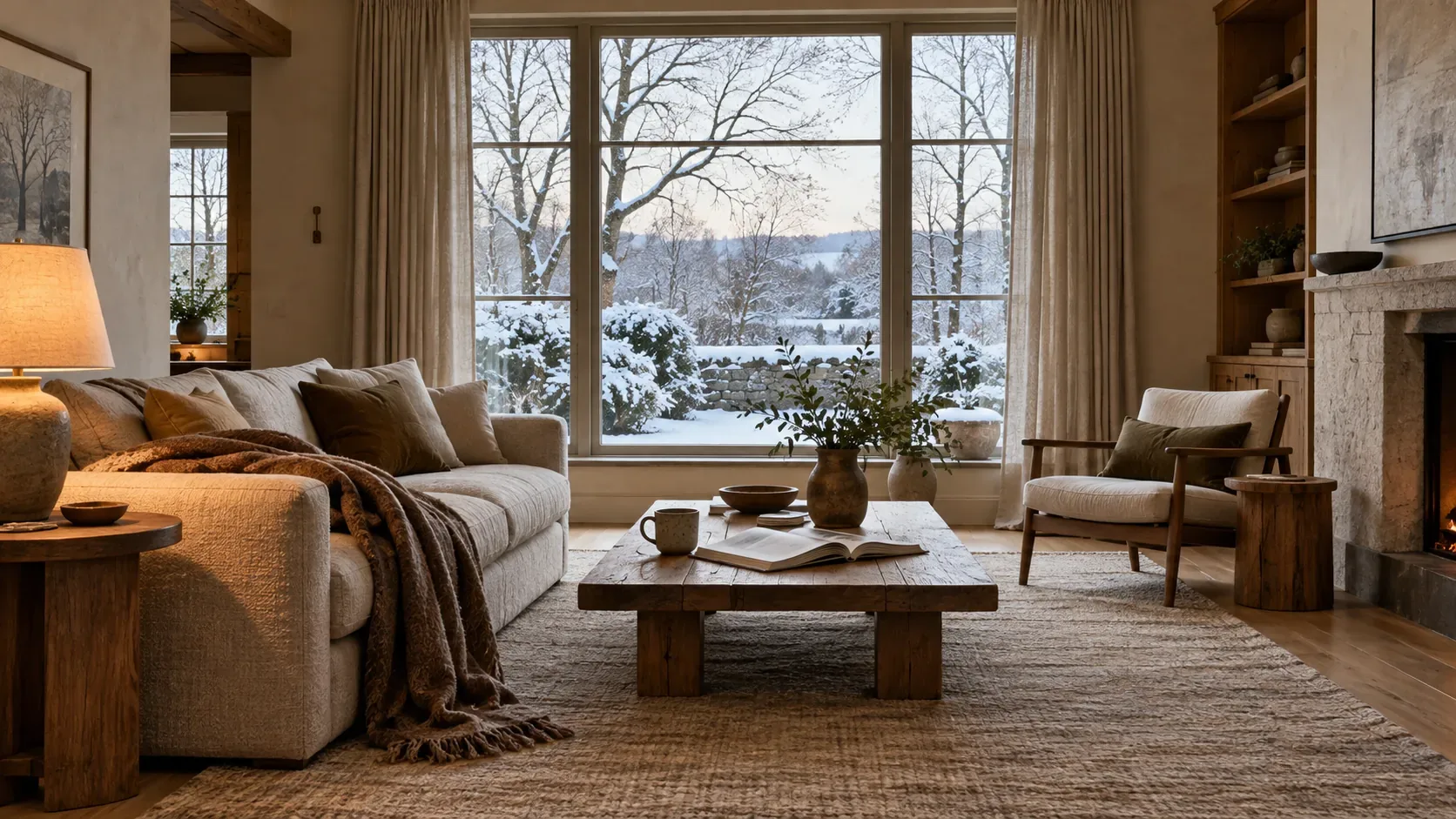
Handcrafted wooden tables, linen-upholstered seating, and stone elements create a tactile, organic environment. Imperfections in materials add character, reinforcing a connection to nature.
These interiors highlight how custom furniture can enhance the sensory experience of a space while maintaining a refined aesthetic.
High-Tech Luxury and Bespoke Innovation
Technology continues to influence the evolution of iconic custom furniture in designer homes. Architects and designers now collaborate with manufacturers to create pieces that integrate advanced functionality without compromising aesthetics.
Custom kitchens feature hidden mechanisms, seamless storage, and integrated lighting. Smart furniture adapts to user needs, offering flexibility and efficiency. Materials such as carbon fiber, engineered stone, and high-performance composites enable new forms and finishes.
In these homes, iconic custom furniture reflects innovation as much as craftsmanship, pushing the boundaries of what furniture can achieve.
Open-Plan Living and Statement Pieces
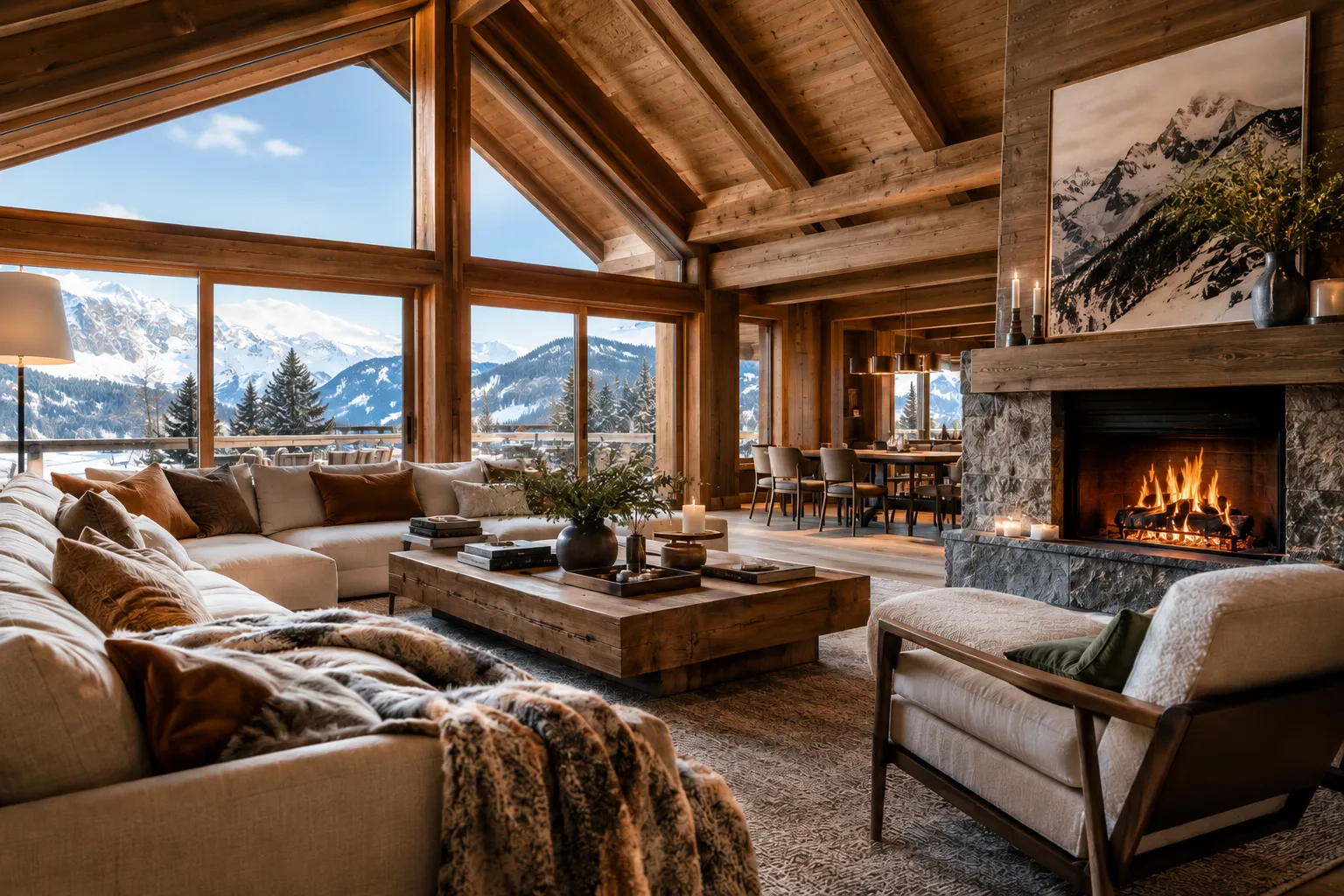
Open-plan layouts dominate modern luxury homes, and iconic custom furniture plays a crucial role in defining these expansive spaces. Designers use large-scale pieces to create visual structure and guide movement.
Oversized sofas, statement dining tables, and sculptural islands anchor different zones within a single სივრცე. These elements establish hierarchy while maintaining a sense of openness.
Custom furniture allows designers to tailor proportions precisely, ensuring that each piece fits the scale and function of the space.
Outdoor Living and Custom Design
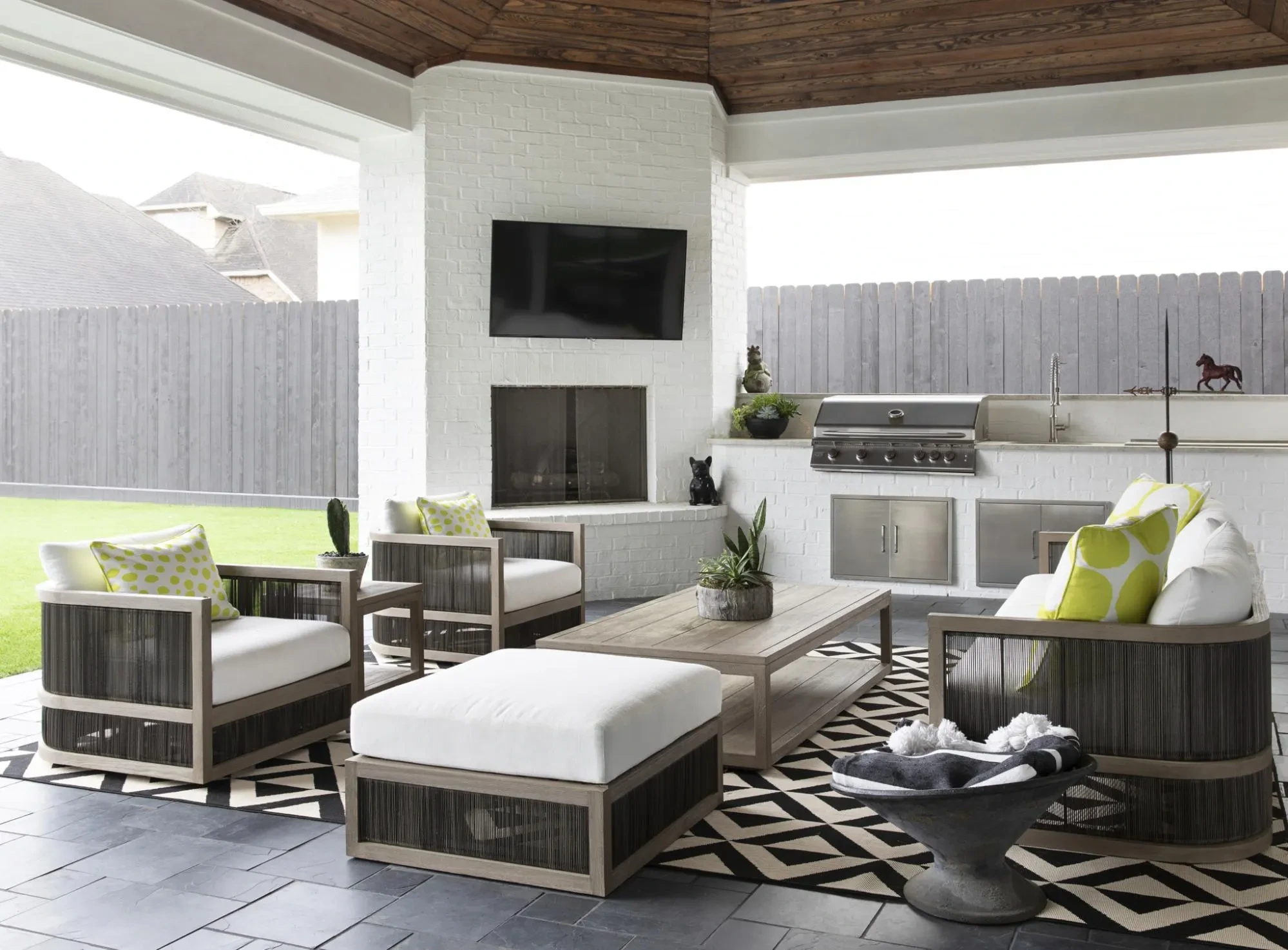
Outdoor spaces now receive the same level of attention as interiors, and iconic custom furniture extends into patios, terraces, and gardens. Designers create bespoke outdoor pieces that combine durability with high-end aesthetics.
Teak, stone, and weather-resistant metals dominate material choices, while advanced fabrics ensure comfort and longevity. Custom lounges, dining sets, and daybeds transform outdoor areas into luxurious living environments.
This trend reflects a broader shift toward holistic design, where indoor and outdoor spaces function as a cohesive whole.
The Role of Craftsmanship and Identity
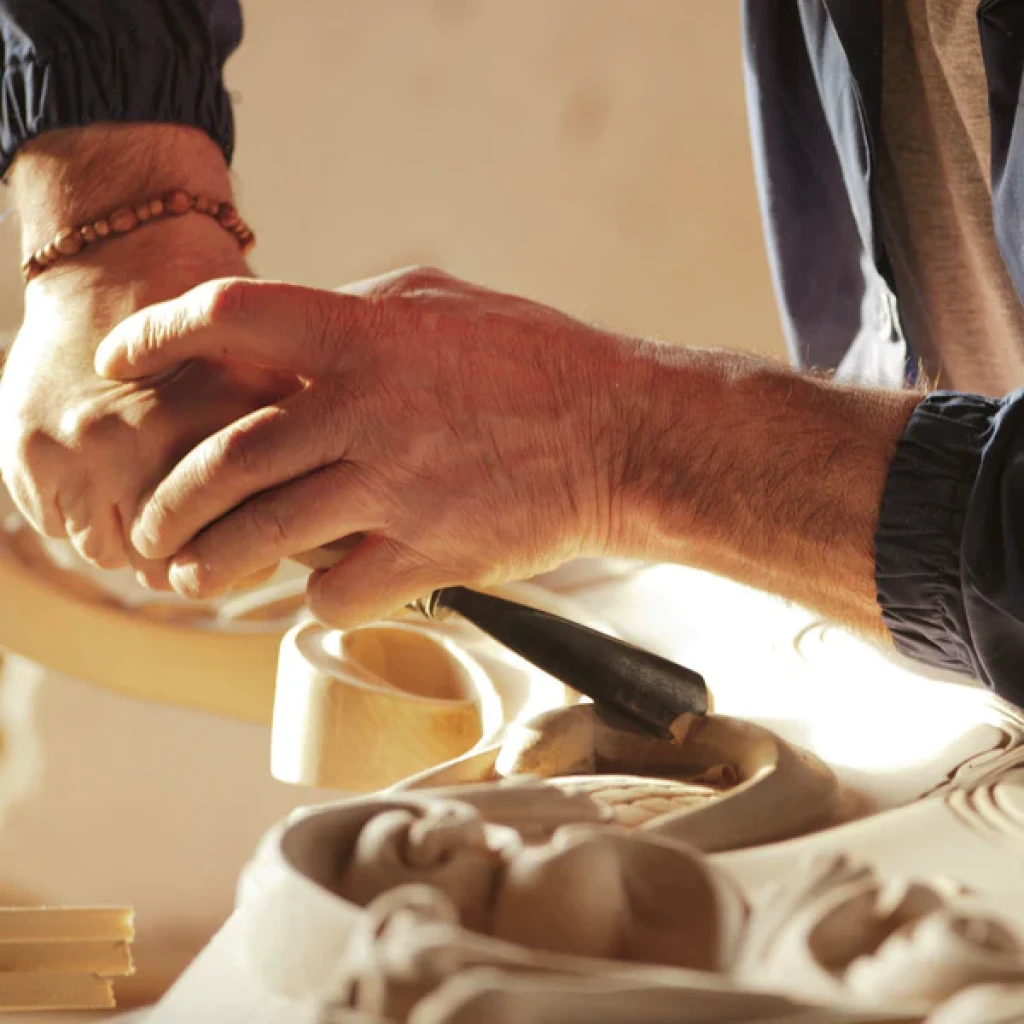
At the core of every designer home featuring iconic custom furniture lies a commitment to craftsmanship. Each piece requires collaboration between designers, artisans, and manufacturers, resulting in furniture that feels unique and intentional.
Custom furniture allows homeowners and designers to express identity in a way that mass-produced pieces cannot. Proportions, materials, and finishes align precisely with the architectural vision, creating a unified and highly personalized environment.
Conclusion
Iconic custom furniture has become an essential component of contemporary designer homes. It shapes spatial experience, reinforces architectural language, and elevates interiors to a level of true luxury.
From the minimalist precision of John Pawson to the expressive forms of Zaha Hadid and the layered richness of Kelly Wearstler, these homes demonstrate the transformative power of bespoke design.
For interior and outdoor designers, furniture brands, architects, and luxury studios, investing in iconic custom furniture offers a pathway to creating distinctive, memorable spaces that stand apart in a competitive market.