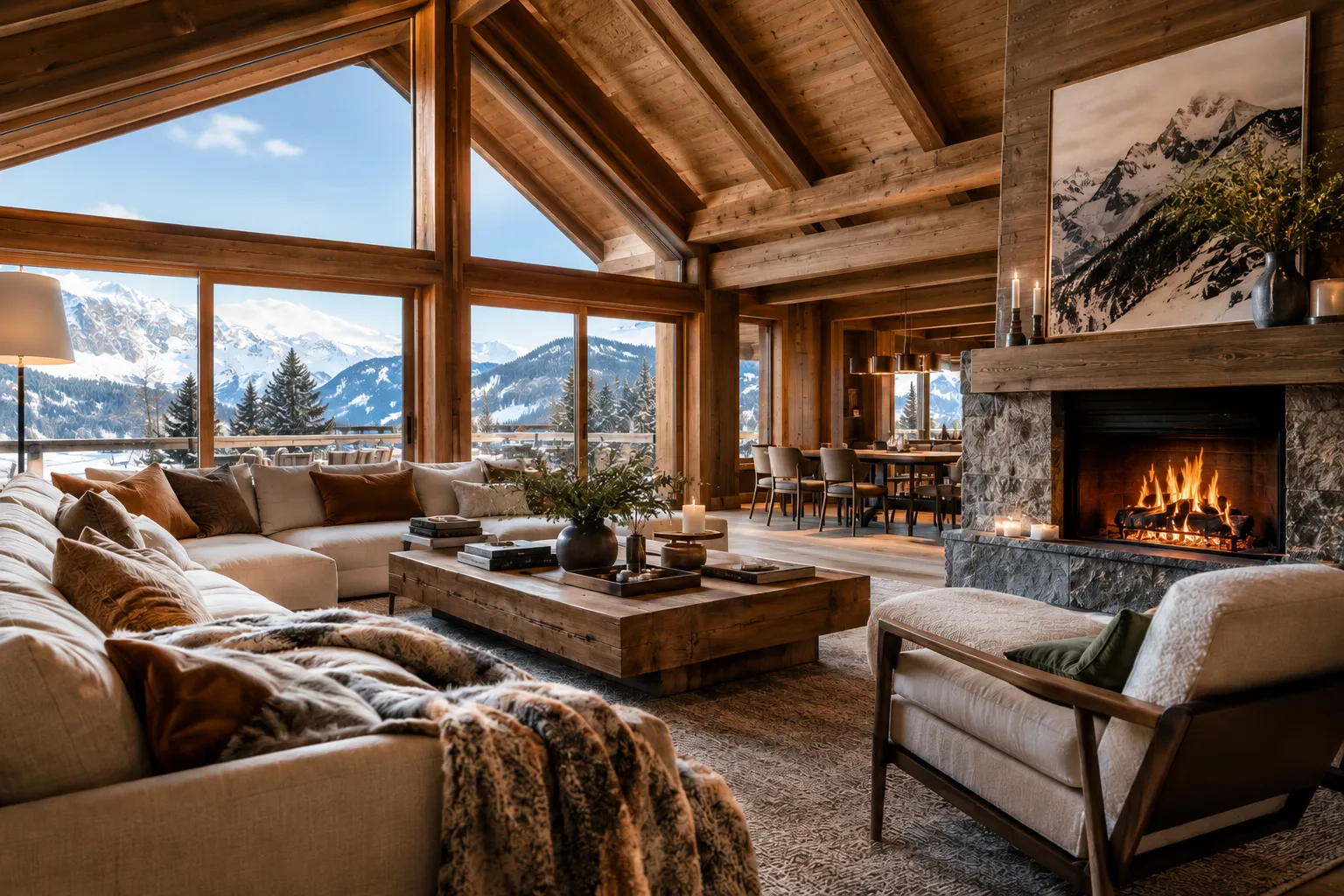
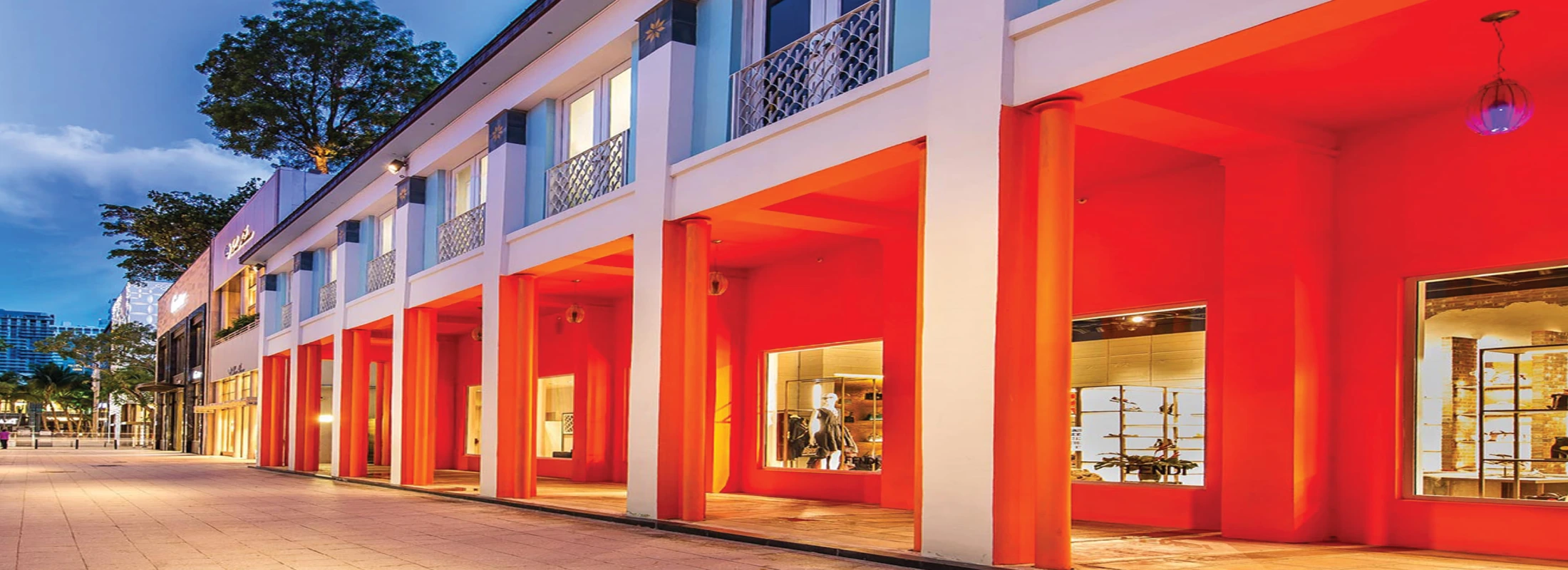
High-End Apartments have evolved far beyond simple luxury living spaces. Today, they represent a fusion of architecture, bespoke craftsmanship, and curated design experiences. For interior designers, furniture brands, architects, and luxury studios, these residences serve as benchmarks of innovation and precision. The most remarkable High-End Apartments showcase custom interior craftsmanship that transforms space into a fully immersive lifestyle statement.
Defining High-End Apartments in Today’s Market
High-End Apartments no longer rely solely on prime location or premium materials. Instead, they distinguish themselves through intentional design, tailor-made elements, and a cohesive narrative that flows from architecture to the smallest interior detail. Developers and designers collaborate early in the process, ensuring that every component, from structural layout to furniture selection, aligns with a unified vision.
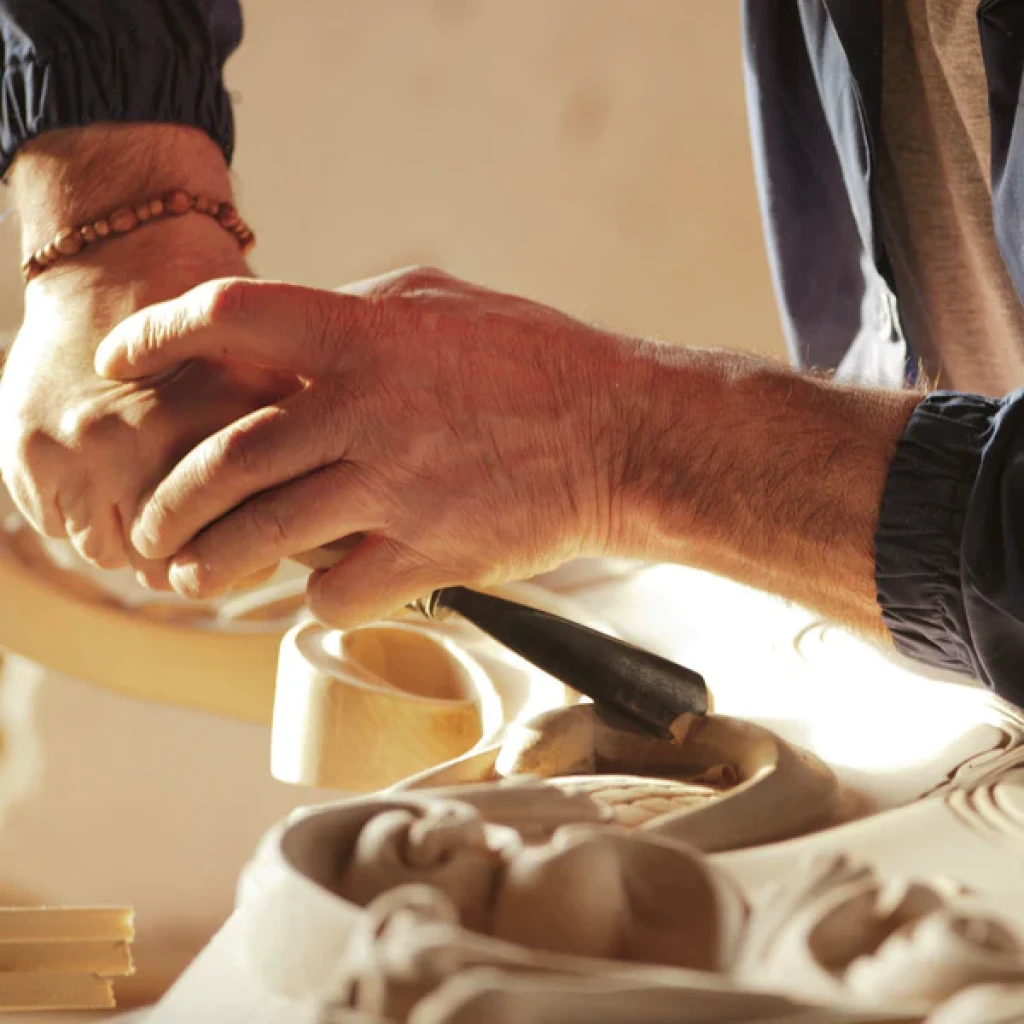
Custom craftsmanship plays a central role in this transformation. Unlike mass-produced interiors, these apartments incorporate handcrafted millwork, bespoke furniture, and artisanal finishes. The result is a unique environment that cannot be replicated.
The Role of Custom Interior Craftsmanship
Custom interior craftsmanship defines the identity of High-End Apartments. It allows designers to create spaces that respond precisely to client needs while elevating aesthetic value. Craftsmanship manifests in several key areas:
Bespoke Millwork and Architectural Detailing
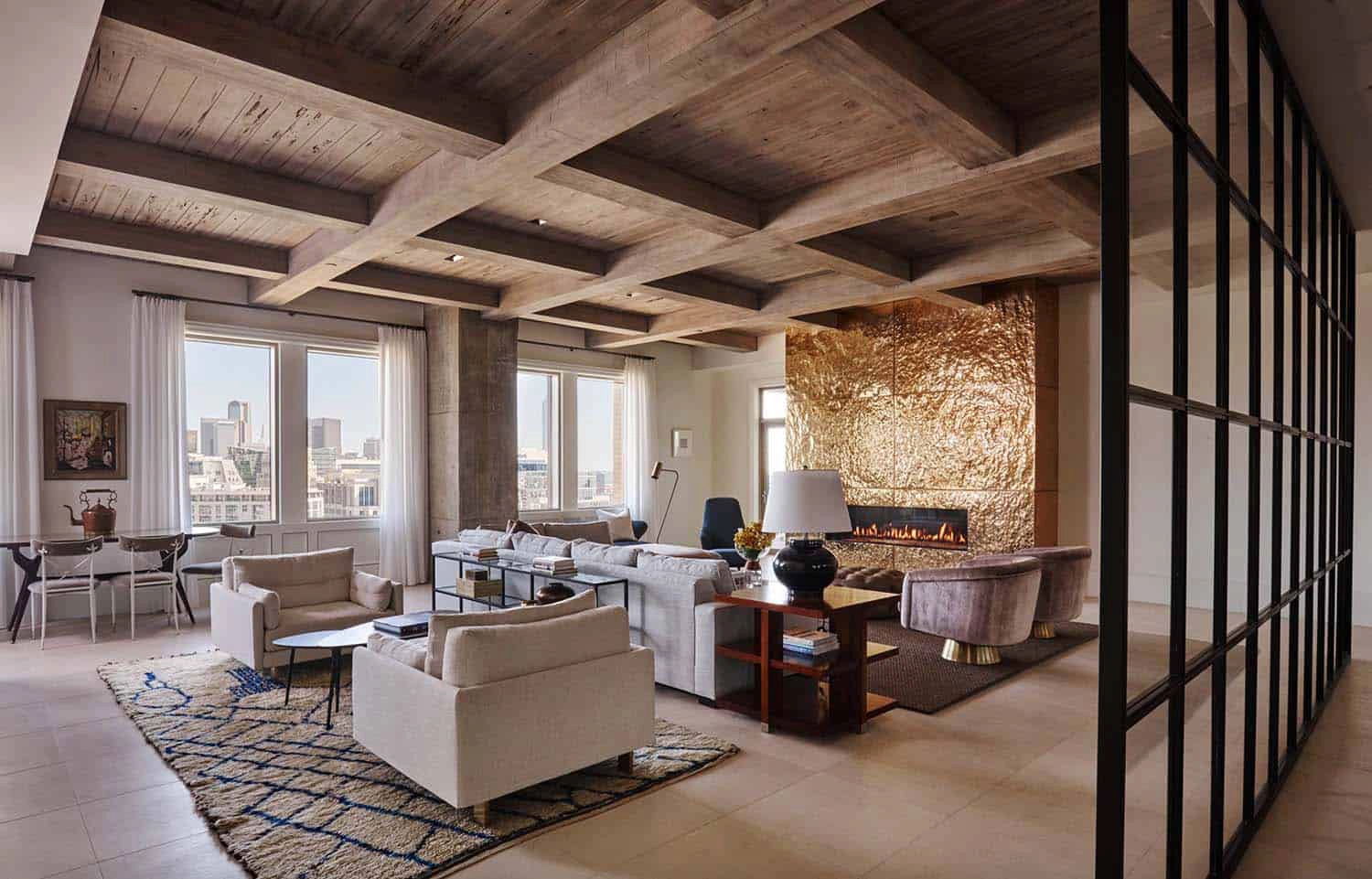
High-End Apartments often feature custom wall paneling, built-in cabinetry, and intricate ceiling treatments. Designers use premium woods, metals, and composite materials to create architectural elements that double as functional art. These details establish a strong visual language throughout the apartment.
Precision matters. Skilled artisans execute joinery techniques that ensure durability while maintaining refined aesthetics. This level of craftsmanship enhances both tactile and visual experiences.
Tailor-Made Furniture Integration
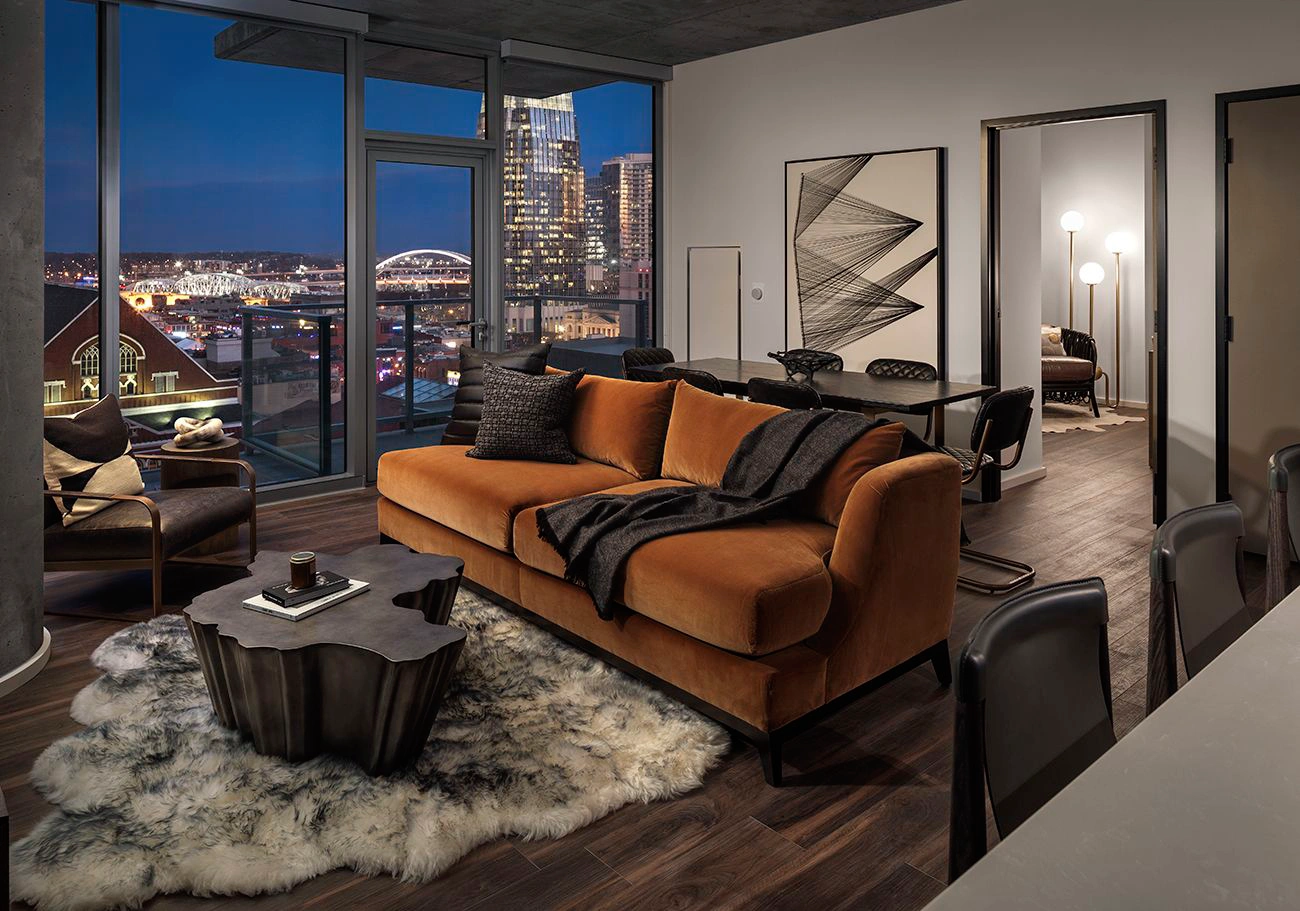
Furniture in High-End Apartments rarely comes off the shelf. Designers collaborate with furniture brands or independent makers to produce pieces that fit perfectly within the spatial layout. Sofas align with architectural lines, dining tables reflect material palettes, and storage solutions integrate seamlessly into the structure.
This approach eliminates visual clutter and creates harmony. It also allows for experimentation with scale, proportion, and material combinations that standard furniture cannot achieve.
Material Innovation and Layering
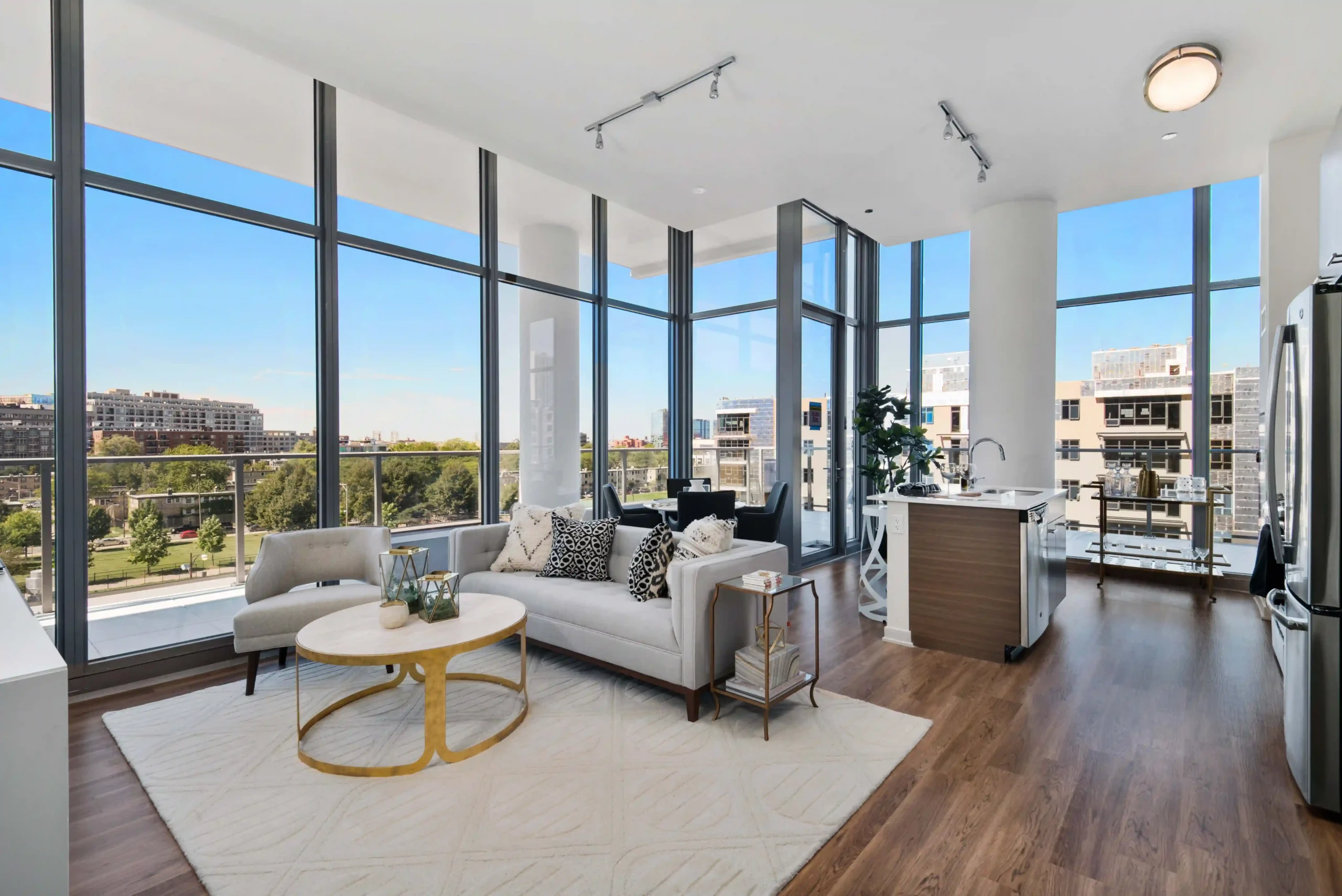
Custom interiors thrive on material diversity. Designers combine natural stone, rare woods, hand-finished metals, and innovative textiles to create depth and contrast. High-End Apartments often include unique material applications such as book-matched marble walls, hand-plastered surfaces, and custom metal inlays.
Material layering contributes to sensory richness. Residents experience not only visual beauty but also texture, temperature, and acoustics that elevate comfort.
Leading Examples of High-End Apartments
Several global cities set the standard for High-End Apartments with exceptional craftsmanship. These projects highlight how design teams push boundaries while maintaining functional excellence.
New York City: Precision and Vertical Luxury
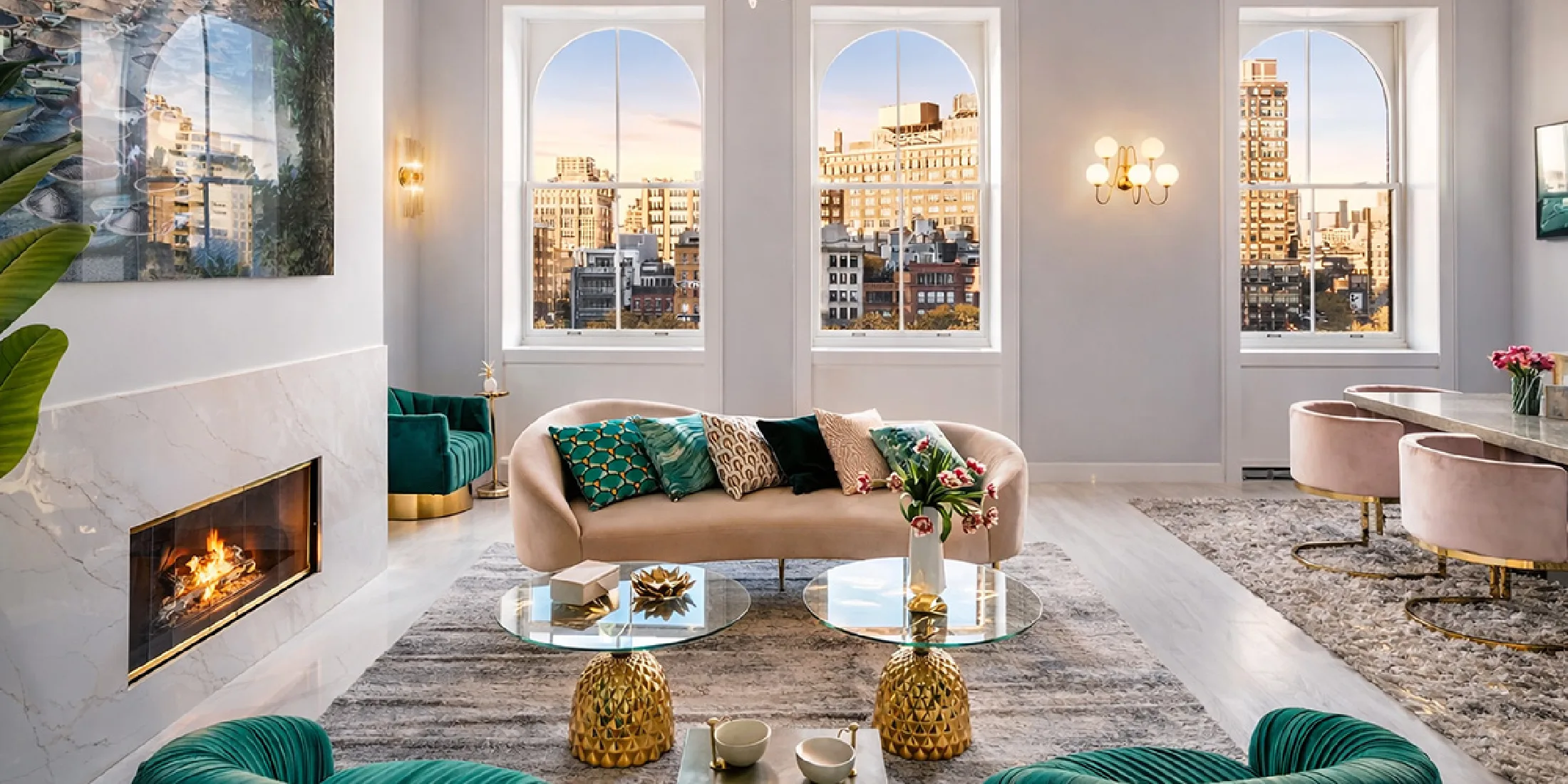
In New York, High-End Apartments often occupy iconic skyscrapers. Designers work within vertical constraints while maximizing views and natural light. Custom craftsmanship focuses on optimizing space without sacrificing luxury.
Apartments feature built-in storage systems, concealed kitchens, and modular living areas that adapt to different uses. Materials such as walnut, bronze, and marble dominate interiors, creating a timeless yet contemporary feel.
London: Heritage Meets Modern Craft
London’s High-End Apartments frequently blend historical architecture with modern interiors. Designers preserve original features like moldings and fireplaces while introducing bespoke elements that complement the structure.
Craftsmanship here emphasizes detail and continuity. Custom joinery integrates with heritage elements, and furniture often reflects a balance between classic and contemporary styles. This fusion creates a layered narrative that appeals to discerning clients.
Dubai: Opulence and Customization at Scale
Dubai represents a different approach to High-End Apartments. Projects emphasize grandeur, scale, and technological integration. Custom craftsmanship extends to every surface, including walls, floors, and ceilings.
Designers often incorporate exotic materials, advanced lighting systems, and smart home technology. Bespoke furniture pieces feature bold forms and luxurious finishes, reinforcing the overall sense of exclusivity.
Tokyo: Minimalism and Precision Craft
Tokyo’s High-End Apartments focus on minimalism and precision. Designers prioritize clean lines, efficient layouts, and subtle material transitions. Custom craftsmanship appears in hidden details such as seamless cabinetry, sliding partitions, and integrated lighting.
This approach highlights the importance of restraint. Every element serves a purpose, and craftsmanship ensures that functionality and aesthetics remain perfectly aligned.
Collaboration Between Designers and Craftsmen
The success of High-End Apartments depends on collaboration. Interior designers, architects, and craftsmen must work closely from concept to execution. This collaboration ensures that design intent translates accurately into built form.
Designers provide vision and direction, while craftsmen bring technical expertise and material knowledge. Regular communication and prototyping help refine details before final installation. This process reduces errors and enhances overall quality.
Furniture brands also play a crucial role. By partnering with designers, they create exclusive collections tailored to specific projects. These collaborations push innovation and allow brands to showcase their capabilities in real-world applications.
Technology and Craftsmanship Integration
Modern High-End Apartments integrate technology without compromising craftsmanship. Smart home systems control lighting, climate, and security, while custom interiors conceal these technologies within elegant designs.
For example, motorized panels can hide televisions or storage units, maintaining a clean aesthetic. Lighting systems integrate into architectural elements, enhancing ambiance without visible fixtures. This seamless integration requires precise planning and execution.
Digital tools also support craftsmanship. Designers use advanced modeling software to visualize custom elements and coordinate with manufacturers. This technology improves accuracy and allows for complex designs that were previously difficult to achieve.
Sustainability in High-End Craftsmanship
Sustainability has become a key consideration in High-End Apartments. Designers and developers increasingly prioritize eco-friendly materials and responsible sourcing. Custom craftsmanship supports this goal by focusing on quality and longevity rather than mass production.
Artisans often use traditional techniques that reduce waste and extend product lifespan. Durable materials ensure that interiors remain functional and beautiful for years, reducing the need for frequent replacements.
Sustainable design does not limit creativity. Instead, it encourages innovation in material selection and construction methods. High-End Apartments can achieve both environmental responsibility and exceptional craftsmanship.
The Future of High-End Apartments
The future of High-End Apartments will continue to emphasize customization and craftsmanship. Clients expect spaces that reflect their individuality while delivering comfort and functionality. Designers will explore new materials, technologies, and design approaches to meet these expectations.
We will likely see increased collaboration across disciplines, including digital fabrication experts and material scientists. This evolution will expand the possibilities of custom interiors and redefine luxury living.
At the same time, craftsmanship will remain central. Despite technological advancements, the human touch adds authenticity and character that machines cannot replicate.
Conclusion
High-End Apartments represent the pinnacle of residential design. Custom interior craftsmanship transforms these spaces into unique environments that combine beauty, functionality, and innovation. For interior designers, furniture brands, architects, and luxury studios, these projects offer opportunities to push creative boundaries and set new standards.
By focusing on bespoke elements, material excellence, and collaborative processes, High-End Apartments continue to redefine what luxury living means. The result is not just a place to live, but a carefully crafted experience that resonates with both designers and residents alike.