In the ever-evolving world of architecture and high design, it is often the fleeting and the experimental that ignite enduring shifts in spatial innovation. Ephemeral structures in architecture—those designed to exist only for a limited duration—have become powerful catalysts for permanent design trends. Nowhere is this more evident than at the epicenters of creativity: international interior design fairs and global expositions such as Milan Design Week, Art Basel, Expo, and Design Miami. These avant-garde fair pavilions, liberated from the constraints of permanence, serve as living laboratories for future-defining ideas, materials, and forms. This article delves into how the visionary ingenuity of temporary fair pavilions not only dazzles in the present but also shapes the language and discourse of tomorrow’s enduring architecture.
Ephemerality as a Catalyst: The Unique Power of Temporary Structures
Ephemeral architecture offers a paradoxical sense of freedom: by existing briefly, it is unhindered by the obligations of longevity. It invites radical experimentation—be it in materiality, environmental strategy, or spatial narrative—unbound by the conventions and regulations governing permanent buildings. These qualities render ephemeral structures in architecture a critical incubator for transformative ideas.
Material Innovation: Lightweight composites, bioplastics, and novel textiles often premiere in pavilion form.
Spatial Storytelling: Bold narrative and immersive experiences leverage the fleeting nature of occupancy.
The creative liberation experienced on the fairgrounds ripples outward. As technologies are tested and aesthetics are refined, innovations migrate toward more permanent typologies: cultural institutions, luxury residences, hospitality venues, and public spaces.
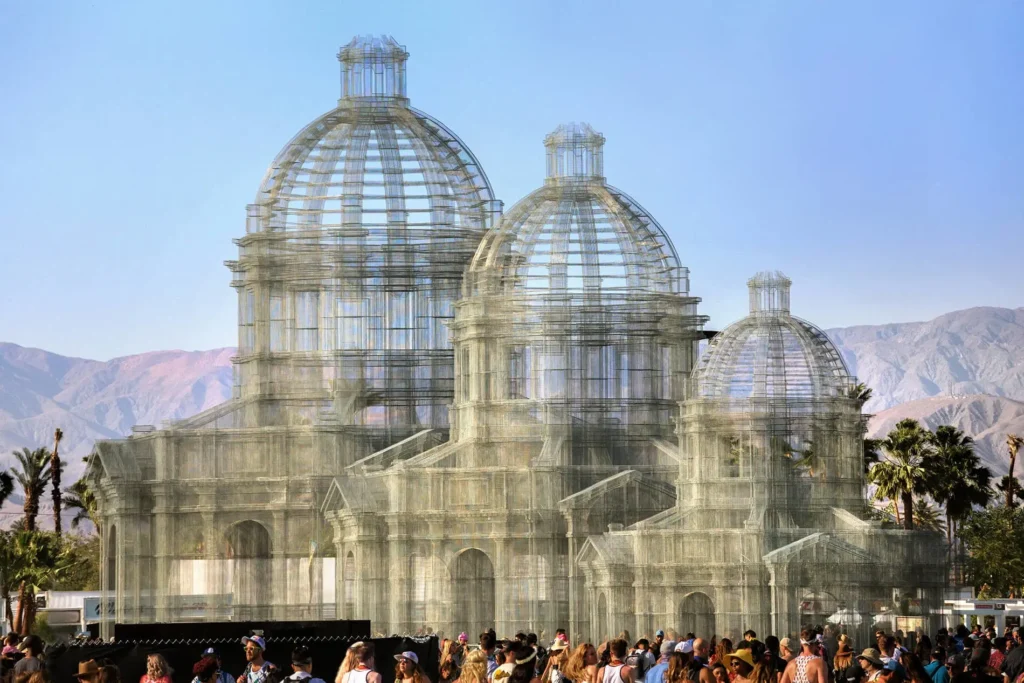
Edoardo Tresoldi’s Wireframe Cathedrals
The Pavilion as Prototype: Where Trends Take Shape
Globally renowned interior design fairs act as stages where prototypes are not only displayed but inhabited. Consider how ephemeral pavilions at events such as Milan Design Week or Design Miami become proof-of-concept environments, crystallizing emerging movements before they manifest in the built environment.
Case Study: Milan Design Week’s Far-reaching Influence
Since its inception, Milan Design Week has fostered a tradition of ephemeral architecture that has reverberated through the world’s premier design cities. Here, experimental pavilions reimagine the possibilities of domesticity, fluid boundaries between indoor and outdoor living, and sustainable urban integration. Notable examples include:
MINI Living Urban Cabin: This modular pavilion showcased micro-living, flexibility, and sustainable materials—years before tiny-home and adaptable apartment concepts began dominating urban development.
Bjarke Ingels Group (BIG) Installations: Dynamic forms, often constructed from recyclable plastics or timber, have inspired both commercial interiors and urban public spaces globally.
Design elements explored in these structures—the interplay of transparency and enclosure, adaptive reuse, flexible furniture systems—subsequently translate into luxury condo developments and progressive workspaces.
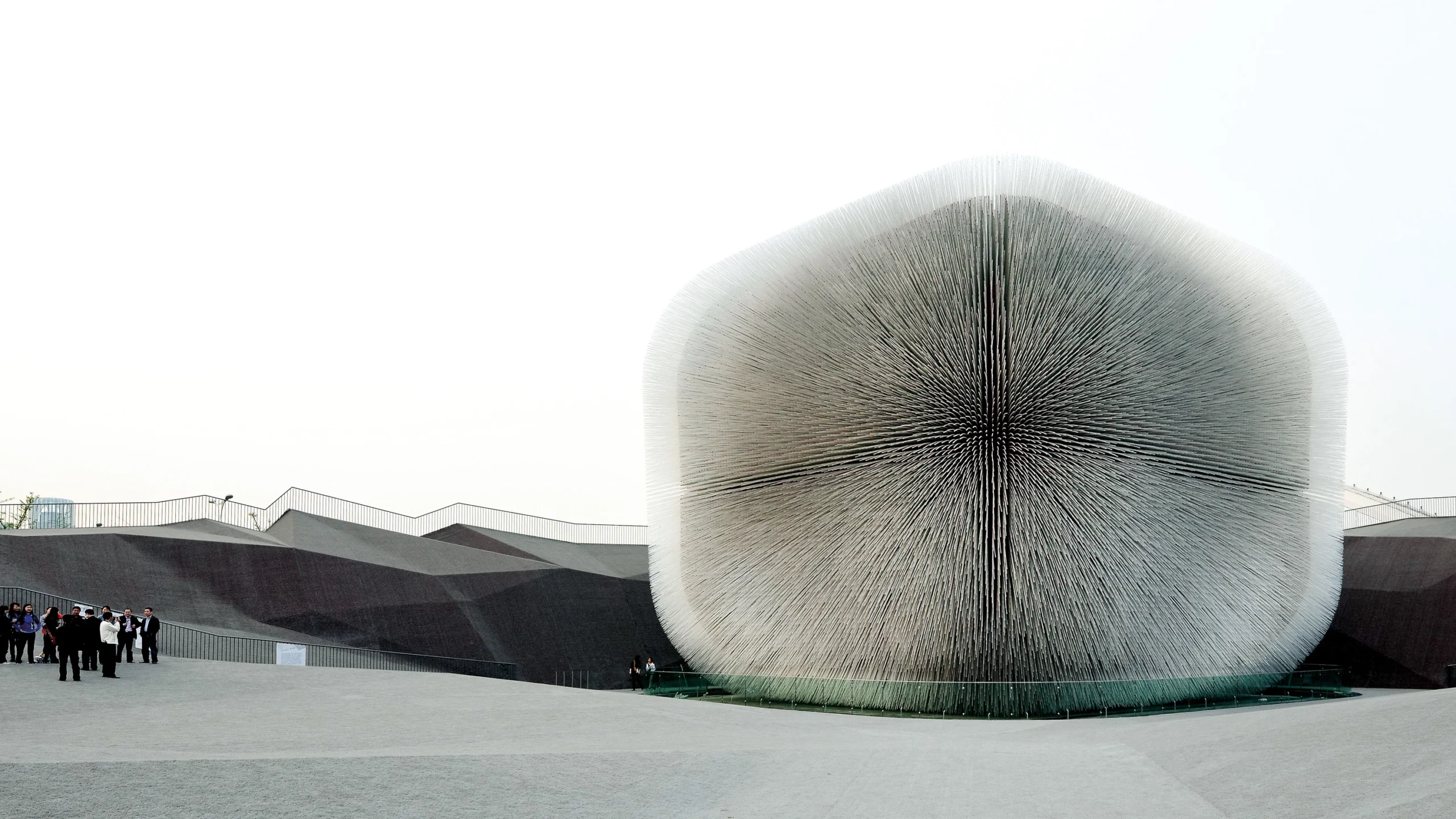
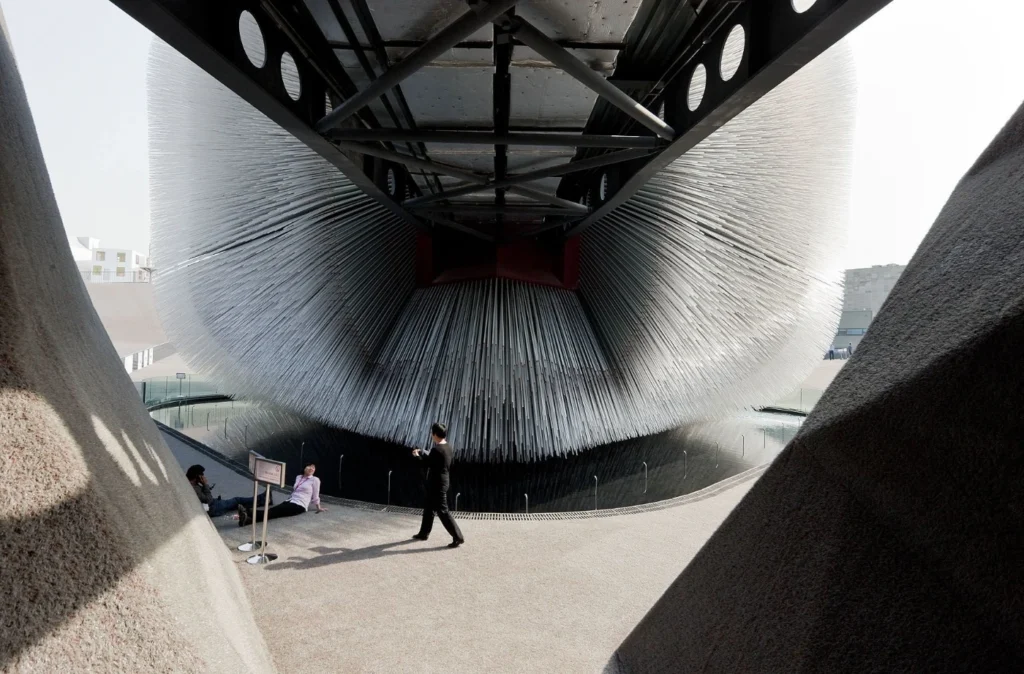
UK Pavilion, Shanghai Expo (2010)
From Art Basel to Design Miami: Cultural Pioneering
Art Basel and Design Miami consistently foster avant-garde collaborations between artists, architects, and luxury brands. Their pavilions illustrate new ways of engaging audiences with space, light, and tactility, often setting the agenda for broader conversations in hospitality and commercial architecture.
Edoardo Tresoldi’s Wireframe Cathedrals: These ethereal structures, though temporary, inform post-industrial restoration—celebrating transparency, texture, and poetic volumes in permanent museums and galleries.
Sou Fujimoto’s Cloud-like Interventions: His play with natural light and organic form has found echoes everywhere from high-end retail environments to spa and wellness architecture.
The dialogue between ephemeral installation and lasting design is undeniable: what is trialed in the fair context rapidly seeds permanent trends across markets.
Why Ephemeral Structures in Architecture Matter for the Future
Temporary pavilions transcend mere spectacle. As the world pivots toward ecological responsibility and adaptive flexibility, ephemeral structures in architecture offer solutions that permanent projects urgently require:
Circularity & Resource Stewardship: Pavilion designers are forerunners in modular, demountable systems and material upcycling—practices that are rewriting sustainability protocols for luxury real estate and public developments.
Digital Integration: Interactive environments debuted at fairs—blending augmented reality, responsive surfaces, and data-driven personalization—are now cornerstones of high-end residential and hospitality design.
Social Engagement & Community: Many fair pavilions are designed as social catalysts, their permeability and flexibility offering templates for future cultural and urban gathering spaces.
For architects and interior design professionals, observing this ephemeral landscape is essential intellectual groundwork for envisioning the next decade of meaningful, resonant, and future-proofed spaces.
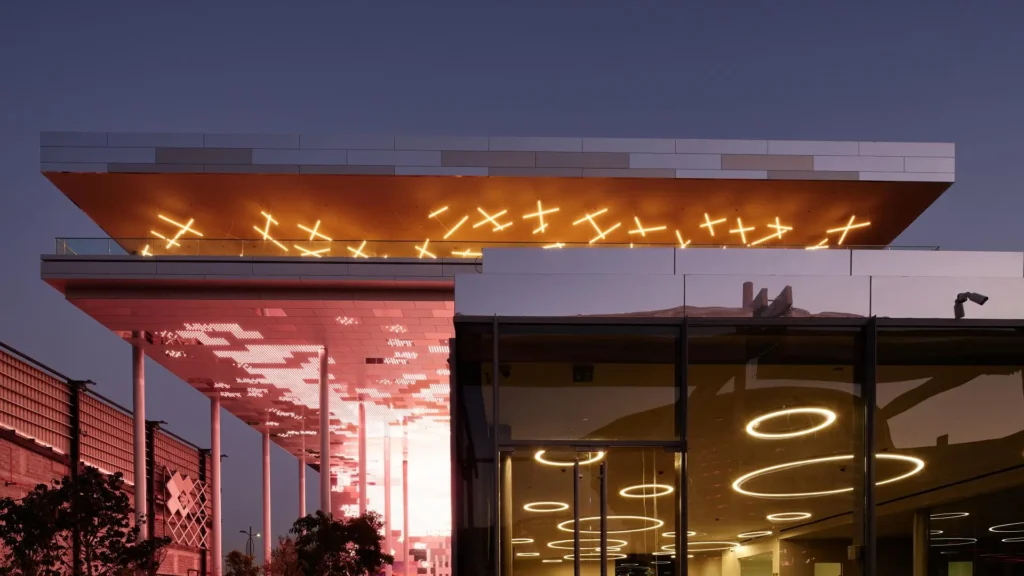
France Pavilion, Dubai Expo (2020)
Expo Pavilions: National Identity and Architectural Legacy
World Expos have long been touchstones for architectural ingenuity. Though intended as temporary showcases, Expo pavilions often wield an outsize influence on national and international design trajectories.
Iconic Expo Innovations
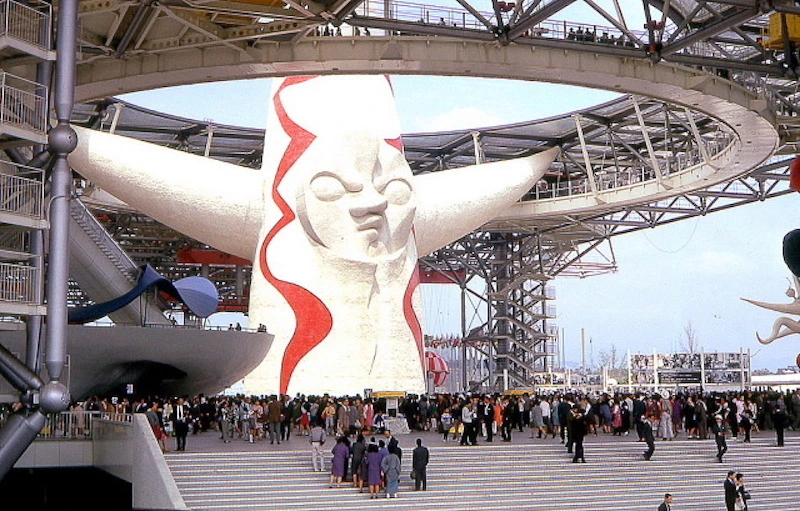
Japan’s Osaka Expo (1970): Kenzō Tange’s floating cities and flexible urban grids anticipated high-rise megastructures and smart-city planning now seen in global capitals.
UK Pavilion, Shanghai Expo (2010): Heatherwick Studio’s ‘Seed Cathedral’ introduced biophilic design on a monumental scale, contributing directly to the growing fusion of natural and built environments in luxury and public architecture.
France Pavilion, Dubai Expo (2020): Adaptable spatial strategies, energy self-sufficiency, and immersive art-driven environments have informed a new ethos in sustainable luxury developments.
The spirit of experimentation at Expos does not vanish with the dismantling of their pavilions—it lingers, reframed in lasting monuments, park structures, and boutique hospitality venues worldwide.
Materiality and Construction: Testing Grounds for New Possibilities
Material exploration is a hallmark of ephemeral structures in architecture. Within the permissive context of design fairs, boundaries are joyfully tested—often yielding breakouts that soon impact mainstream projects.
Pioneering Approaches Include:
Recycled and Bio-based Materials: From mycelium bricks at Milan to inflatable bioplastics at Design Miami, what starts as a temporary experiment can rapidly shift global material demand for both interiors and façades.
Advanced Prefabrication: Pavillions are often assembled off-site and craned into place, allowing rapid installation—informing new standards for sustainable construction and luxury prefabs.
Artisan Collaborations: Craftsmanship—woven fibers, artisanal ceramics, or site-specific joinery—first showcased at design fairs, reappears in permanent hospitality and residential projects seeking narrative-driven luxury.
Thus, ephemeral structures in architecture evolve from sandbox to signature.
Japan’s Osaka Expo (1970)
From Ephemeral Experience to Enduring Impact
The legacy of ephemeral design is multidimensional. Beyond the immediate thrill of discovery and dialogue, these temporary environments become reference points for the profession at large.
Accelerating Innovation Cycles: Ideas once isolated in theory gain traction through built, inhabited prototypes.
Demystifying Risk: The temporary frame mitigates both financial and reputational risk, allowing bold concepts to be trialed, refined, and then confidently integrated into major projects.
Educating the Eye: For the discerning, well-traveled, and curious—a fair pavilion is not just a spectacle but a site of ongoing architectural education.
Thus, every season of interior design fairs and expositions offers both an immediate bounty of inspiration and a profound wellspring of future practice.
Ephemerality as Enduring Influence
In a cultural landscape hungry for novelty yet rooted in heritage, the relationship between the ephemeral and permanent in architecture is one of creative symbiosis. As fair pavilions continue to test, provoke, and enchant on the world stage, their spatial and material innovations travel—subtly yet irresistibly—into our most cherished museums, estates, hotels, and private residences.
For the sophisticated connoisseur and visionary professional alike, paying heed to the evolving language of ephemeral structures in architecture at interior design fairs is not mere trendspotting—it is an investment in the timeless art of shaping spaces that inspire, endure, and define cultured living.
Luxury Mountain Resorts: 8 Exceptional Retreats Redefining the Modern Chalet
Manage Consent
To provide the best experiences, we use technologies like cookies to store and/or access device information. Consenting to these technologies will allow us to process data such as browsing behavior or unique IDs on this site. Not consenting or withdrawing consent, may adversely affect certain features and functions.
Functional
Always active
The technical storage or access is strictly necessary for the legitimate purpose of enabling the use of a specific service explicitly requested by the subscriber or user, or for the sole purpose of carrying out the transmission of a communication over an electronic communications network.
Preferences
The technical storage or access is necessary for the legitimate purpose of storing preferences that are not requested by the subscriber or user.
Statistics
The technical storage or access that is used exclusively for statistical purposes.The technical storage or access that is used exclusively for anonymous statistical purposes. Without a subpoena, voluntary compliance on the part of your Internet Service Provider, or additional records from a third party, information stored or retrieved for this purpose alone cannot usually be used to identify you.
Marketing
The technical storage or access is required to create user profiles to send advertising, or to track the user on a website or across several websites for similar marketing purposes.