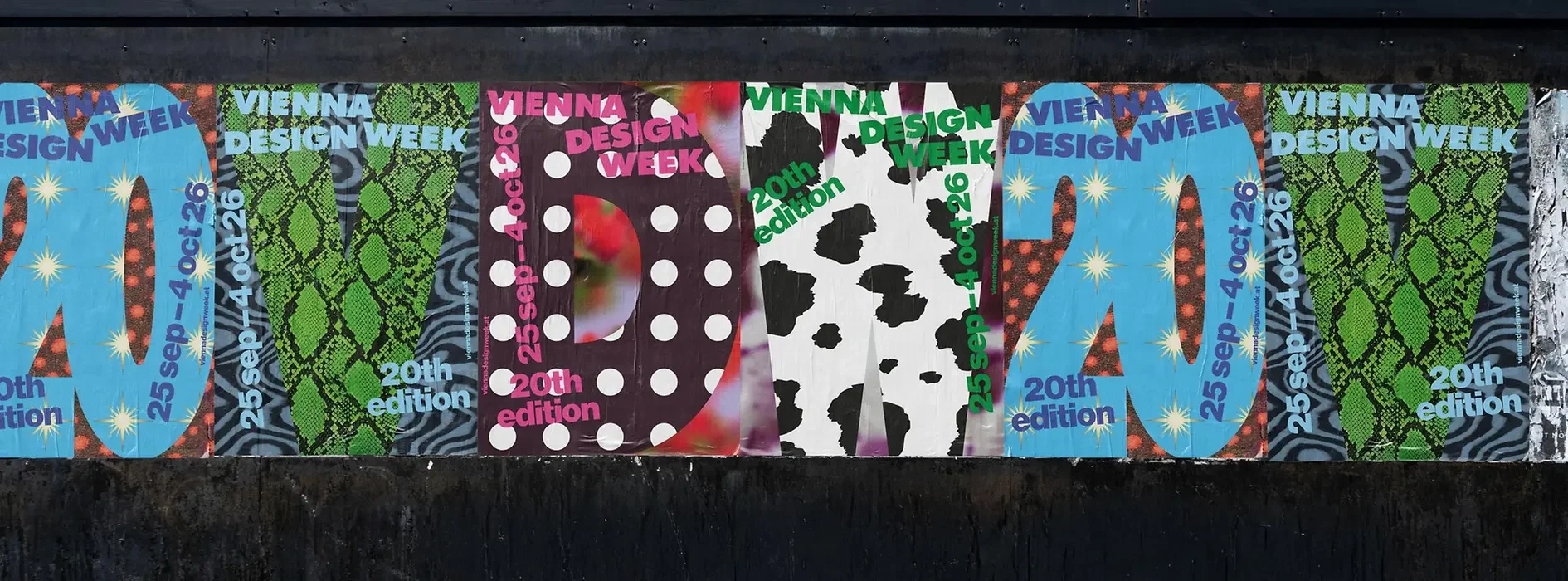
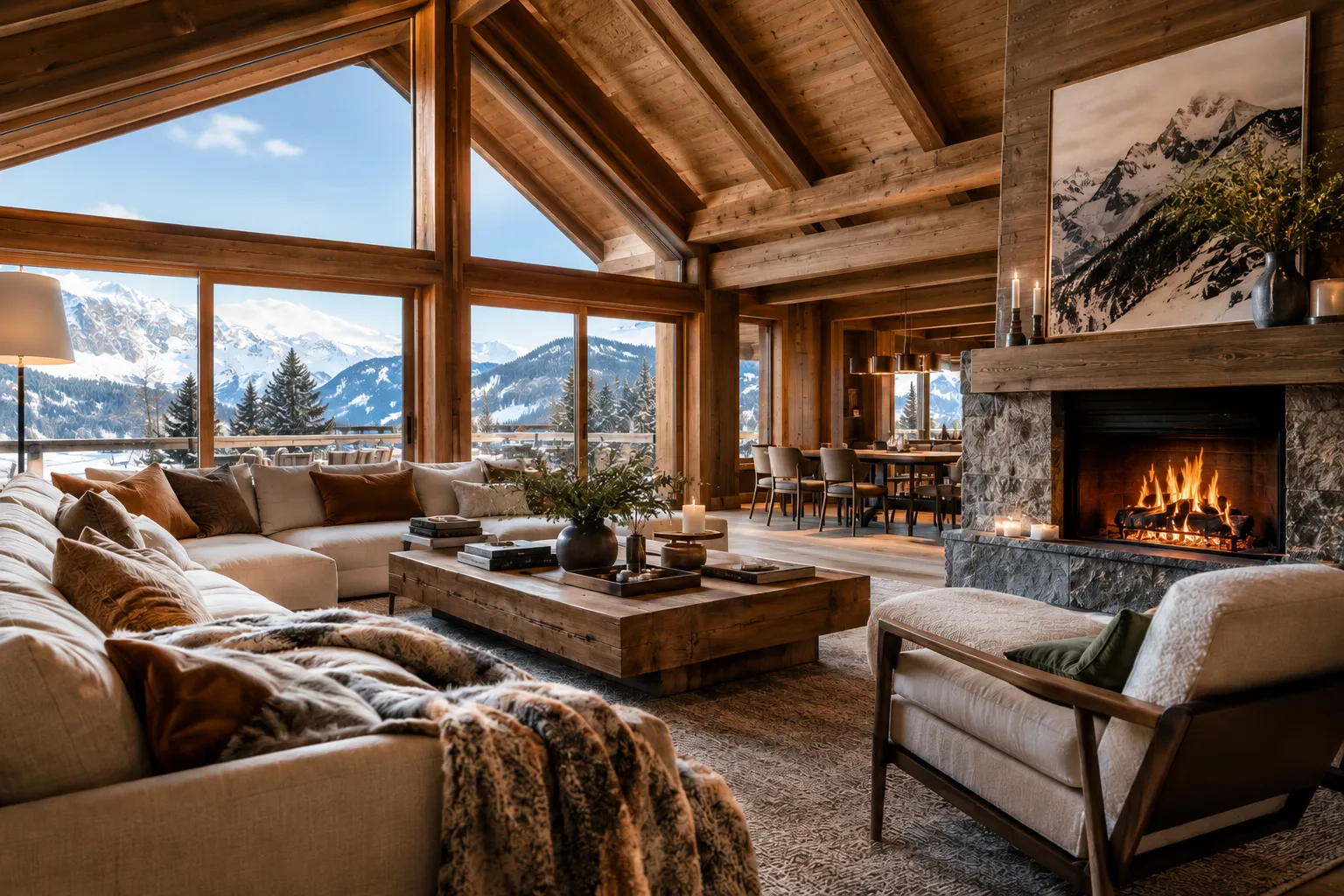
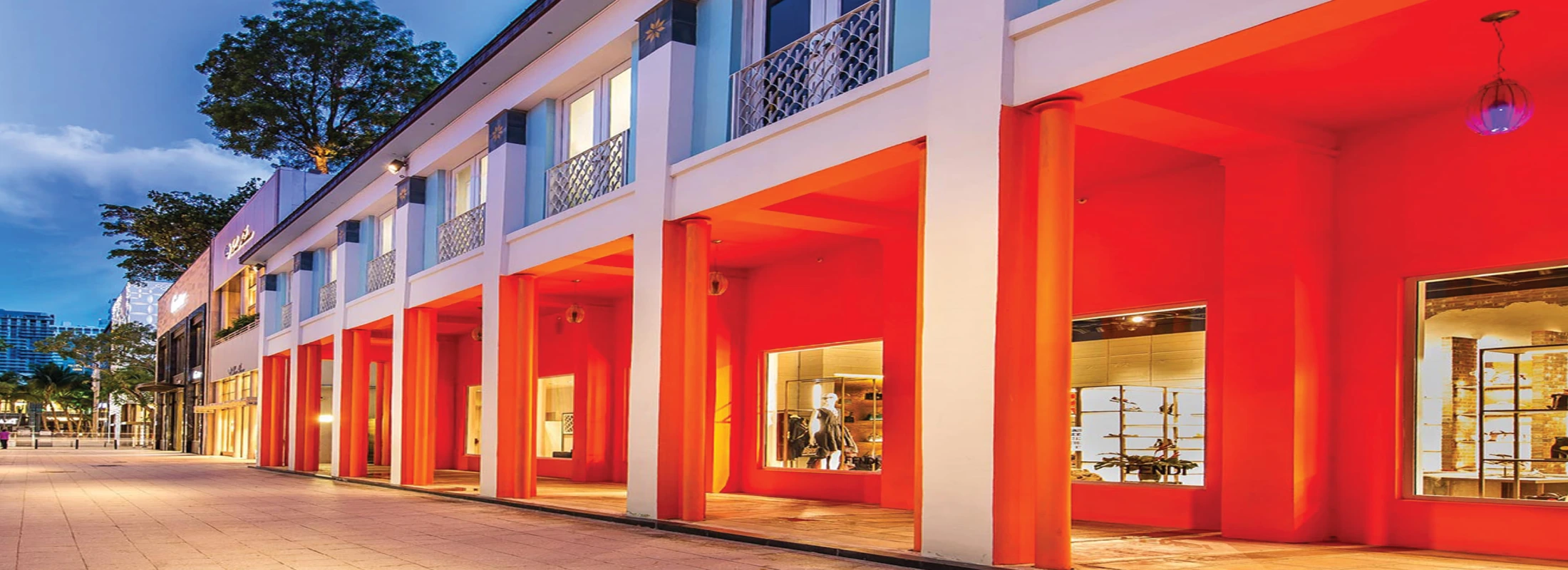
The Future of Design is permanently tied to how the international community protects creative intellectual property. Historically, major global design trade shows focused primarily on high-volume commercial manufacturing and mass-market distribution. Today, however, a new wave of craft-forward exhibitions is completely transforming the global cultural landscape. These specialized events prioritize raw material authenticity, slow design philosophies, and genuine artistic authorship. This conscious shift changes how collectors, architects, and high-end travelers view spatial design during their global journeys. Because these custom furniture pieces and bespoke architectural elements require immense research, they possess massive legal value. Therefore, craft-forward fairs have become the ultimate guardians of independent design rights worldwide.
The Rise of the Craft-Forward Movement
In the luxury hospitality and real estate markets, standard mass production has completely lost its commercial appeal. Affluent consumers and design-conscious travelers actively seek out spaces that offer a deep sense of cultural storytelling. For that reason, boutique resorts and elite galleries are heavily investing in authentic, handmade interior elements. This major industry evolution turns standard commercial venues into profound historical and artistic statements. Consequently, predicting the Future of Design requires a careful analysis of these niche, craft-focused international events. They provide the foundational creative aesthetic that will define luxury architecture for the next several decades.
Plagiarism Threats in a Connected World
However, the rapid globalization of digital design showcases introduces severe commercial risks for independent master craftsmen. High-end custom layouts and signature sculptural objects are constantly photographed, shared online, and cataloged by mass-builders. As a result, industrial manufacturing companies frequently copy these specialized artisanal shapes without obtaining proper legal authorization. This unauthorized replication completely dilutes the marketplace exclusivity that wealthy collectors expect from premium creators. Moreover, it directly damages the long-term professional reputation and financial security of the pioneering studio. Without immediate protective strategies, these highly specialized technical blueprints remain entirely vulnerable to fast-design exploitation.
Exhibitions as Legal Shields for Creators
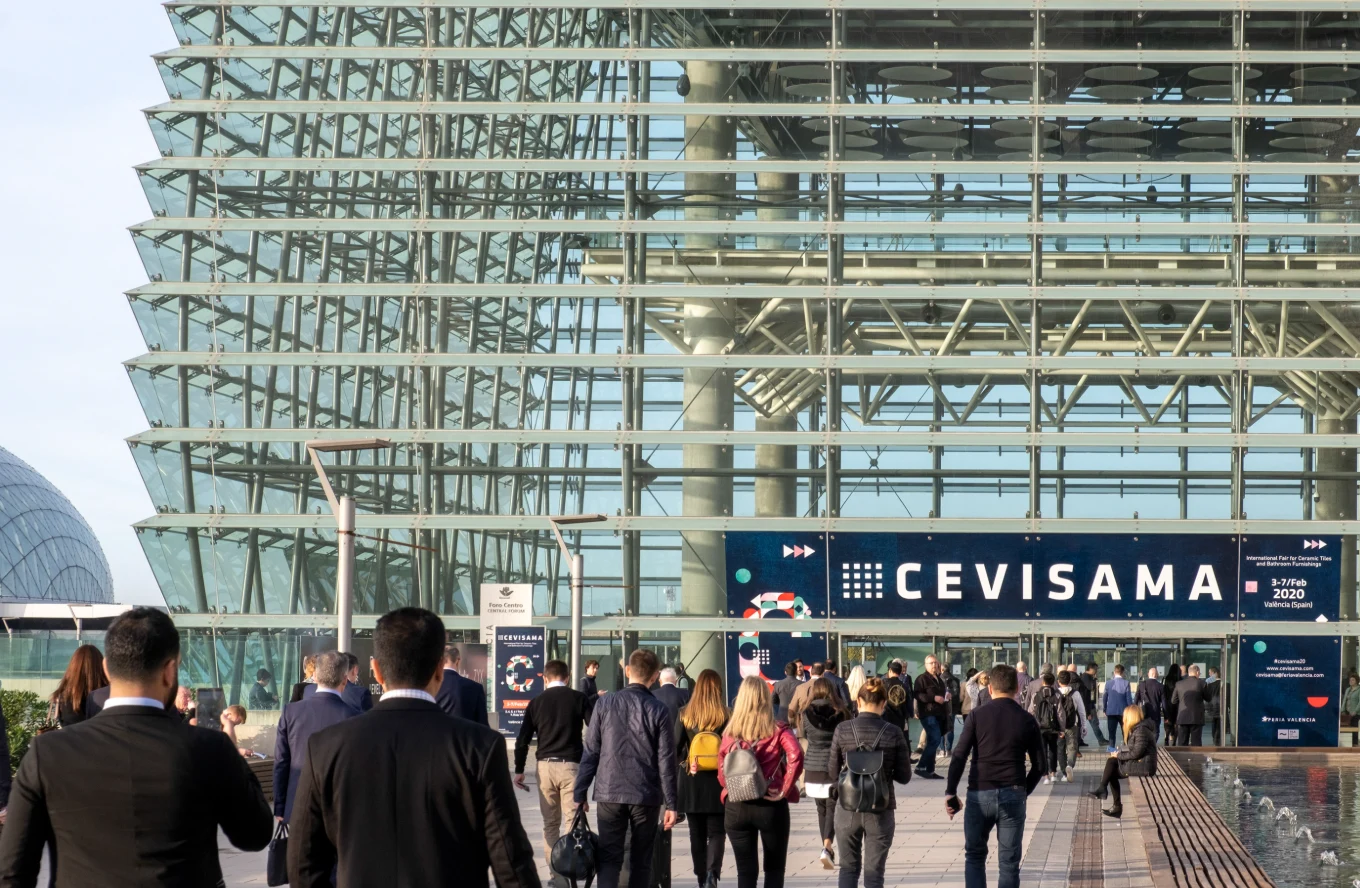
To combat this threat, modern craft-forward exhibitions are acting as powerful legal shields for independent authors. Leading international fairs no longer just rent booth space to participants. Instead, they actively implement strict copyright vetting processes and require certified proof of origin for every piece on display. This defensive structure ensures that mass producers cannot easily browse the exhibition floors to counterfeit original ideas. By creating a legally secure environment, these events allow visionary designers to debut their latest breakthroughs without fear. Ultimately, this protective framework guarantees that the Future of Design remains a safe space for genuine human innovation.
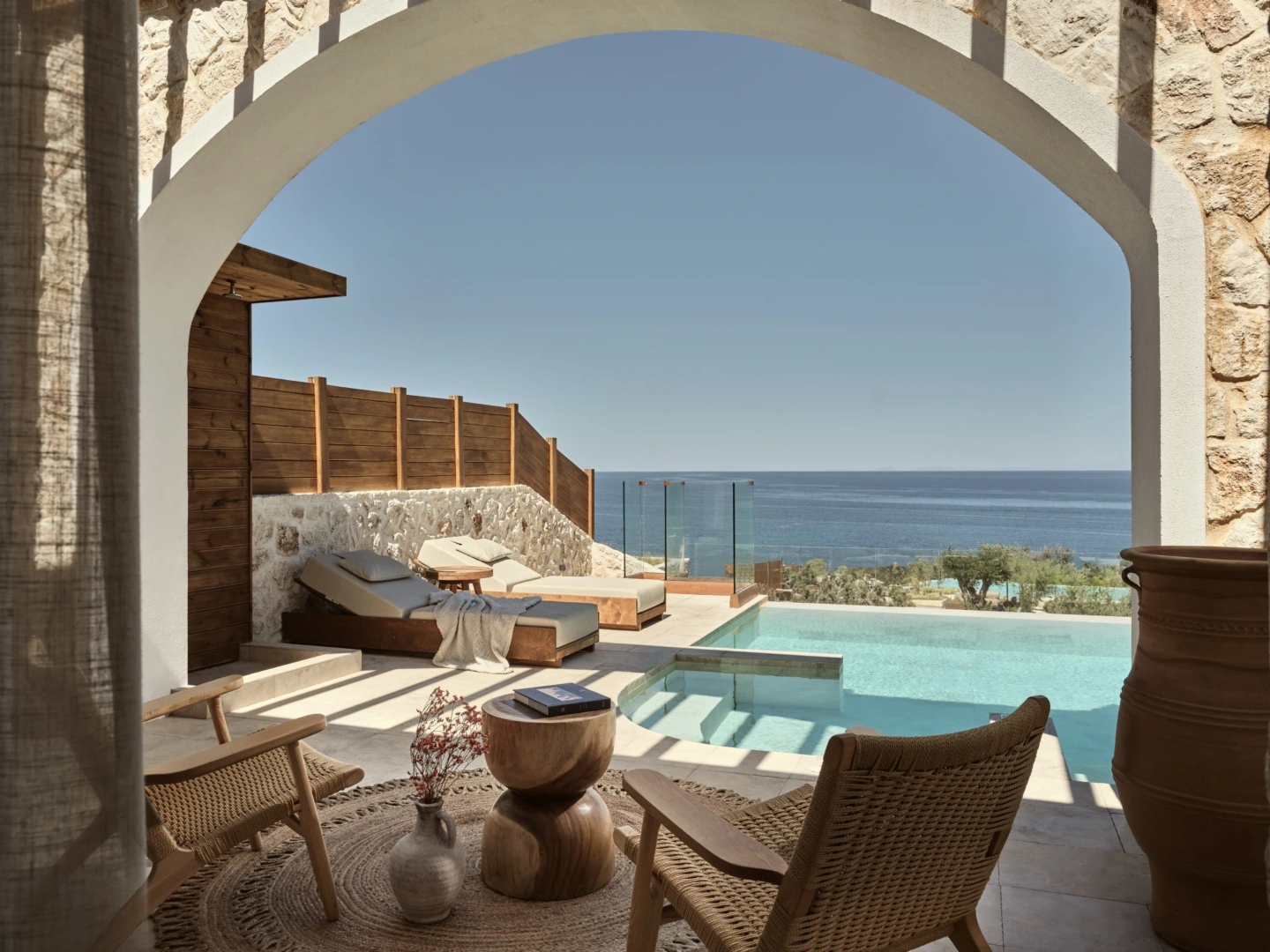
Empowering Artisans through Collective Intellectual Property
Providing local creative communities with structured access to intellectual property tools completely changes their market leverage. When an artisan collective registers their unique weaving methods, regional stone finishes, or geometric patterns, they gain immense commercial strength. This autonomy allows creators to license their work to elite global hospitality brands on their own strict terms. Therefore, they can secure fair royalties while successfully preventing the corporate misappropriation of their heritage. Legal protection successfully transforms vulnerable handmade traditions into resilient, legally enforceable business assets. This financial security allows historic craft routes to thrive in the modern commercial world.
Redefining the Modern Luxury Travel Experience
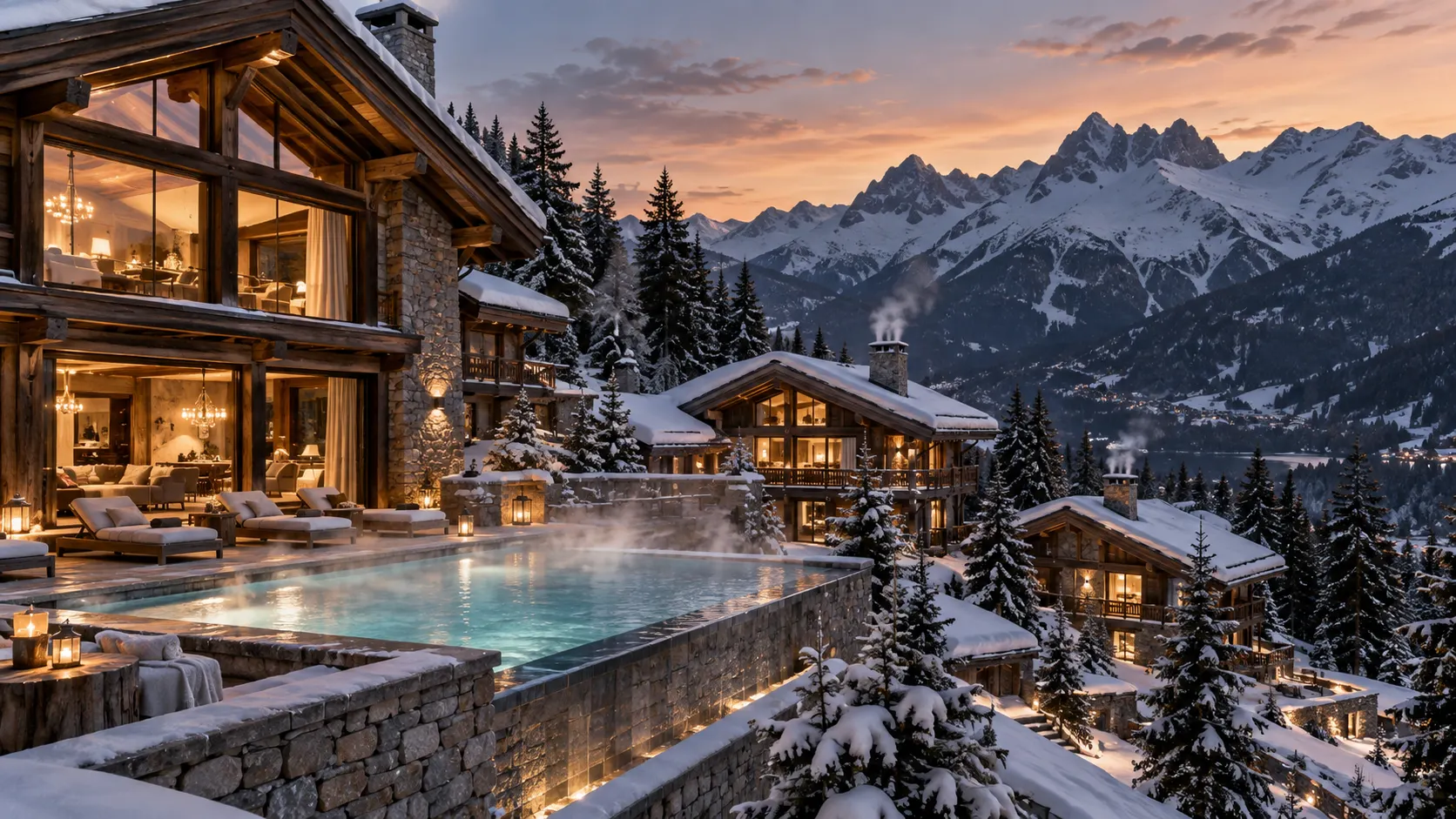
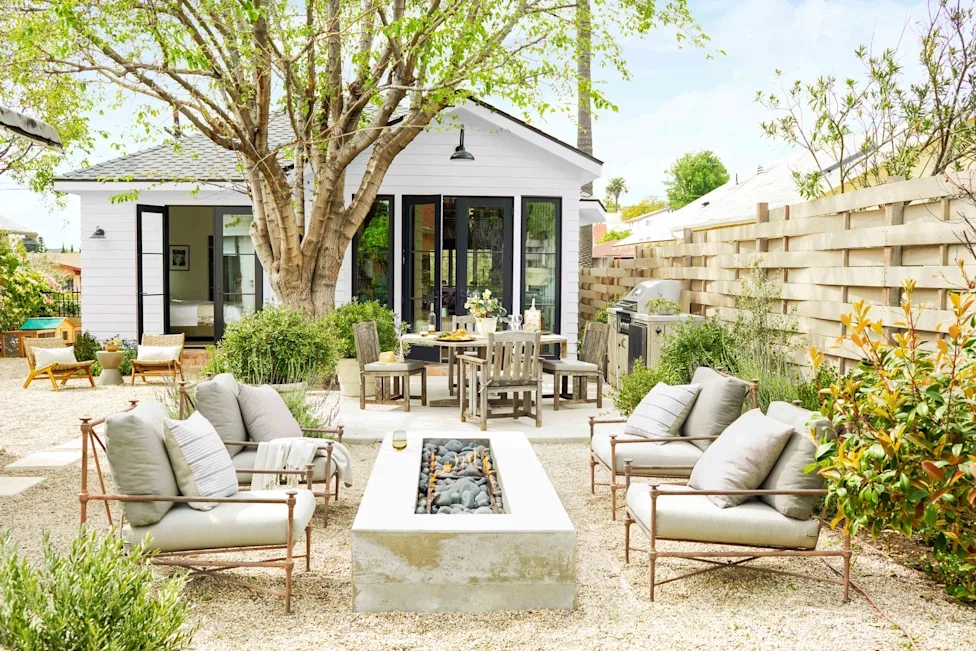
True design-focused travelers frequently plan their international itineraries around these exclusive, craft-forward cultural exhibitions. Consequently, five-star boutique accommodations often partner directly with these events, transforming their open-air terraces into private outdoor galleries. This curated approach allows international guests to live alongside museum-quality design breakthroughs during their global travels. Highlighting the legal protections and original authorship behind these pieces adds an elite layer of purpose to global exploration. Travelers are no longer just booking a room. Instead, they are actively participating in the preservation of global human craftsmanship.
Integrating Mediterranean Vision and Outdoor Architecture
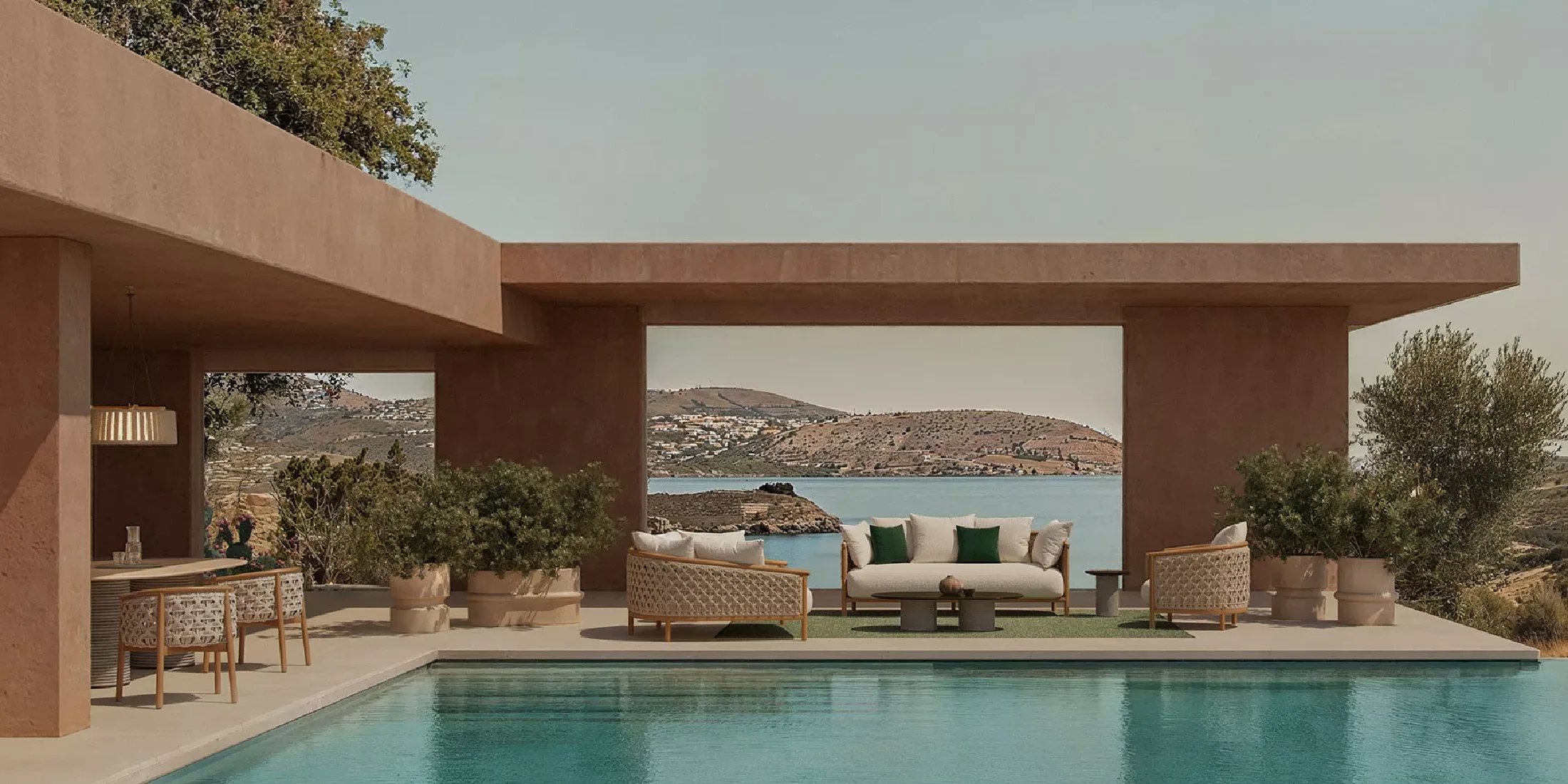
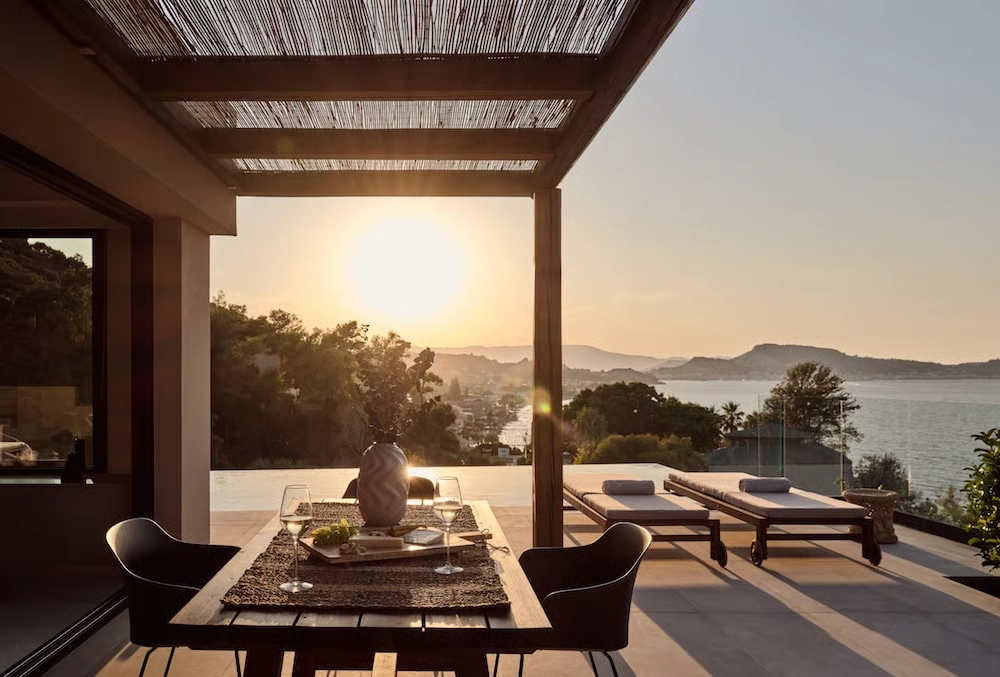
Bringing these protected artisanal concepts into premium coastal architecture requires a delicate balance between engineering and heritage. For instance, the Future of Design for waterfront estates relies heavily on integrating custom stonework with sleek, modern pergolas. Designers must collaborate with regional master craftsmen as equal creative partners, respecting historic building methodologies. This collaborative approach allows contemporary seaside structures to evolve naturally without destroying the cultural fabric of the coast. Consequently, spaces adopt advanced sustainable technologies without losing their grounding, human-centric essence. When protected by clear copyright agreements, these hybrid construction methods become invaluable assets.
Sustaining the Global Slow Aesthetics Movement
The legal preservation of unique public and private environments is deeply connected to the rise of slow aesthetics. This global movement champions environmental sustainability, low-impact construction, and the absolute protection of natural regional materials. By investing in properties designed specifically to endure for generations, affluent buyers actively support environmental preservation. This conscious choice reduces industrial waste. Furthermore, it establishes a more meaningful, permanent connection with our domestic and urban surroundings. Legal protections guarantee that creating these deep architectural sanctuaries remains a highly respected and profitable career path for future generations.
Conclusion: Securing the Legacy of Creative Authorship
In conclusion, treating the design of our living environments as a protected intellectual asset is essential for our shared future. When intellectual property laws and strict exhibition frameworks shield the Future of Design, they secure the survival of creative visionaries.
Concurrently, they maintain a high standard of design authenticity within the international real estate and travel markets. Prioritizing legal safety allows the luxury design industry to push creative boundaries ethically and with absolute confidence. Ultimately, defending the rights of the spatial author ensures that our cities and hospitality destinations will continue to inspire, protect, and connect us for centuries to come.