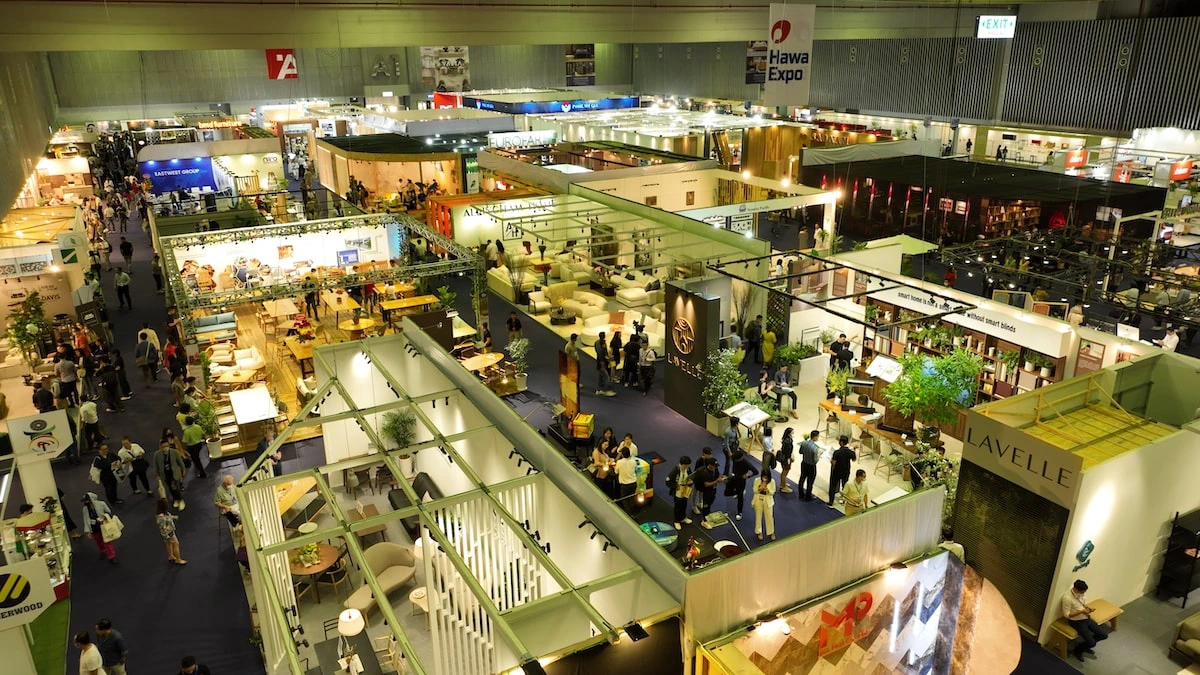
In an era defined by rapid industrialization and digital fabrication, craft-based design is experiencing a powerful resurgence. At the center of this movement are Trade Shows, which have evolved into global platforms that celebrate heritage, innovation, and material intelligence. For interior designers, furniture brands, architects, and luxury design studios, these events do more than showcase products—they shape the direction of design itself.
The Rise of Craft in a Globalized Design Economy
Craft-based design has shifted from niche appreciation to mainstream relevance. Designers increasingly seek authenticity, tactile richness, and cultural narrative—qualities that handcrafted work naturally embodies. At the same time, clients demand uniqueness and sustainability, pushing studios to explore artisanal processes and localized production.
This shift has amplified the importance of Trade Shows as curatorial spaces where craftsmanship meets contemporary design thinking. These events connect designers with artisans, manufacturers, and material innovators from around the world, enabling a cross-pollination of ideas that would otherwise remain geographically isolated.
Trade Shows as Catalysts for Innovation
Modern Trade Shows no longer function as static exhibitions. Instead, they act as dynamic ecosystems where experimentation thrives. Designers encounter emerging techniques such as advanced woodworking, handwoven composites, and hybrid fabrication methods that merge digital tools with traditional skills.
For example, many exhibitions now highlight collaborations between artisans and technology experts. These partnerships demonstrate how craft can scale without losing its identity. Furniture brands benefit from this approach by integrating handcrafted elements into larger production lines, creating pieces that feel both exclusive and accessible.
Trade Shows also provide a testing ground for new concepts. Designers can present prototypes, gather feedback, and refine their ideas before entering broader markets. This immediate interaction accelerates innovation and reduces the gap between concept and production.
Material Exploration and Sustainability
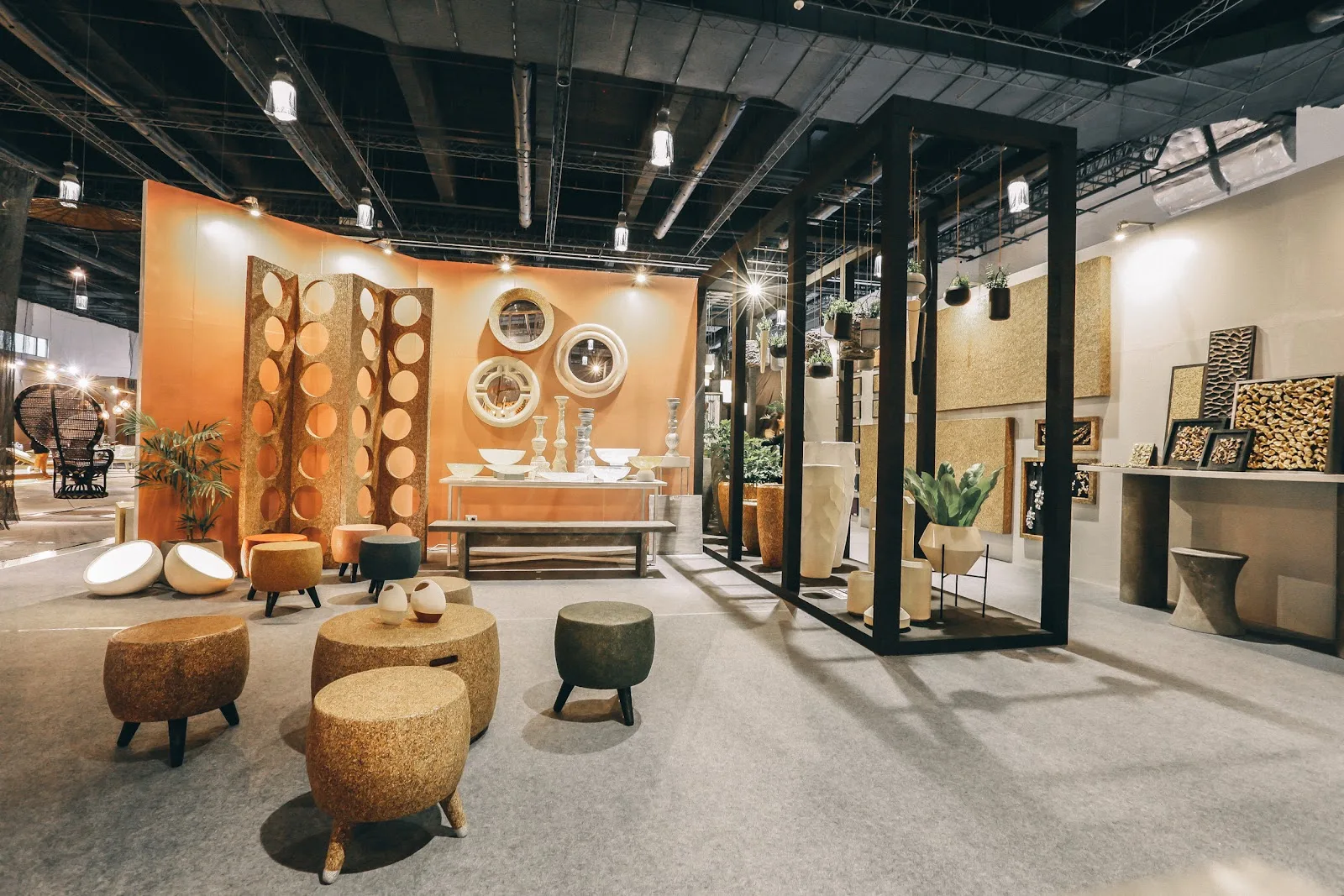
Materiality sits at the core of craft-based design, and Trade Shows play a crucial role in advancing this conversation. Exhibitors increasingly focus on natural, recycled, and regionally sourced materials. From responsibly harvested timber to bio-based textiles and stone composites, the emphasis lies on both aesthetics and environmental impact.
For architects and interior designers, these events offer direct access to suppliers who prioritize transparency and sustainability. Instead of relying on catalogs, professionals can physically experience materials, understand their properties, and evaluate their suitability for high-end projects.
This tactile engagement proves especially valuable in luxury design, where material authenticity often defines the overall experience of a space. Trade Shows enable designers to source distinctive finishes that elevate projects beyond standardized solutions.
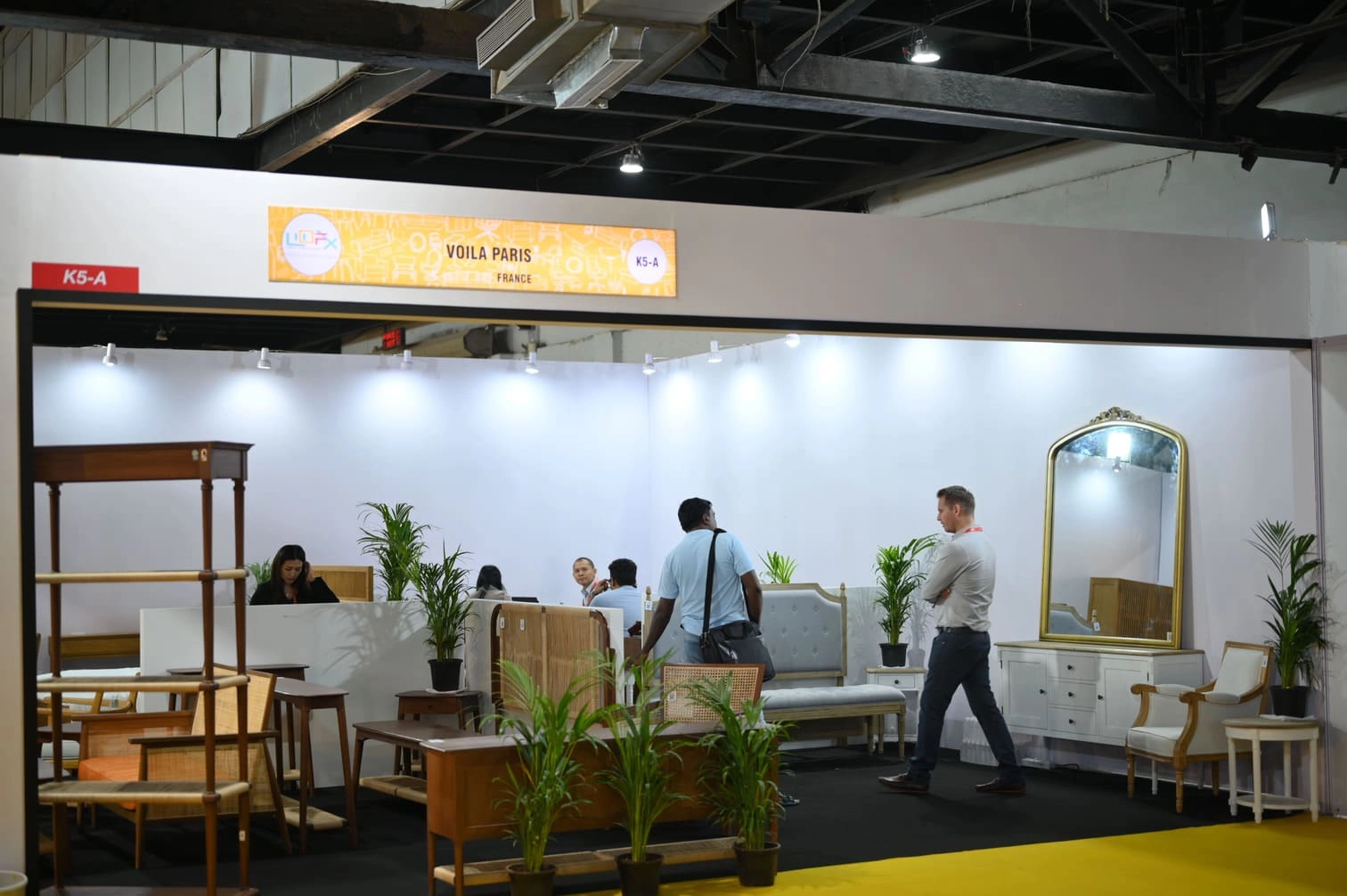
Cultural Exchange and Global Influence
One of the most compelling aspects of Trade Shows is their ability to facilitate cultural exchange. Designers encounter craftsmanship rooted in diverse traditions—Japanese joinery, Scandinavian minimalism, African weaving techniques, and Mediterranean stonework, among others.
These influences do not remain isolated. Instead, they blend into new design languages that reflect a global perspective. Furniture brands and design studios can reinterpret traditional methods within contemporary contexts, creating products that resonate across markets.
This cultural dialogue also strengthens storytelling, which has become a critical component of luxury design. Clients increasingly value the narrative behind a piece—who made it, how it was crafted, and what it represents. Trade Shows provide the context and connections needed to build these stories authentically.
Networking and Strategic Partnerships
Beyond exhibitions, Trade Shows serve as powerful networking hubs. Designers, manufacturers, and suppliers gather in one place, creating opportunities for meaningful collaborations. For furniture brands, this environment allows direct engagement with potential distributors, retailers, and project partners.
Architects and interior designers benefit from meeting craftspeople who can execute bespoke elements for complex projects. These relationships often extend beyond the event itself, leading to long-term partnerships that enhance creative capabilities.
Moreover, Trade Shows attract media attention and industry influencers, offering visibility that can elevate a brand’s profile. A well-curated presentation can position a studio or designer as a leader in craft-based innovation.
The Role of Curation in Shaping Trends
Curation has become a defining feature of leading Trade Shows. Organizers carefully select exhibitors to reflect emerging trends and highlight excellence in craftsmanship. This approach ensures that visitors encounter a cohesive narrative rather than a fragmented display of products.
Trend forecasting often begins at these events. Designers observe recurring themes—such as a renewed focus on hand-carved details, organic forms, or raw finishes—and incorporate them into their own work. As a result, Trade Shows influence not only what gets produced but also how design evolves globally.
For luxury studios, staying ahead of these trends proves essential. Attending key Trade Shows provides early insight into shifts in taste, allowing designers to anticipate client expectations and remain competitive.
Digital Integration and Hybrid Experiences
While physical interaction remains central, Trade Shows increasingly integrate digital tools to enhance accessibility and engagement. Virtual tours, augmented reality displays, and online catalogs extend the reach of these events beyond geographic boundaries.
This hybrid approach benefits global audiences who may not attend in person. Designers can explore collections, connect with exhibitors, and gather inspiration remotely. At the same time, physical attendance retains its value through sensory experiences that digital platforms cannot fully replicate.
For brands, combining physical and digital presence maximizes exposure and ensures that their work reaches a broader audience. This dual strategy has become essential in a competitive design landscape.
Craft-Based Design as a Competitive Advantage
As the design industry becomes more saturated, differentiation grows increasingly important. Craft-based design offers a distinct advantage by emphasizing individuality, quality, and authenticity. Trade Shows amplify this advantage by providing a stage where these qualities can shine.
Furniture brands that invest in craftsmanship often command higher value and stronger brand loyalty. Architects and interior designers who incorporate artisanal elements into their projects create spaces that feel curated and timeless. Trade Shows support these outcomes by connecting professionals with the resources and inspiration needed to excel.
Looking Ahead: The Future of Trade Shows in Design
The future of Trade Shows lies in their ability to adapt while preserving their core purpose. As sustainability, technology, and cultural awareness continue to shape the industry, these events will evolve to reflect new priorities.
We can expect greater emphasis on circular design, material innovation, and ethical production. At the same time, the celebration of craftsmanship will remain central, as designers seek to balance progress with tradition.
For professionals in interior design, furniture manufacturing, and architecture, engaging with Trade Shows is no longer optional—it is essential. These events provide the insights, connections, and inspiration needed to navigate a rapidly changing design landscape.
Where to Display Design Furniture for Everyone
Trade Shows have become indispensable drivers of craft-based design on a global scale. They foster innovation, encourage material exploration, and facilitate cultural exchange, all while connecting industry leaders with emerging talent.
For designers, architects, and luxury studios, these events offer more than inspiration—they provide a strategic advantage. By engaging with Trade Shows, professionals can stay ahead of trends, build meaningful partnerships, and shape the future of design through craftsmanship.