In a shifting era defined by the synergy of artistry, innovation, and sustainability, international design fairs have steadily evolved beyond exhibition spaces into veritable laboratories for experimental design. Far from mere showcases of the commercial and the chic, these influential gatherings serve as crucibles for radical design installations that explore the very boundaries of materiality, digital interaction, and narrative in the built environment. Within this context, the future of luxury interiors is being crystallized at the intersection of conceptual daring and technical mastery—a crucible where tomorrow’s iconic spaces are first dreamt and sketched before materializing in the world’s most coveted residences.
The Rise of Design Fairs as Experimental Incubators
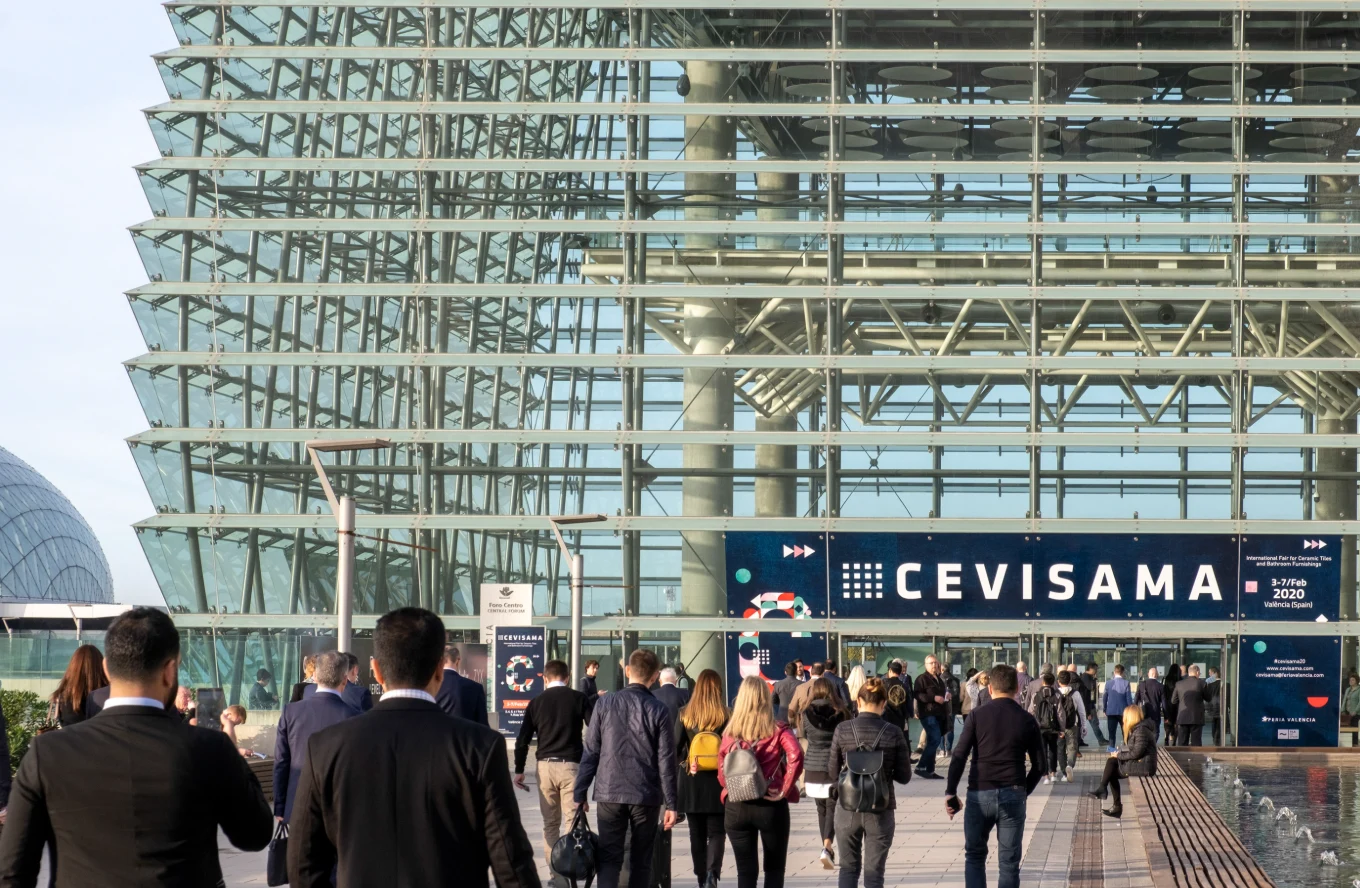
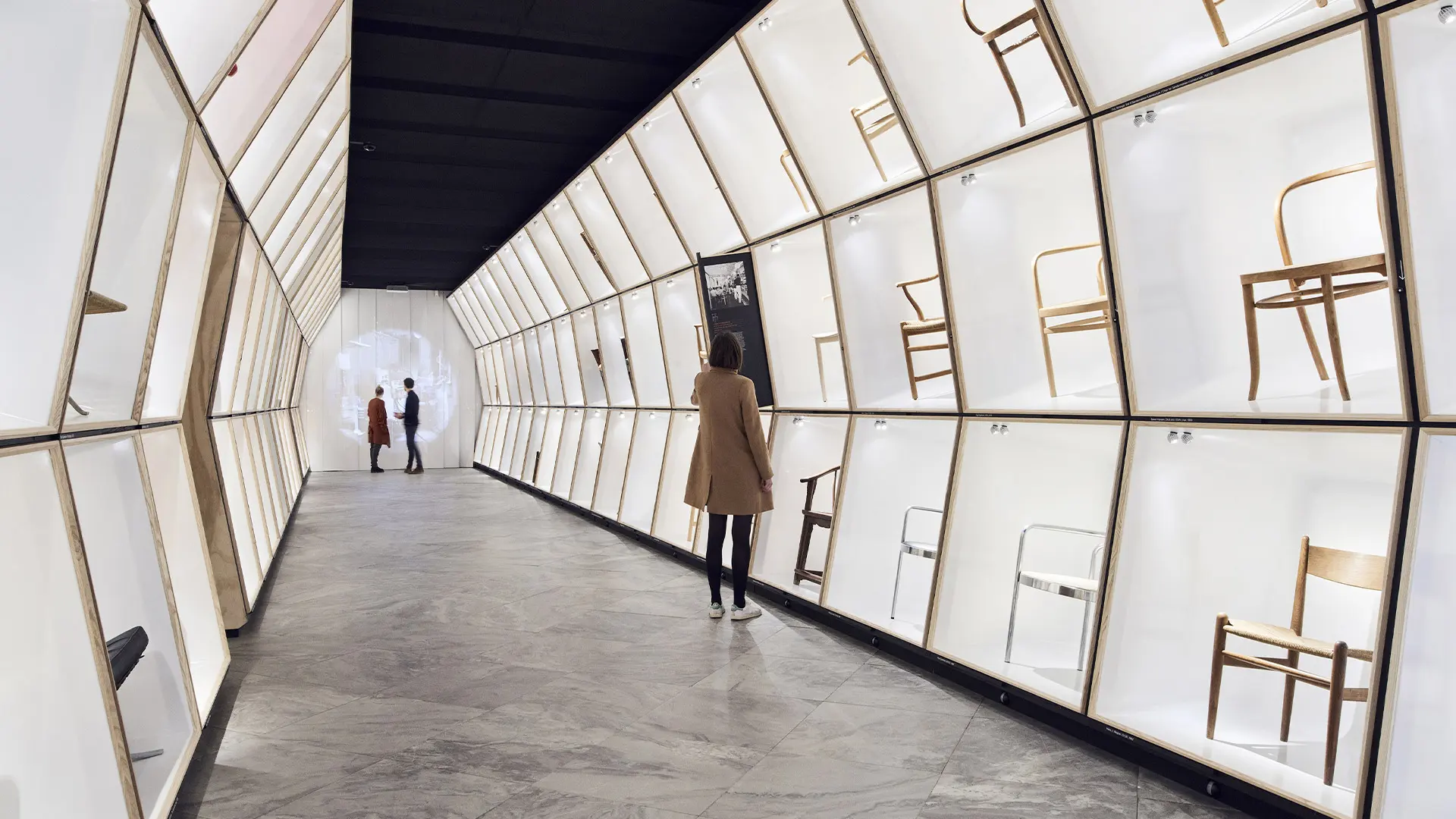
For decades, events such as Salone del Mobile in Milan, Maison & Objet in Paris, and Design Miami have provided fertile ground for the debut of advancing aesthetics and technology. Today, these fairs have transformed into what can be best described as future labs—ideation platforms where emerging designers, heritage brands, and avant-garde studios unveil radical installations that prompt both critical discourse and wide-eyed fascination.
Understanding this phenomenon is vital for international architects, interior designers, real estate professionals, and cultural tastemakers, as the concepts launched within these hallowed halls invariably ripple outward—reshaping client expectations and informing the evolution of the contemporary home.
Experimental Design: The Creative Vanguard
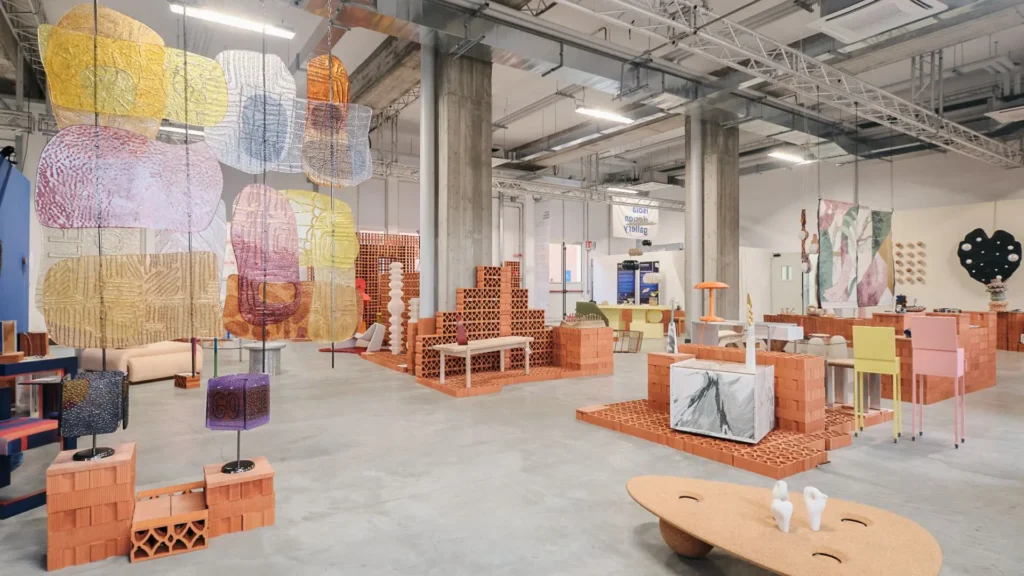
At the heart of each major fair stands a dazzling array of experimental design. Here, designers employ unexpected materials, modular structures, and interactive technologies not as novelties but as provocations. These works spark conversations about sustainability, well-being, digital augmentation, and multisensorial luxury, setting the thematic agenda for the future of luxury interiors.
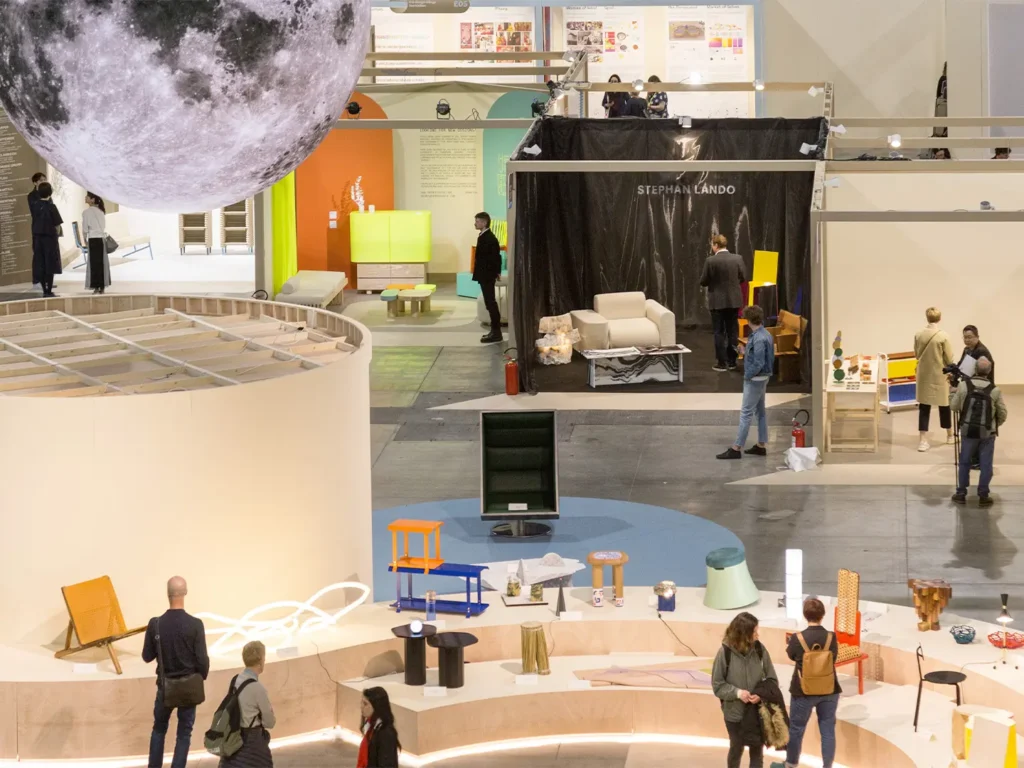
What Defines Experimental Design at Fairs?
- Material Innovation: The exploration of recycled composites, bio-based resins, and surprising natural textures reimagines what luxury feels like—blurring the boundary between tradition and invention.
- Sensory Immersion: Installations now engage not only the eye, but also sound, touch, scent, and even taste—crafting narratives that are fully embodied and far beyond the visual spectacle.
- Tech-Integrated Environments: Artificial intelligence, responsive lighting, and AR/VR platforms are re-envisioning what spatial interaction can mean within luxury interiors.
- Cultural Storytelling: Designs tell stories of place, heritage, and social commentary, with each installation providing a lens on global cultural currents and individual identity.
Defining Installations: Where Tomorrow’s Luxury Interiors Begin
Consider the most lauded design installations from recent fairs. These immersive environments—whether the ephemeral house built from translucent onyx at Milan Design Week, or the digitally generative tapestry rooms at London Design Festival—function as prototypes for the future of luxury interiors. They prompt architects and property developers to imagine living spaces not as static environments, but as adaptable, emotionally resonant ecosystems.
Recent Breakthroughs in Design Installations
- Salone Satellite Milan: Here, emergent talents debuted biophilic micro-architectures, suggesting how luxury homes will evolve to dissolve barriers between interior and nature, intensifying wellbeing through plant-integrated, air-purifying spatial design.
- Design Miami/: Galleries like Friedman Benda introduced modular, AI-crafted seating inspired by fluid dynamics—heralding a future in which furniture is dynamically shaped to each user’s wellness needs and preferences.
- Maison & Objet Paris: Scent-driven environments pioneered by international perfumers and product designers showcased aromatic curation as the next layer of luxury interior personalization.
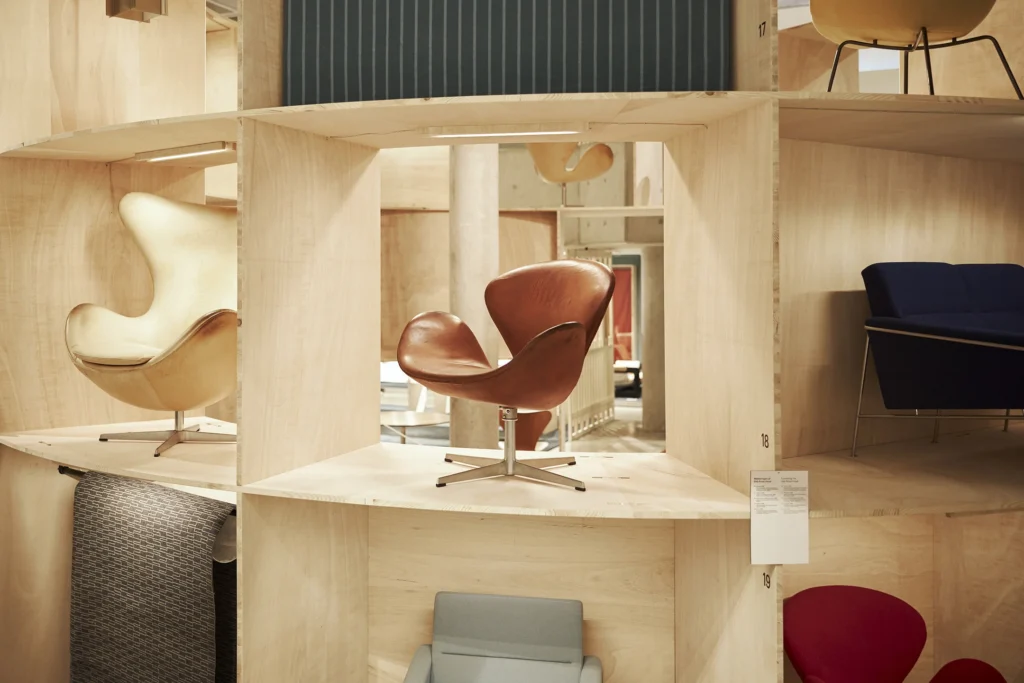
The Resonance: How Experimental Design Filters into Real Living
While these installations often seem fantastical in the moment, their ideas rapidly permeate the mainstream, influencing residential and hospitality projects globally. Leading interior designers and real estate visionaries draw on the language of these concept spaces, translating the narrative power of light, form, and material into wholly bespoke luxury dwellings and select resorts.
The Pathway from Fair to Home
- Conceptual Prototyping at fairs provides inspirational blueprints for high-net-worth clientele and progressive developers.
- Material Breakthroughs tested in installations often inform sourcing decisions for sustainable, artisanal finishes in luxury interiors.
- Immersive Storytelling pioneered in fair environments inspires designers to craft interiors that evoke emotion, memory, and a deeper connection to place.
- Technological Integration evaluated in interactive pavilions redefines what residents expect in terms of comfort, control, and multisensorial experience at home.
Influence on Real Estate and Client Expectations
For the luxury real estate sector, the steady dissemination of experimental design from fairs heightens the competitive standard. High-end buyers and investors, attuned to the vanguard of innovation, increasingly seek homes and commercial projects that reflect not only prestige but a forward-thinking, artistic sensibility. As a result, bespoke design installations shift from inspiration to expectation, scaling the ambitions of developers and the aspirations of property owners.