Inside London Design Festival: Craft, Design and Innovation

London Design Festival

Every September, London transforms into a global stage for creativity, drawing designers, architects, and brands from every corner of the industry. The London Design Festival stands as one of the most influential events in the international design calendar, offering a dynamic mix of craft, cutting-edge innovation, and forward-thinking installations. For interior designers, furniture brands, and architectural studios, it’s more than a showcase—it’s a pulse check on where design is heading next.

A Citywide Celebration of Design

Unlike traditional trade fairs confined to a single venue, the London Design Festival unfolds across the entire city. Key design districts such as Shoreditch, Clerkenwell, and Kensington become immersive environments where galleries, studios, and showrooms collaborate to present curated exhibitions and installations.

This decentralized format encourages exploration. Designers move from historic buildings to contemporary spaces, experiencing how design interacts with London’s architectural heritage. The result is a layered narrative where past and future coexist—a theme that resonates strongly with today’s design ethos.

Craftsmanship Reimagined

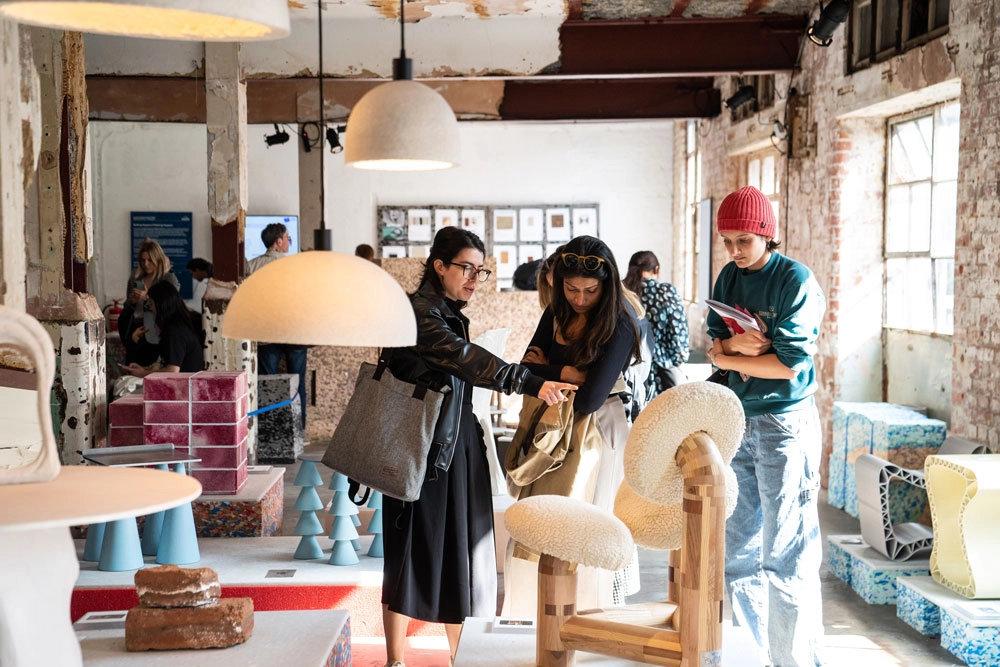
Craft plays a central role in the festival, but it rarely appears in its traditional form. Instead, designers reinterpret artisanal techniques through a modern lens. Woodworking, ceramics, metal fabrication, and textiles often merge with advanced technologies, creating hybrid pieces that feel both tactile and innovative.

Many installations highlight the value of slow design—objects made with intention, longevity, and material integrity. This approach appeals strongly to luxury interior designers and high-end furniture brands seeking to differentiate through authenticity and narrative.

At the same time, emerging designers challenge conventional craftsmanship by integrating unexpected materials or processes. Recycled composites, bio-based materials, and digitally fabricated components appear alongside hand-finished details, redefining what “craft” means in a contemporary context.

Material Innovation Driving the Industry

Material exploration remains one of the most compelling aspects of the London Design Festival. Across exhibitions, designers push boundaries with sustainable and experimental materials that respond to environmental concerns without compromising aesthetics.

Biodegradable plastics, mycelium-based structures, and low-carbon concrete alternatives feature prominently. These materials are not presented as concepts alone; many appear in fully realized furniture pieces, architectural prototypes, and interior applications.

For architects and specifiers, this offers valuable insight into materials that are not only visually striking but also viable for commercial and residential projects. The festival becomes a testing ground where innovation meets real-world application.
London Design Festival

Furniture Design: Sculptural Meets Functional

Furniture showcased during the festival often blurs the line between art and utility. Designers increasingly treat furniture as sculptural objects, focusing on form, proportion, and spatial presence.

Curved silhouettes, monolithic forms, and modular systems dominate many collections. At the same time, functionality remains essential. Pieces adapt to flexible living environments, responding to the evolving needs of urban spaces.

Luxury furniture brands attending the festival often use it as a platform to debut limited editions or experimental collections. These pieces set the tone for future product lines, influencing global trends in both residential and hospitality design.

Immersive Installations and Public Engagement

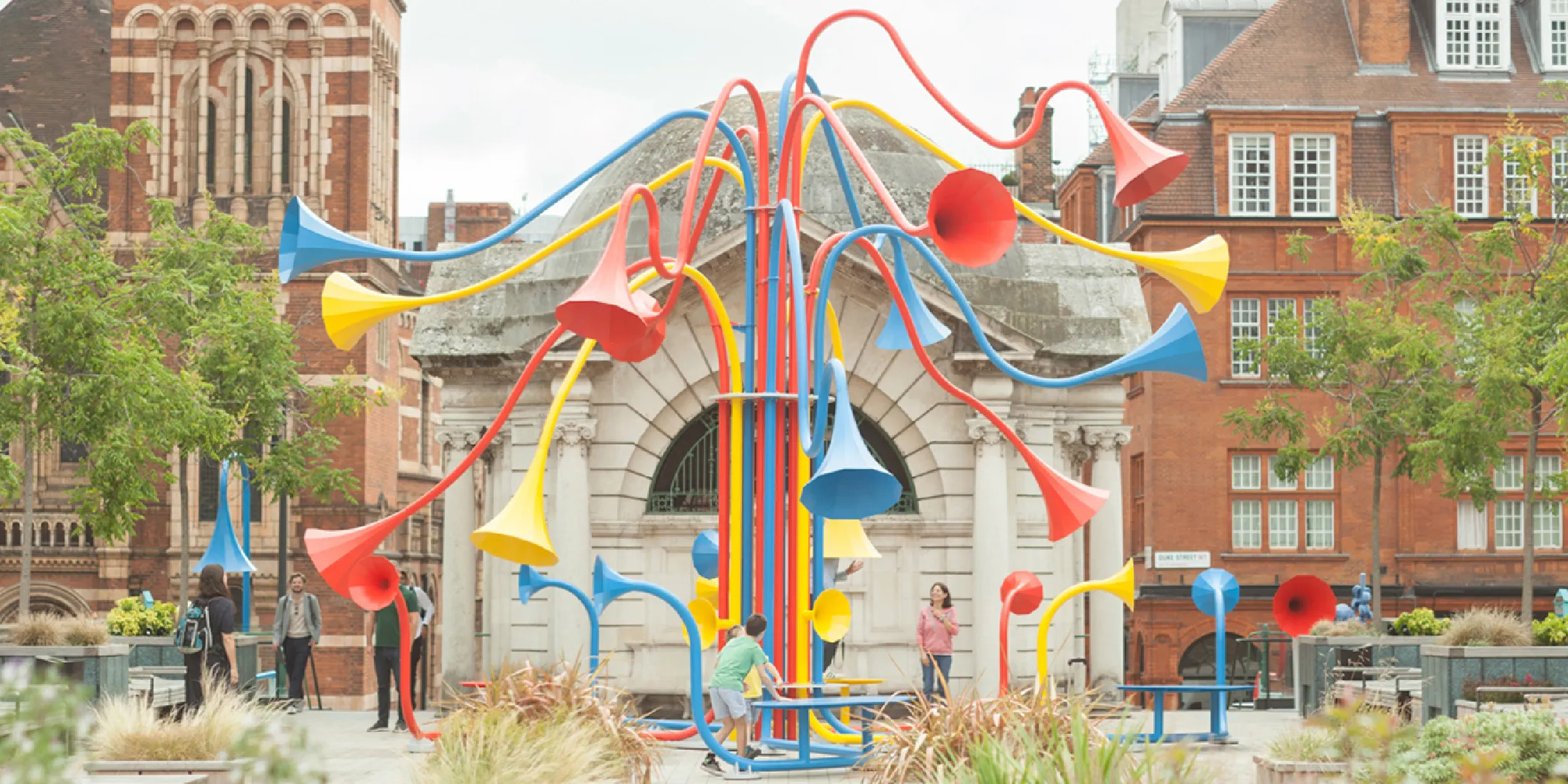
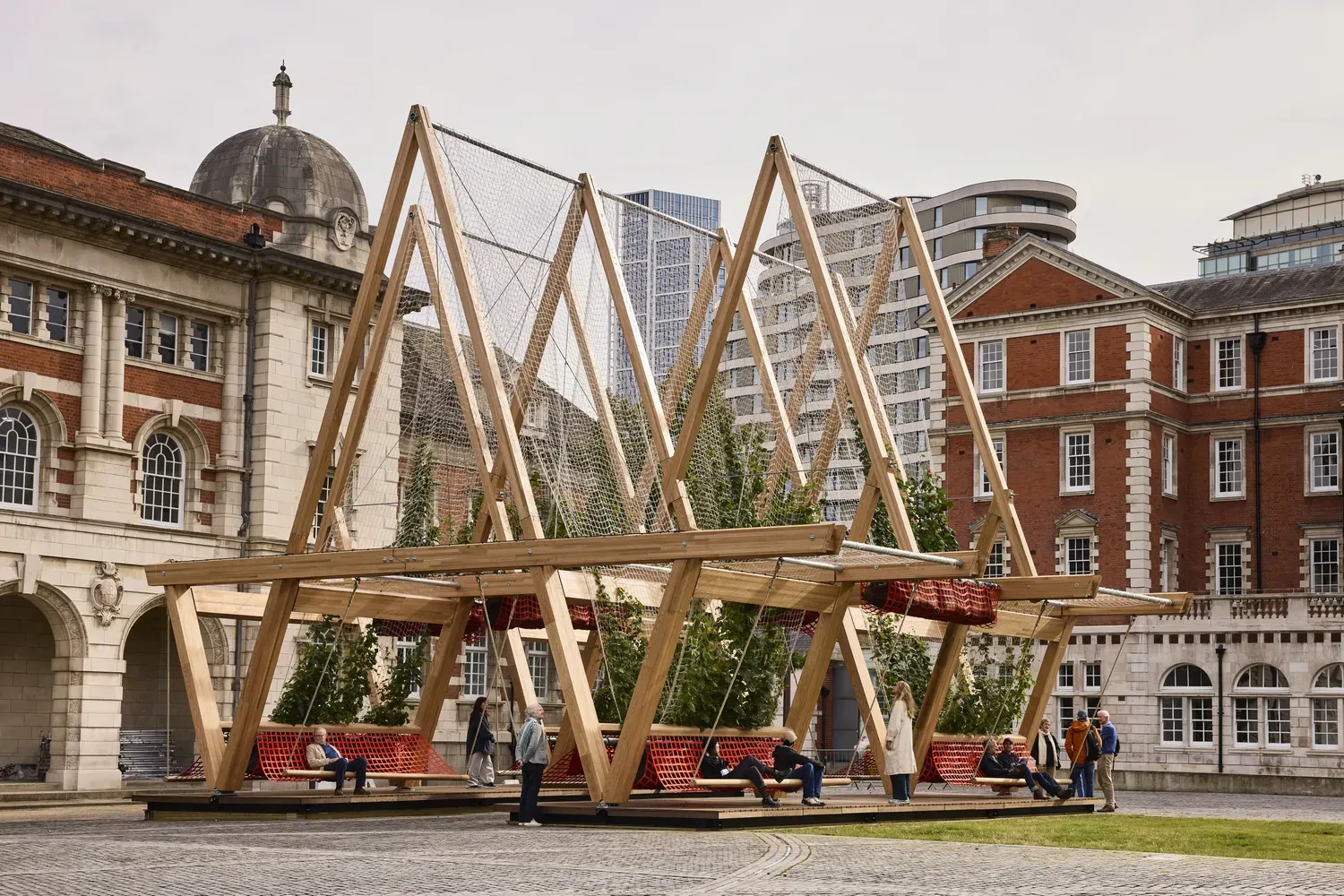
Large-scale installations are a defining feature of the London Design Festival. These works often occupy prominent public spaces, transforming them into interactive design experiences.

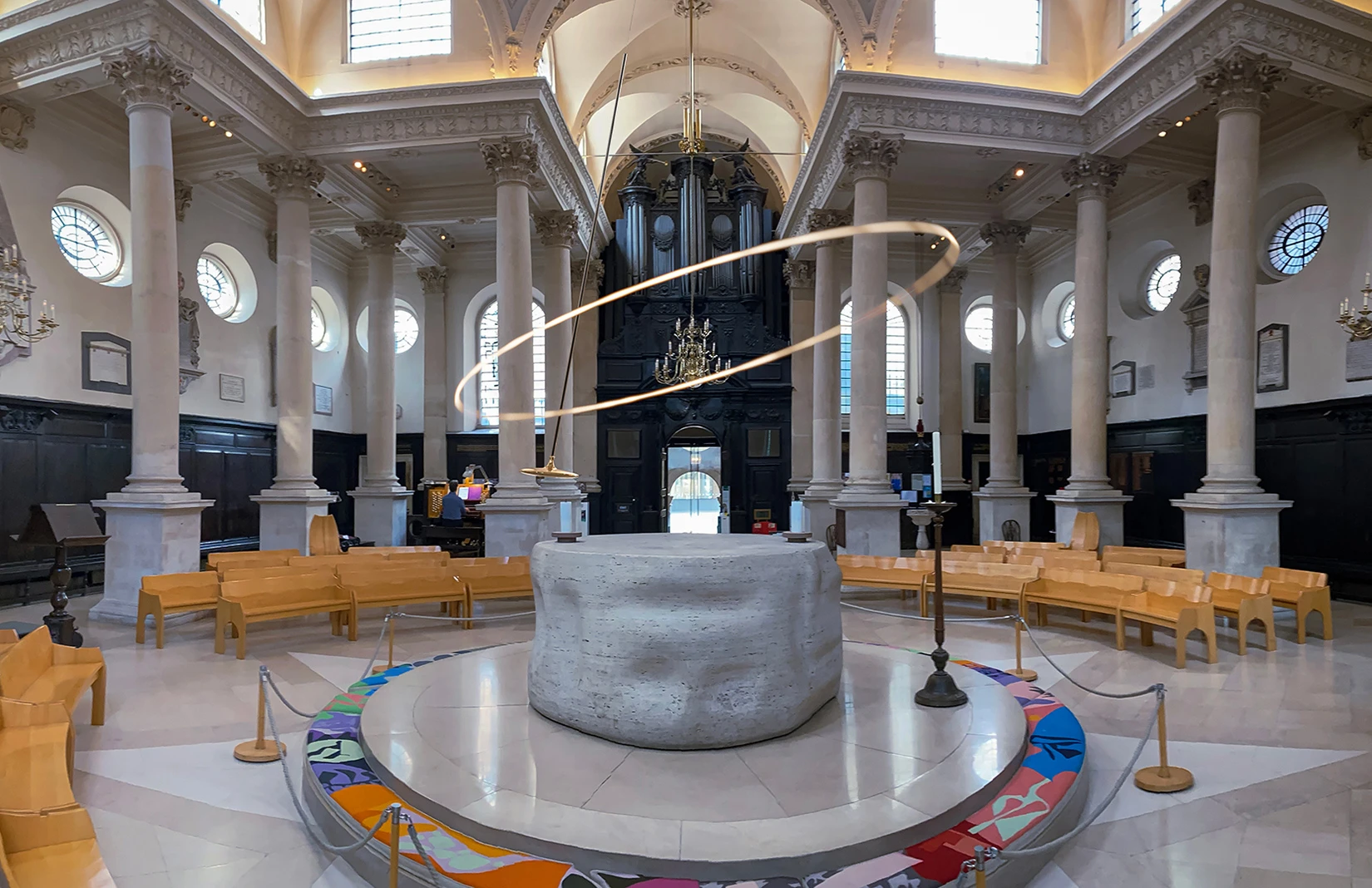
Designers use light, sound, and movement to engage audiences, creating installations that feel immersive rather than observational. This shift reflects a broader trend in design—one that prioritizes experience and emotional connection.

For architects and urban designers, these installations demonstrate how temporary interventions can activate public spaces. They offer inspiration for placemaking strategies that enhance user engagement while maintaining strong visual identity.

Nolita Harbour Logo

The Specialists in Bespoke

Turn your Designs into Reality with Nolita Harbour

Technology Meets Design

Innovation at the festival extends beyond materials and form into the realm of digital technology. Augmented reality (AR), virtual reality (VR), and AI-driven design tools increasingly influence how designers conceptualize and present their work.

Exhibitors often integrate digital layers into physical installations, allowing visitors to interact with designs in new ways. For example, AR overlays can reveal construction details, material compositions, or alternative configurations.

This convergence of technology and design opens new opportunities for collaboration across disciplines. Architects, interior designers, and product developers can leverage these tools to enhance both the design process and client experience.

Sustainability as a Core Narrative

Sustainability is no longer a secondary theme—it’s central to the festival’s narrative. Designers approach sustainability holistically, considering not only materials but also production methods, supply chains, and lifecycle impact.

Circular design principles appear frequently. Modular furniture systems designed for disassembly, recyclable components, and repairable structures reflect a shift toward long-term thinking.

For design studios working in luxury markets, this presents both a challenge and an opportunity. Clients increasingly expect sustainability without sacrificing quality or aesthetics. The London Design Festival demonstrates that these goals can coexist, setting a new benchmark for the industry.

London Design Festival venue

Global Influence and Cross-Cultural Dialogue

One of the festival’s greatest strengths lies in its diversity. Designers from Europe, Asia, the Americas, and beyond contribute to a rich exchange of ideas. This global perspective fosters innovation by blending different cultural approaches to design.

Scandinavian minimalism, Japanese craftsmanship, Italian elegance, and emerging design languages from Africa and South America all find a place within the festival. This cross-cultural dialogue enriches the design landscape and encourages new collaborations.

For international brands and studios, participating in the London Design Festival offers visibility within a highly influential network. It’s a space where trends emerge, partnerships form, and ideas gain momentum.

Why It Matters for Design Professionals

For interior designers, architects, and furniture brands, the London Design Festival serves as a strategic resource. It provides insight into emerging trends, materials, and technologies that will shape projects in the coming years.

More importantly, it offers inspiration. Seeing how designers experiment with form, material, and experience can spark new ideas and approaches. Whether working on residential interiors, commercial spaces, or bespoke furniture collections, the influence of the festival extends far beyond London.

London Design Festival

The Future of Design on Display

The London Design Festival continues to evolve, reflecting broader shifts in the design world. It embraces sustainability, celebrates craftsmanship, and pushes technological boundaries—all while maintaining a strong connection to cultural context.

For professionals in the industry, attending or following the festival isn’t just about staying informed. It’s about understanding how design can respond to a rapidly changing world while maintaining creativity, quality, and purpose.

As design disciplines become increasingly interconnected, the London Design Festival remains a vital platform—one that captures the essence of contemporary design and points toward its future.

Join our Newsletter

Subscription Form

Share on:

Nolita Harbour Logo

The Specialists in Bespoke

Turn your Designs into Reality with Nolita Harbour

Read More

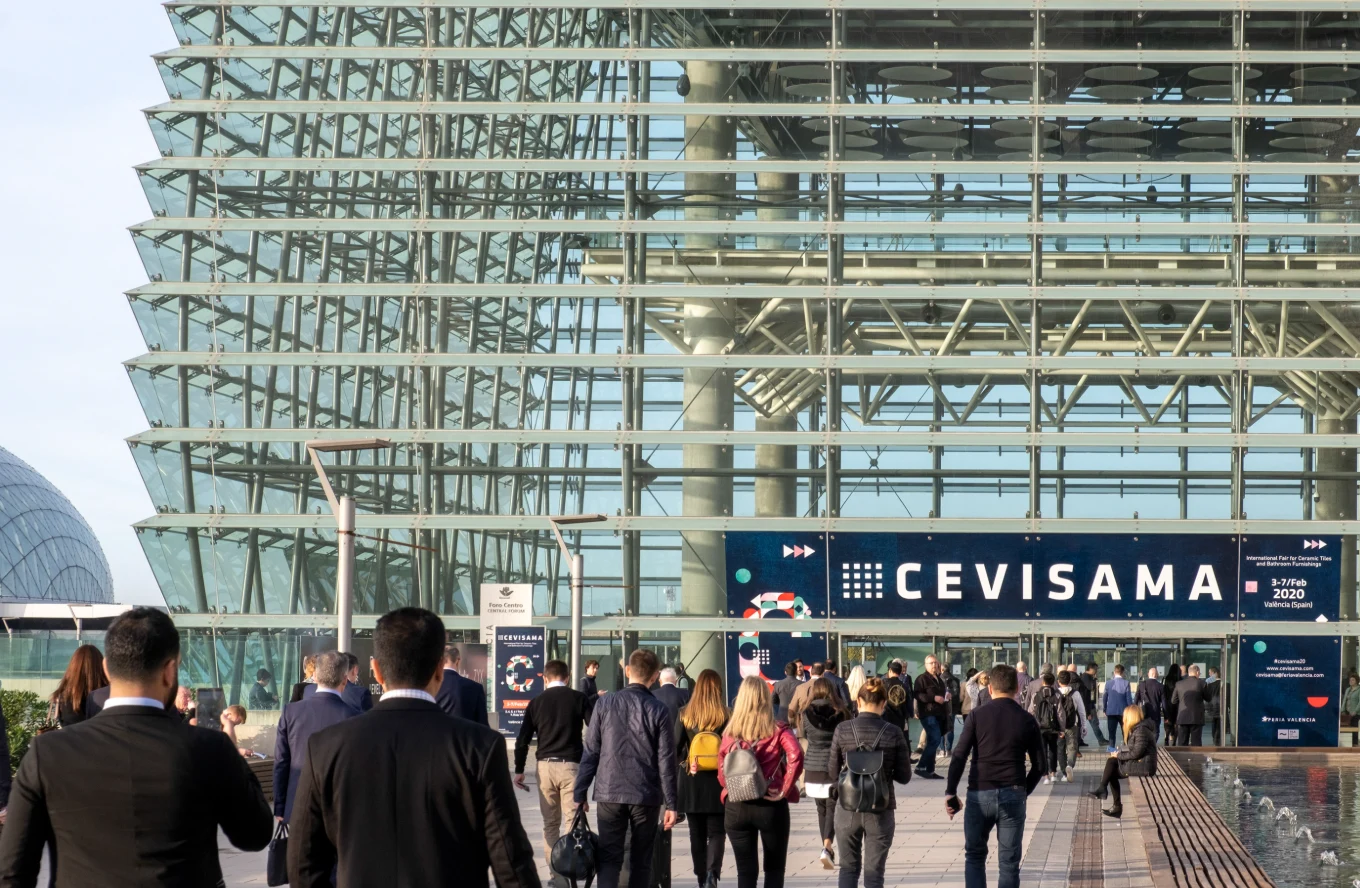
Visitors approaching the glass-fronted entrance of Feria Valencia beneath the Cevisama 2020 banner.

Cevisama 2026: A New Chapter in Materials, Interiors, and the Art of Living

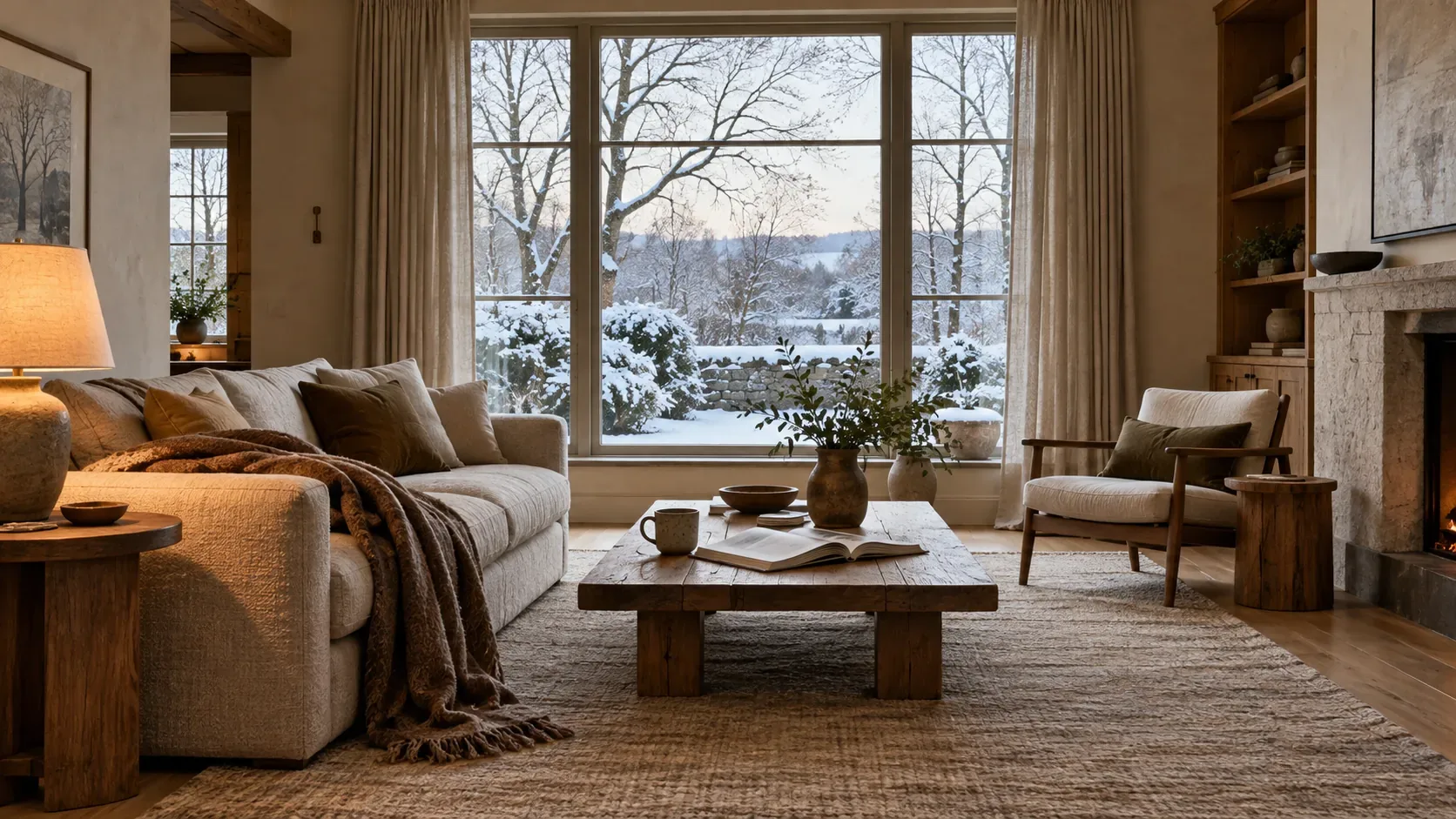
Cozy winter living room with a cream sofa, wool throw, oak coffee table, warm lighting, and views of a snow covered garden.

Cozy Homes: Winter Design Ideas for Warm, Inviting Interiors

Luxury mountain resort with chalet-style architecture, heated outdoor pool, snowy peaks and warm interiors at sunset.

Luxury Mountain Resorts: 8 Exceptional Retreats Redefining the Modern Chalet

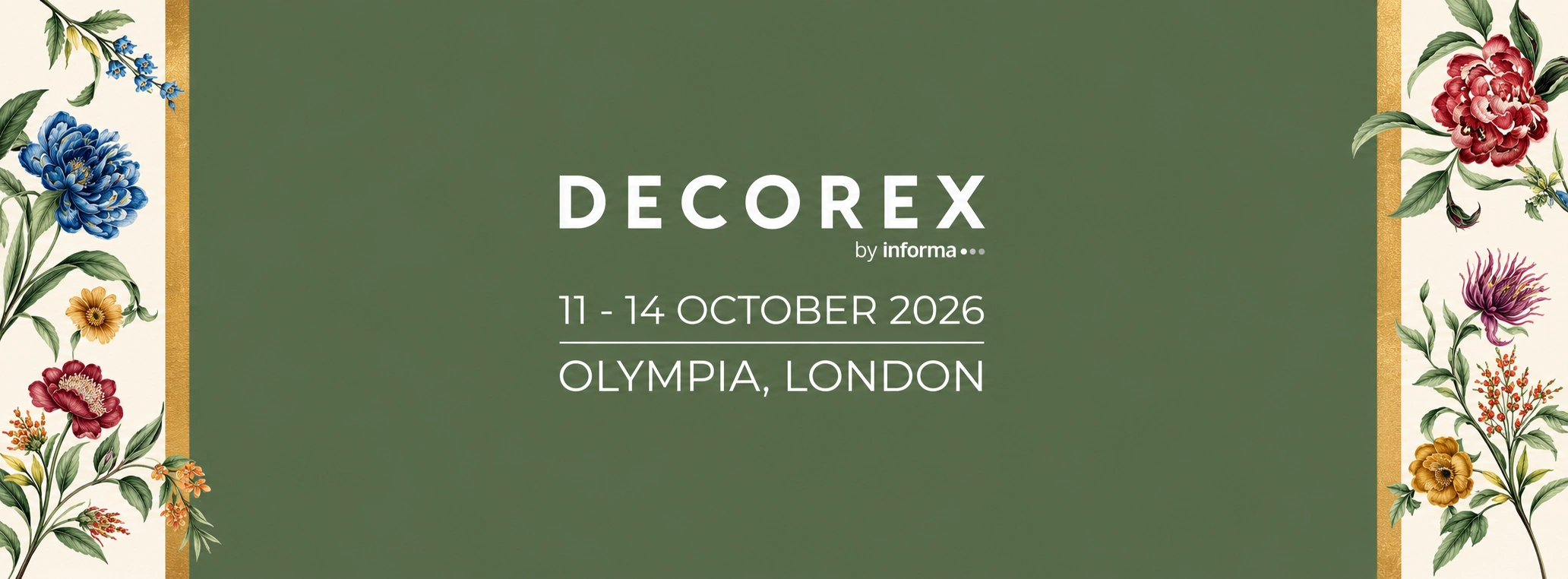
Promotional banner for Decorex 2026 at Olympia London, featuring a deep green background framed by ornate botanical illustrations of colorful flowers and gold accents. The design announces the event dates, 11–14 October 2026, organized by Informa.

Decorex 2026: London’s Annual Event for Luxury Interiors

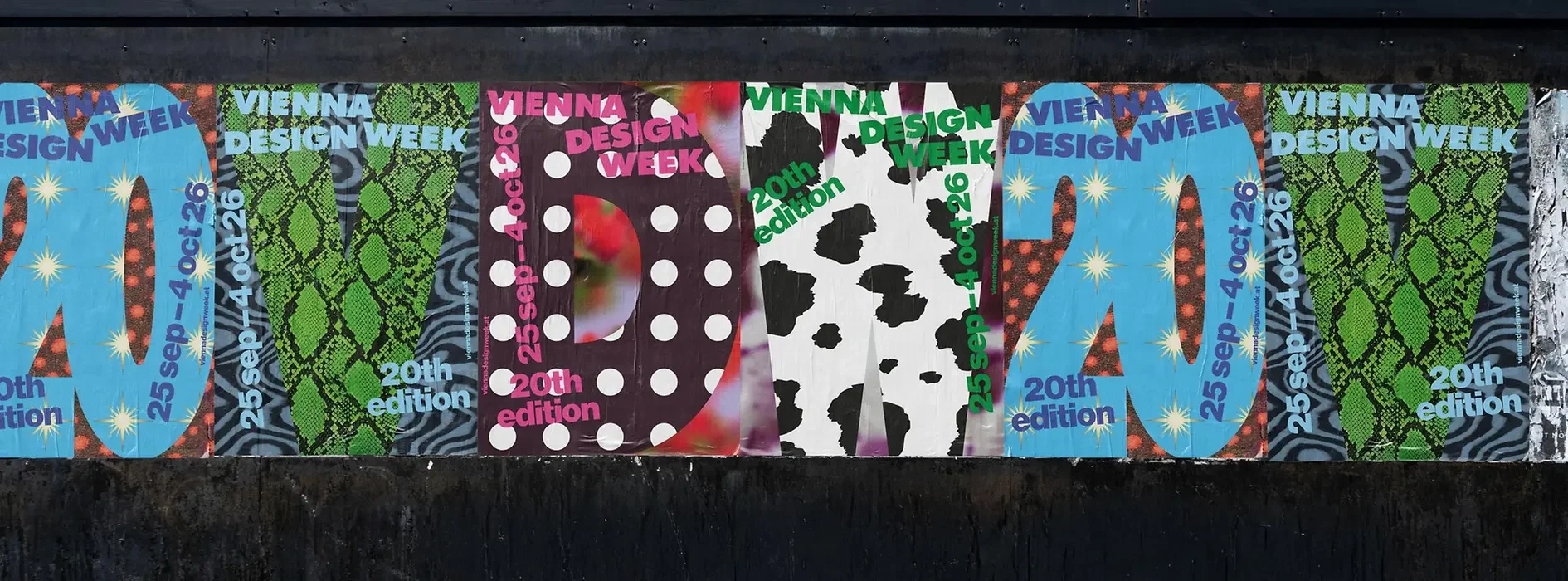
Colorful Vienna Design Week 2026 posters celebrating the festival’s 20th edition across the streets of Vienna.

Vienna Design Week 2026: Celebrating 20 Years of Design, Ideas and Innovation

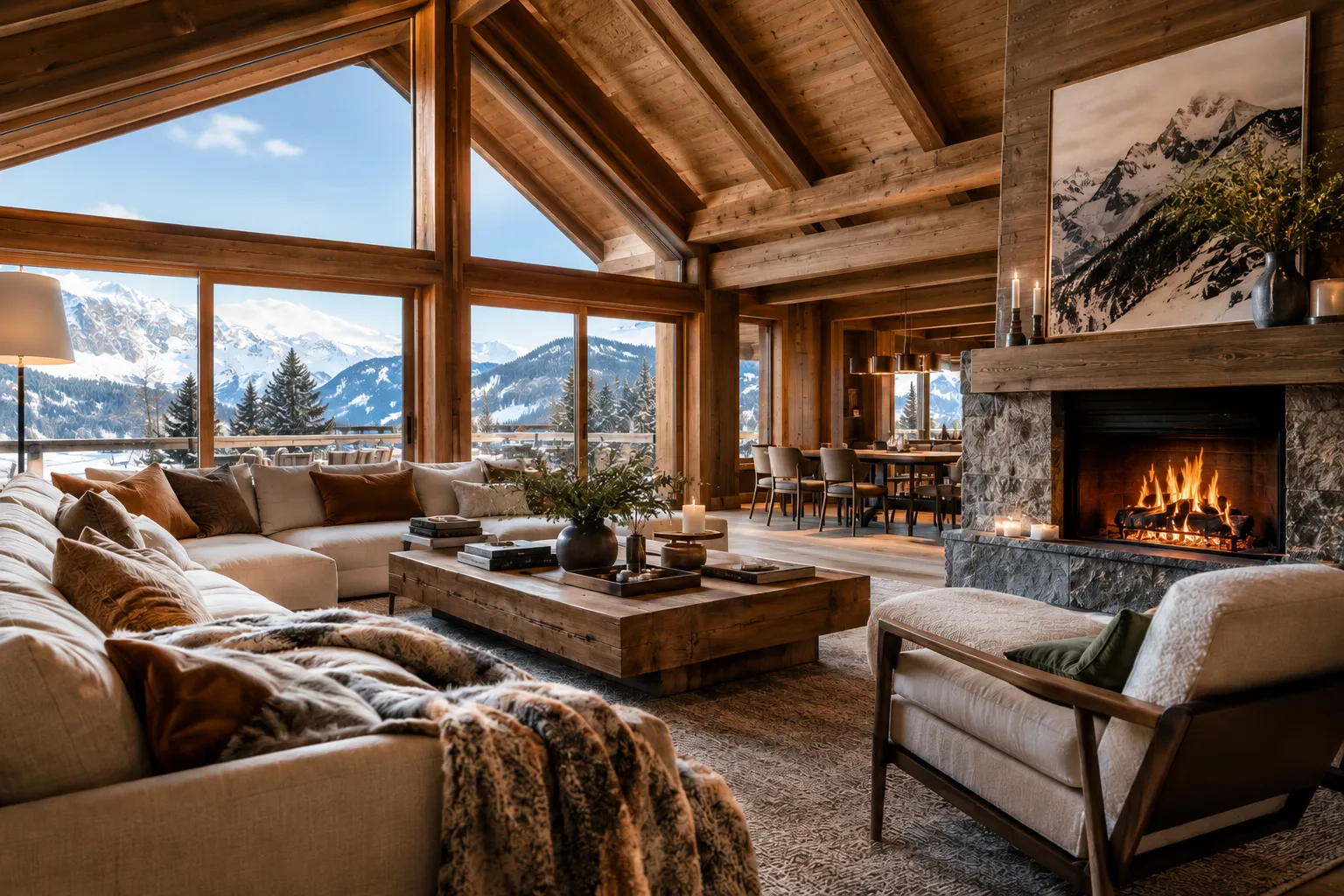
Luxury Alpine chalet interior with exposed timber beams, natural stone fireplace, warm neutral furnishings, and panoramic views of snow covered mountains.

The Art of the Chalet: Architecture, Luxury Interiors and the New Language of Mountain Living

Reader Favorites

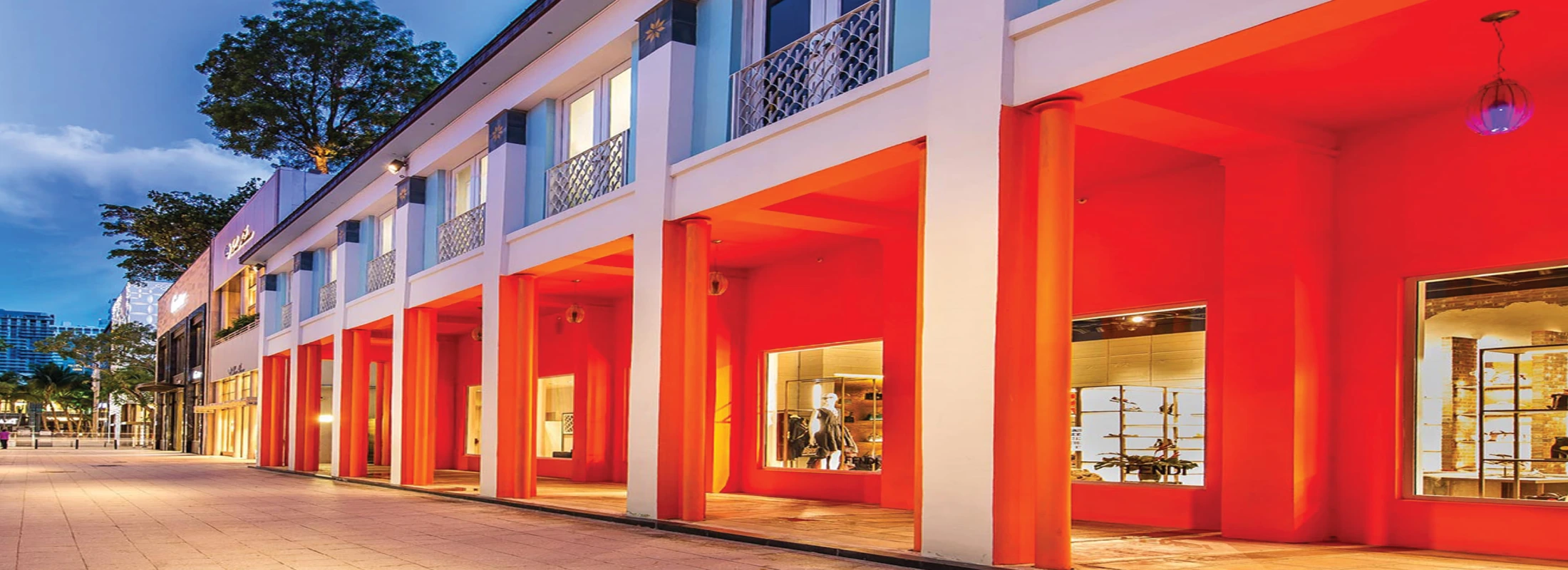
Design Miami 2026 - what to look for

Design Miami 2026: The Leading Global Fair for Collectible Design Returns in December

Top 10 Interior Design Trends

Top 10 Interior Design Trends That Will Shape Homes After 2027

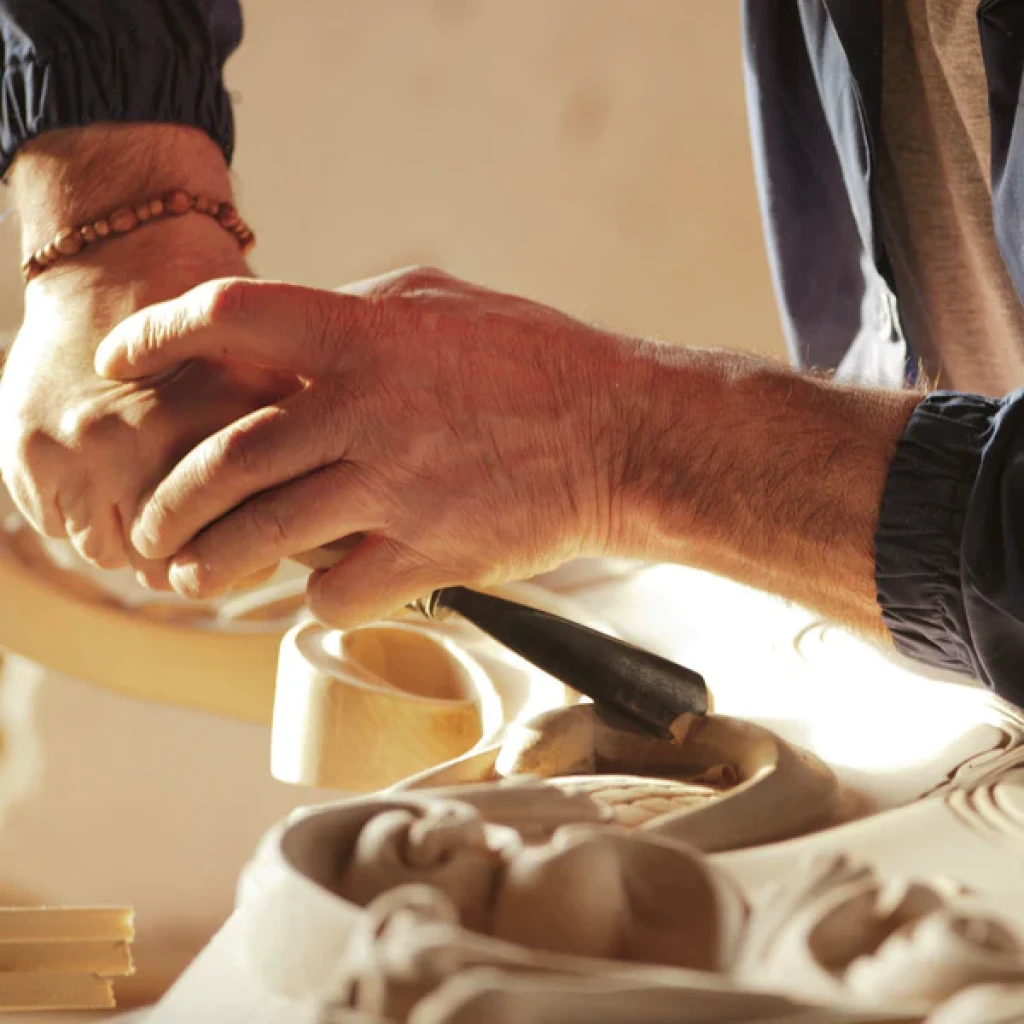
Close-up of artisan hands carving intricate patterns into wood, highlighting the precision and artistry of Italian craftsmanship.

How Artisanal Craftsmanship is Reclaiming its Place in Luxury Interiors

Latest News

Visitors approaching the glass-fronted entrance of Feria Valencia beneath the Cevisama 2020 banner.

Cevisama 2026: A New Chapter in Materials, Interiors, and the Art of Living

Cozy winter living room with a cream sofa, wool throw, oak coffee table, warm lighting, and views of a snow covered garden.

Cozy Homes: Winter Design Ideas for Warm, Inviting Interiors

Luxury mountain resort with chalet-style architecture, heated outdoor pool, snowy peaks and warm interiors at sunset.

Luxury Mountain Resorts: 8 Exceptional Retreats Redefining the Modern Chalet

Join our Newsletter

Join our circle of refined living.
Subscribe for curated stories, news and inspiration.

Subscription Form