The world of Intellectual Property in Contemporary Craft is more important today than ever before. Contemporary craft is redefining high-end design. Artisans now merge ancestral techniques with modern aesthetics to create authentic pieces. This “Slow Design” movement has become a powerful creative force in the global market.
Today, protecting the unique “DNA” of a handcrafted piece is a vital strategy. It ensures that artisanal excellence remains a sustainable and exclusive asset in a competitive world. By understanding these legal frameworks, designers can ensure their work is valued correctly.

The Value of Artisanal Authorship
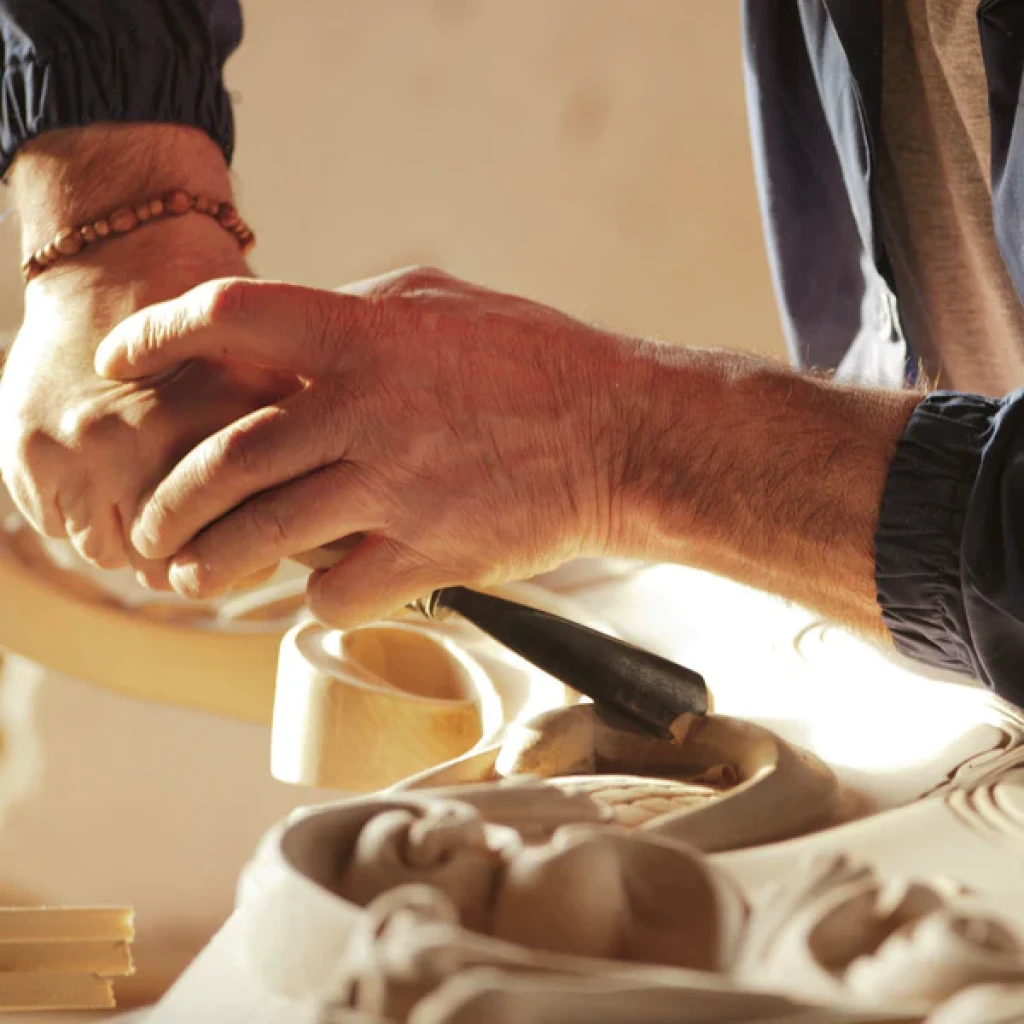
In the luxury sector, the “hand of the maker” gives a piece its soul. Handcrafted designs carry technical complexity that industrial items cannot replicate. This skill set defines the artisan’s unique signature.
Legal protection focuses on this technical mastery. Courts now recognize craft authorship as a prestigious intellectual asset. Therefore, protecting these rights is as important as protecting fine art. When a designer creates a signature look, they are building a [Link Interno: Brand Identity] that deserves full legal coverage.
Navigating Patents and Traditional Knowledge
Many craft techniques come from traditional knowledge passed down through generations. However, designers often reinterpret these methods for a modern audience. This process creates a new form of Intellectual Property in Contemporary Craft.
Designers can also patent innovation in specialized tools or sustainable material treatments. Protecting this technical progress is vital. It helps small workshops survive against large industrial corporations. For more information on international standards, you can visit the [Link Externo: WIPO – World Intellectual Property Organization].
Design Fairs as Platforms for Protection
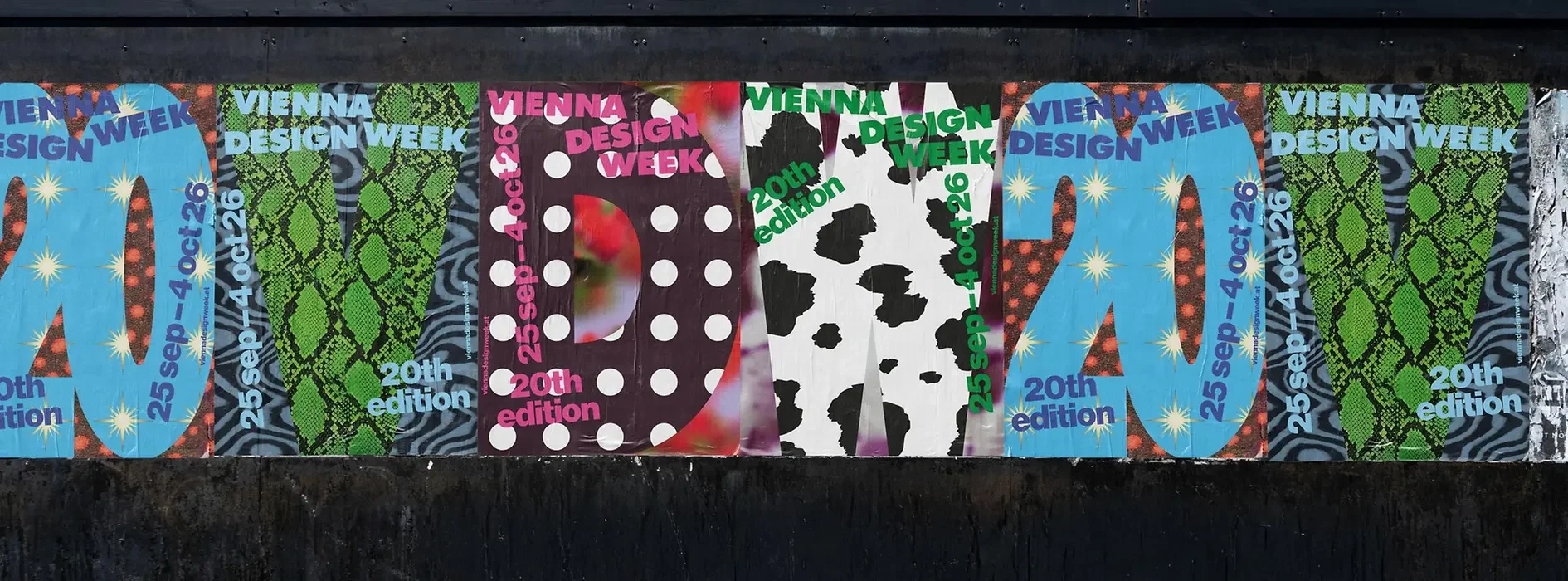
International fairs like Salone del Mobile are the primary stage for new trends. These events offer visibility but also bring risks. Unauthorised photography often leads to rapid imitation of new works.
Artisans must adopt a proactive stance. They should register their designs before the first public viewing. A clear legal strategy allows designers to negotiate with galleries from a position of strength. Consequently, fairs are now essential arenas for defending creative rights.