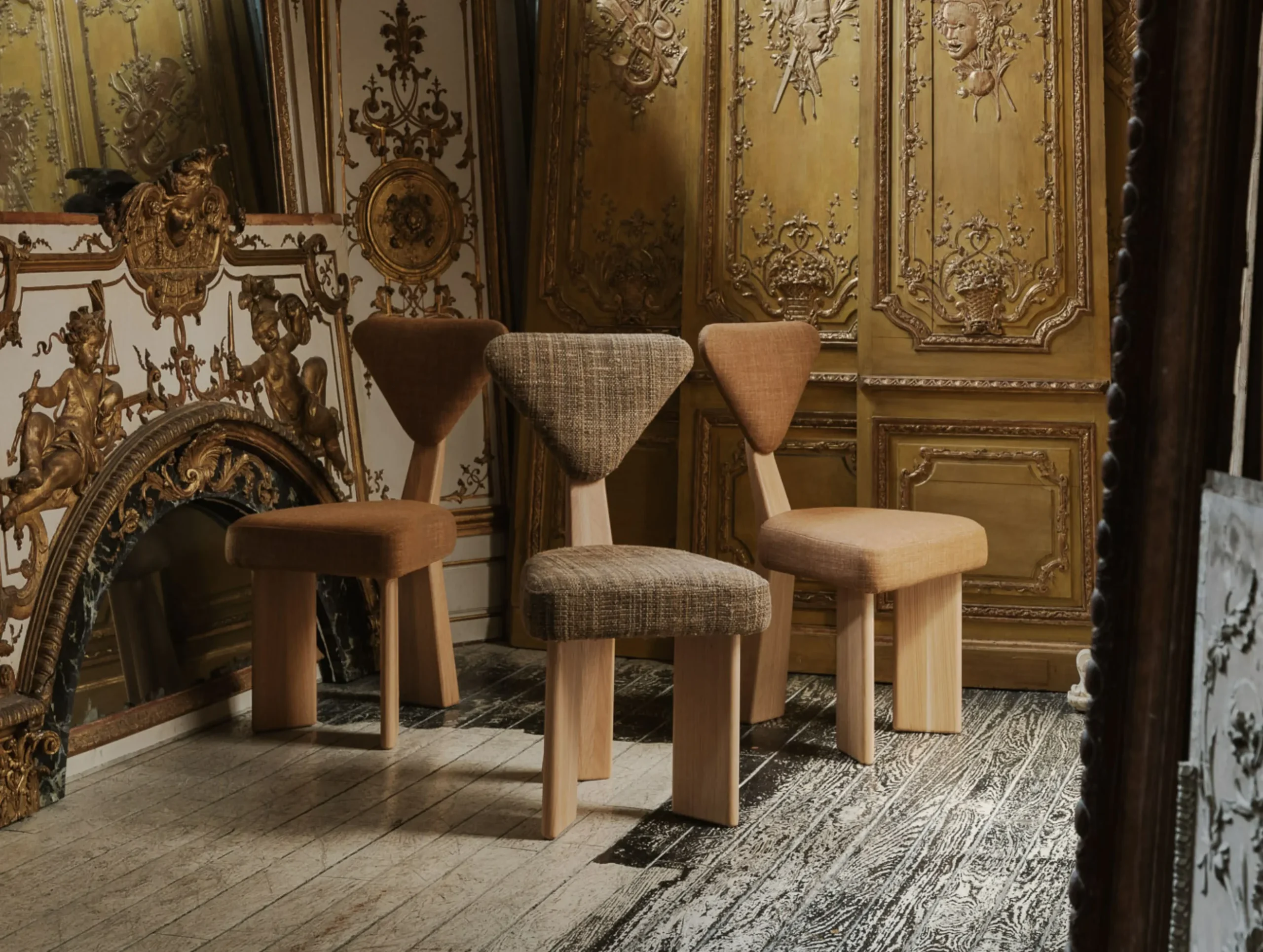
Every September, Paris reclaims its throne as the global capital of creativity during Paris Design Week. As an enduring epicenter of style and innovation, the city guides the world in discovering what truly defines French elegance today. For architects, designers, and connoisseurs of refined living, the gathering is more than an exhibition—it is an immersion into the soul of contemporary French interior design trends, set against the inimitable backdrop of historic avenues, Haussmannian facades, and avant-garde ateliers. But how do artisans, brands, and visionaries reinterpret the classic codes of French savoir-faire for a discerning international audience? What are the threads weaving together heritage, artistry, and progressive perspectives in the Parisian home?
What Makes Paris Design Week a Bellwether of Global Taste?
Launched in 2011, Paris Design Week has become the essential rendezvous for those shaping futures in interior architecture, luxury real estate, and cross-cultural design. Anchored by the storied halls of Maison&Objet and a constellation of satellite exhibitions, the event transforms the city. Showrooms, galleries, iconic concept stores, and hidden ateliers fling open their doors, showcasing talent from established maisons to audacious new voices. Discussions, installations, and curated walks invite attendees to experience French elegance as both timeless and perpetually refreshed.
The result? Paris becomes a living moodboard—its neighborhoods reflecting evolving dialogues between Parisian tradition and contemporary boldness. This is not just about form and function; it is a demonstration of living well, a lesson in the art of nuance, and proof that French style evolves without losing its quintessential identity.
Paris as a Stage for Evolution and Continuity
- Cultural Bridges: Paris Design Week bridges centuries of design history with tomorrow’s ambition, where René Lalique’s crystal finds echoes in bio-sourced materials and digital craft.
- Global Magnet: The event attracts the world’s most innovative architects, interior decorators, and luxury brands, all seeking inspiration from a city where even the ephemeral feels eternal.
- Urban Laboratory: Districts like Le Marais, Saint-Germain-des-Prés, and Bastille become open laboratories dissecting and reassembling the concept of French refinement.
Defining French Elegance in Today’s Interior Design Trends
The notion of “French elegance” may conjure images of boiserie, Versailles floors, and bronze-gilded mirrors. Yet, the French interior design trends revealed at Paris Design Week routinely challenge such expectations. Elegance today is not simply an inheritance—it is an act of thoughtful curation. It is the fearless interplay of memory and modernity.
The Pillars of Contemporary French Elegance
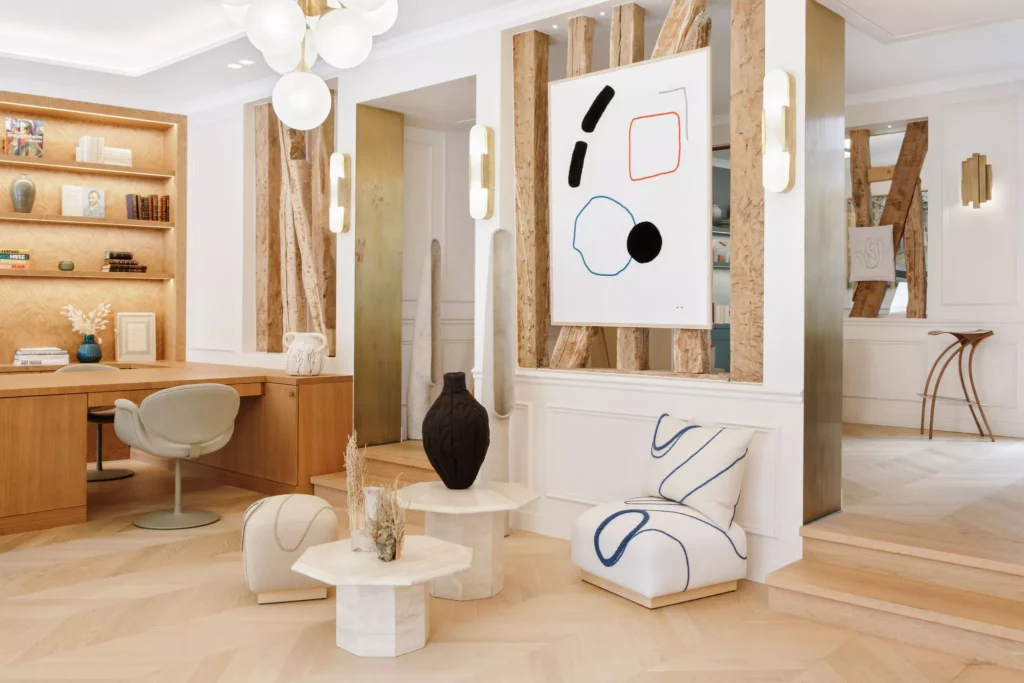
- Heritage Reimagined: Modern French interiors honor architectural bones—chevron parquet, high ceilings, intricate moldings—while infusing them with objects and art that defy eras. The conversation is between Louis XVI chairs and sculptural contemporary lighting, between antique tapestries and minimalist ceramics.
- Savoir-Faire Meets Sustainability: French brands increasingly showcase a reverence for authentic materials—solid oak, stone, porcelain—alongside new, eco-conscious textiles and recycled elements. Artisanship is never forsaken; instead, sustainability is folded elegantly into legacy craft.
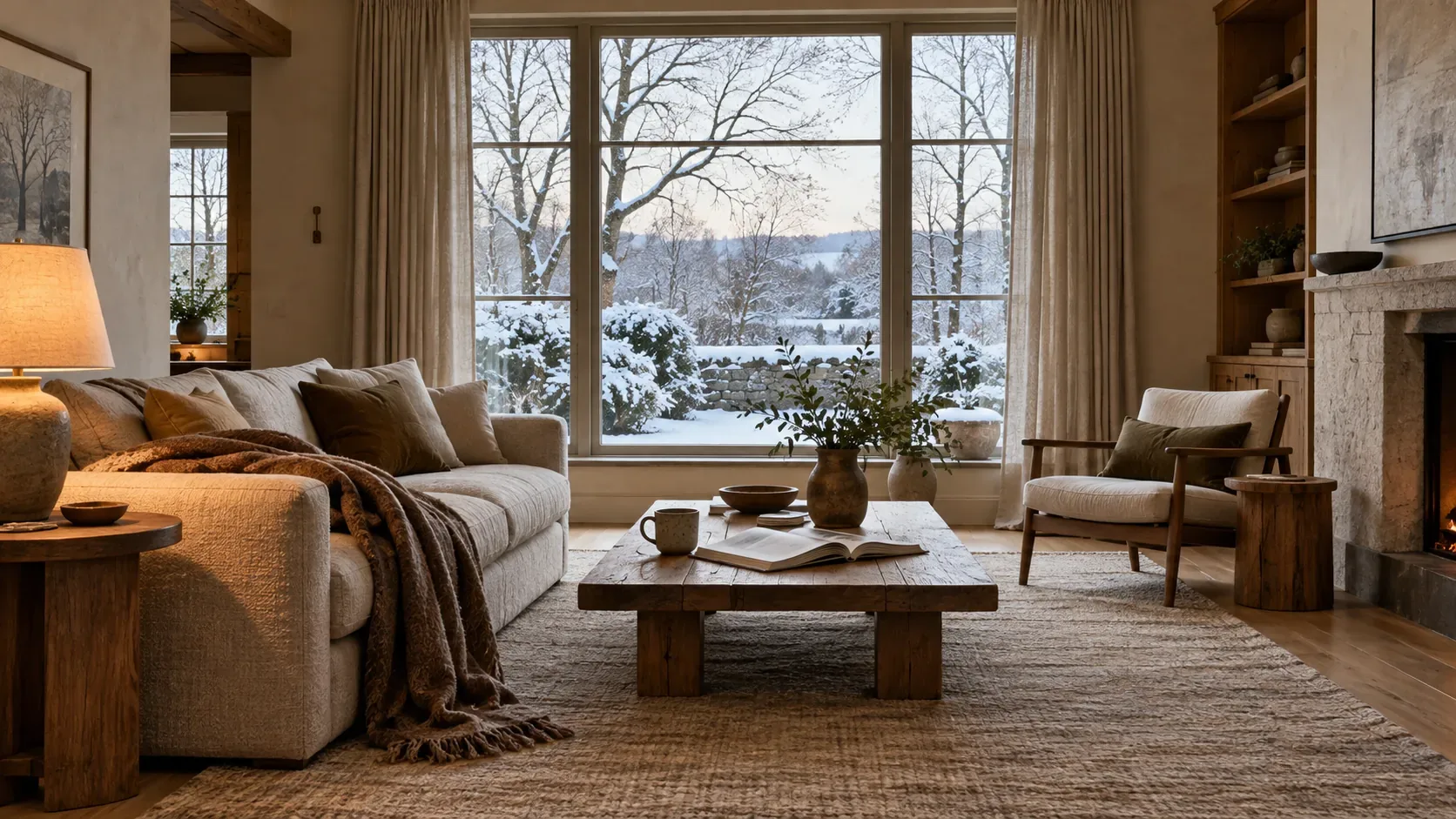
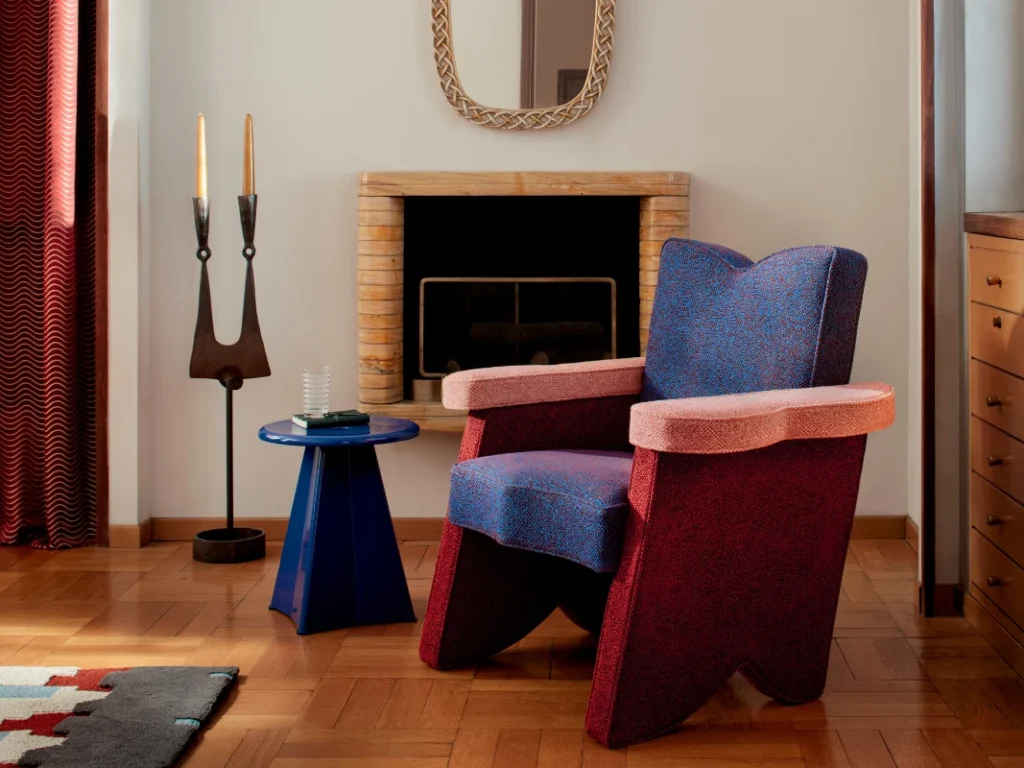
- Effortless Layering: Spaces feel collected rather than decorated. Subtle contrasts—patinated leather against moiré silk, Parisian grays accented by an artful pop of Klein blue—invite the eye to linger. The rooms live and breathe, evolving with each generation.
Key French Interior Design Trends from Paris Design Week
- Retro Futurism: Designers play with mid-century silhouettes, plush but streamlined, in palettes of deep ochre, forest green, and earthy terra cotta. Brass details and smoked glass punctuate otherwise understated rooms.
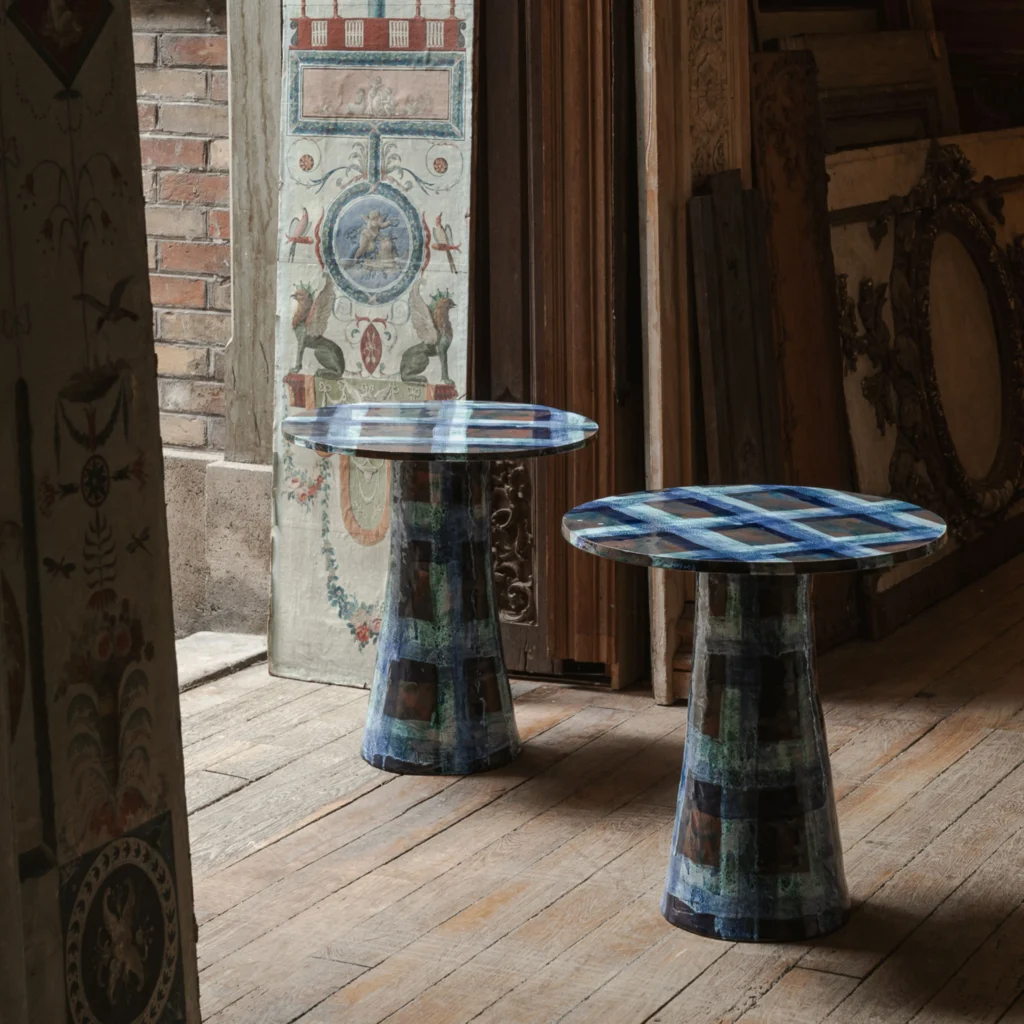
- Artistry as Essentiality: Unique objets d’art—handblown glass vases, whimsical light sculptures, artisanal ceramics—function as focal points and conversation starters. These pieces inject personality, championing creative voices from Paris and beyond.
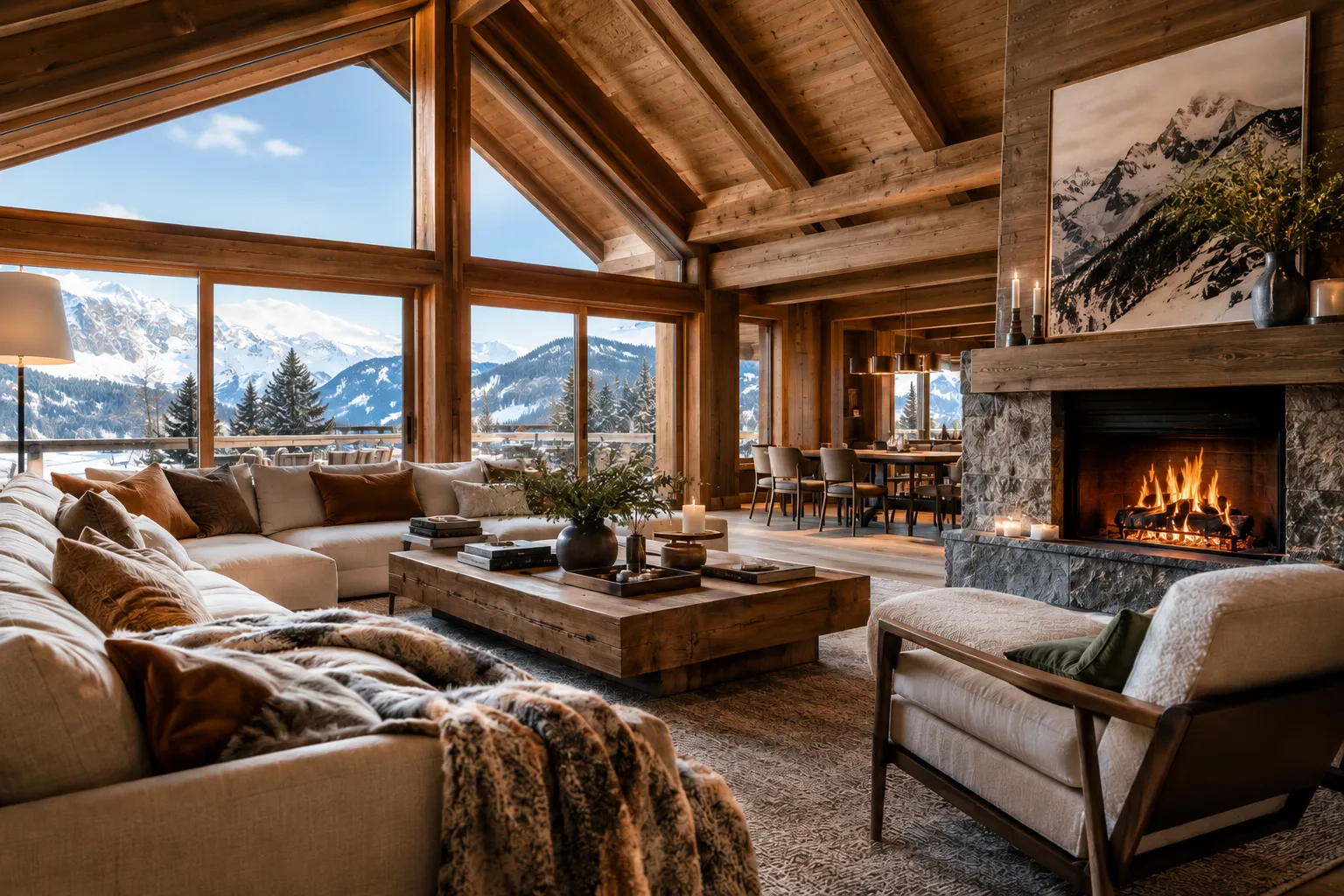
- Harmonious Compositions: Open layouts favor fluidity; boundaries between lounging, dining, and working dissolve. French sophistication appears not in rigidity, but in the orchestrated freedom of movement and use.
- Nature Within: Indoor gardens, vertical plantings, and organic finishes (limewash, clay, wool) reflect an ongoing pursuit of tranquility and biophilia, mirroring the city’s own romantic parks and avenues.
Beyond Aesthetics: The Philosophy Behind Modern French Interiors
To the informed viewer, French interior design trends go far beyond visual seduction. Underpinning every deliberate choice is a philosophy—a belief in the home as a living portrait of its inhabitants. At Paris Design Week, this perspective finds expression in dialogues and installations that prioritize meaning, adaptability, and refined comfort.
Elegance as Mindset and Manifesto
- Emphasis on Intimacy: Rooms are constructed as emotional landscapes, designed for conversation, contemplation, and the rituals of daily life. “L’art de vivre” is not performative display, but lived experience.
- Universality and Particularity: Great French design absorbs and transforms external influences without losing its identity. Whether inspired by Japanese minimalism, Italian exuberance, or North African color, Parisian homes remain distinctly themselves.
- Quiet Luxury, Not Ostentation: Investment is placed not in showy abundance but in details that endure—a perfectly engineered handle, an impeccably tailored curtain, the perfect lamp-to-table ratio.
The Handcrafted Imperative
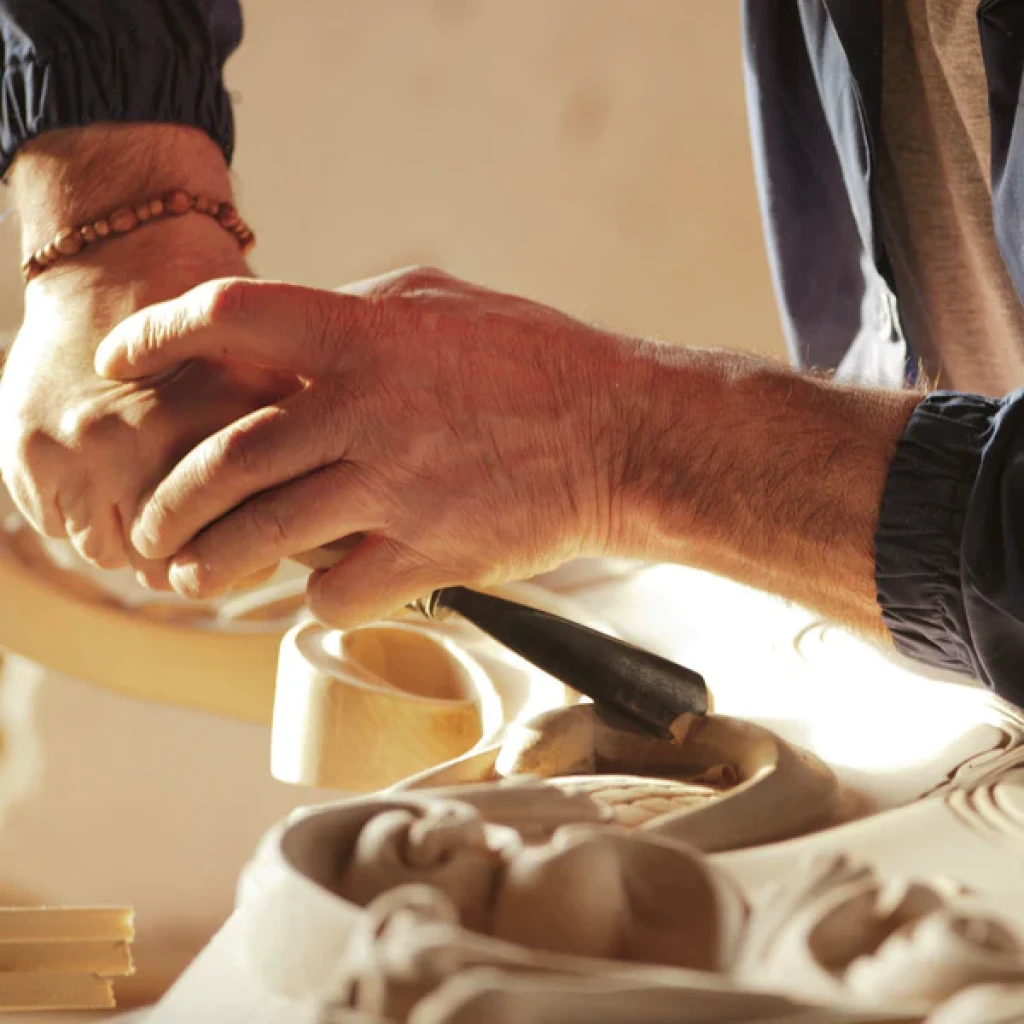
Perhaps the most profound transformation revealed during Paris Design Week is a renewed appreciation for the handcrafted. In a digital era, the artisanal becomes an act of resistance—proof of authenticity, individuality, and continuity. From made-to-measure cabinetry and tapestries to bespoke marquetry and hand-forged hardware, each item is as much a piece of art as a utilitarian object.