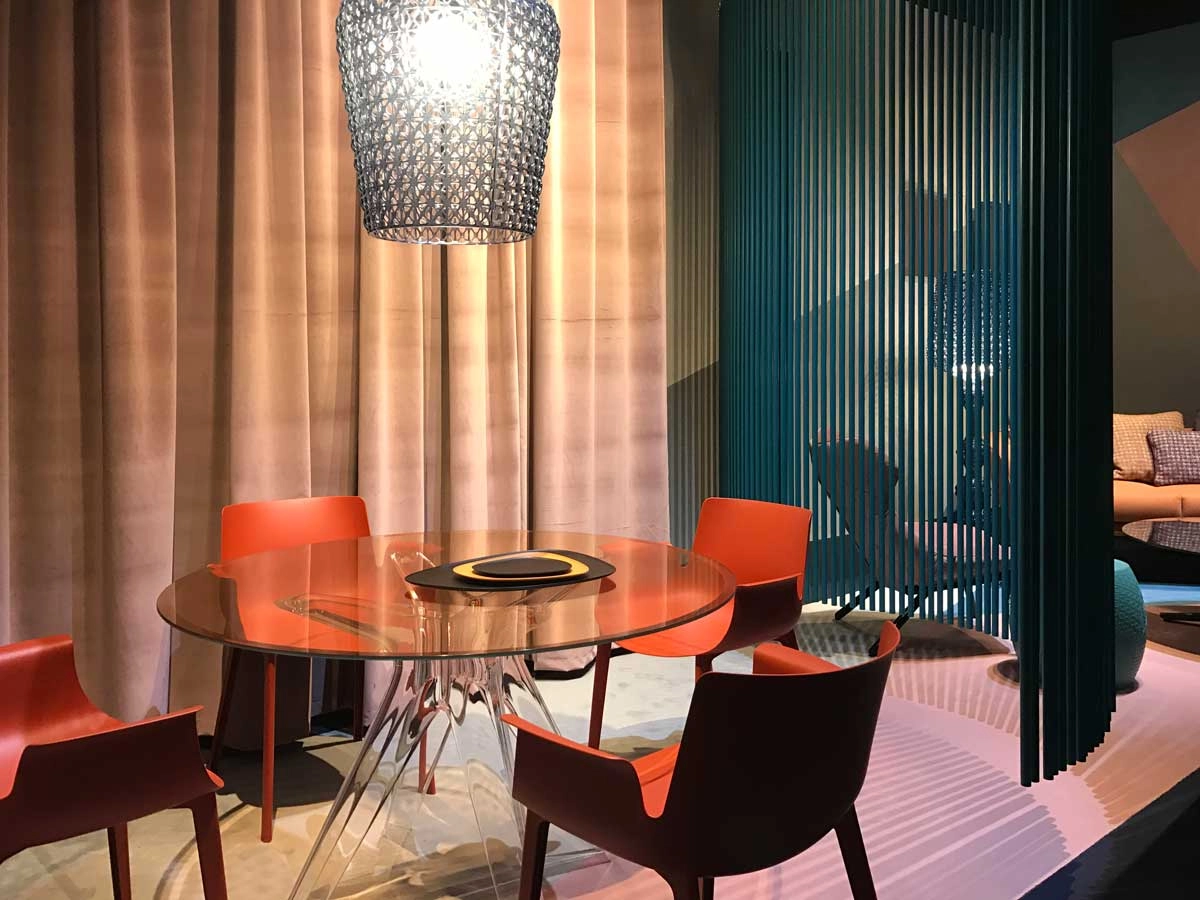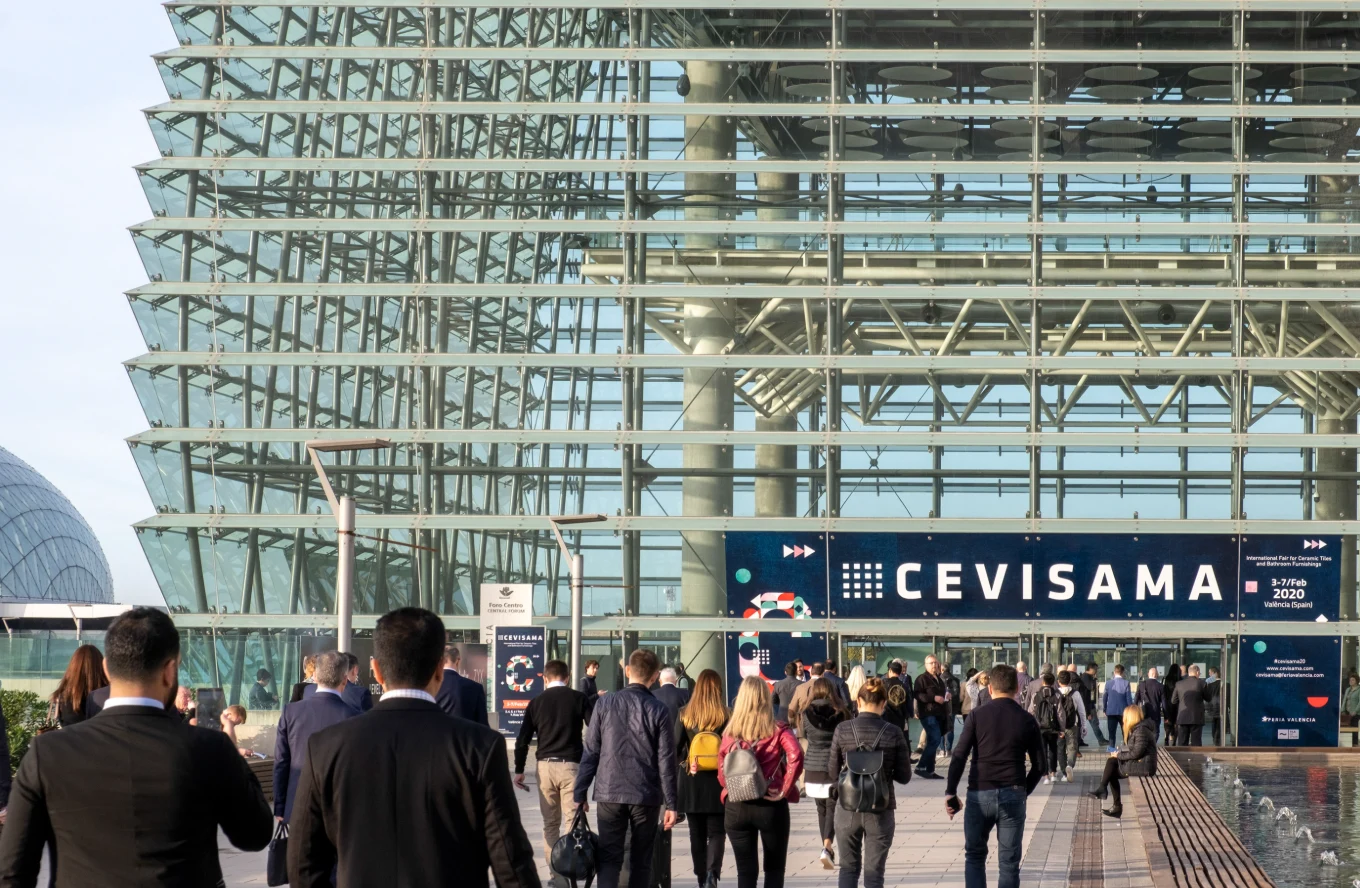
As the global design community looks ahead, Host Milano 2027 is already shaping up to be one of the most influential trade shows for hospitality, furniture, and interior design. Known for setting the tone for future aesthetics and innovations, this event will gather leading interior designers, architects, and luxury furniture brands under one roof in Milan—one of the world’s design capitals.
For professionals in high-end interiors and furniture design, understanding what to expect from Host Milano 2027 can offer a strategic advantage. From material innovation to spatial storytelling, the event will highlight where the industry is heading next.
The Evolution of Hospitality Design
Hospitality spaces continue to evolve beyond function. Hotels, restaurants, and lounges now act as immersive environments that reflect brand identity and cultural narratives. At Host Milano 2027, expect to see a strong emphasis on experience-driven interiors.
Designers are moving toward layered spaces that combine comfort, personalization, and sensory engagement. Furniture will no longer serve as standalone objects; instead, it will integrate into holistic environments. Seating, lighting, and architectural elements will work together to create seamless guest journeys.
This shift responds to changing consumer expectations. Guests want spaces that feel curated, memorable, and emotionally engaging. As a result, furniture brands will present collections that adapt to different moods, times of day, and social interactions.
Sculptural Furniture Takes Center Stage
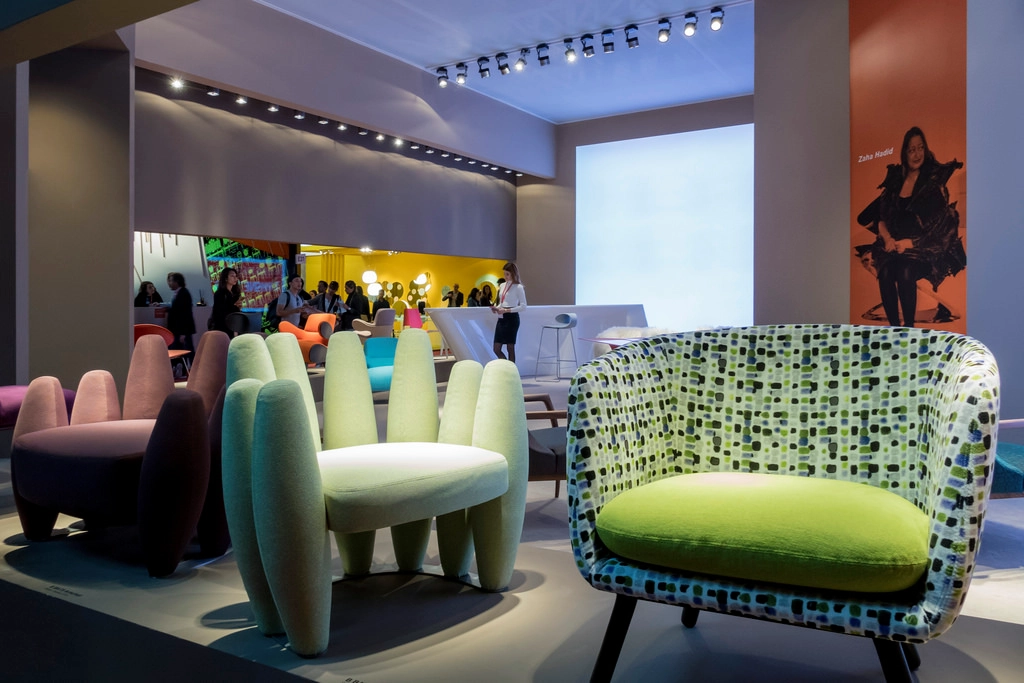
One of the most anticipated trends at Host Milano 2027 is the rise of sculptural furniture. Designers are blurring the line between art and function, creating pieces that act as focal points within interiors.
Expect to see:
- Bold, organic shapes inspired by nature
- Asymmetrical forms that challenge traditional geometry
- Statement pieces designed for visual impact and tactile interaction
Luxury design studios will likely push boundaries with limited-edition collections and custom-made installations. These pieces will appeal to high-end hospitality projects seeking exclusivity and strong visual identity.
Material Innovation and Sustainability
Sustainability remains a driving force, but the conversation has matured. At Host Milano 2027, the focus will shift from simply “eco-friendly” to innovative material intelligence.
Key developments to watch include:
- Advanced recycled composites with high-end finishes
- Bio-based materials that mimic traditional luxury textures
- Durable surfaces designed for heavy hospitality use without compromising aesthetics
Manufacturers are investing in materials that offer both performance and visual refinement. This balance matters in hospitality environments where durability must meet design excellence.
Additionally, transparency in sourcing and production will become more visible. Brands will showcase not just products, but the processes behind them—highlighting craftsmanship, traceability, and responsible manufacturing.
Modular and Adaptive Design Systems
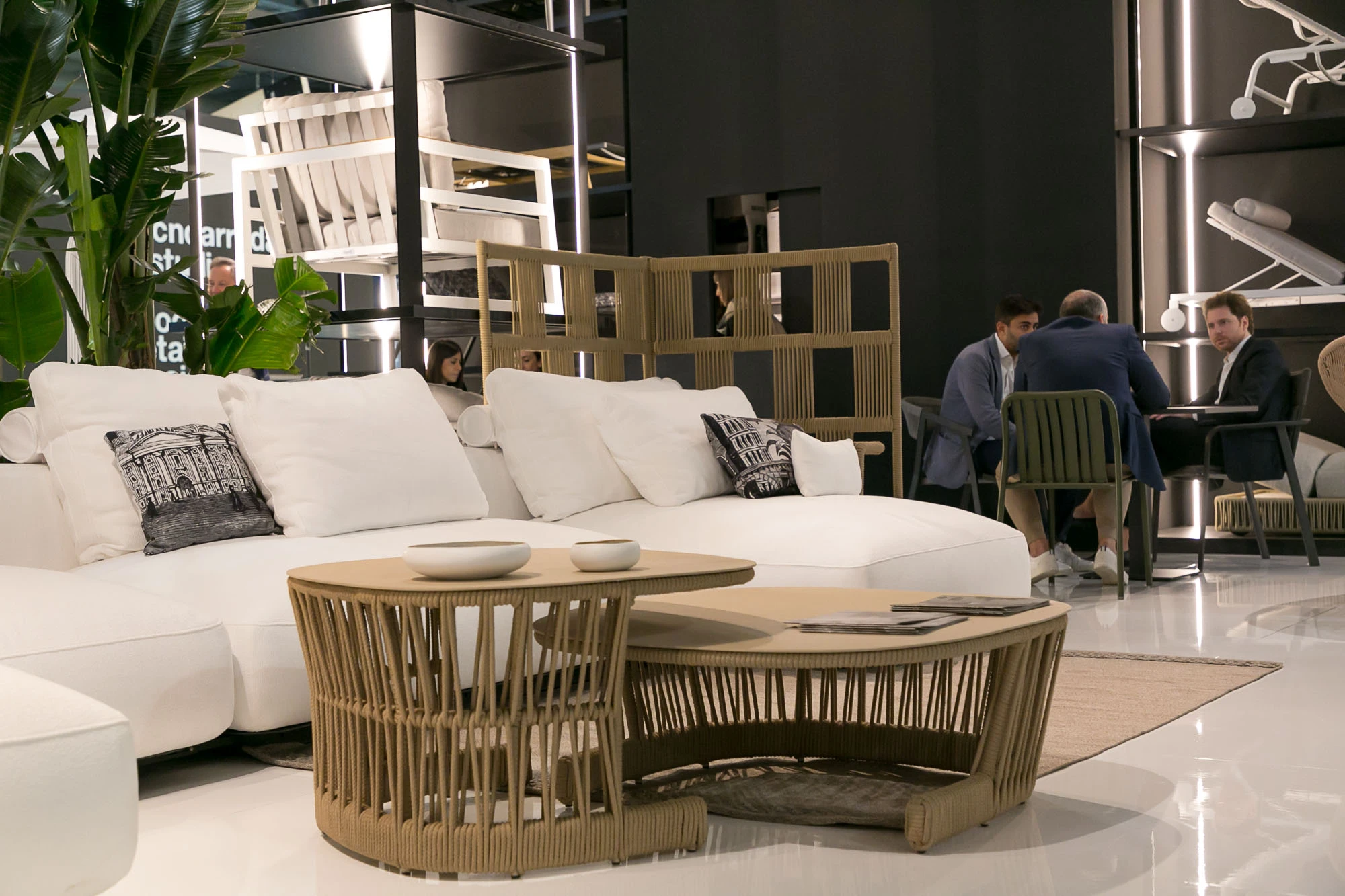
Flexibility will define many of the furniture systems presented at Host Milano 2027. Hospitality spaces must adapt quickly to different uses, from social gatherings to private experiences.
Modular furniture will play a key role:
- Configurable seating systems for dynamic layouts
- Multi-functional pieces that transform easily
- Lightweight structures that support reconfiguration
Architects and designers will find solutions that allow them to rethink space planning without sacrificing style. This approach supports both operational efficiency and creative freedom.
The Return of Craftsmanship
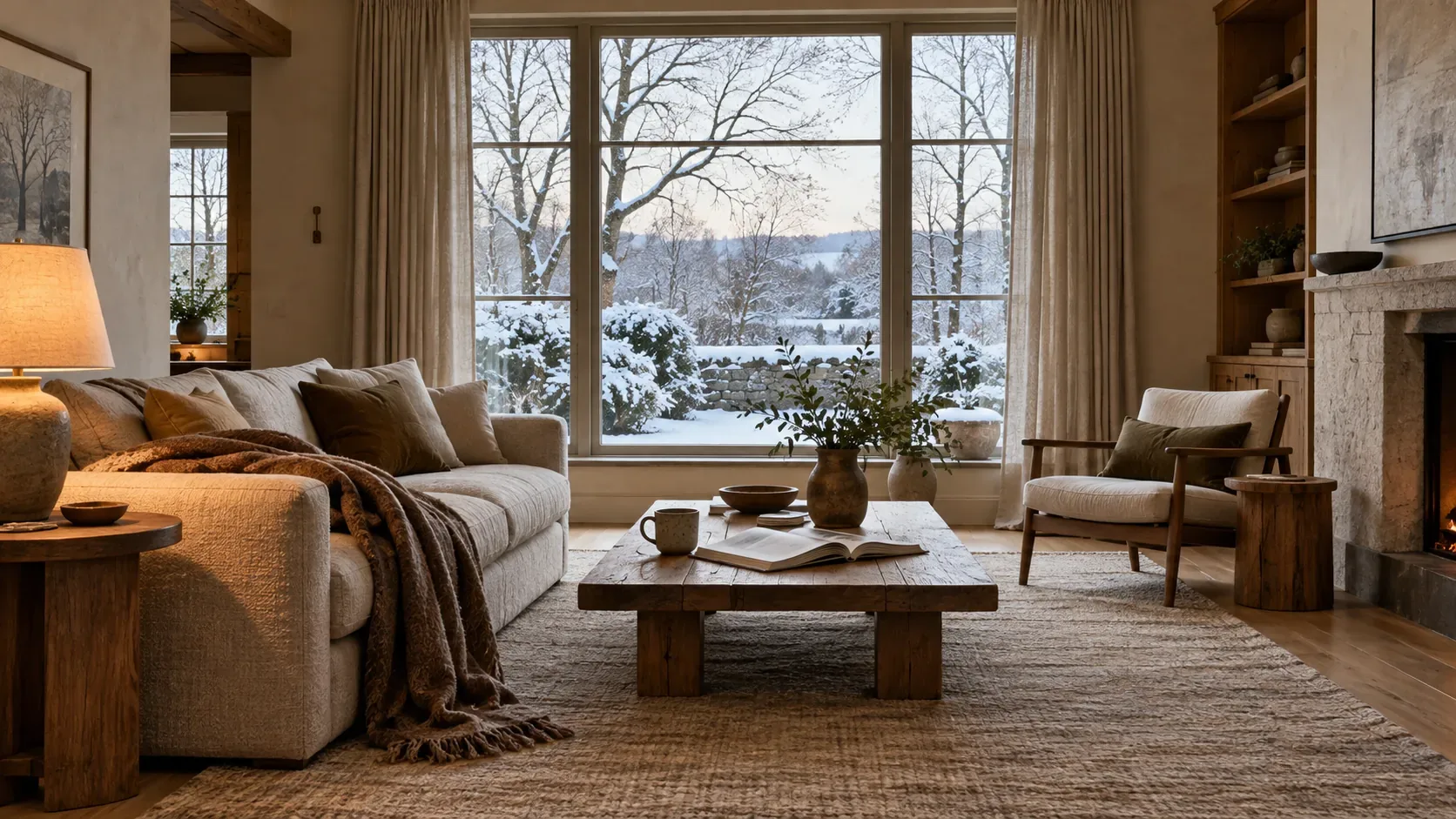
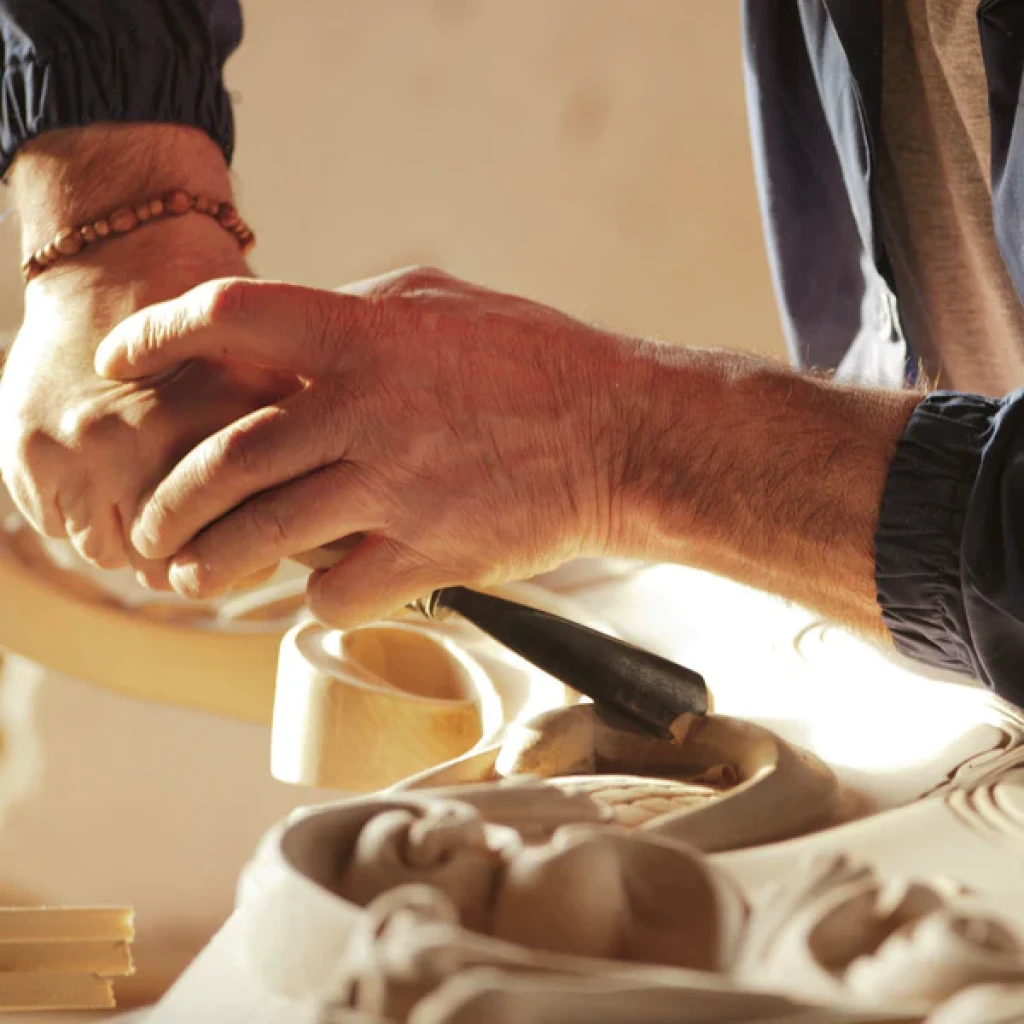
While technology continues to influence design, craftsmanship is making a strong comeback. At Host Milano 2027, expect a renewed appreciation for handcrafted details and artisanal techniques.
This trend reflects a desire for authenticity and uniqueness. Furniture brands will highlight:
- Hand-finished surfaces
- Traditional joinery methods
- Regional craftsmanship reinterpreted for modern interiors
Luxury hospitality projects increasingly demand pieces that tell a story. Craftsmanship provides that narrative, adding depth and cultural value to interior spaces.