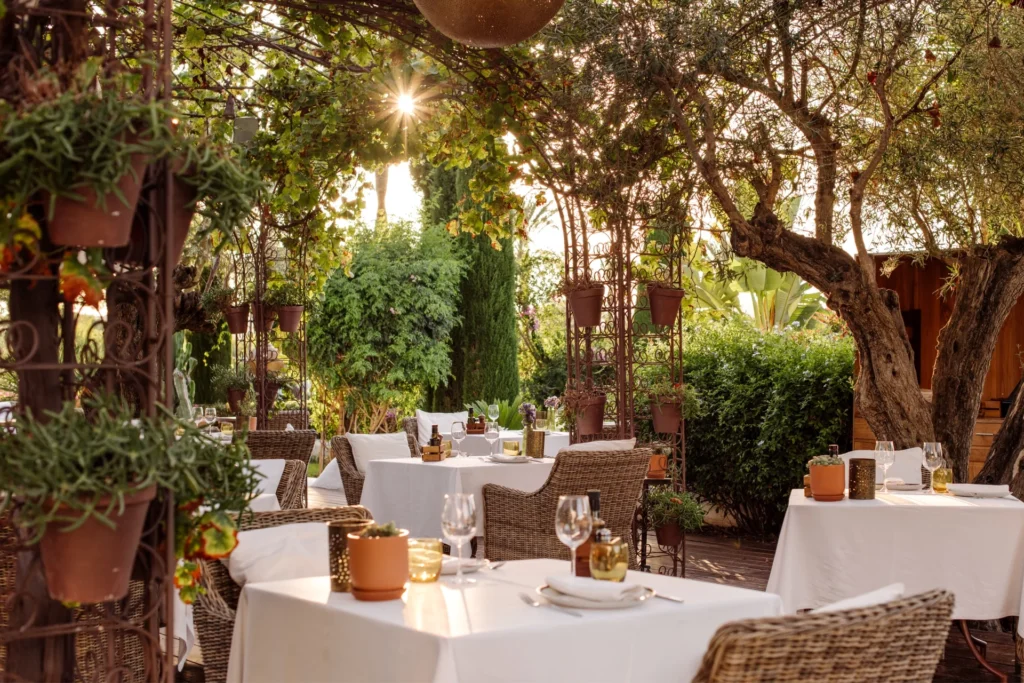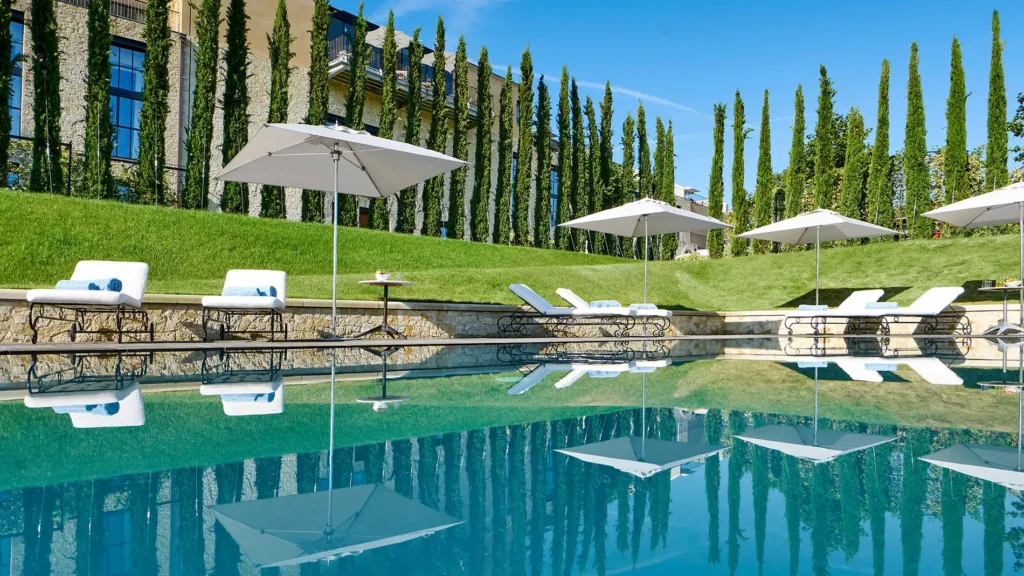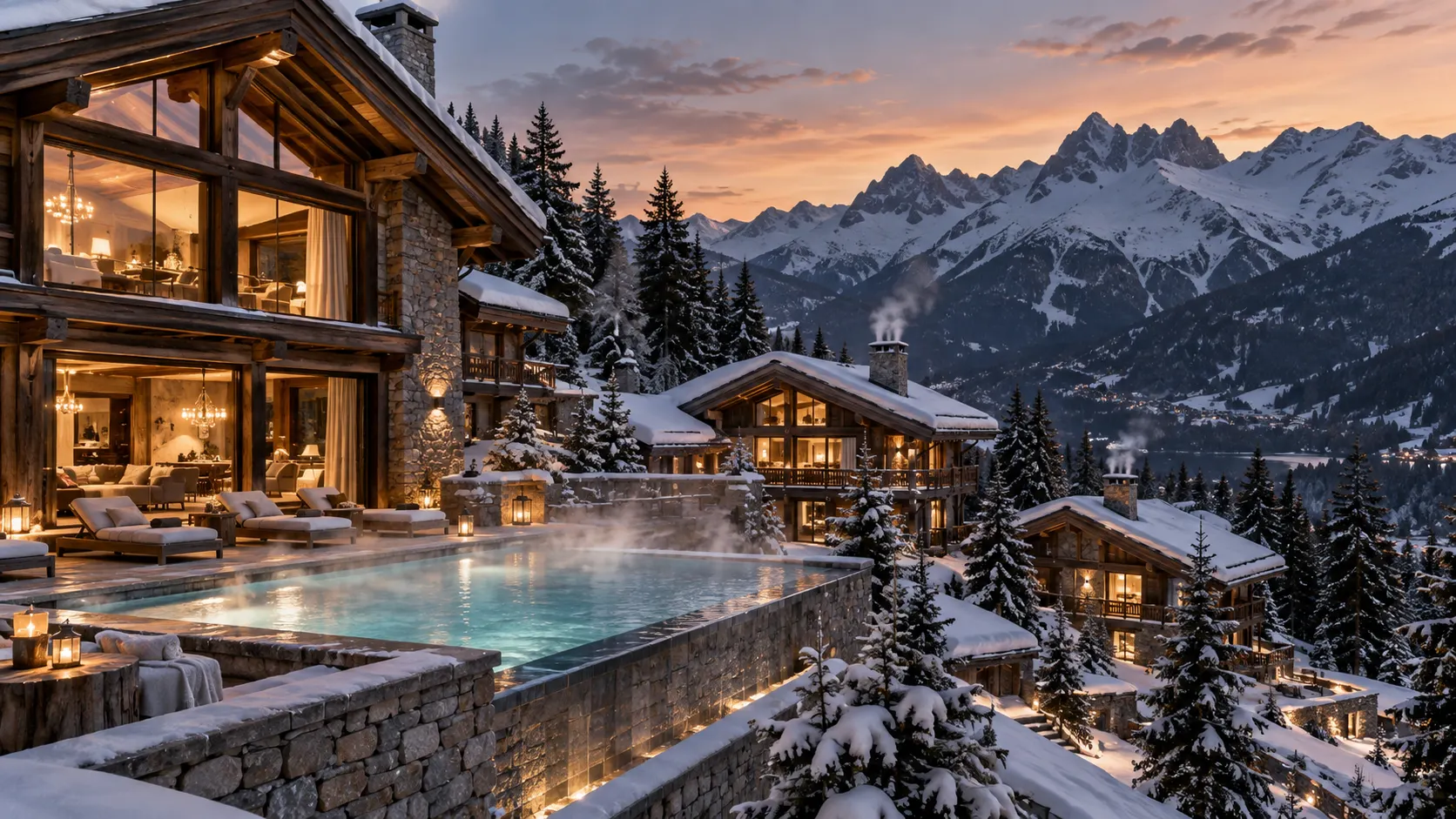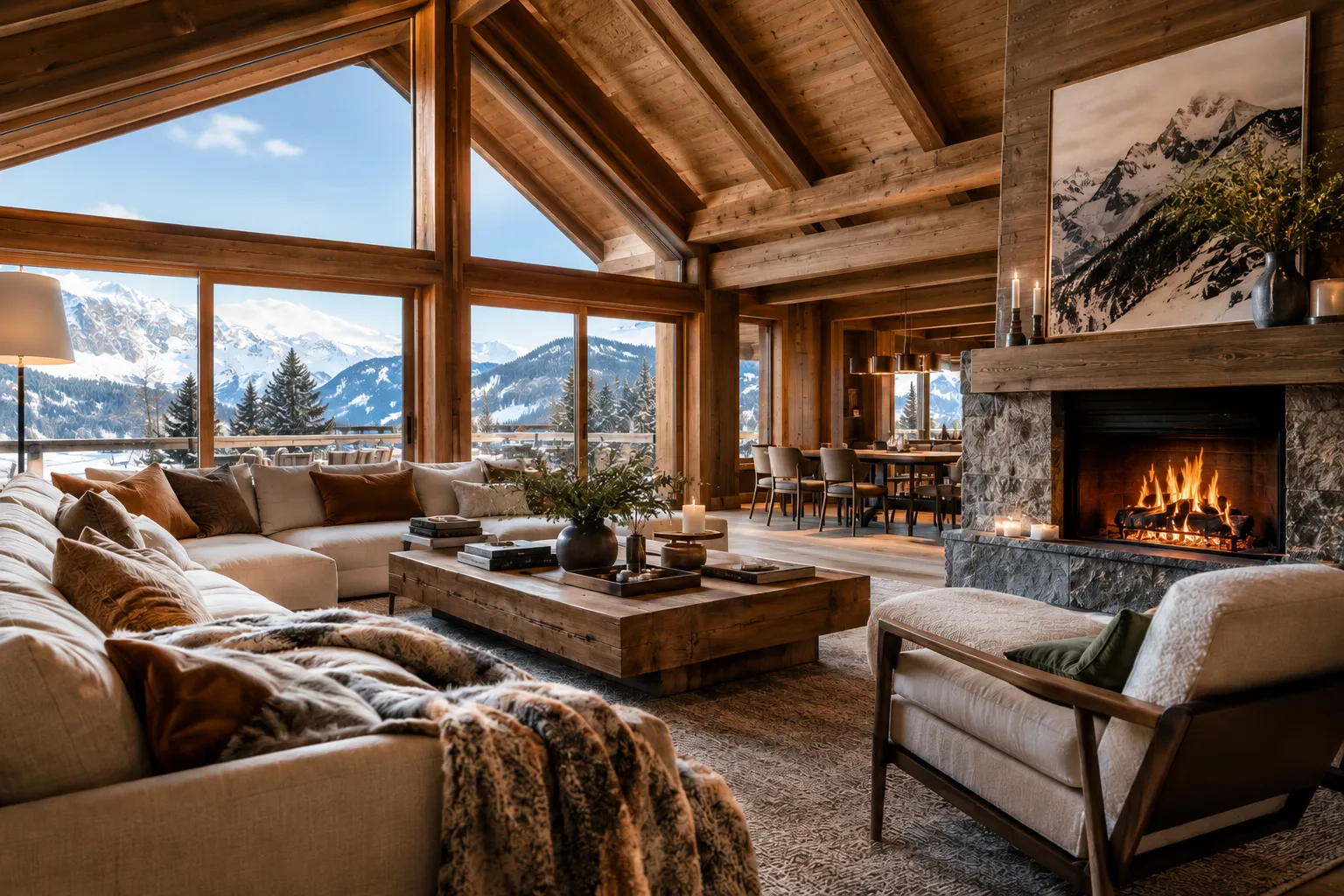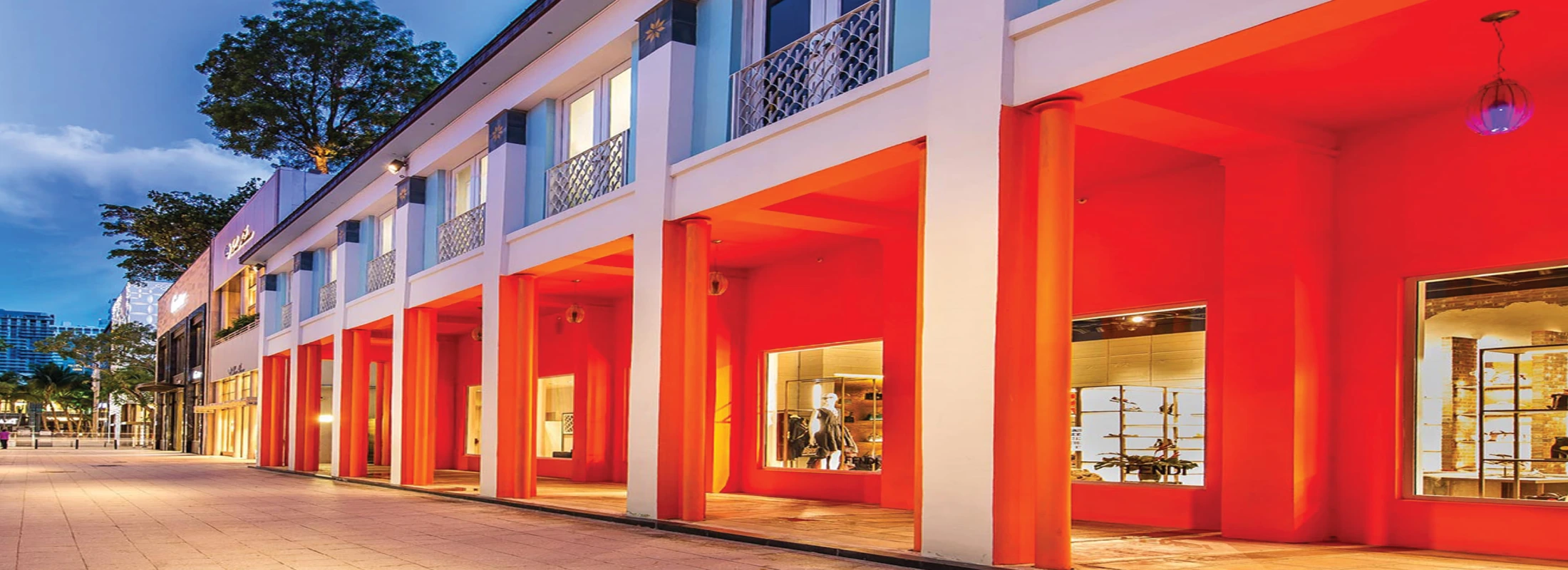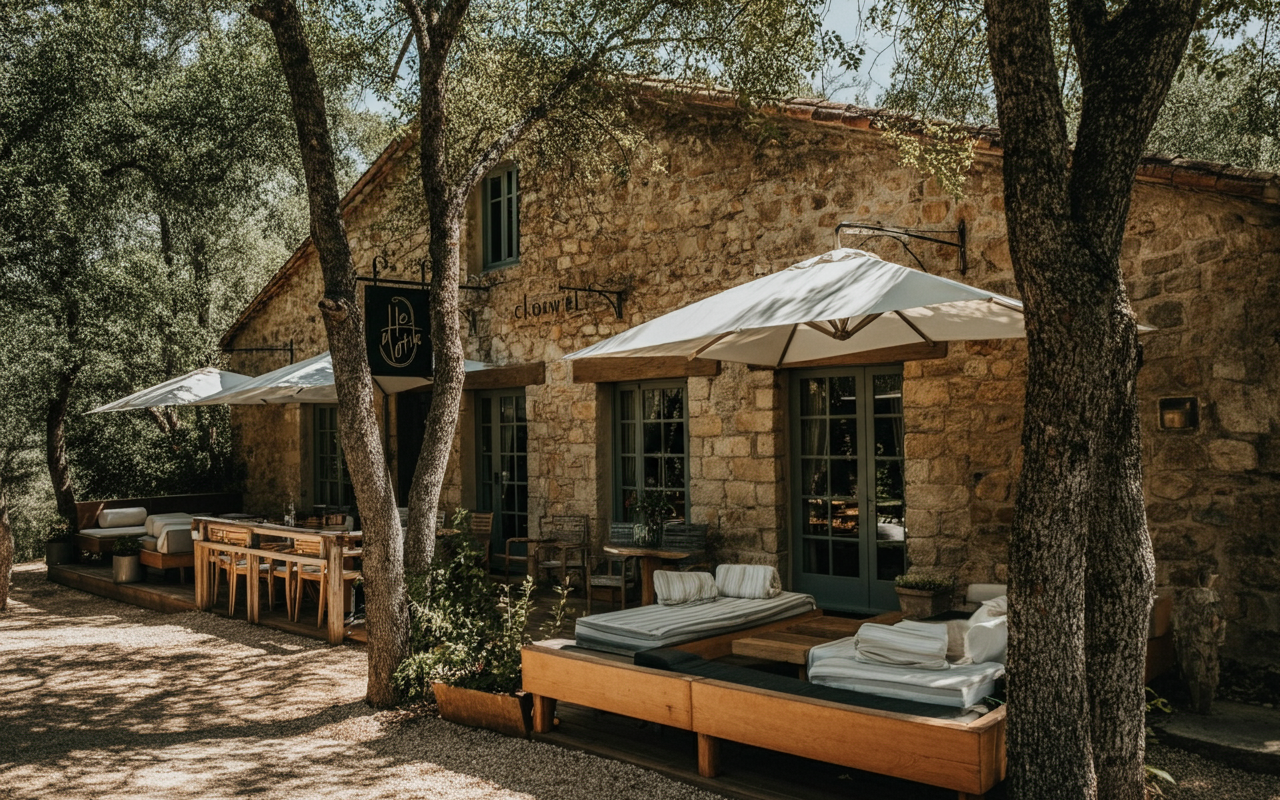
In the evolving landscape of global luxury travel trends, a quiet revolution is underway. Boutique guesthouses, once niche enclaves, have emerged as paragons of design-led hospitality, catering to discerning travelers and design aficionados alike. These curated sanctuaries, nestled in both cosmopolitan cities and idyllic rural corners, are not merely places to rest but immersive environments that encapsulate the spirit of place through architecture, interior design, and personalized service. At “The Handcrafted Living,” we explore how boutique hotels are redefining the very essence of hospitality, inflecting it with artistry, authenticity, and a profound sense of belonging.
The New Definition of Boutique Hotels
Boutique hotels, for all their diversity, share singular values: intimacy, character, and a devotion to thoughtful design. Unlike monolithic hotel chains, these properties reflect a symbiosis between local context and global sophistication. Their architecture often emphasizes adaptive reuse, transforming historical buildings or vernacular structures with modern elegance. For international professionals, architects, designers, and real estate experts, this presents both a challenge and an opportunity to elevate guest experience through innovate spatial narratives.
Key Characteristics of Boutique Guesthouses
- Bespoke Design: Each property is distinguished by its exclusive aesthetic , from curated artworks and artisanal furnishings to regionally sourced materials.
- Personalized Service: Boutique hotels offer tailor-made experiences, connecting guests to local culture, gastronomy, and craftsmanship.
- Contextual Architecture: Design choices are deeply rooted in the surrounding landscape and community, balancing heritage with contemporary luxury.
- Limited Scale: Intimacy is paramount; most boutique guesthouses feature fewer than fifty rooms to ensure a sense of privacy and exclusivity.
Design-Led Hospitality: A Philosophy and Practice
At the core of the boutique hotel movement lies an unwavering commitment to design-led hospitality. This goes far beyond visual allure, prioritizing the guest’s emotional journey and sensory experience. From the spatial choreography of arrival lobbies to the tactile details within guest suites, every element is meticulously considered to evoke mood and narrative.
The Art and Science of Guest Experience
- Architectural Storytelling: Today’s best boutique guesthouses work in dialogue with their setting, urban or rural, coastal or alpine, drawing upon local culture to create distinctive, indelible atmospheres.
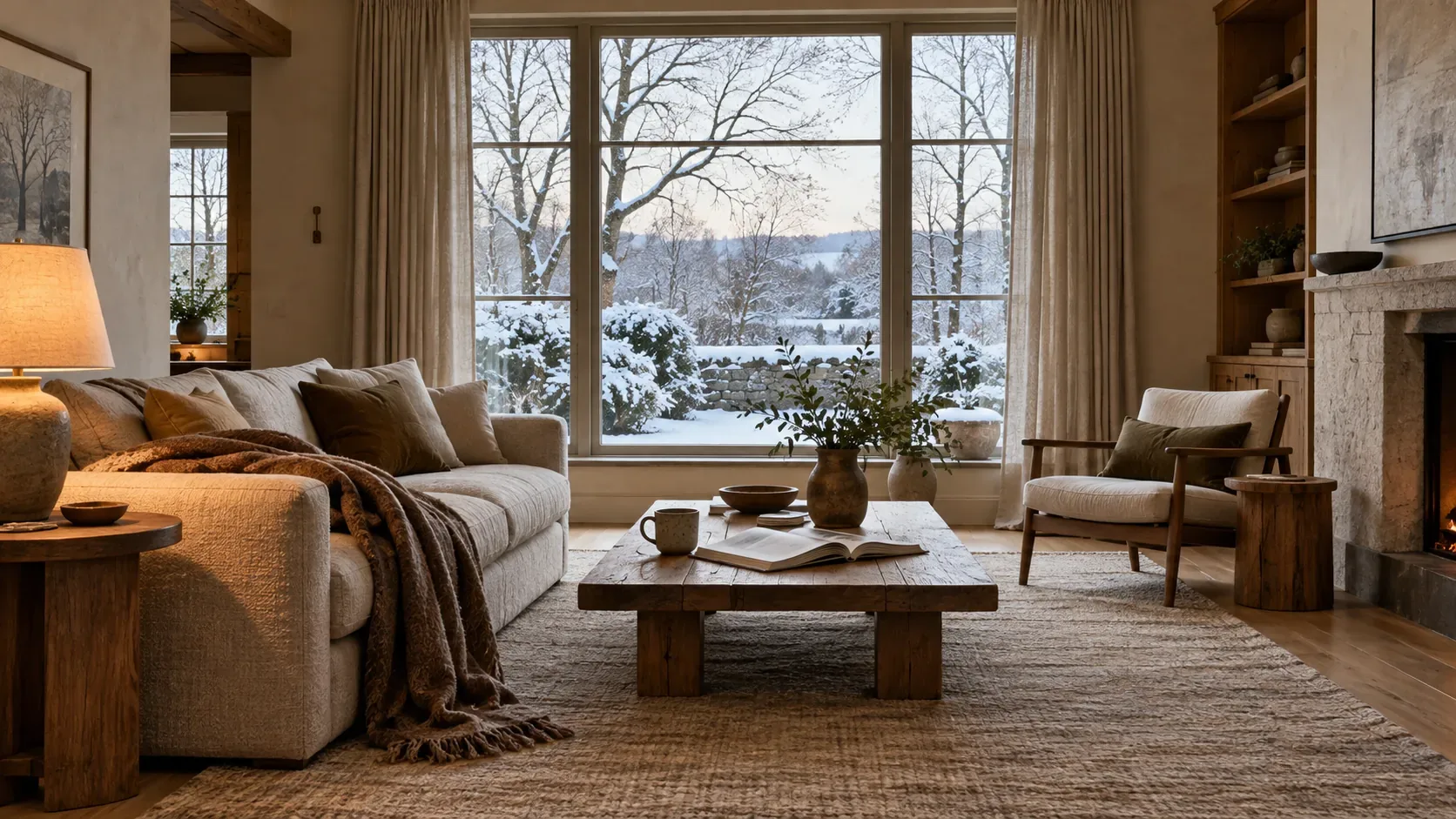
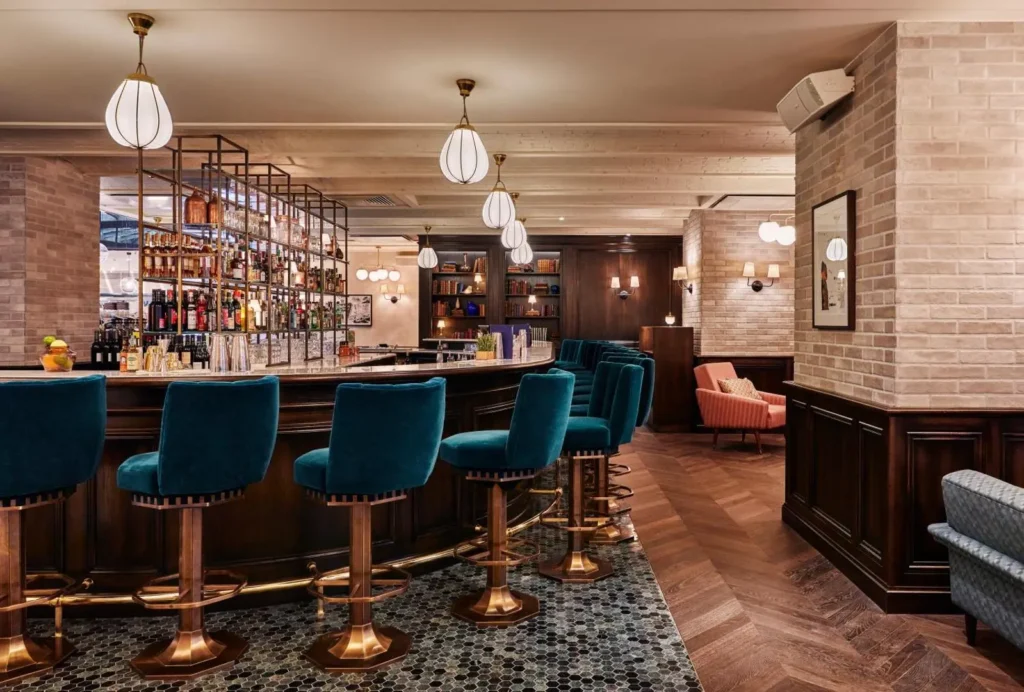
- Curated Interiors: Rather than adhere to generic standards, design priorities lean towards curatorial eclecticism: vintage pieces coexist with avant-garde objects, handwoven textiles, and bespoke lighting.
- Sensory Layering: Design-led hospitality incorporates multisensory cues, from signature scents to custom soundscapes, fostering a sense of intimacy and belonging.
Sustainability Meets Luxury
Increasingly, eco-conscious principles are intrinsic to the most desirable boutique hotels. Developers and designers are employing biophilic materials, upcycled finishes, and solar innovations. These choices resonate with modern luxury travelers who prioritize ethical engagement and environmental stewardship as part of their journey. For the real estate sector, such sustainable integration not only appeals to global sensibilities but also ensures future-proofing amidst shifting market expectations.
Luxury Travel Trends Steering the Boutique Movement
The ascendancy of boutique guesthouses is inexorably linked to broader luxury travel trends. The modern affluent traveler craves something rare: meaningful connection, privacy, and a sense of narrative. The emphasis has shifted away from standardized opulence towards experiences defined by authenticity and contextual relevance.
Key Luxury Travel Trends Reflected in Boutique Guesthouses
- Experiential Journeys: Guests are seeking bespoke adventures, private guided excursions, immersive culinary experiences, and access to exclusive cultural events offered onsite or locally.
- Wellness Immersion: Tranquil spa retreats, farm-to-table dining, and conscious design elements cater to holistic well-being and mindful living.
- Remote and Under-the-Radar Destinations: Sophisticated travelers are drawn to lesser-known regions, where boutique hotels often serve as gateways to unexplored landscapes and communities.
Technology with a Human Touch
Striking a delicate balance, the latest design-led hospitality projects incorporate discreet technologies, contactless check-in, app-driven concierge services, and smart rooms, augmenting convenience without sacrificing warmth or individuality. For hospitality designers and investors, the future belongs to those who seamlessly integrate innovation into the guest journey while maintaining an artisanal spirit.