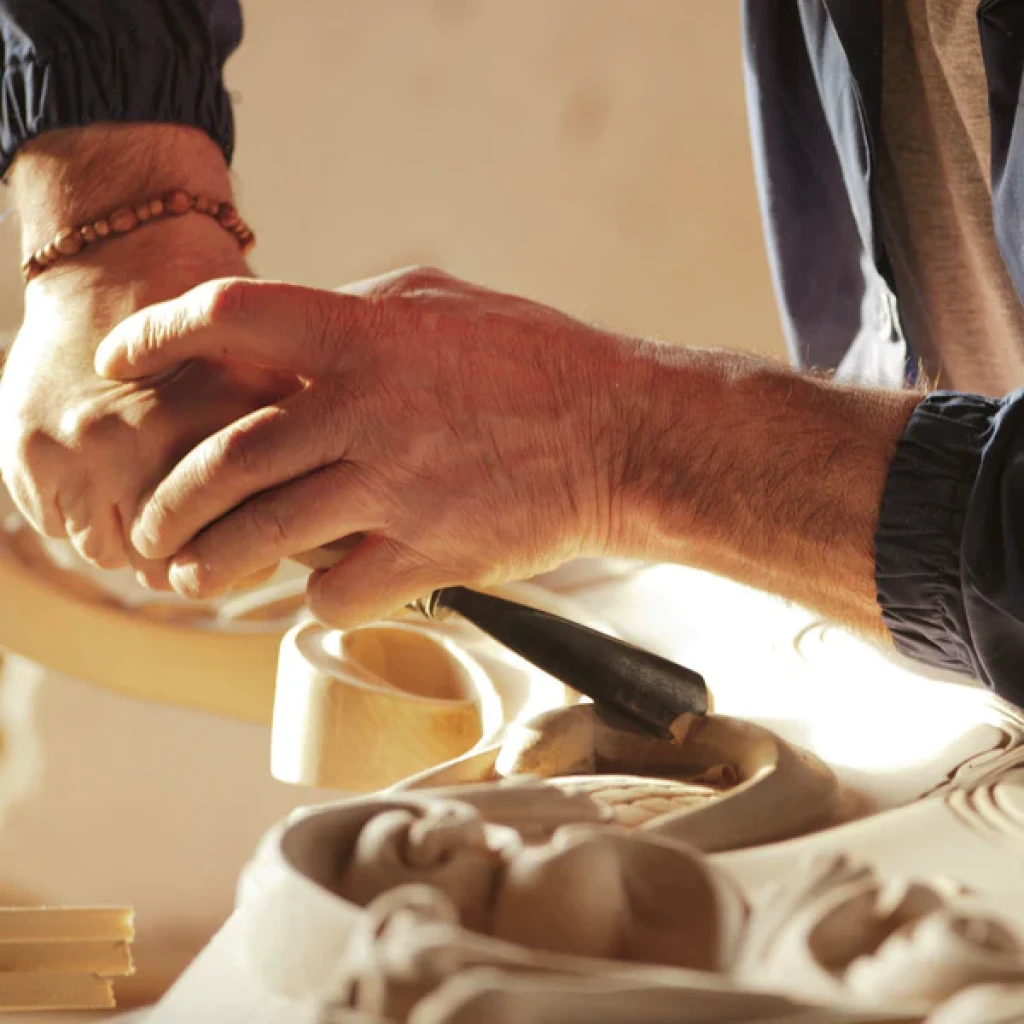
For interior designers, architects, and luxury furniture brands, travel is often more than inspiration—it is research. The world’s most influential design traditions are deeply connected to place, material, and craftsmanship. From Italian woodworking ateliers to Japanese ceramic studios, each region offers unique techniques shaped by centuries of cultural heritage.
This Craftsmanship Travel Guide explores some of the most compelling destinations where design professionals can experience traditional craftsmanship firsthand. From the design capital of Milan to the refined workshops of Kyoto, these locations reveal how material knowledge, artisanal skill, and architectural context continue to shape contemporary design.
For professionals working in interior design, furniture development, or luxury architecture, these destinations offer invaluable insight into the traditions that continue to influence modern design culture.
Milan: The Global Capital of Furniture Craft
Few cities embody the connection between craftsmanship and contemporary design as powerfully as Milan. Known internationally as a design capital, the city has long been a meeting point between traditional Italian craftsmanship and modern industrial production.
During Salone del Mobile, the world’s largest furniture and design fair, workshops, studios and galleries open their doors to designers and brands from around the world. Yet beyond the exhibition halls lies a deeper layer of artisanal knowledge.
In neighborhoods such as Brera and Navigli, designers can still find family-run ateliers specializing in:
- Custom wood furniture
- Stone carving
- Decorative metalwork
- Hand-finished upholstery
Italian furniture brands continue to rely on these workshops for prototyping and limited-edition production. For interior designers and luxury studios, visiting Milan offers a rare opportunity to see how heritage craftsmanship integrates with contemporary product design.
Florence: Where Renaissance Craft Still Shapes Design
South of Milan lies Florence, a city synonymous with artistic mastery and material innovation. During the Renaissance, Florence became a center for sculpture, architecture, and decorative arts that influenced design across Europe.
Today, the city remains a living laboratory of craftsmanship.
Artisans in Florence continue to practice centuries-old techniques such as:
- Florentine marquetry
- Hand-gilding
- Leather crafting
- Mosaic stone inlay known as pietra dura
Institutions such as Scuola del Cuoio train new generations of artisans while preserving traditional methods.
For furniture designers and interior architects, Florence demonstrates how heritage craftsmanship can coexist with modern luxury design—particularly in hospitality, residential interiors, and custom furniture production.
Copenhagen: Nordic Simplicity and Precision Craft
Traveling north, Copenhagen offers a different perspective on craftsmanship: one rooted in minimalism, material honesty, and precision woodworking.
The Scandinavian design tradition emphasizes function, proportion, and the tactile quality of natural materials. This philosophy is evident in the legacy of influential designers such as Hans J. Wegner, whose chair designs remain icons of modern furniture craftsmanship.
Many Copenhagen workshops still produce furniture using traditional joinery techniques, including:
- Solid oak and ash construction
- Hand-shaped wooden components
- Natural oil finishes
- Precision upholstery
For furniture brands and product designers, Copenhagen represents a powerful example of how craftsmanship can drive design innovation while maintaining simplicity and sustainability.
Marrakech: Craft Traditions of Color and Texture
Moving toward North Africa, Marrakech introduces a dramatically different design language. The city’s craftsmanship culture is defined by intricate patterns, vibrant materials, and centuries-old decorative techniques.
The historic Medina of Marrakech remains one of the most vibrant craft markets in the world.
Designers exploring the city will encounter artisans working in:
- Hand-carved cedar wood
- Zellige mosaic tile
- Brass and copper metalwork
- Handwoven Berber textiles
These crafts have significantly influenced contemporary hospitality and residential design across the Mediterranean and Middle East.
For interior designers and luxury studios, Marrakech offers inspiration in texture, color layering, and ornamental craftsmanship rarely found in Western design traditions.

Kyoto: Japan’s Capital of Craft Culture
At the eastern end of this Craftsmanship Travel Guide lies Kyoto, one of the most refined centers of craftsmanship in the world.
For more than a thousand years, Kyoto served as Japan’s imperial capital, fostering highly specialized artisan traditions connected to architecture, tea culture, and ceremonial arts.
Many of these traditions remain active today.
Design professionals visiting Kyoto can explore workshops dedicated to:
- Japanese woodworking and joinery
- Handmade ceramics
- Textile dyeing techniques such as yuzen
- Bamboo craftsmanship
One of the most influential cultural practices connected to Japanese craftsmanship is the Japanese Tea Ceremony. The ritual emphasizes simplicity, natural materials, and careful attention to detail—values that deeply influence Japanese architecture and interior design.
For architects and designers, Kyoto offers a powerful lesson in how craftsmanship can shape spatial philosophy.
How Craftsmanship Influences Contemporary Design
Across these destinations—from Milan to Kyoto—one theme becomes clear: craftsmanship is not merely a historical tradition. It continues to shape the future of design.
For professionals working in luxury interiors, furniture design, and architecture, craftsmanship provides several key advantages:
Material authenticity
Traditional techniques reveal the true qualities of wood, stone, metal, and textiles.
Design differentiation
Handcrafted elements allow luxury brands to create distinctive products and interiors.
Cultural storytelling
Each craft tradition carries regional narratives that enrich the identity of design projects.
Sustainability
Many traditional techniques rely on local materials and long-lasting construction methods.
These principles increasingly influence contemporary luxury design, particularly in hospitality, residential architecture, and collectible furniture.
The Future of Craftsmanship Travel
As global design continues to evolve, designers are increasingly seeking deeper connections with materials and making processes.
Travel focused on craftsmanship allows professionals to move beyond digital inspiration and engage directly with the hands and minds behind exceptional design objects.
This Craftsmanship Travel Guide highlights only a few of the world’s most influential destinations, yet it illustrates an essential truth: great design often begins in small workshops, where artisans transform raw materials into objects of lasting beauty.
For interior designers, architects, and luxury furniture brands, exploring these destinations offers more than inspiration—it provides a deeper understanding of how craftsmanship continues to define the highest levels of design excellence.