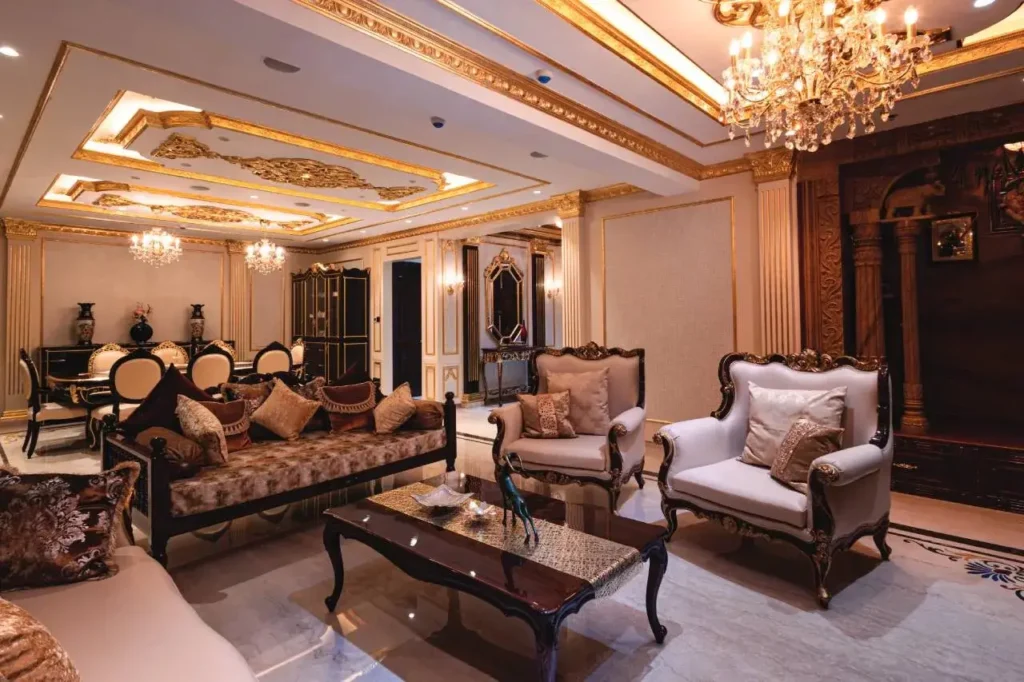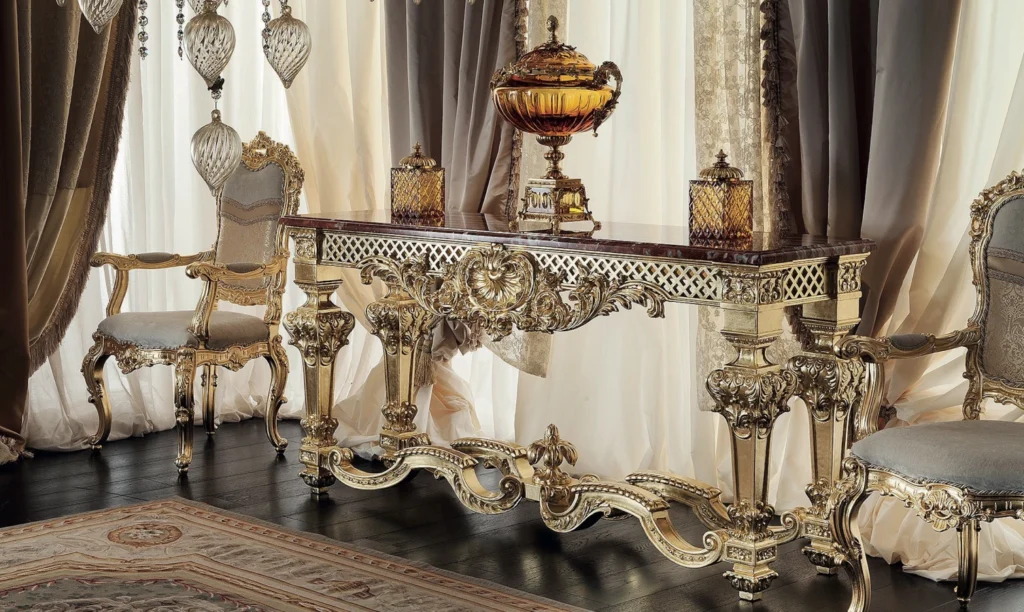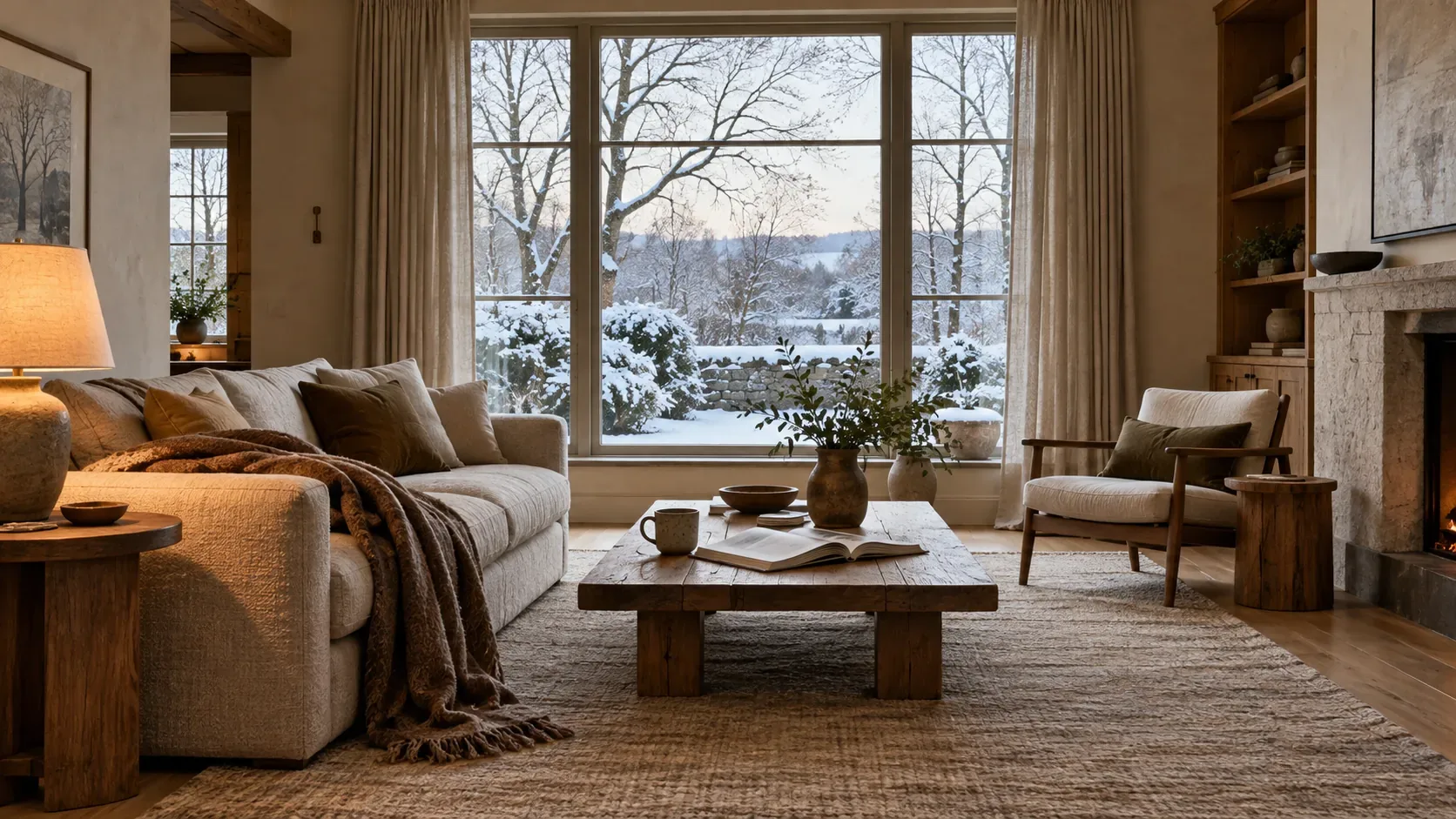
In the realm of luxury residential design, the influence of travel has emerged as a powerful muse, transcending mere aesthetics to shape the very ethos of high-end interiors. Today’s homeowners, architects, and interior designers do not simply pursue the curation of beautiful living spaces—they sculpt immersive sanctuaries that reflect a cultivated awareness of the world, drawing upon global design trends and the emotive language of distant lands. This editorial explores how travel-inspired interiors are redefining modern luxury homes, weaving together culture, memory, and artistry to create truly individualized environments.
How Journeys Translate Into Design Narratives
Every journey, whether it unfolds along the boulevards of Paris, the souks of Marrakesh, or the tranquil coasts of the Amalfi, captivates the senses. For those leading the evolution of luxury interiors, these global encounters are not passive experiences—they are creative catalysts. Interior language becomes a personal narrative, told through artisanal pieces, color palettes reflective of a cityscape, and textures reminiscent of ancient markets. By embracing travel-inspired interiors, designers and homeowners invite the essence of far-off places to reside harmoniously within their private sanctuaries.
Curating Authenticity: The Rise of Bespoke, Travel-Inspired Interiors
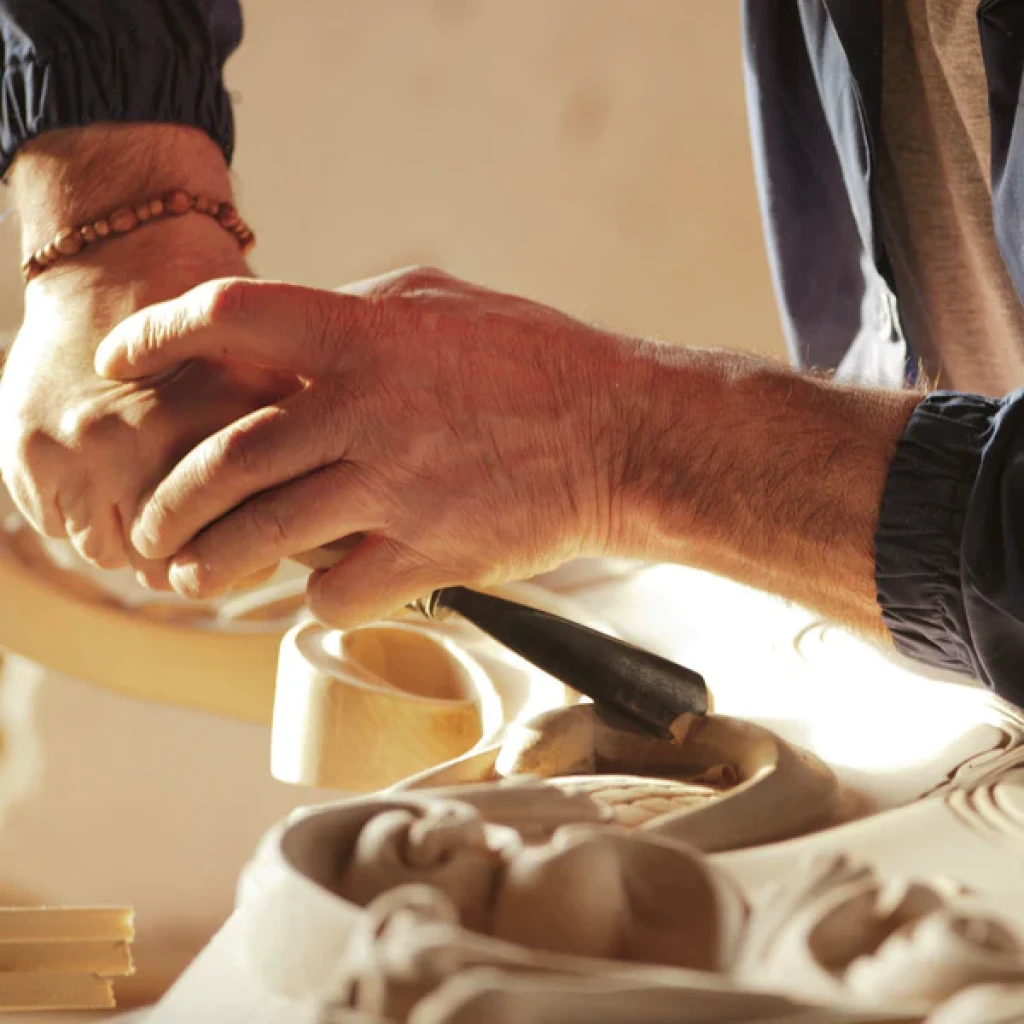
The contemporary luxury home is increasingly characterized by authenticity rather than opulence alone. Travel-inspired interiors draw from genuine encounters with craftspeople, local materials, and time-honored techniques discovered abroad. The results are uniquely layered spaces:
- Hand-knotted Berber rugs conveying the tactile story of the Atlas Mountains.
- Italian Murano glass light fixtures glowing softly above a modernist dining table.
- Textured Japanese washi paper enveloping a serene bedroom retreat.
These curated details do more than embellish—they serve as talking points, infusing interiors with gravitas and a sense of collected wisdom that resonates with global design trends.
Cross-Cultural Eclecticism: Beyond Borders
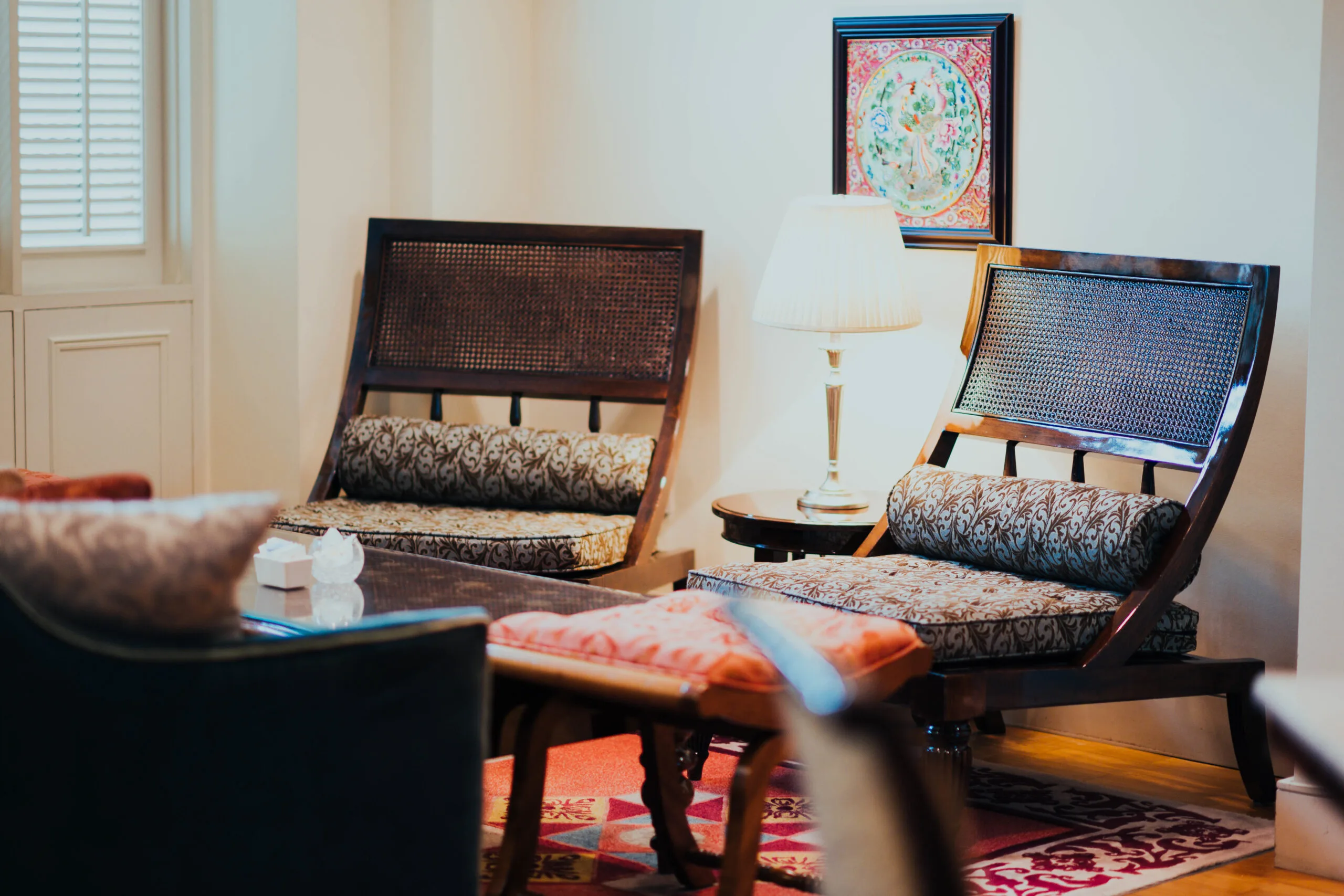
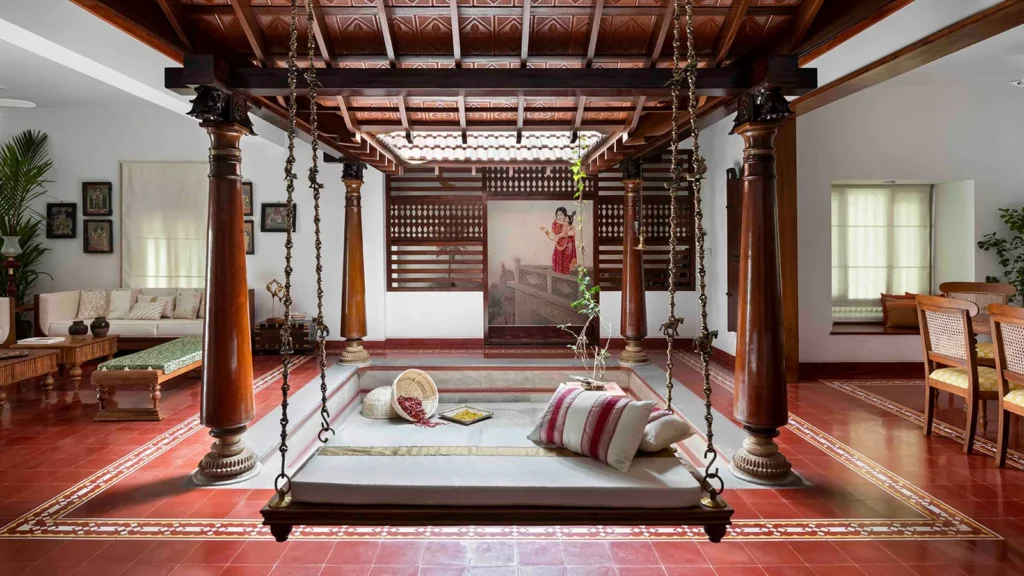
Luxury interiors no longer conform to the confines of a single nation or movement. The new paradigm is one of deliberate eclecticism, where Mediterranean ceramics share space with Scandinavian joinery or African tribal art coexists with French antique mirrors. Through this lens:
- The boundaries between contemporary and traditional dissolve.
- Local craftsmanship is revered alongside rare finds from international auctions.
- Color, form, and function are orchestrated across continents, guided by deeply personal sensibilities shaped by travel.
This cross-cultural approach not only elevates the visual language of a property but also imbues it with a spirit of worldliness highly prized by today’s internationally-minded clientele.
From Inspiration to Implementation: Key Elements of Travel-Inspired Interiors
Translating memories from global journeys into tangible design requires both mastery and restraint. True luxury eschews superficial mimicry in favor of considered integration. Here, we explore essential elements to realize sophisticated travel-inspired interiors that reflect global design trends.
1. Artisanal and Handcrafted Finds
Luxury homeowners increasingly seek pieces whose origins tell a story—bespoke Moroccan zellige tiles, Oaxacan pottery, or Indian block-printed textiles that bear the maker’s touch. Incorporating these artifacts:
- Anchors a space in authenticity and narrative richness.
- Supports sustainable global craftsmanship.
- Serves as a gentle reminder of transformative journeys.
2. Color Palettes and Materiality
Subtlety in color and material can evoke distant regions without resorting to pastiche. Consider:
- Washed terra-cotta reminiscent of Tuscan villas.
- Chalky blues and ochres from Aegean shorelines.
- Textural layers of Mongolian cashmere, Belgian linen, or Balinese rattan.
Such choices create harmony between travel’s sensory impressions and refined residential comfort.
3. Spatial Planning and Flow
International hotels and villas shape expectations for living spaces that flow seamlessly between indoors and outdoors. Architects and designers are:
- Integrating Mediterranean-style loggias for al fresco dining.
- Drawing upon Ryokan-inspired minimalism for tranquil lounges.
- Creating fluid transitions reminiscent of Bali’s open-air pavilions.
These spatial sensibilities offer luxurious, travel-inspired experiences daily, without ever leaving home.