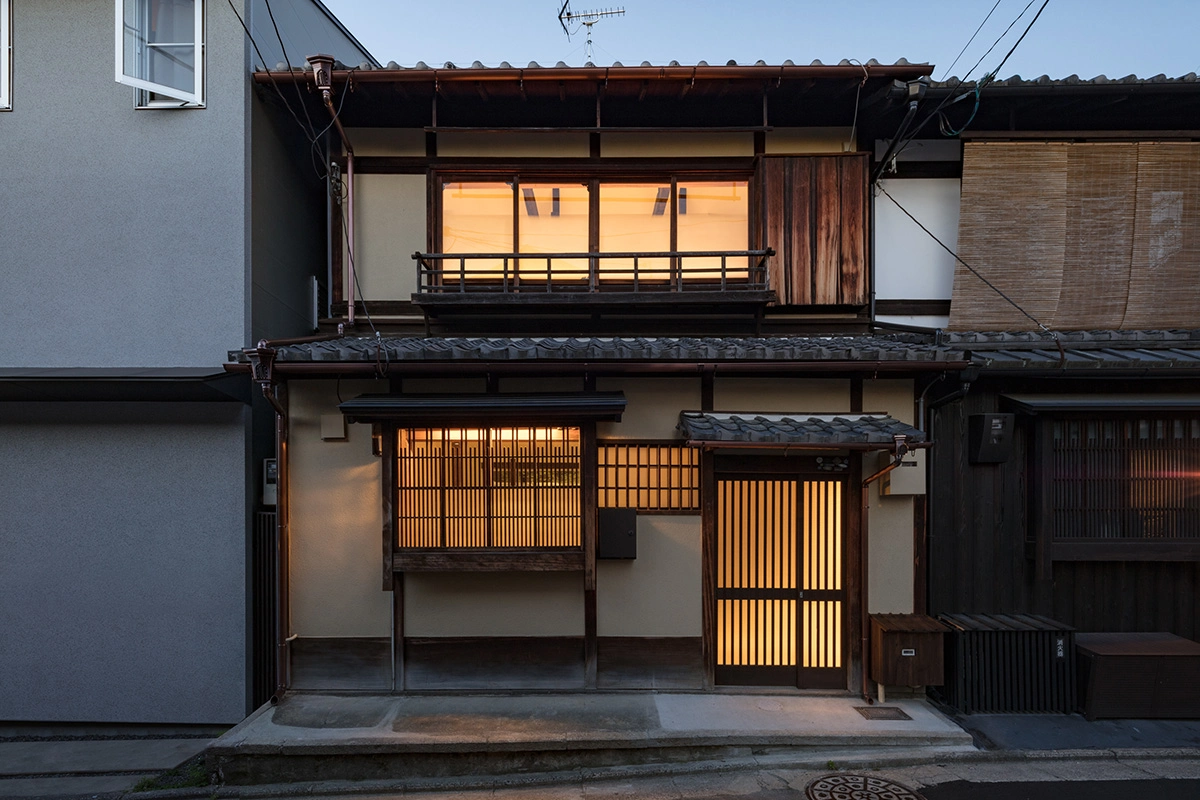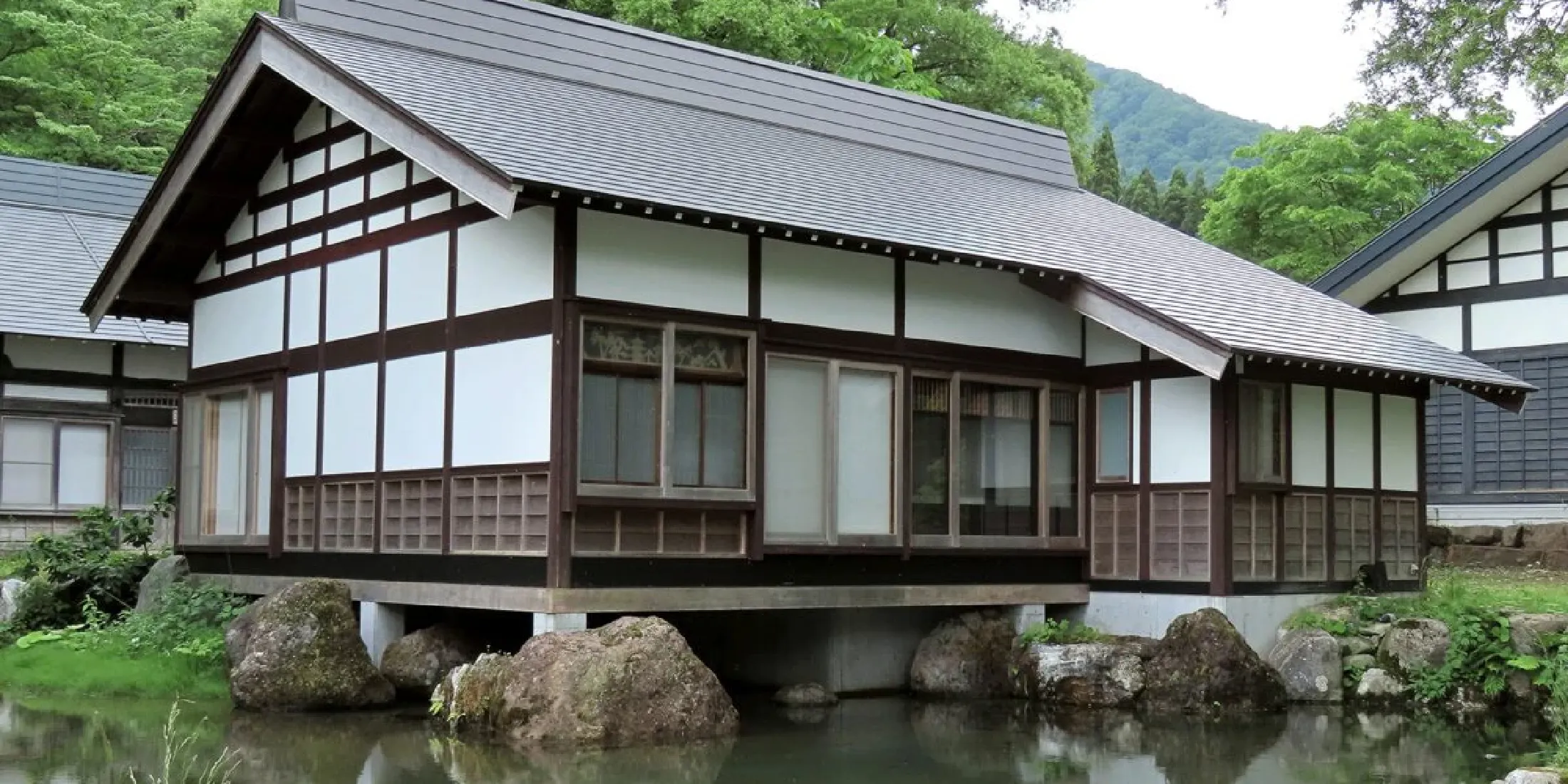
Exploring Japanese Traditional Craft: Architecture and Design

Japanese Traditional Craft: Architecture and Design

Japanese Traditional Craft continues to shape some of the most refined architecture and design practices in the world. Rooted in centuries of cultural evolution, these crafts emphasize precision, material honesty, and a deep respect for nature. Today, interior designers, architects, and luxury furniture brands increasingly draw inspiration from Japan’s artisanal heritage to create spaces that feel timeless, balanced, and deeply intentional.

From the historic streets of Kyoto to contemporary residences in Tokyo, traditional craftsmanship remains a living practice—constantly evolving while preserving its core philosophy.

The Philosophy Behind Japanese Traditional Craft

At the heart of Japanese Traditional Craft lies a philosophy that values simplicity, imperfection, and harmony. Concepts such as wabi-sabi (the beauty of imperfection) and ma (the use of negative space) influence both architecture and product design.

Rather than emphasizing ornamentation, Japanese design celebrates restraint. Every element serves a purpose, and nothing feels excessive. This approach resonates strongly with modern luxury interiors, where clarity and calmness often define the most sophisticated spaces.

Craftsmanship in Japan also prioritizes longevity. Artisans dedicate years—often decades—to mastering a single technique, resulting in objects and structures that reflect exceptional skill and durability.

Architectural Foundations: Timber and Joinery

Traditional Japanese architecture relies heavily on wood, a material chosen for its flexibility, availability, and natural beauty. Structures often feature post-and-beam construction, allowing buildings to respond to environmental conditions such as earthquakes.

One of the most remarkable aspects of this approach is the use of intricate joinery techniques, known as Kumiko. These methods eliminate the need for nails or screws, instead relying on precisely cut interlocking joints.

This level of craftsmanship creates structures that feel both lightweight and robust. It also allows for disassembly and repair, extending the lifespan of buildings.

For contemporary architects, these techniques offer valuable insight into sustainable construction and material efficiency. Many modern projects reinterpret traditional joinery through digital fabrication, bridging past and present.
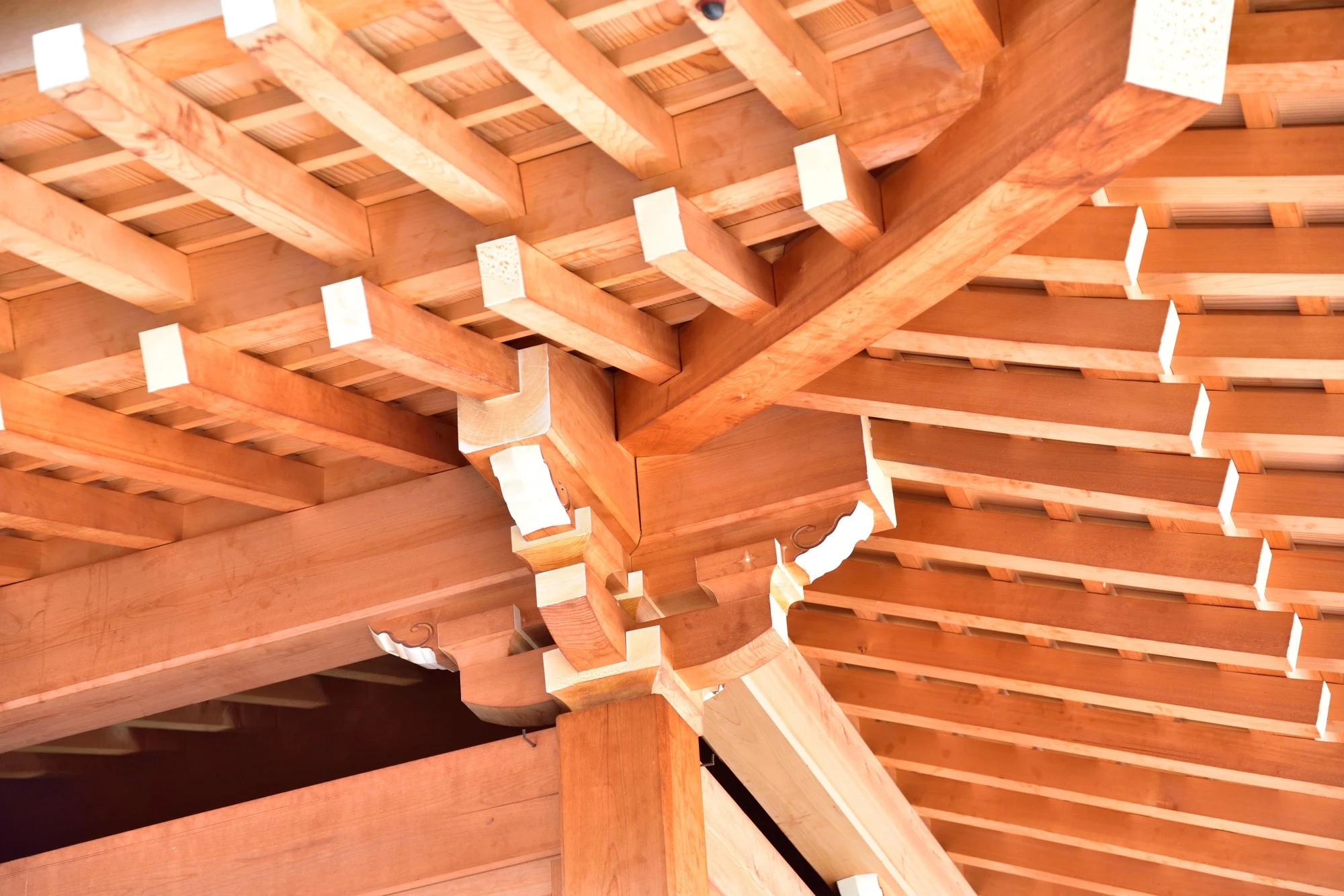
Japanese Traditional Craft: Architecture and Design with Timber and Joinery

Interior Design: Space, Light, and Flexibility

Japanese interiors reflect a strong connection between architecture and daily living. Spaces remain flexible, often defined by movable partitions such as Shoji screens and Fusuma panels.

These elements allow rooms to adapt to different functions throughout the day. A single space can transform from a living area into a dining room or sleeping space with minimal effort.

Natural light plays a central role in shaping these interiors. Shoji screens diffuse sunlight, creating soft, ambient illumination that enhances the perception of space. Shadows become part of the design, adding depth and subtle contrast.

Minimal furniture further emphasizes openness. Low-profile seating, clean lines, and uncluttered layouts create an environment that feels calm and intentional—qualities highly sought after in luxury residential and hospitality design.

Material Integrity and Natural Finishes

Japanese Traditional Craft places strong emphasis on material authenticity. Wood, paper, clay, and stone appear in their most natural forms, often untreated or lightly finished to highlight texture and grain.

This approach creates a sensory experience. Surfaces invite touch, and materials age gracefully over time, developing character rather than deteriorating.

In modern interiors, this philosophy aligns with the growing demand for sustainable and tactile materials. Designers increasingly specify finishes that feel genuine and enduring, avoiding overly processed or artificial alternatives.

For furniture brands, this translates into collections that prioritize craftsmanship over mass production. Hand-finished surfaces, visible joinery, and natural textures become defining features.

Nolita Harbour Logo

The Specialists in Bespoke

Turn your Designs into Reality with Nolita Harbour

Ceramics and Decorative Craft in Design

Beyond architecture, Japanese Traditional Craft extends into decorative arts such as ceramics, lacquerware, and textiles. These elements often serve as focal points within interiors, adding depth and cultural richness.

The tradition of Kintsugi, for example, transforms broken objects into works of art by highlighting their fractures with gold. This technique reflects a broader design philosophy—embracing imperfection rather than concealing it.

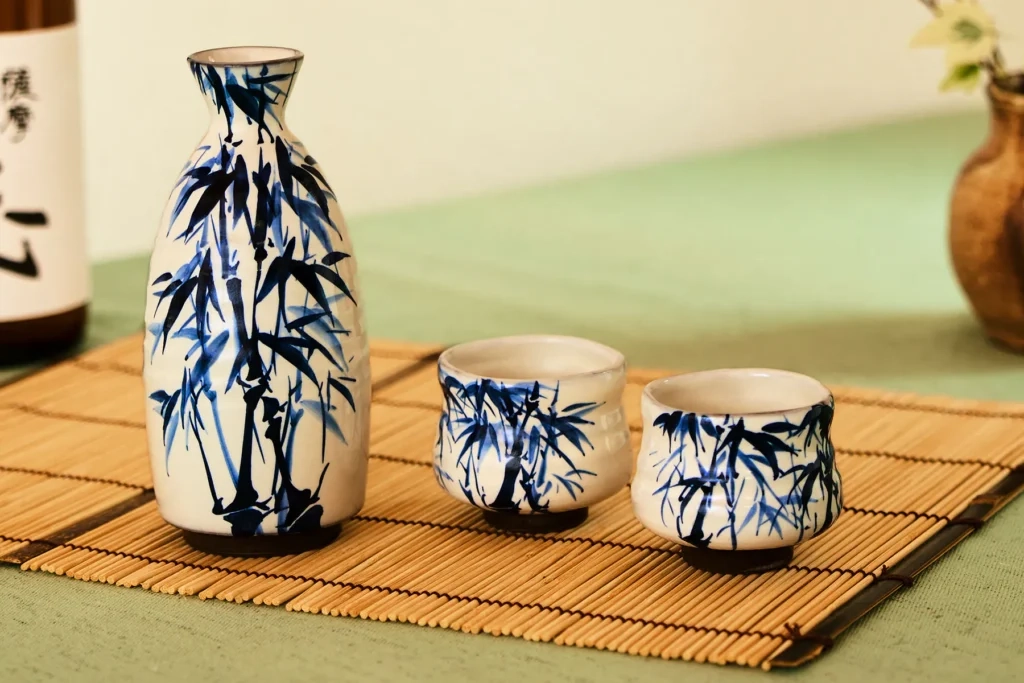
Ceramic pieces, whether functional or decorative, often feature subtle glazes and organic forms. They complement minimalist interiors by introducing texture without overwhelming the space.

Textiles such as indigo-dyed fabrics and handwoven materials further enrich interiors, providing warmth and visual contrast.

Japanese Traditional Craft: Architecture and Design with Ceramics

Outdoor Design and the Connection to Nature

Japanese Traditional Craft extends seamlessly into outdoor spaces. Gardens, courtyards, and transitional zones reflect the same principles of balance and restraint found indoors.

Elements such as stone pathways, water features, and carefully placed vegetation create compositions that feel natural yet highly intentional. The goal is not to replicate nature, but to interpret it.

Engawa—covered outdoor corridors—serve as transitional spaces between interior and exterior environments. These areas encourage movement and contemplation, reinforcing the connection to the surrounding landscape.

For outdoor designers, this approach highlights the importance of proportion, material continuity, and spatial flow. It demonstrates how outdoor architecture can enhance the overall experience of a property without relying on excessive elements.

Influence on Contemporary Global Design

Japanese Traditional Craft continues to influence global design across multiple disciplines. Minimalist architecture, modular interiors, and sustainable material practices all draw from Japanese principles.

Luxury design studios often incorporate these elements into high-end projects, blending them with contemporary aesthetics. The result feels both modern and timeless—an essential quality in today’s competitive design landscape.

Furniture brands also reinterpret traditional forms, creating pieces that reflect Japanese craftsmanship while meeting modern expectations for comfort and functionality.

This cross-cultural exchange ensures that Japanese Traditional Craft remains relevant, evolving alongside global design trends while maintaining its distinct identity.

Japanese Traditional Craft: Architecture and Design with Ceramics

Precision and Detail in Every Element

Attention to detail defines every aspect of Japanese Traditional Craft. From the alignment of wooden joints to the placement of a single stone in a garden, each decision contributes to the overall composition.

This precision extends to proportions, spacing, and material transitions. Nothing appears accidental. Every element exists in harmony with its surroundings.

For architects and designers, this level of refinement sets a benchmark for quality. It encourages a more deliberate approach to design—one that values clarity, intention, and craftsmanship.

A Timeless Framework for Modern Design

Japanese Traditional Craft offers more than aesthetic inspiration—it provides a framework for creating spaces that feel balanced, functional, and enduring. Its emphasis on natural materials, flexible layouts, and thoughtful detailing aligns seamlessly with the demands of modern luxury design.

As interior designers, architects, and furniture brands continue to seek authenticity and innovation, the influence of Japanese craftsmanship remains indispensable. It demonstrates that true sophistication lies not in excess, but in the careful orchestration of form, material, and space.

In a rapidly evolving design landscape, Japanese Traditional Craft stands as a powerful reminder that simplicity, when executed with precision and intention, can achieve extraordinary results.

Join our Newsletter

Subscription Form

Share on:

Nolita Harbour Logo

The Specialists in Bespoke

Turn your Designs into Reality with Nolita Harbour

Read More

Visitors approaching the glass-fronted entrance of Feria Valencia beneath the Cevisama 2020 banner.

Cevisama 2026: A New Chapter in Materials, Interiors, and the Art of Living

Cozy winter living room with a cream sofa, wool throw, oak coffee table, warm lighting, and views of a snow covered garden.

Cozy Homes: Winter Design Ideas for Warm, Inviting Interiors

Luxury mountain resort with chalet-style architecture, heated outdoor pool, snowy peaks and warm interiors at sunset.

Luxury Mountain Resorts: 8 Exceptional Retreats Redefining the Modern Chalet

Promotional banner for Decorex 2026 at Olympia London, featuring a deep green background framed by ornate botanical illustrations of colorful flowers and gold accents. The design announces the event dates, 11–14 October 2026, organized by Informa.

Decorex 2026: London’s Annual Event for Luxury Interiors

Colorful Vienna Design Week 2026 posters celebrating the festival’s 20th edition across the streets of Vienna.

Vienna Design Week 2026: Celebrating 20 Years of Design, Ideas and Innovation

Luxury Alpine chalet interior with exposed timber beams, natural stone fireplace, warm neutral furnishings, and panoramic views of snow covered mountains.

The Art of the Chalet: Architecture, Luxury Interiors and the New Language of Mountain Living

Reader Favorites

Design Miami 2026 - what to look for

Design Miami 2026: The Leading Global Fair for Collectible Design Returns in December

Top 10 Interior Design Trends

Top 10 Interior Design Trends That Will Shape Homes After 2027

Close-up of artisan hands carving intricate patterns into wood, highlighting the precision and artistry of Italian craftsmanship.

How Artisanal Craftsmanship is Reclaiming its Place in Luxury Interiors

Latest News

Visitors approaching the glass-fronted entrance of Feria Valencia beneath the Cevisama 2020 banner.

Cevisama 2026: A New Chapter in Materials, Interiors, and the Art of Living

Cozy winter living room with a cream sofa, wool throw, oak coffee table, warm lighting, and views of a snow covered garden.

Cozy Homes: Winter Design Ideas for Warm, Inviting Interiors

Luxury mountain resort with chalet-style architecture, heated outdoor pool, snowy peaks and warm interiors at sunset.

Luxury Mountain Resorts: 8 Exceptional Retreats Redefining the Modern Chalet

Join our Newsletter

Join our circle of refined living.
Subscribe for curated stories, news and inspiration.

Subscription Form