Mexico City stands today as a paragon of creative energy, at the confluence of vibrant tradition and daring modernity. Once recognized for its baroque colonial structures and muralismo legends, the city now commands global attention as a crucible of Mexican luxury interiors, forward-thinking Latin American architecture, and artisan-driven design innovation. This renaissance, underscored by dynamic color palettes, masterful craft, and adventurous contemporary architecture, positions Mexico City as an essential pilgrimage for aesthetes, architects, and connoisseurs of modern living. In this exploration, we unravel how the Mexican capital merges time-honored heritage with radical creativity, establishing itself as an undisputed epicenter for 21st-century design excellence.
The Cultural Foundations of a Design Capital
Mexico City’s appeal lies in a rare fusion: ancient civilizations’ charisma set against an urban grit sharpened by decades of cultural crosswinds. Latin American architecture in CDMX carries the palimpsest of Aztec, Spanish, and 20th-century modernist influences, layered expressions that now fuel today’s burgeoning luxury market. Local artisanship, world-class museums, and a spirit of reinvention have cultivated an environment where creative daring is tradition, not exception.
A Tapestry of History and Innovation
The city’s architectural landscape is at once an open-air history lesson and a future-facing playground. Landmarks such as Luis Barragán’s Casa Gilardi, with its ethereal light and fearless color, and Teodoro González de León’s brutalist National Auditorium, articulate the city’s capacity to honor heritage while resisting stasis. In the 21st century, a new cohort of Mexican and international architects, including Tatiana Bilbao, Frida Escobedo, and Michel Rojkind, has carried this legacy into bold territory: blending craftsmanship and digital fluency, context and cosmopolitanism.
The Art of Color: A Distinctive Mexican Language
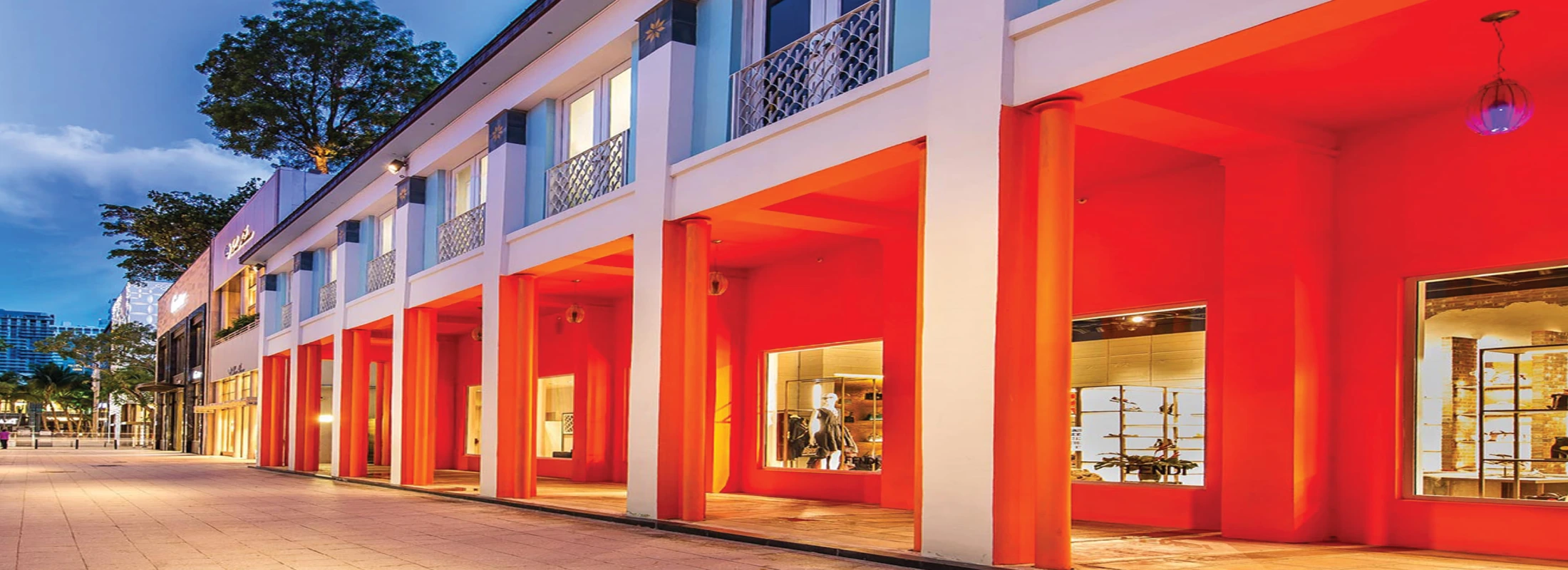
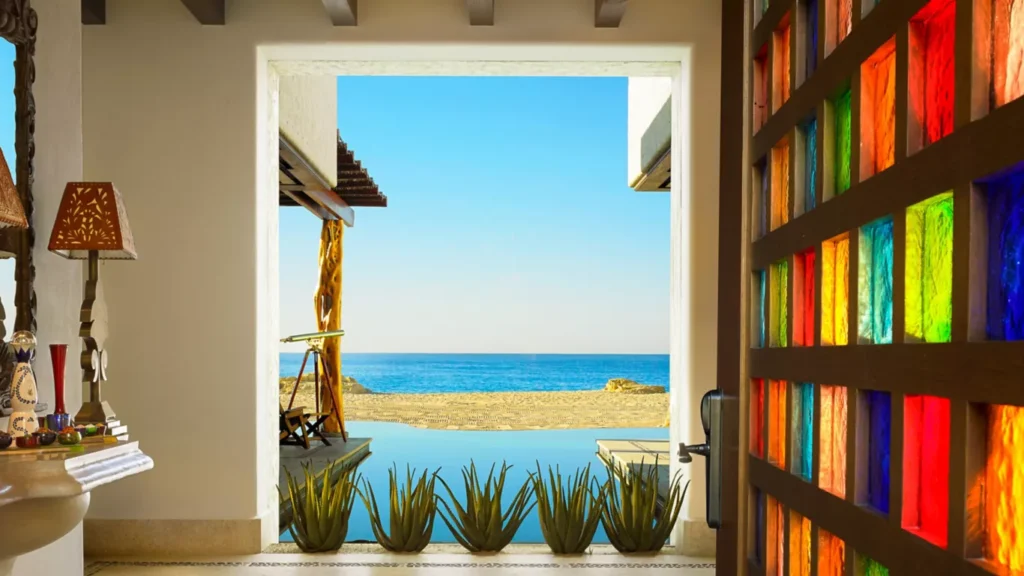
The palette of Mexico City is unapologetically expressive. Across townhouses in Polanco, lush embassy gardens, and high-design hotels like the Ignacia Guest House, color does not merely decorate, it defines. Walls in vibrant cobalt, saffron, and vermillion, descendants of pre-Columbian dyes, create a visual language that signals identity, warmth, and creative audacity. Today’s Mexican luxury interiors channel this chromatic confidence, inviting an emotional connection that monochrome minimalism seldom achieves.
Chromatic Storytelling in Contemporary Spaces
Luxury interiors in CDMX increasingly leverage color as narrative. Designers such as Sofía Aspe and Gloria Cortina deploy indigenous materials and vivid hues, evoking the drama of Mexican light and landscape within cosmopolitan penthouses and heritage mansions alike. Spaces are crafted to seduce the senses: velvet ochre sofas set against indigo walls, artisanal tessellated tiles juxtaposed with shimmering brass, and lush greenery pouring in through floor-to-ceiling windows. This boldness, rooted historically, reads as a fresh signature of Mexican style on the world stage.
Craft, Artisanship, and New Luxury
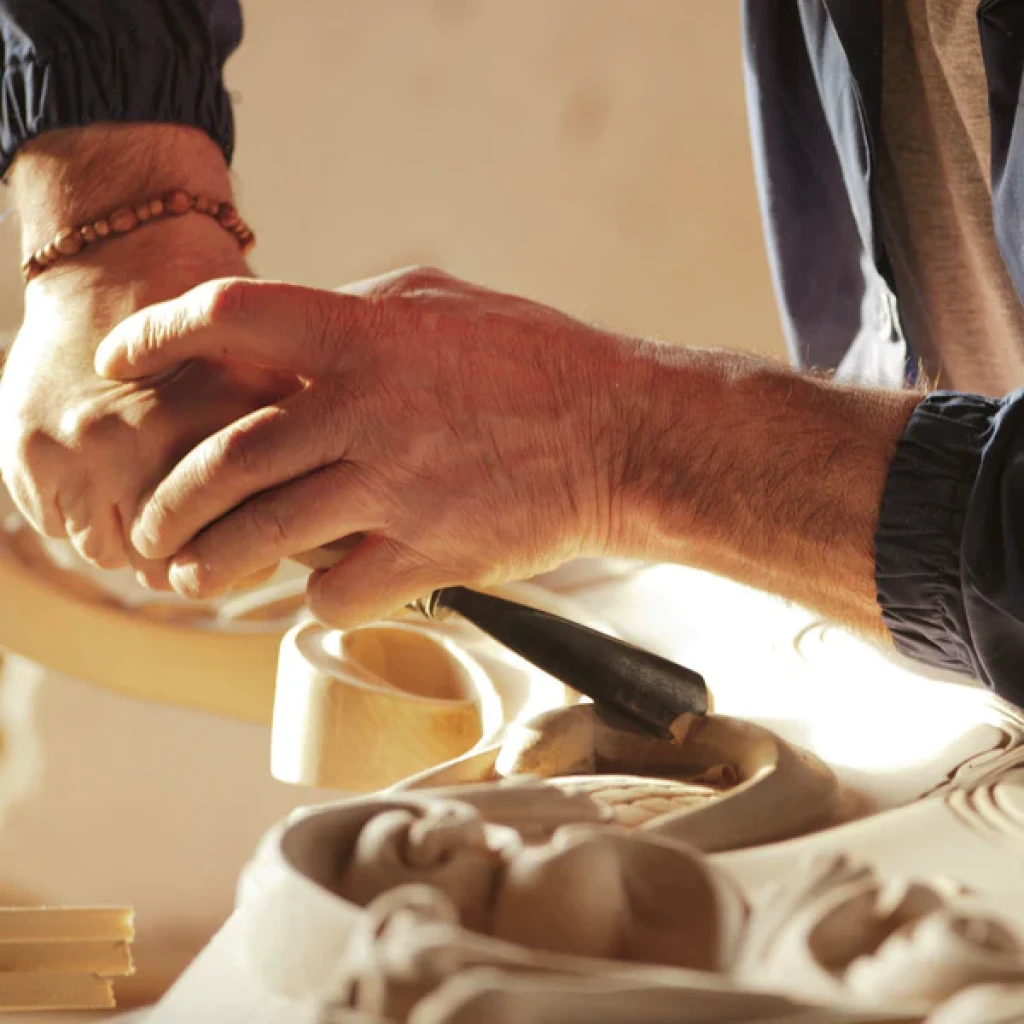
At the heart of CDMX’s design renaissance is a renewed reverence for craft. The global appetite for authenticity has spotlighted the exceptional skills of Mexican artisans, from Oaxacan wood carvers to Puebla’s talavera tile makers, who steward centuries-old techniques. These collaborations between designer and artisan result in Mexican luxury interiors that feel deeply personal, tactile, and profound.
Handcrafted Modernism
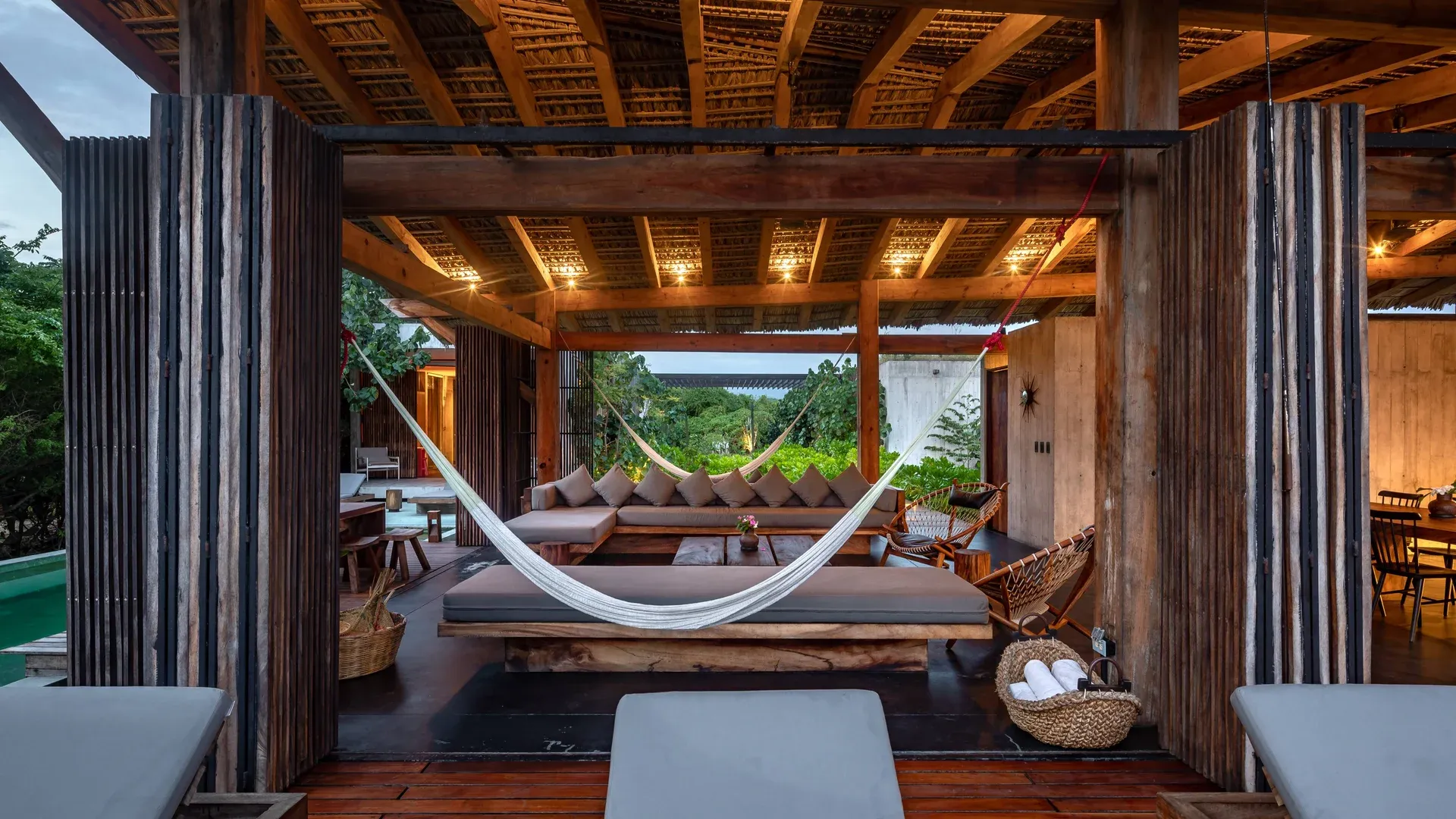
Rather than romanticizing the past, Mexico City’s leading interiors fuse tradition with innovation. Studios such as Studio Davidpompa, Decada, and Onora Casa reinterpret classic motifs for the contemporary sphere, from reimagined equipal chairs to geometric clay lamps. Within alternative luxury developments like Cumbres de Santa Fe and Residencial Rancho San Francisco, custom-made pieces provide not just beauty but a sense of narrative continuity, anchoring even the most avant-garde spaces in the soul of the city.
Why Craft Matters in Today’s Luxury Market
- Intrinsic Value: Handcrafted objects retain a human story, offering emotional resonance beyond industrial luxury.
- Regional Authenticity: The use of native materials and techniques connects Mexican luxury interiors to both place and heritage.
- Environmental Consciousness: Artisanal production aligns with global shifts towards sustainability and ethical sourcing.
The Rise of Contemporary Latin American Architecture
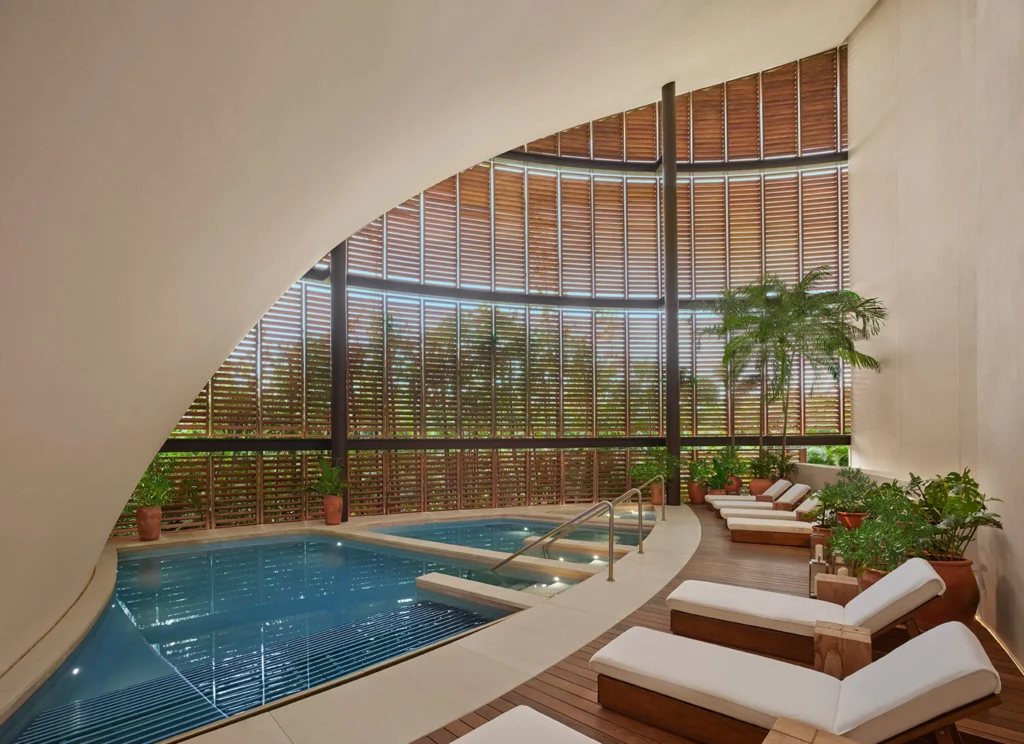
Perhaps nowhere is the new Mexican confidence more apparent than in architecture. The city’s skyline, once dominated by colonial spires and muscular modernism, now boasts a new generation of sculptural, expressive structures. Contemporary Latin American architecture in CDMX is marked by an interplay of topography, climate, and urban dynamism. Private residences, cultural institutions, and even hospitality spaces embrace permeability, environmental responsibility, and spatial poetry.
Icons and Innovators: Breaking Global Ground
- Frida Escobedo’s La Tallera: An immersive art complex, blending monumental concrete forms with local tilework, statements on identity, materiality, and light.
- Rojkind Arquitectos’ Foro Boca: A sinuous cultural center in Veracruz, manifesting Mexico’s embrace of daring geometries and tactile textures.
- Tatiana Bilbao’s Casa Ventura: An organic, environmentally attuned home that exemplifies the fusion of landscape, artisanal detail, and social engagement.
For luxury real estate professionals, these projects indicate more than aesthetic trends; they mark Mexico City as a premier market for world-class design and architectural capital.
Creative Districts and Cultural Ecosystems
Mexico City’s design pulse is nourished not just by individual talent, but by synergistic neighborhoods and platforms. Polanco, Roma Norte, and Juárez are celebrated for their high concentration of galleries, showrooms, and curated boutiques. Events like Zona Maco, Design Week Mexico, and the Material Art Fair further position CDMX at the nexus of Latin American creativity, attracting global collectors, curators, and industry vanguard.
Notable Creative Hubs
- Casa Pedregal: A living museum of Barragán’s genius, recently revived as a think-tank for design dialogue.
- Lago Algo: A lakeside, adaptive-reuse masterwork serving as a platform for the city’s next generation of cultural experimentation.
- Galería OMR and AGO Projects: Premier addresses spotlighting the latest Mexican and international collectible design.
International Influence and the New Global Aesthetic
Mexico City’s renaissance cannot be isolated from its rising stature in the global creative economy. The city is both originator and incubator, exporting its vision of luxury, color, and craftsmanship while inviting international dialogues. Partnerships between Mexican studios and global brands, from Hermès to Roche Bobois, underscore a porous creative frontier, where influences travel fluidly between continents.
Mexico City as a Beacon for Design Professionals
For architects, designers, and developers seeking inspiration or collaboration, CDMX offers exceptional opportunities:
- A rich talent pool of architects and artisans versed in both historical mastery and digital innovation.
- An open, receptive market for bold concepts, one that prizes authenticity and individuality.
- Intersectional events connecting real estate, interior design, architecture, and visual arts to forge new business models and creative ventures.
Increasingly, Mexico City is not just a destination but a laboratory where tomorrow’s global design codes are rehearsed and refined.
The Future of Living: Tradition and Bold Modernism Intertwined
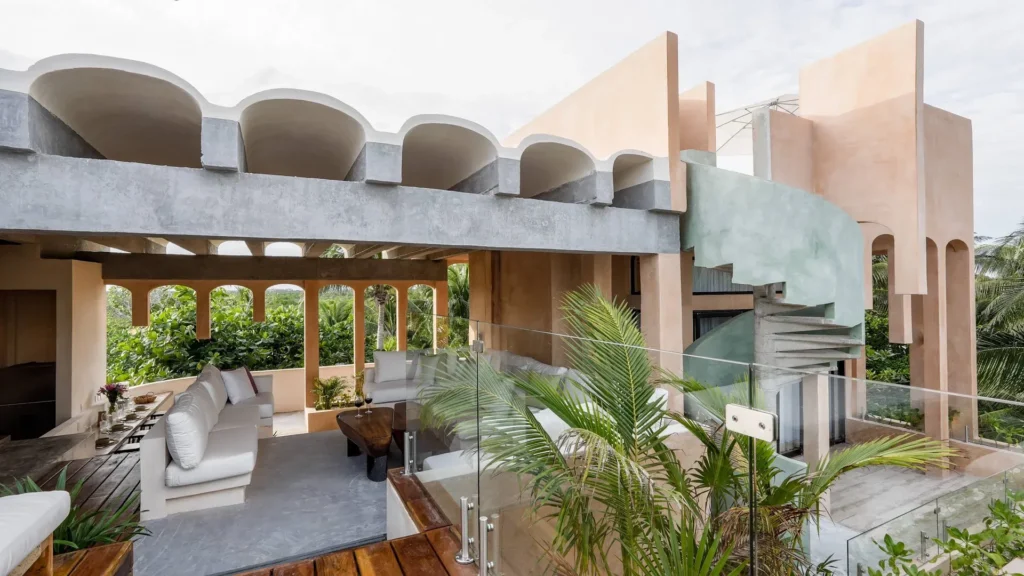
Mexico City’s design renaissance challenges the binary of old versus new. In the realm of Mexican luxury interiors and paradigm-shifting Latin American architecture, tradition is not about preservation, it is a living resource, continuously reinvented. The future of high-end living in CDMX embraces porous boundaries: color with minimalism, handcrafted with sculptural, intimate with international.
For international professionals and high-net-worth individuals, the message is clear: to invest, create, or reside in Mexico City is to participate in an ongoing cultural experiment, one where home is not a static backdrop but a dynamic expression of global savoir-faire enlivened by local spirit.
Enter the Age of the Handcrafted City
As tastes evolve and the design world pivots towards places anchored in authenticity, Mexico City emerges as a seminal reference. Its unique interplay of color, craftsmanship, and contemporary architecture not only reflects but also advances the discourse of luxury living in the modern age. In a city where tradition and audacity move in step, each home, hotel, and building becomes a canvas for reimagined possibility. Mexico City’s renaissance is an invitation and a challenge, to see living spaces as art, and to pursue a lifestyle in which aesthetics and meaning are, in every sense, handcrafted.