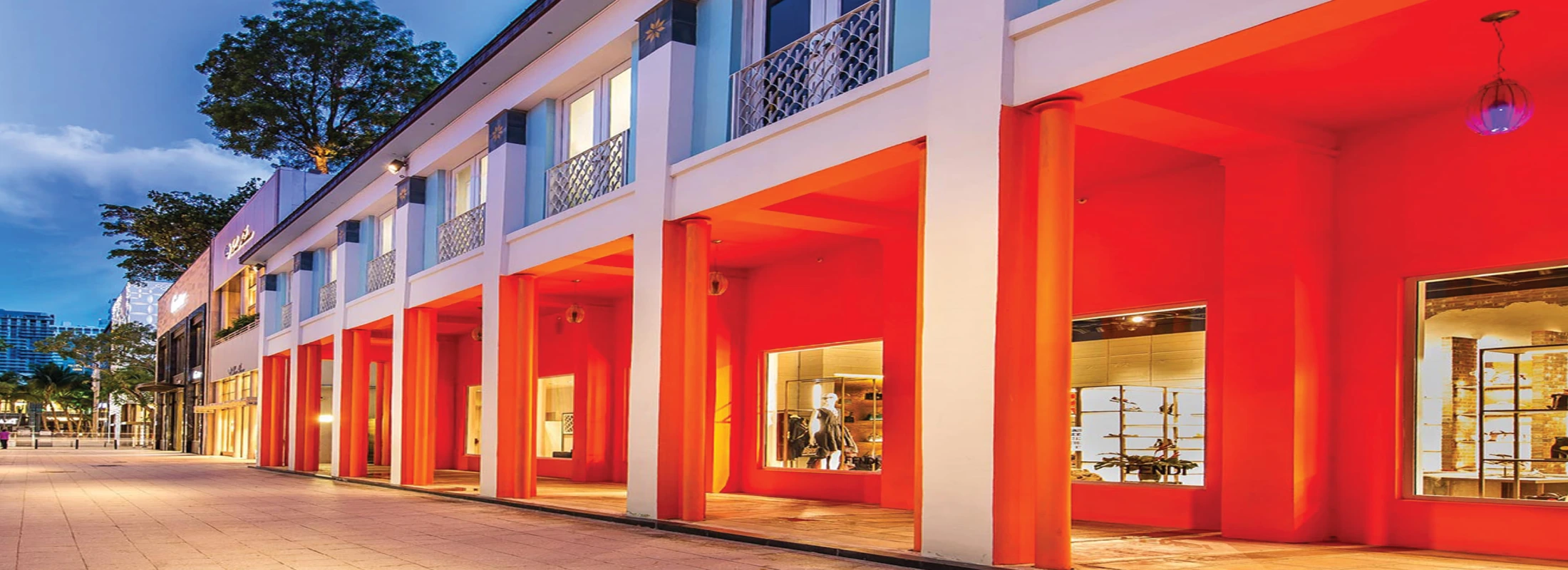
For interior designers, architects, and luxury furniture brands, travel is more than inspiration—it’s research, immersion, and creative expansion. This Interior Design Travel Guide takes you from Paris to London, two global capitals where history, craftsmanship, and cutting-edge design intersect. Whether you’re sourcing materials, studying spatial storytelling, or discovering emerging trends, this route offers a dense concentration of influence in a relatively short journey.
Paris: Where Heritage Meets Contemporary Elegance
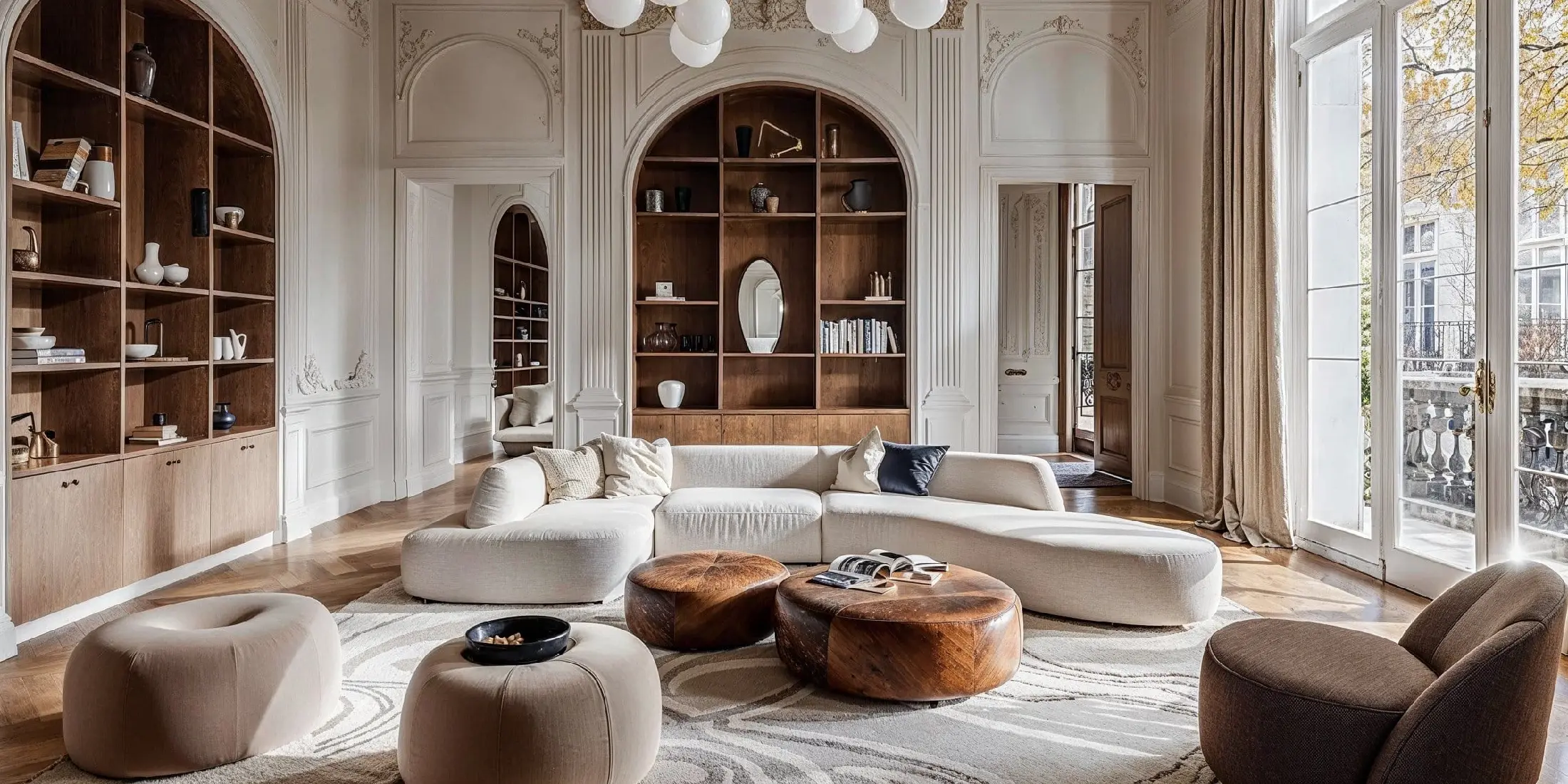
Paris remains one of the most influential cities in the design world. Its interiors balance ornate heritage with modern restraint, creating a layered aesthetic that continues to shape global design language.
Iconic Design Districts
Start in Saint-Germain-des-Prés, a neighborhood that blends art galleries, antique dealers, and contemporary showrooms. Here, interiors often feature a mix of classical moldings, parquet floors, and bold modern furniture—an approach that reflects the Parisian philosophy of contrast.
Le Marais offers a different perspective. Once aristocratic, now avant-garde, this district showcases adaptive reuse at its finest. Designers can observe how historic structures accommodate modern retail, hospitality, and residential interiors without losing character.
Showrooms and Galleries
Paris excels in curated spaces. Many showrooms operate more like galleries, presenting furniture and objects as collectible pieces rather than mass-produced goods. Pay attention to:
- Material experimentation: stone, lacquer, and metal combinations
- Sculptural furniture forms
- Subtle but luxurious color palettes
This approach aligns closely with high-end residential and hospitality design trends.
Hospitality Design as a Benchmark
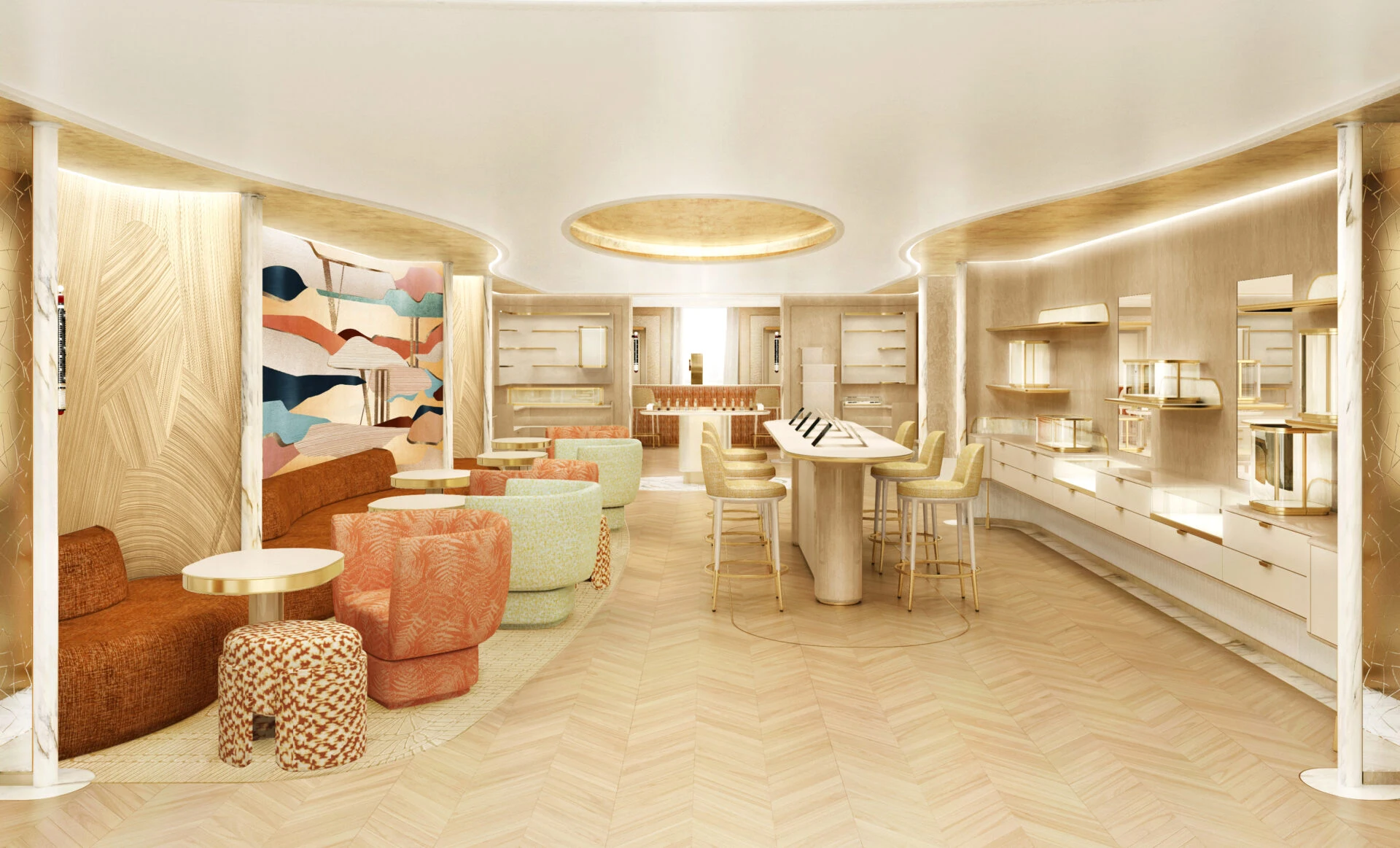
Luxury hotels in Paris often set global standards for interior design. They demonstrate how storytelling, branding, and spatial flow come together seamlessly. Notice how designers integrate:
- Custom furniture pieces
- Layered lighting schemes
- Textural richness through textiles and finishes
These environments serve as living case studies for designers working in high-end sectors.
Design Events and Timing
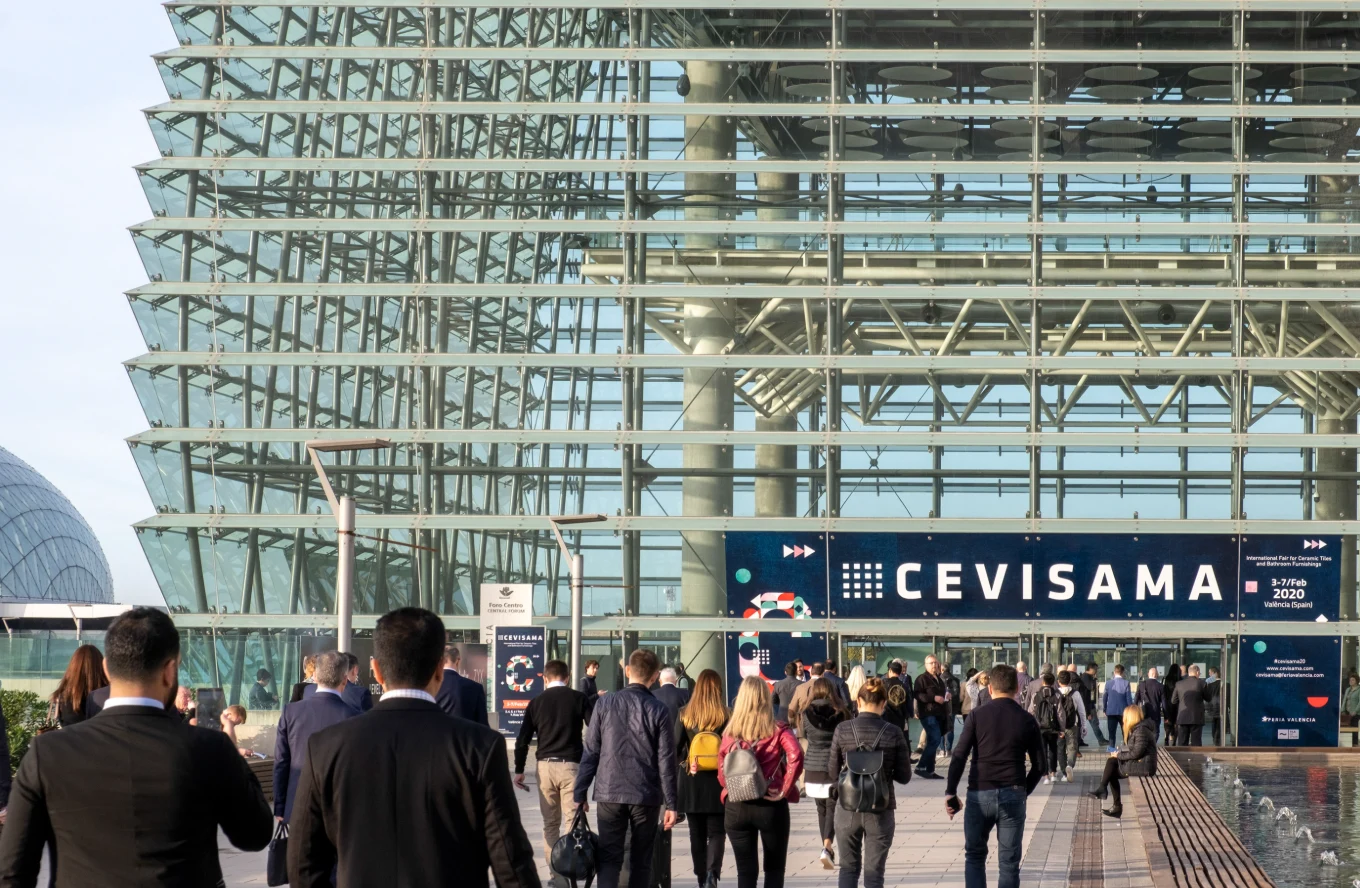
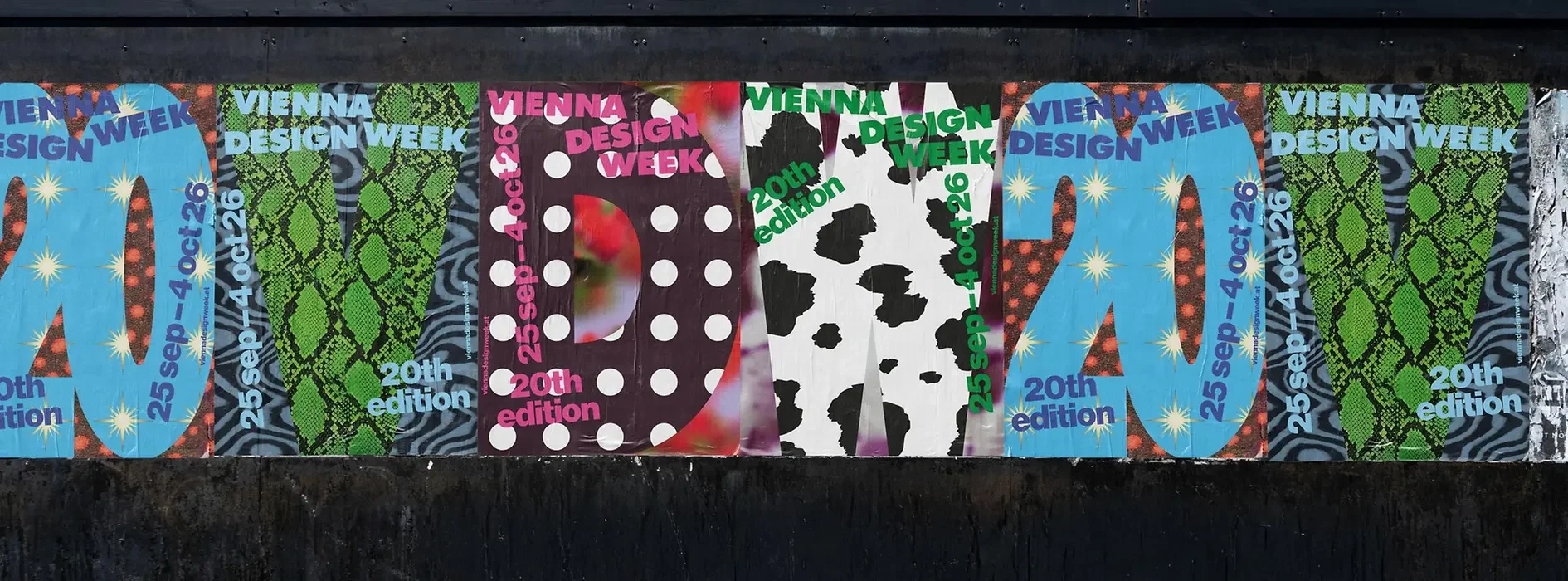
If your schedule allows, plan your visit around major design events. Paris hosts several influential fairs and exhibitions that attract international studios and brands. These events provide access to emerging designers and new collections before they reach broader markets.
Crossing the Channel: A Shift in Design Philosophy
Traveling from Paris to London isn’t just a geographic transition—it’s a conceptual one. While Paris emphasizes refinement and symmetry, London embraces eclecticism and narrative-driven interiors.
The journey itself offers a moment to reset your perspective. Designers often find that exposure to contrasting styles within a short timeframe sharpens their creative instincts.
London: Eclecticism, Innovation, and Cultural Fusion
London’s design identity thrives on diversity. It pulls from global influences while maintaining a strong sense of individuality. This makes it a crucial stop in any Interior Design Travel Guide.
Key Design Neighborhoods
Chelsea and Kensington represent London’s polished, high-end residential design. Expect to see tailored interiors, muted palettes, and meticulous detailing—ideal references for luxury residential projects.
Shoreditch, on the other hand, offers a more experimental edge. Industrial spaces house creative studios, concept stores, and boutique hotels. Here, designers push boundaries with:
- Raw materials like exposed concrete and steel
- Bold graphic elements
- Flexible, multi-use spaces
Mayfair bridges these worlds, combining heritage architecture with contemporary luxury retail and hospitality design.
Retail as Experiential Design
London leads in experiential retail. Stores function as immersive environments rather than simple points of sale. Designers should observe how brands use:
- Spatial sequencing to guide customer flow
- Lighting to create emotional impact
- Bespoke fixtures that reinforce brand identity
This approach proves especially valuable for furniture brands and design studios looking to elevate their physical presence.
Museums and Cultural Institutions
London’s museums offer more than historical context—they provide insight into evolving design narratives. Interior designers can study how exhibitions use space, lighting, and materials to communicate ideas.
Temporary exhibitions often experiment with spatial design, offering fresh perspectives on how interiors can tell stories beyond functionality.
Hospitality and Residential Innovation
London’s hospitality sector frequently leads global trends. Boutique hotels and private members’ clubs showcase bold design decisions, from maximalist interiors to highly curated minimalism.
In residential design, London excels at personalization. Designers often tailor spaces to reflect the client’s identity, blending styles, eras, and cultural references. This results in interiors that feel layered and authentic rather than formulaic.
Materiality and Craftsmanship Across Both Cities
One of the most valuable aspects of traveling between Paris and London is the exposure to different approaches to materials and craftsmanship.
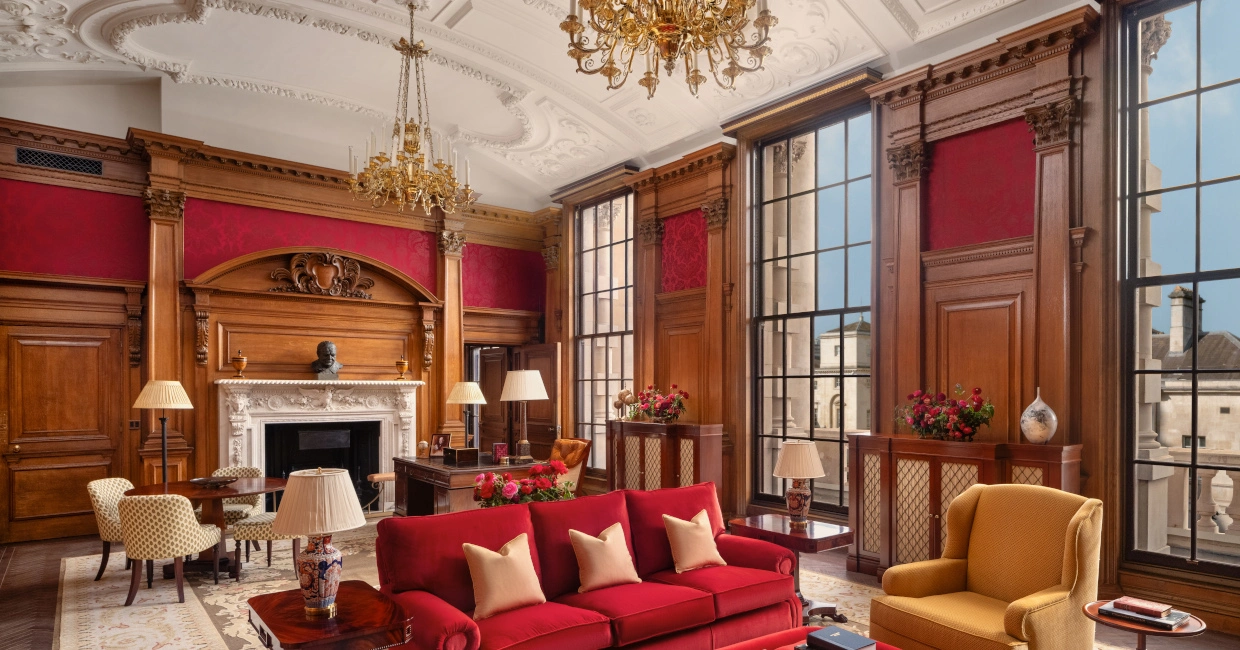
In Paris, craftsmanship leans toward precision and tradition. You’ll find exceptional examples of:
- Hand-carved woodwork
- Gilded finishes
- Intricate textiles
London, by contrast, often embraces imperfection and innovation. Designers experiment with:
- Reclaimed materials
- Mixed media applications
- Industrial finishes
Understanding these differences allows designers to expand their material vocabulary and apply it more strategically in their projects.
Sourcing and Networking Opportunities
Both cities serve as major hubs for sourcing and professional networking.
Paris
- Ideal for discovering artisanal craftsmanship
- Strong connections to European luxury suppliers
- Access to limited-edition and collectible design pieces
London
- Diverse supplier base with global reach
- Strong presence of emerging designers
- Opportunities to explore sustainable and experimental materials
For furniture brands and design studios, these cities offer complementary sourcing opportunities that can enhance product development and project execution.

Designing Your Itinerary
To maximize your experience, approach this journey with a clear strategy:
- Allocate at least 3–4 days per city
- Mix structured visits (showrooms, exhibitions) with exploratory walks
- Schedule appointments with key suppliers or studios in advance
- Leave room for spontaneous discoveries
Document everything—photographs, sketches, material samples, and notes. These references often become invaluable during the design process.
Final Thoughts
This Interior Design Travel Guide from Paris to London highlights more than just destinations—it outlines a design dialogue between two cities with distinct yet complementary identities.
Paris refines your understanding of elegance, proportion, and craftsmanship. London challenges you to think more freely, embracing contrast and narrative. Together, they offer a comprehensive design experience that can influence everything from spatial planning to material selection.
For interior designers, architects, and luxury brands, this journey isn’t optional—it’s a strategic investment in creative growth.